
 paulius.mikoliunas1
| Common Name | Shan Zhu Yu, Asiatic dogwood, Japanese Cornel Dogwood |
| Family | Cornaceae |
| USDA hardiness | 5-8 |
| Known Hazards | None known |
| Habitats | Woodland, 1200 – 1800 metres in W. China. Mountains, slopes, forest margins and forests a elevations of 400 – 1500, occasionally to 2100 metres. |
| Range | E. Asia – China, Japan, Korea. |
| Edibility Rating |   (4 of 5) (4 of 5) |
| Other Uses |  (0 of 5) (0 of 5) |
| Weed Potential | No |
| Medicinal Rating |   (3 of 5) (3 of 5) |
| Care (info) |     |





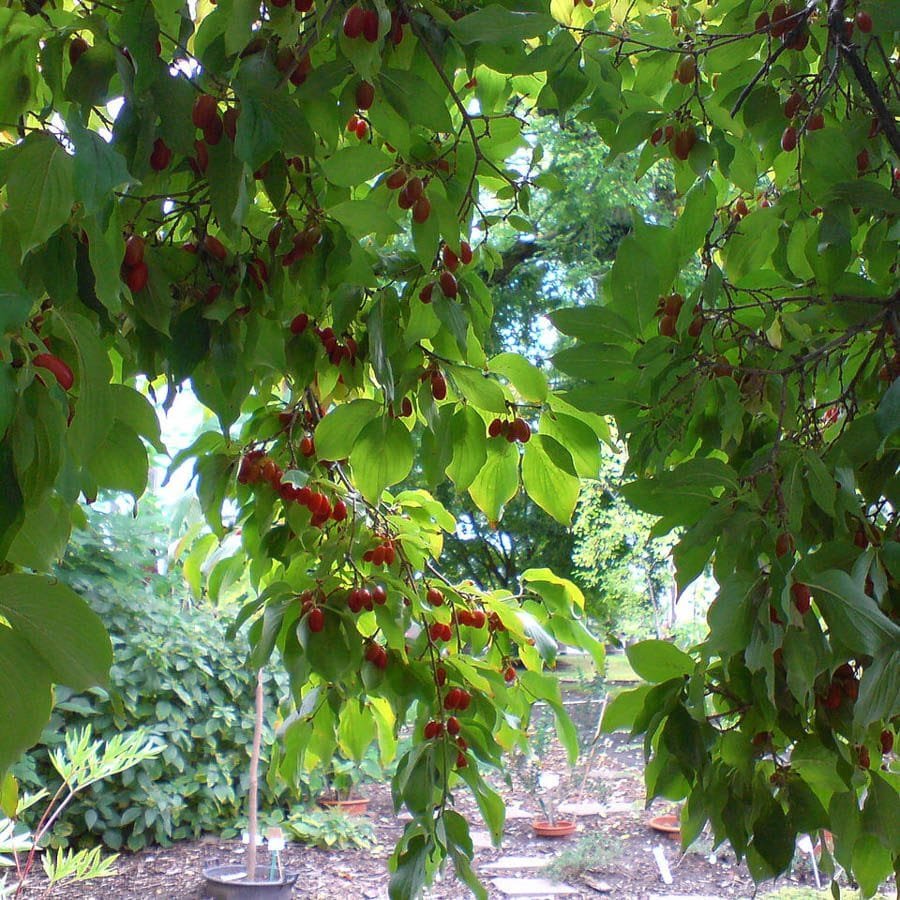

Japanese Cornel (Cornus officinalis): Growing, Propagation, Varieties, Uses & Harvest Guide
The Japanese cornel, or Cornus officinalis, is a little-known but highly versatile ornamental and medicinal tree prized for its early spring flowers, attractive bark, and edible fruits. Once limited to East Asian herb gardens, it’s becoming a rising favorite among permaculturists, landscape designers, and specialty growers.
Below is a comprehensive guide to successfully growing, propagating, and utilizing Japanese cornel — including how to cook with its berries and when to harvest for peak flavor and potency.
What Is Japanese Cornel?
Japanese cornel (Cornus officinalis) is a deciduous shrub-tree from the dogwood family. Native to Korea, China, and Japan, it blooms in late winter to early spring with clusters of bright yellow flowers that appear before the leaves.
Beyond ornamentals, the fruit has been used for centuries in traditional medicine as a tonic, antioxidant, and immune supportive food.
Growing Japanese Cornel
Climate & Hardiness
- USDA zones: 5–8
- Prefers temperate climates with cool winters
- Thrives in both garden landscapes and woodland edges
Sunlight Requirements
- Full sun promotes best fruiting
- Partial shade acceptable, especially in hotter climates
Soil Preferences
- Moist, well-drained loam is ideal
- pH range: slightly acidic to neutral (6.0–7.0)
- Tolerant of clay once established
Watering
- Moderate watering during establishment (first 1–2 years)
- Once mature, drought-tolerant but fruits better with consistent moisture
Fertilization
- Slow-release organic fertilizers work well
- Compost or leaf mold improves fruit yield and vigor
Pests & Diseases
Japanese cornel is relatively resistant to pests and diseases compared to many fruit trees, with only occasional issues related to:
- scale insects
- leaf spots
- powdery mildew (rare)
Propagation Techniques
Propagation is achievable through multiple methods, each with different timelines and success rates:
1. Seed Propagation
- Seeds exhibit strong dormancy and require 2–3 months of cold stratification
- Germination may take 1–2 years
- Best suited for breeding or large-scale woodland plantings
2. Hardwood Cuttings
- Taken in late fall to winter
- Rooting hormone increases strike rate
- Faster than seed with true-to-type genetics
3. Softwood Cuttings
- Taken in late spring to early summer
- Finer rooting but more delicate care
4. Grafting
- Common in commercial orchards
- Ensures fruit quality and consistency
- Compatible rootstocks include other dogwoods
5. Layering
- Air layering or simple trench layering works well
- Ideal for home gardeners due to high success
Popular Varieties & Cultivars
Although less widely known in Western nurseries, several named forms exist:
‘Oriental Pearl’
- Heavy fruiting cultivar
- Excellent ornamental value
‘Kintoki’
- Noted for medicinal fruit use
- Strong vigor and reliable cold resistance
‘Satomi’ (sometimes misapplied)
-Pinkish floral tones, mostly ornamental
Wild or Seedling Types
- Often taller with variable fruit size and taste
- Good for landscape use or breeding projects
Flowering & Ornamental Interest
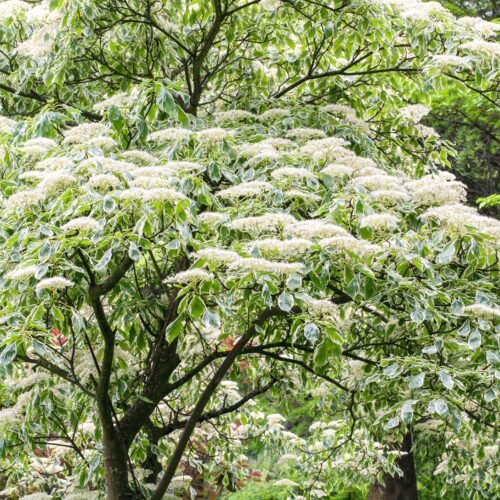
One of the biggest selling points of Japanese cornel is the explosion of yellow blossoms that appears as early as February. The flowers create a striking contrast against bare branches and late winter snow, making it a key winter-interest shrub for Japanese gardens.
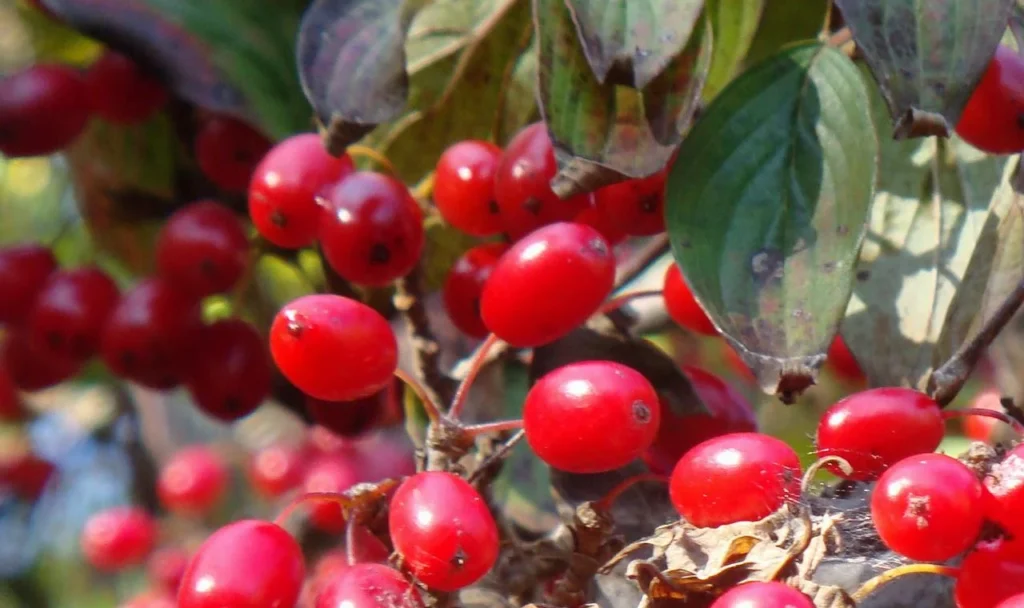
The bark also develops attractive mottling with age, and red berries in late summer add a secondary decorative layer.
Fruit & Culinary Usage
What Do the Fruits Taste Like?
The drupes are:
- tart
- sour-sweet
- slightly tannic
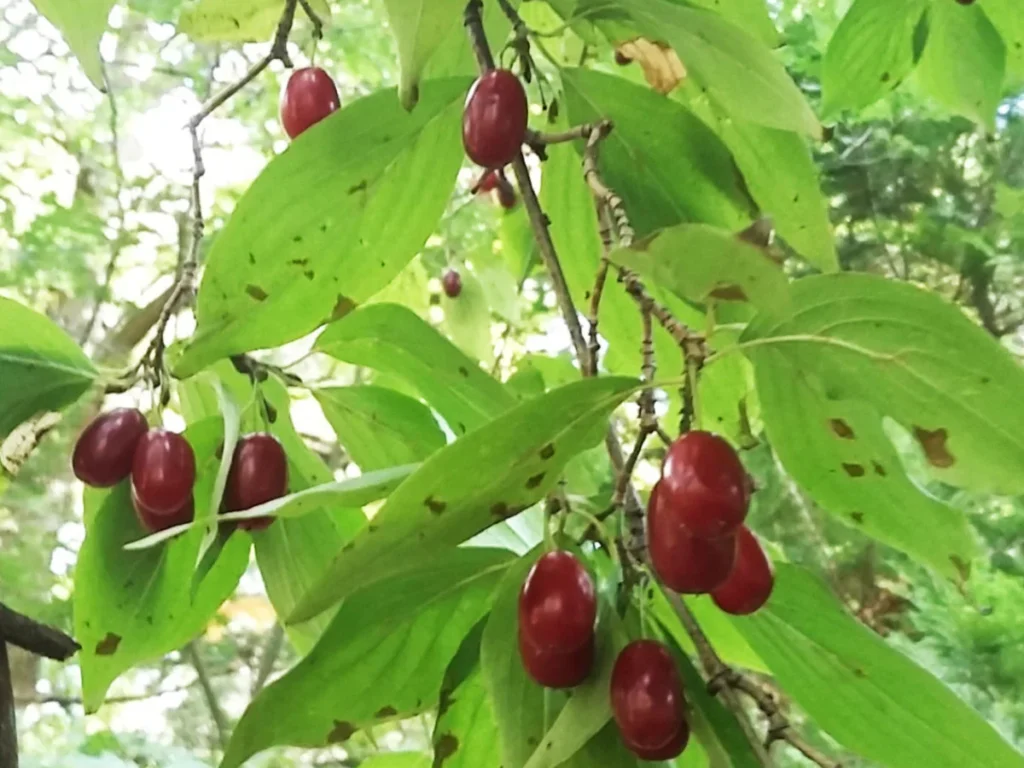
When fully ripe they become softer and more pleasant, similar to tart cherries or cornelian cherries.
Traditional Uses
Historically used as:
- tonic fruit
- herbal medicine (renal & immune support)
- wine ingredient
- syrup and extract base
Modern Culinary Ideas
Japanese cornel fruits can be transformed into:
| Dish | Notes |
|---|---|
| Jams & preserves | Balances tartness with sugar |
| Cordials & syrups | Great for cocktails |
| Fruit leather | Naturally high in pectin |
| Fermented wine or mead | Traditional in East Asia |
| Herbal teas | Dried fruits steep well |
| Sauce for meats | Similar to cranberry sauce |
| Desserts | Tart contrast in cakes or tarts |
Pro tip: Freeze fruits after harvest to break down tannins and enhance sweetness — similar to persimmons.
Medicinal Interest (Non-Medical Overview)
In East Asian herbalism, Japanese cornel is valued as a “kidney-tonic” fruit. Modern studies highlight antioxidant potential and bioactive compounds.
Note: This is informational only and not medical advice.
Harvesting Japanese Cornel
When to Harvest
- Fruits ripen late summer to early autumn
- Best flavor when fully colored deep red and slightly soft
How to Harvest
- Hand pick or shake branches over tarps
- Avoid underripe fruits (very sour)
Post-Harvest Handling
- Highly perishable fresh
- Best preserved by:
- drying
- freezing
- fermenting
- candying
- turning into jam or syrup
Landscape & Ecological Value
Beyond food and ornamental uses, Cornus officinalis offers:
- early-season pollen for bees
- habitat value for birds
- low-maintenance hedgerow potential
- adaptability to mixed forest gardens
Permaculture growers value its ability to flower during food-scarce months for pollinators.
Tips for Beginners
✔ Start with grafted plants for fruit
✔ Provide full sun for best yields
✔ Mulch heavily to retain moisture
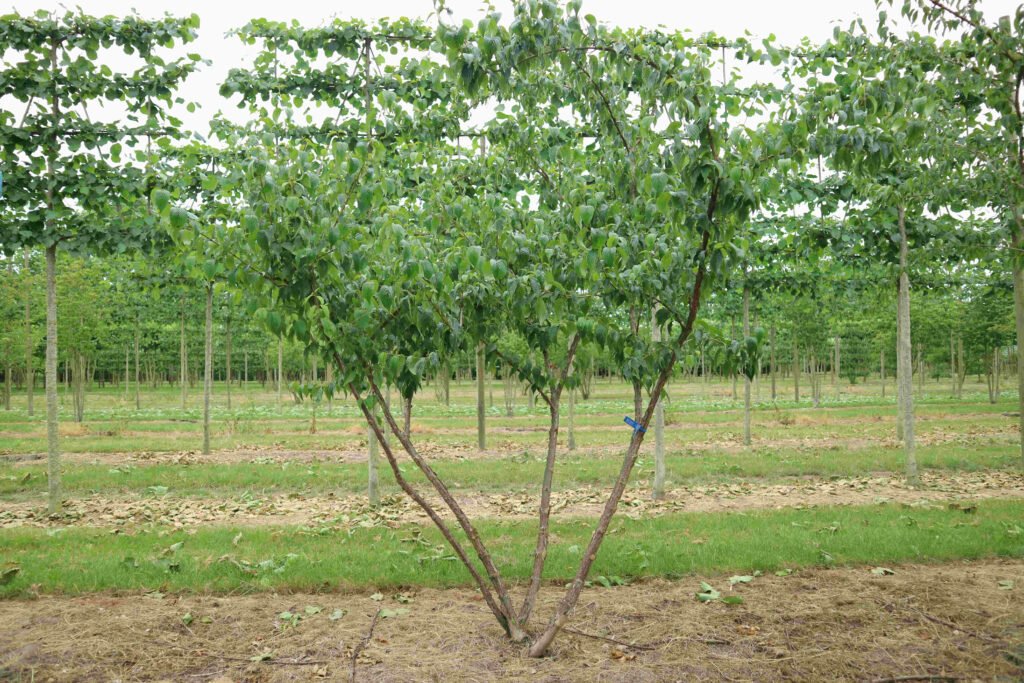
✔ Train to a small multi-stem tree for easier harvest
✔ Companion plant with nitrogen fixers for vigor
Final Thoughts
The Japanese cornel (Cornus officinalis) is an underappreciated all-purpose plant that blends ornamental charm with edible potential and traditional heritage. With the right care, it rewards gardeners with vivid winter blossoms, valuable fruit, wildlife benefits, and landscape resilience.
For growers seeking niche fruits or unique culinary ingredients, it’s an especially worthwhile addition to modern gardens, edible landscaping projects, and permaculture food forests.


&media=https://food-foresting.com/wp-content/uploads/2026/01/Cornus-officinalis-Extract.webp)