
 paulius.mikoliunas1
| Common Name | Black Walnut |
| Family | Juglandaceae |
| USDA hardiness | 4-9 |
| Known Hazards |  The plant has occasionally been known to cause contact dermatitis in humans. The plant has occasionally been known to cause contact dermatitis in humans. |
| Habitats | Rich fertile woods and hillsides in deep well-drained soils. |
| Range | Eastern N. America – Massachusetts to Florida, west to Texas and Minnesota. |
| Edibility Rating |   (3 of 5) (3 of 5) |
| Other Uses |   (4 of 5) (4 of 5) |
| Weed Potential | No |
| Medicinal Rating |   (3 of 5) (3 of 5) |
| Care (info) |    |
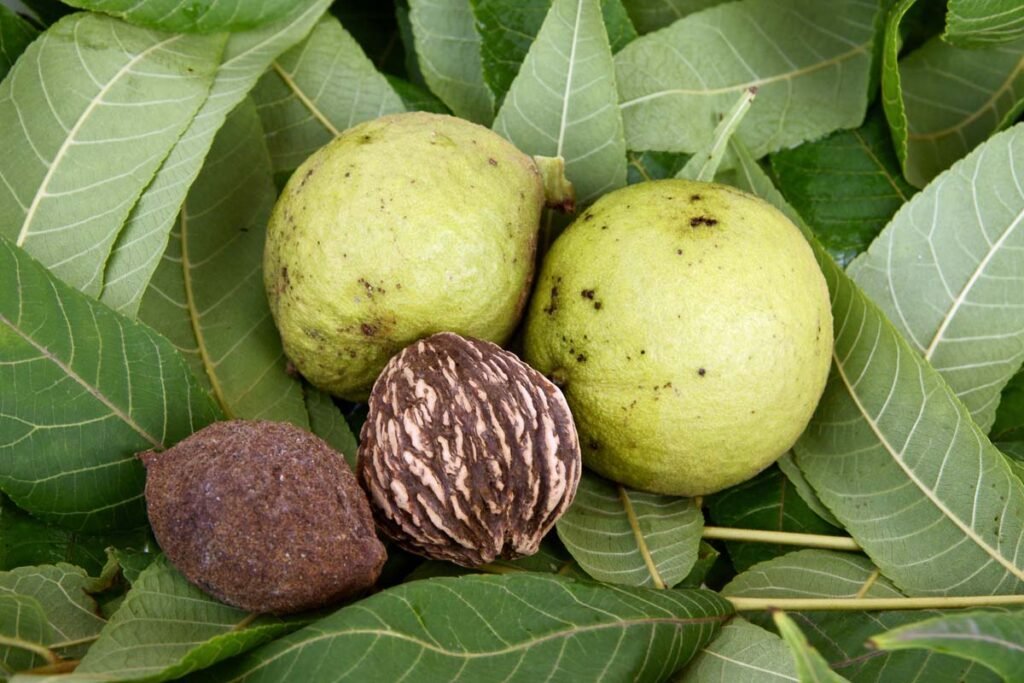


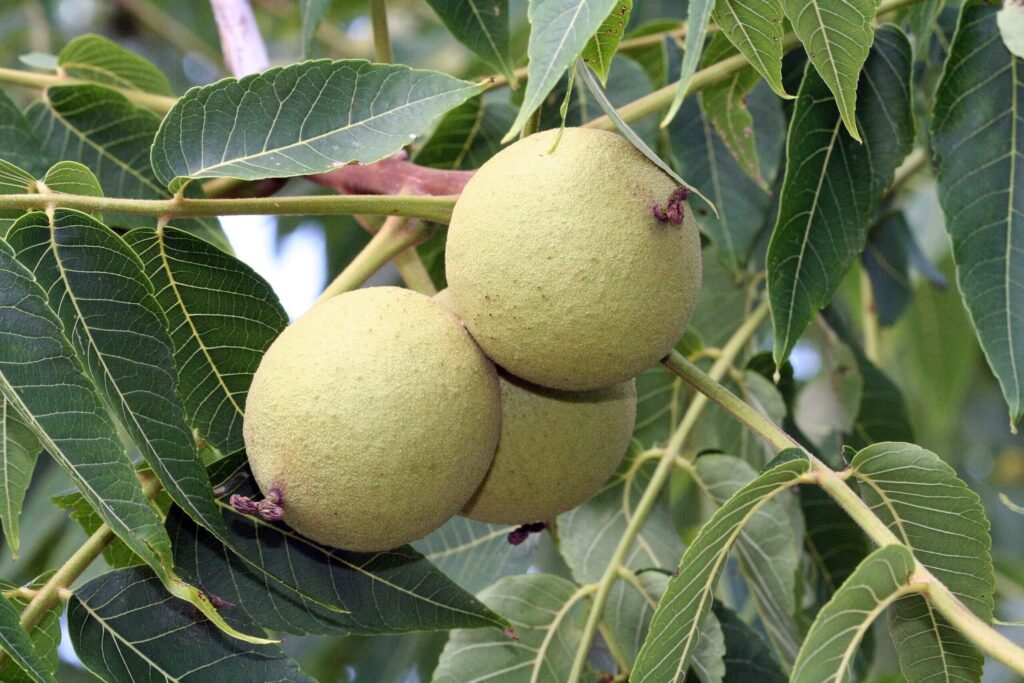

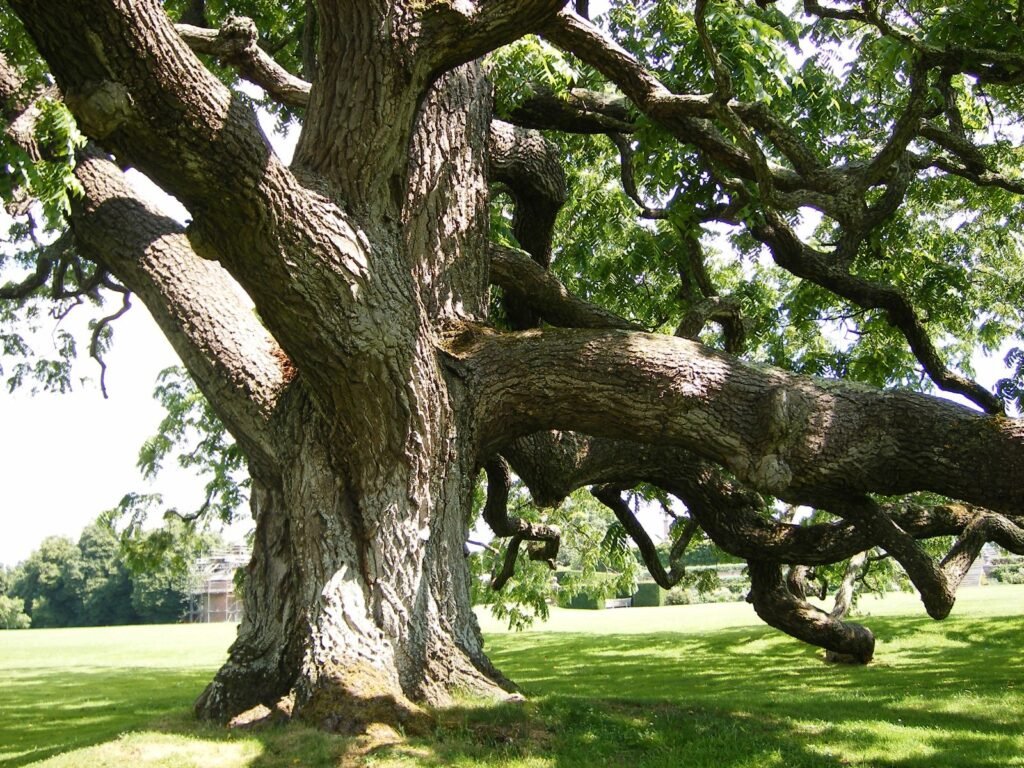
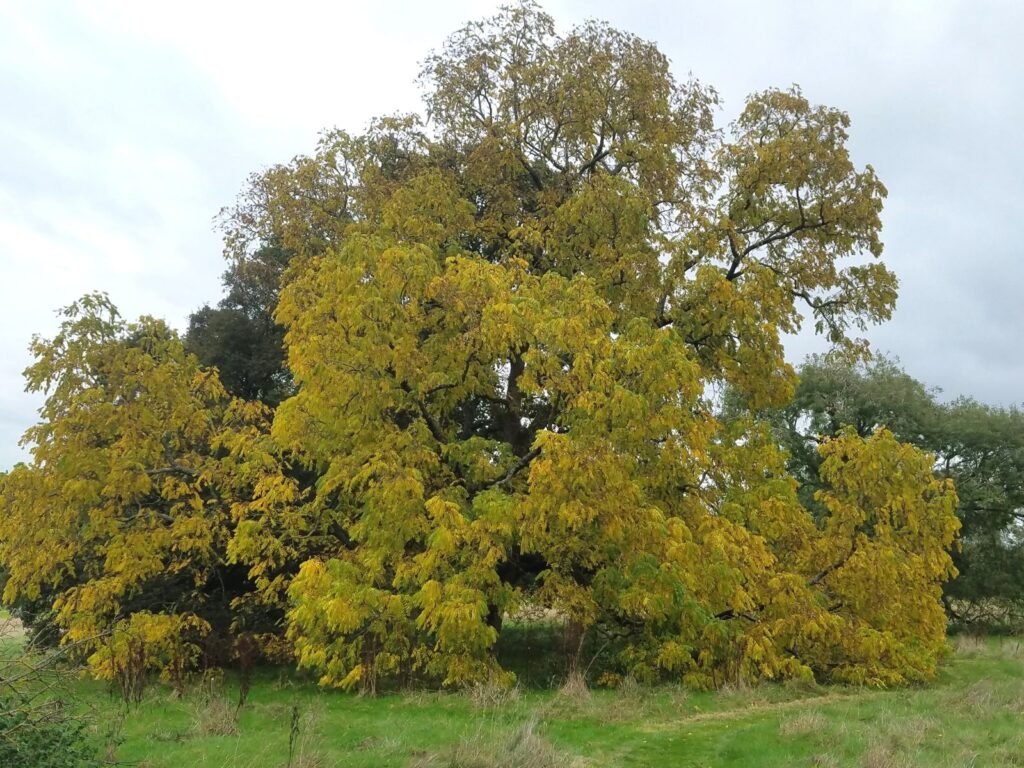
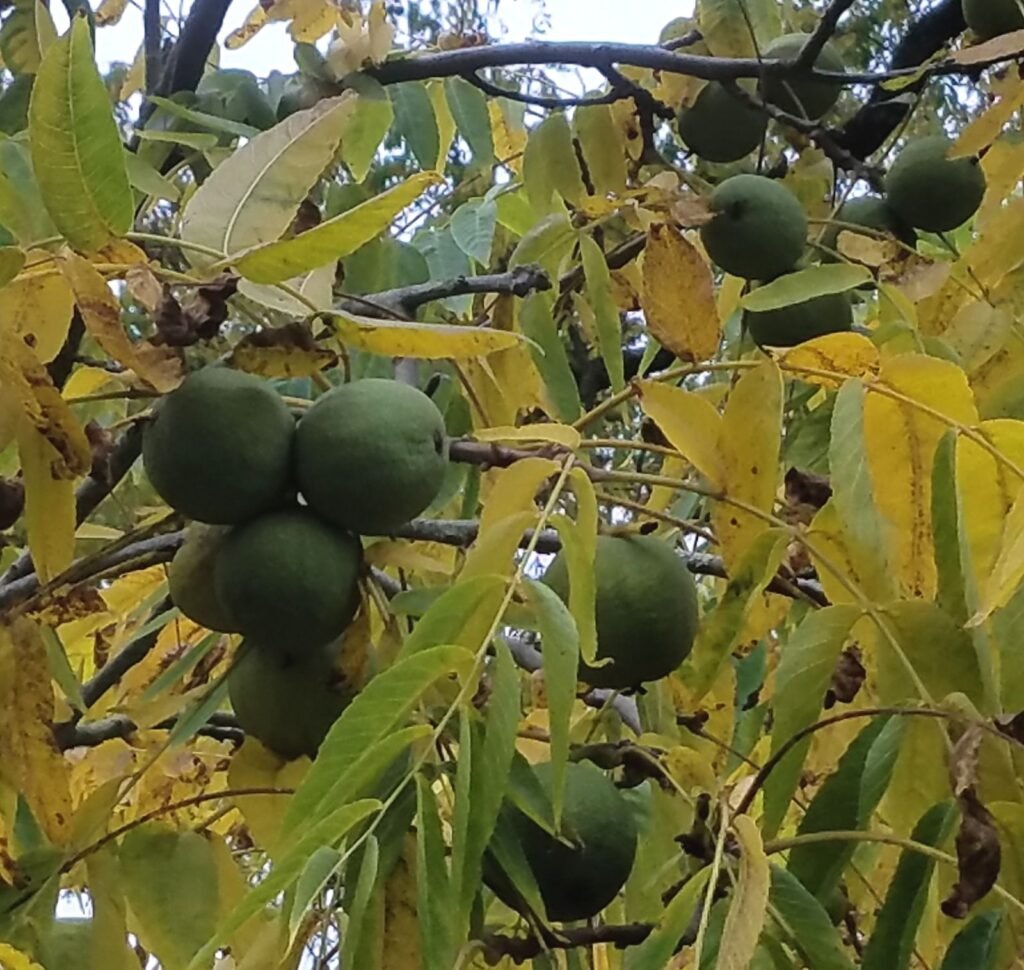
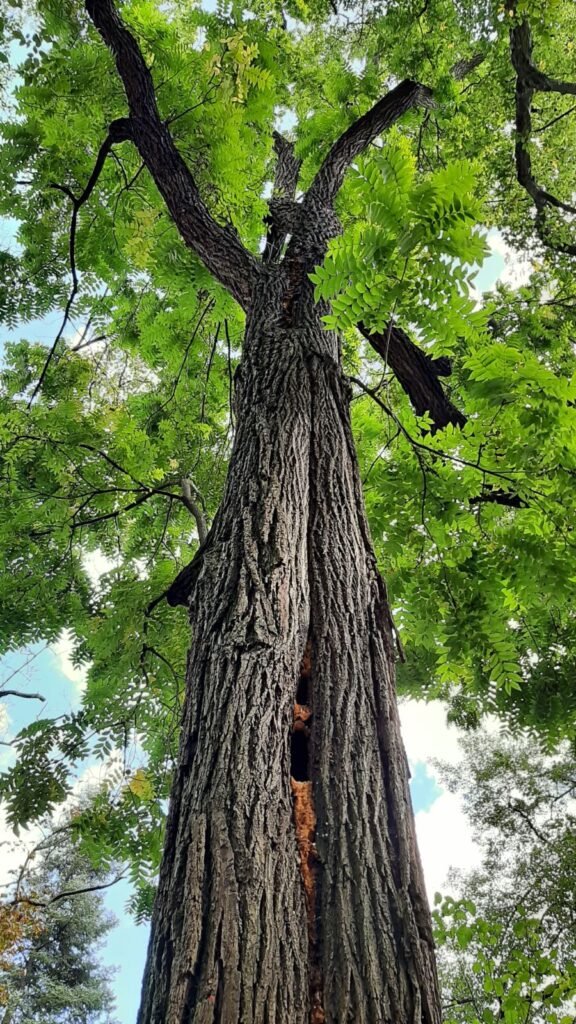

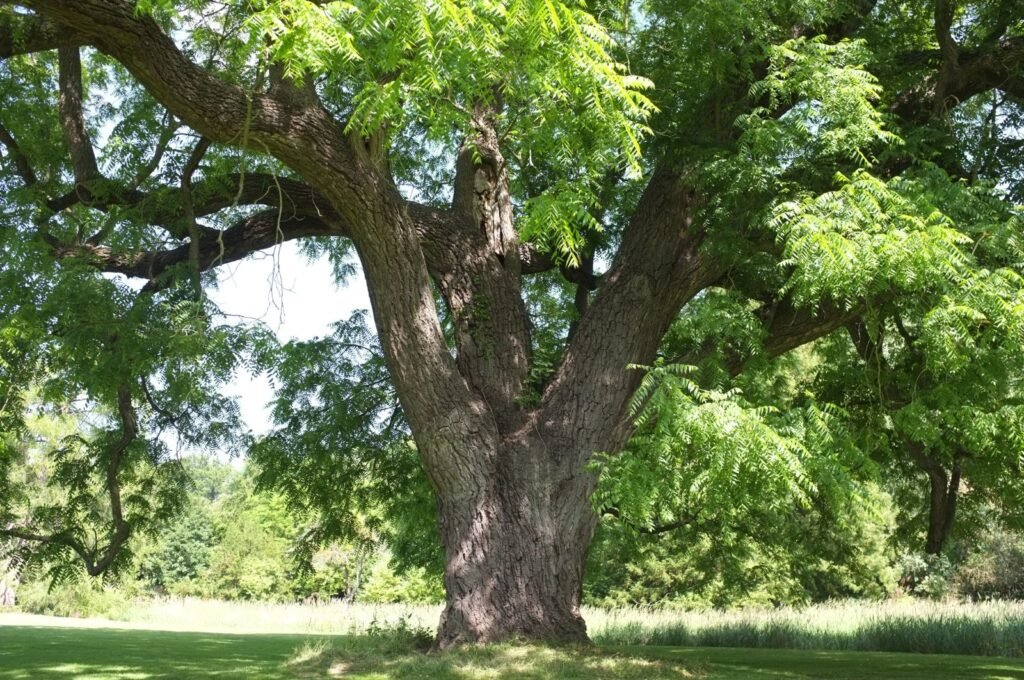
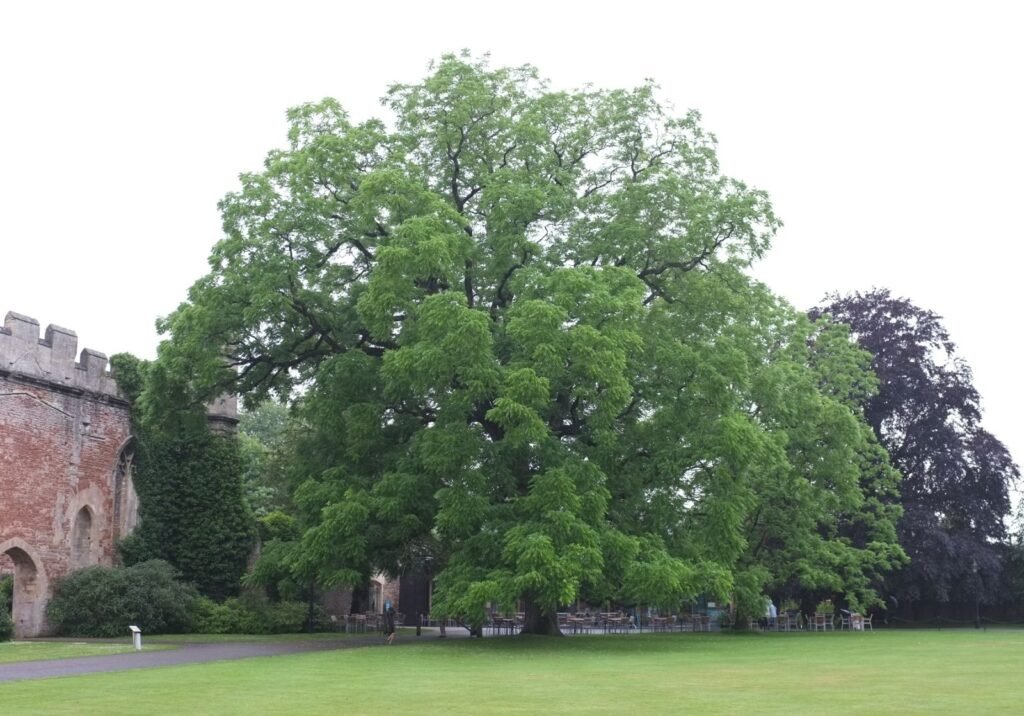
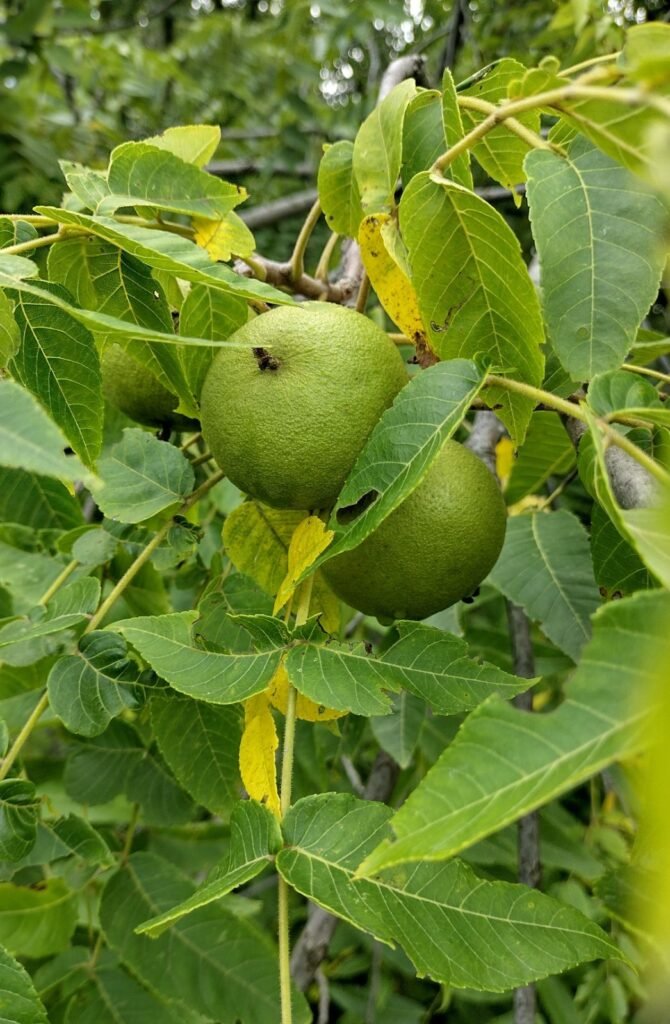
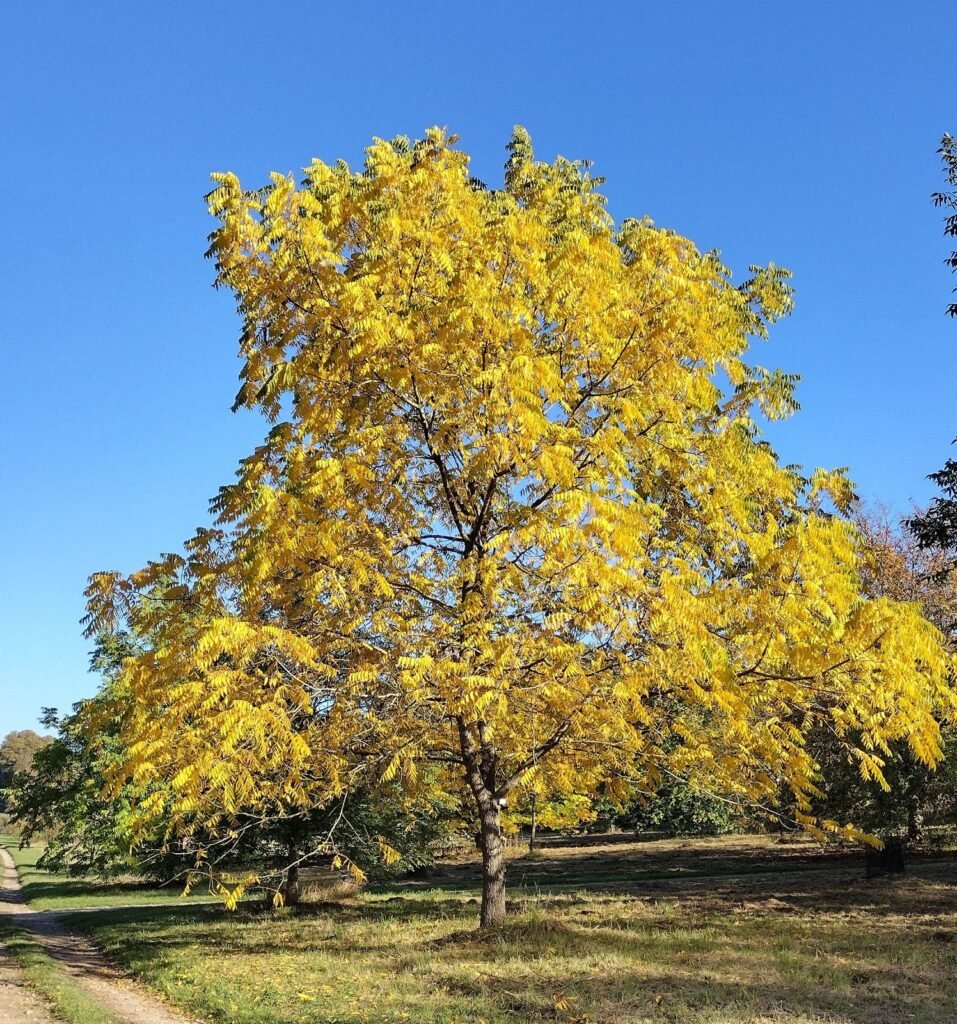


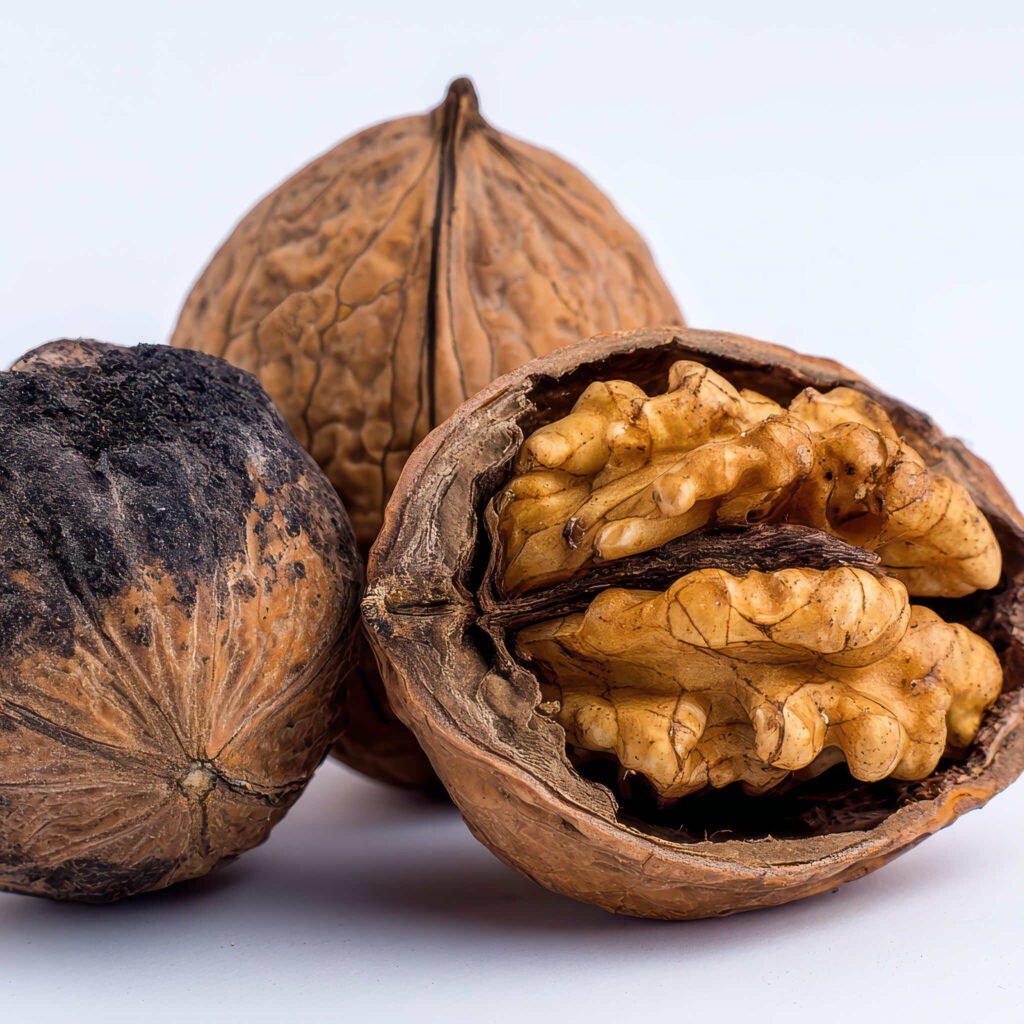
Black Walnut (Juglans nigra): How to Grow, Propagate, Use, Eat & Harvest
Black walnut (Juglans nigra) is one of North America’s most iconic hardwood trees. Known for its richly flavored nuts and premium lumber, it remains a favorite among homesteaders, permaculturists, and foragers. However, this majestic tree demands respect — its allelopathic juglone chemical can stunt neighboring plants, and its stubborn husk makes harvesting a hands-on art.
Whether you want to grow black walnut as a shade tree, harvest its nuts for food, or explore its herbal and woodworking uses, this guide covers everything you need to know.
What Makes Black Walnut Unique?
Before planting, it’s worth appreciating what sets black walnut apart:
- Long-lived hardwood (up to 200+ years)
- High-value timber tree
- Distinctive nut flavor (earthy, robust, stronger than English walnut)
- Juglone producing (affects nearby plants)
- Wildlife-friendly (squirrels and birds adore it)
The tree grows naturally in much of the eastern United States and thrives in well-drained soils.
Growing Black Walnut (Juglans nigra)
Climate Requirements
Black walnut grows best in:
- USDA zones: 4–9
- Sun: Full sun
- Soil: Moist, deep, well-drained loams
Soil Preferences
For strong nut and timber production:
- Soil depth > 3 ft (roots run deep)
- Slightly acidic to neutral pH (5.5–7.5)
- Avoid heavy clays or frequently waterlogged areas
Spacing
Mature trees can reach:
- Height: 50–120 ft
- Spread: 40–60 ft
Plant at least 40 ft apart for orchard-like layouts, or closer (10–12 ft) for timber stands to encourage straight trunks.
Propagation: From Seed, Saplings & Wildlings
Black walnut propagation is surprisingly accessible.
1. Propagation by Seed
Black walnut seeds require:
- Cold stratification (90–120 days)
- Fall planting preferred for natural stratification
Steps:
- Collect ripe nuts in fall (green husk turning yellow/brown)
- Remove outer husk (or let weather soften it)
- Stratify in moist sand or leaf litter over winter
- Sow 1–2 inches deep in spring
Seedlings often emerge vigorously and taproot early.
2. Transplanting Saplings
Nursery trees or wild seedlings can be moved:
- Best during late winter while dormant
- Preserve taproot as much as possible
3. Grafting
Used mainly for specialty nut production.
- Grafted cultivars provide consistency
- Can improve crackability and yield
Varieties & Cultivars
While wild black walnuts vary widely, selected cultivars offer more reliable nuts.
Notable cultivar traits include:
- Better kernel extraction
- Thinner shells
- Higher yields
- Stronger disease resistance
Some recognized cultivars include:
- Thomas
- Neel
- Kwik-Krop
- Ohio
- Football
Each has its own harvest window, shell thickness, and kernel color profile.
Companion Planting & Juglone Considerations
Black walnut produces juglone, a compound that inhibits certain plants.
Sensitive plants:
- Tomatoes
- Peppers
- Potatoes
- Apples
- Blueberries
- Peonies
Tolerant plants:
- Corn
- Beans
- Squash
- Black raspberries
- Hickories
- Pawpaws
Pawpaws especially thrive beneath walnuts due to shade tolerance and ecological symbiosis.
Uses: Beyond the Nuts
Black walnut offers exceptional multipurpose value.
1. Timber & Woodworking
- Dense, dark, prized for furniture and gunstocks
- High market value
- Slow to mature — think long-term investment
2. Traditional Herbal Uses
Historically used for:
- Digestive wellness
- Antimicrobial properties
- Nut hull tinctures
- Dye making from husks (rich brown/green dye)
3. Wildlife Habitat
- Squirrels are the primary seed distributors
- Birds use cavities in mature trees
- Supports diverse ecosystems
Culinary & Food Uses
Flavor Profile
Black walnut has:
- Bold, earthy flavor
- Higher oil content than English walnut
- Strong aroma
Popular Uses
Black walnut shines in:
- Baked goods (cakes, brownies, banana bread)
- Ice cream
- Candies
- Nut mixes
- Liqueurs and infusions
Oil can be pressed from kernels for gourmet uses.
How to Harvest Black Walnuts
Harvesting takes patience and a good technique.
When to Harvest
- Nuts drop from tree mid to late autumn
- Green husks often fall first and darken over time
Steps for Processing
- Collect fallen nuts (wear gloves — husk stains)
- Remove husks (mallet, boot press, or mechanical huller)
- Rinse shells to remove residual pulp
- Air dry for 4–8 weeks to mellow flavor and harden for cracking
- Crack shells (requires heavy-duty cracker)
- Extract kernels (pick meticulously — shells are stubborn)
Storage
- Whole nuts store for months
- Kernels store frozen for up to a year
Flavor tends to improve after curing.
Black Walnut in Permaculture & Agroforestry
Black walnut fits exceptionally well in:
- Food forests
- Silvopasture systems
- Timber + nut dual cropping
- Wildlife corridors
Cautions include juglone-sensitive crops, but integration with pawpaw, persimmon, and brambles works beautifully.
Final Thoughts
Growing black walnut combines patience, ecological respect, and culinary payoff. Whether you’re planting for future lumber, food value, shade, or wildlife, Juglans nigra remains one of the most rewarding native trees to cultivate. Its unique flavor, long lifespan, and premium wood make it a true legacy crop.


&media=https://food-foresting.com/wp-content/uploads/2026/01/Black-Walnut-Nuts.webp)