
 paulius.mikoliunas1
| Common Name | Pecan |
| Family | Juglandaceae |
| USDA hardiness | 5-9 |
| Known Hazards | None known |
| Habitats | Rich moist soils of bottomlands, especially along the sides of streams. |
| Range | Southern N. America – mainly along the Mississippi river valley. |
| Edibility Rating |   (4 of 5) (4 of 5) |
| Other Uses |   (3 of 5) (3 of 5) |
| Weed Potential | No |
| Medicinal Rating |   (1 of 5) (1 of 5) |
| Care (info) |    |


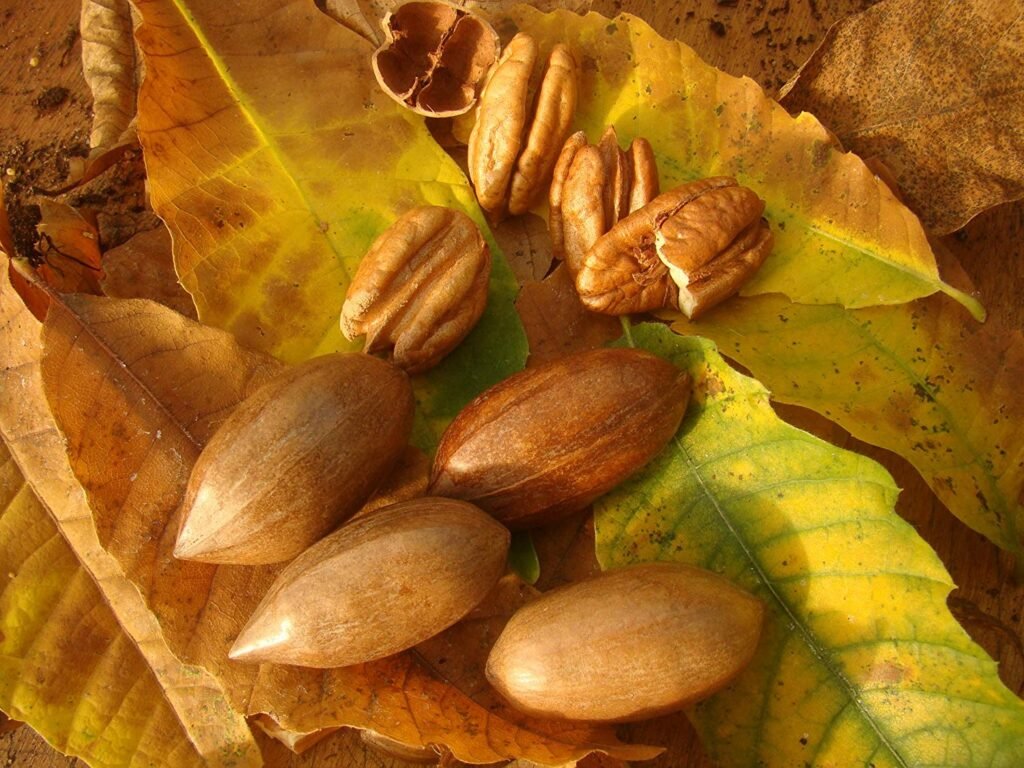
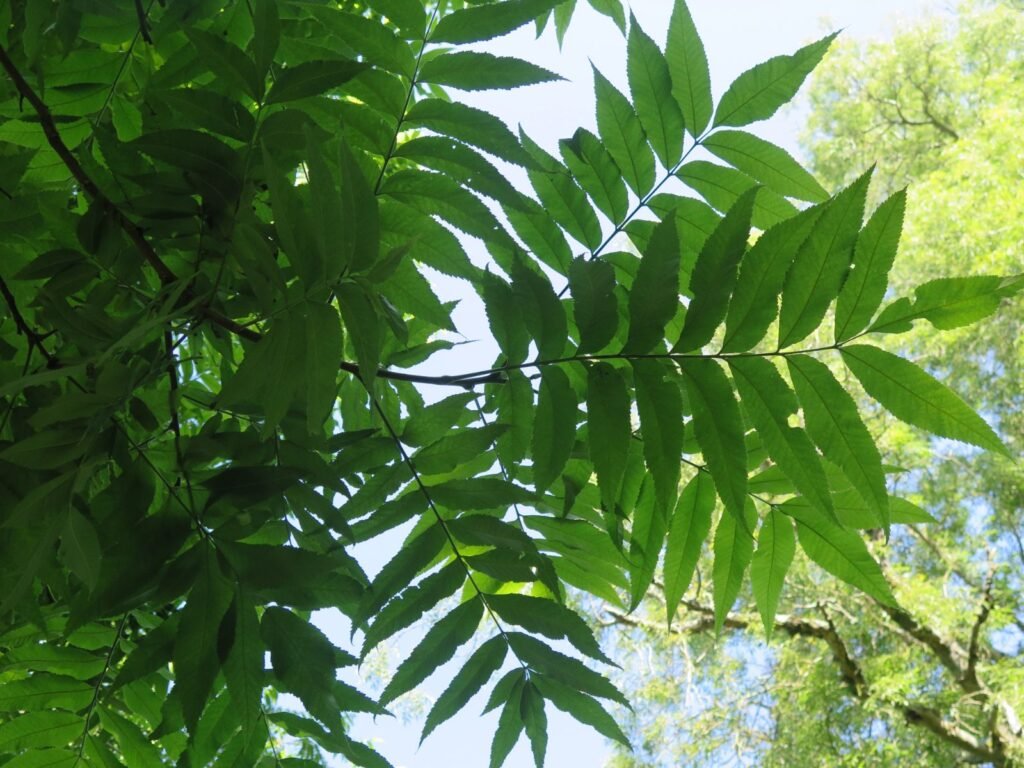
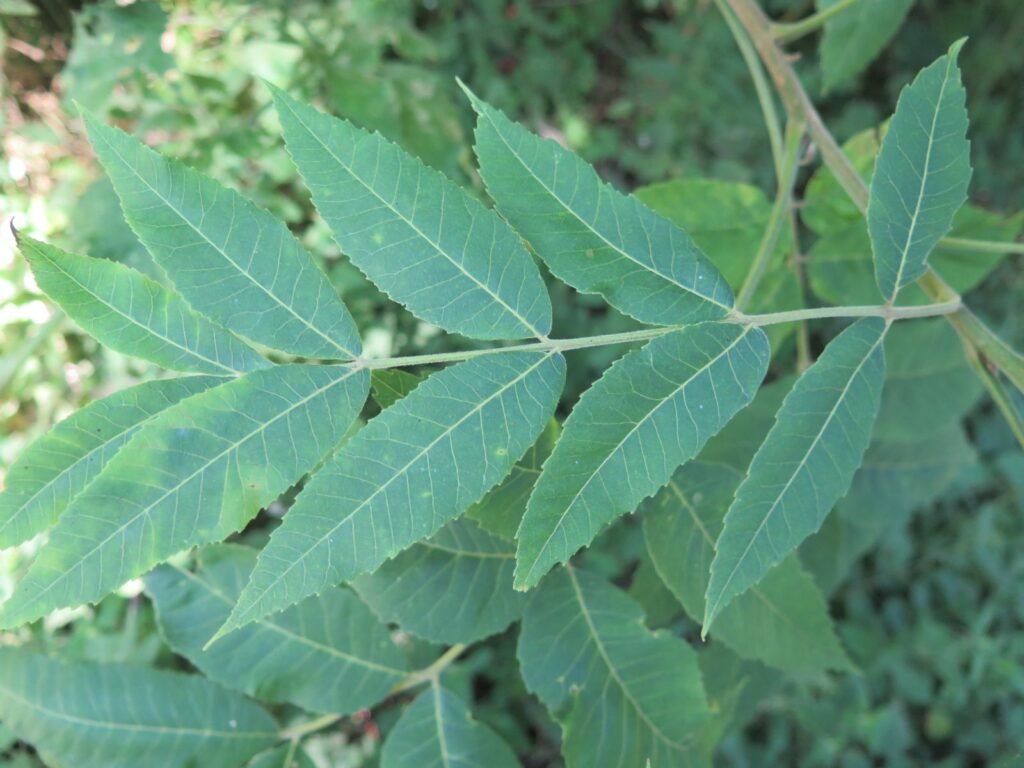


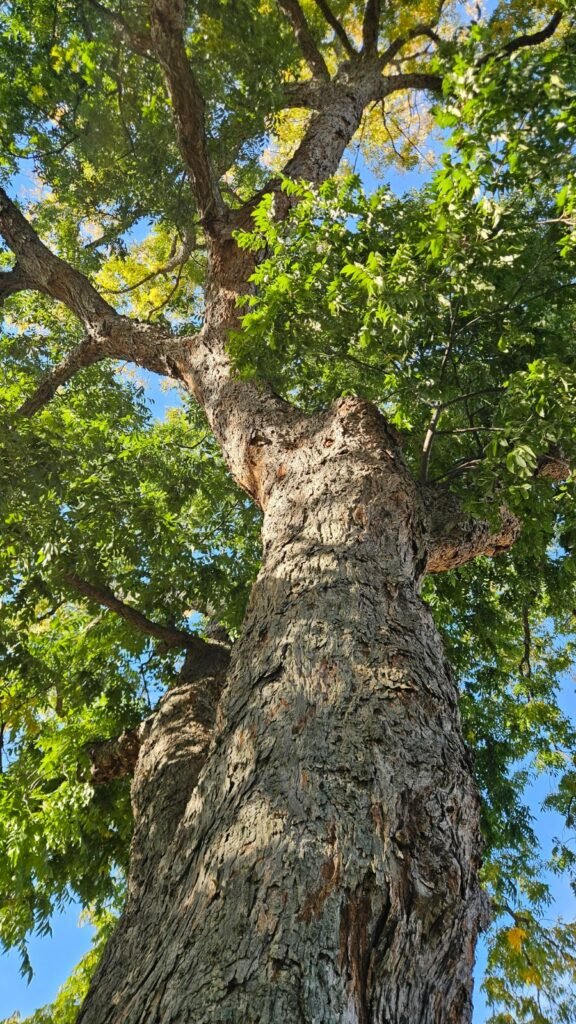

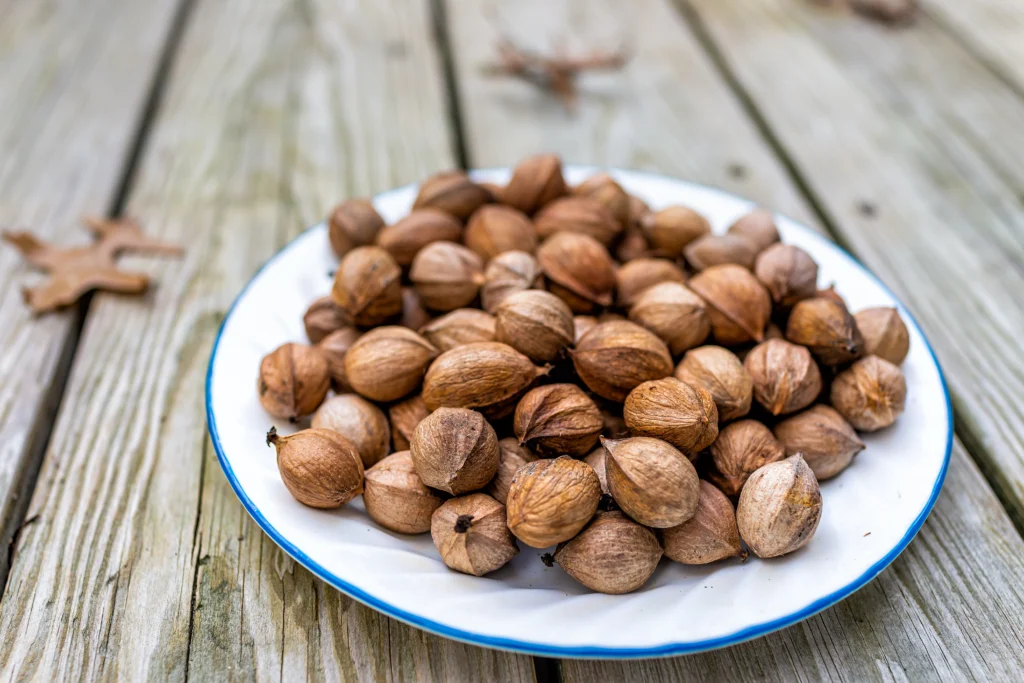
How to Grow & Enjoy Pecan Trees (Carya illinoinensis): Complete Guide to Propagation, Varieties, Uses & Harvesting
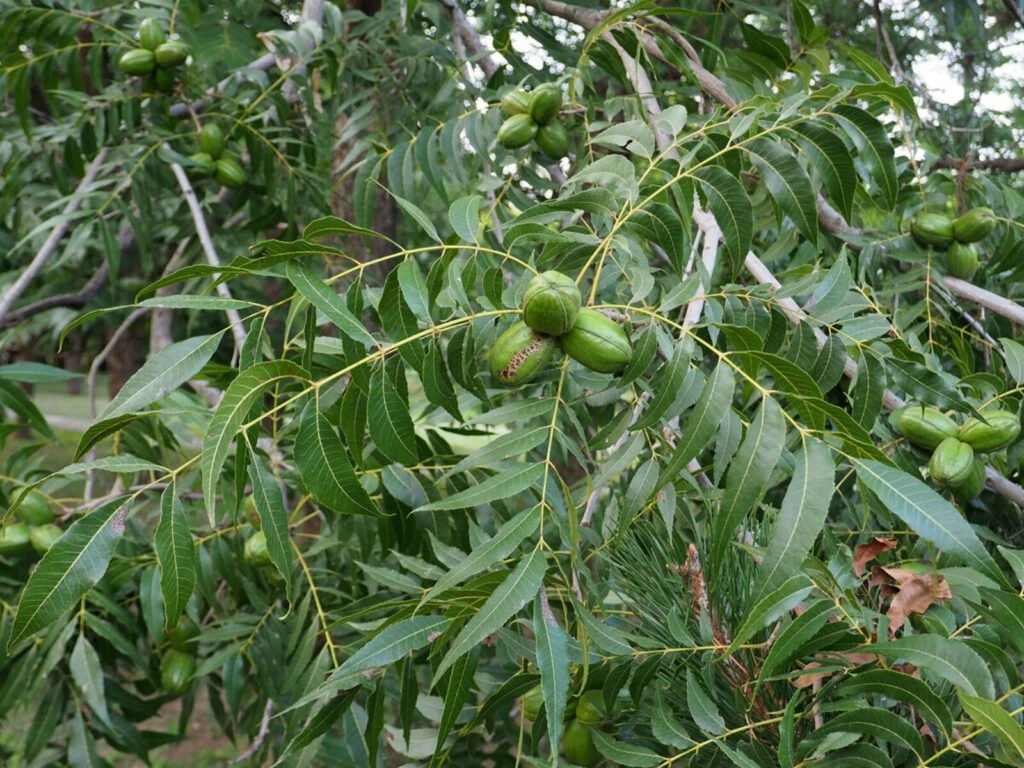
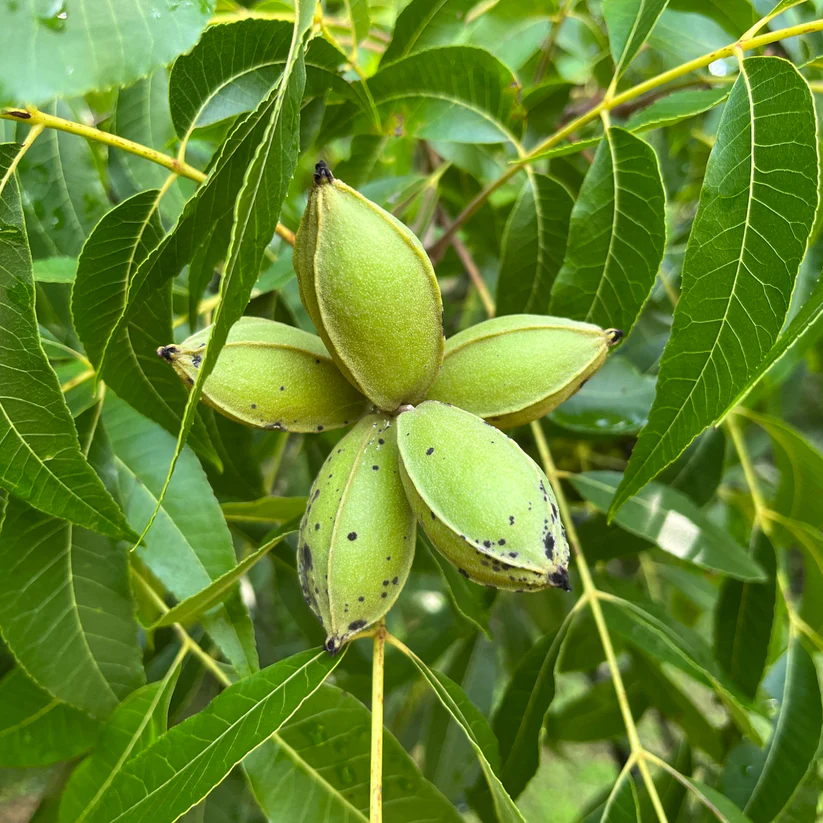
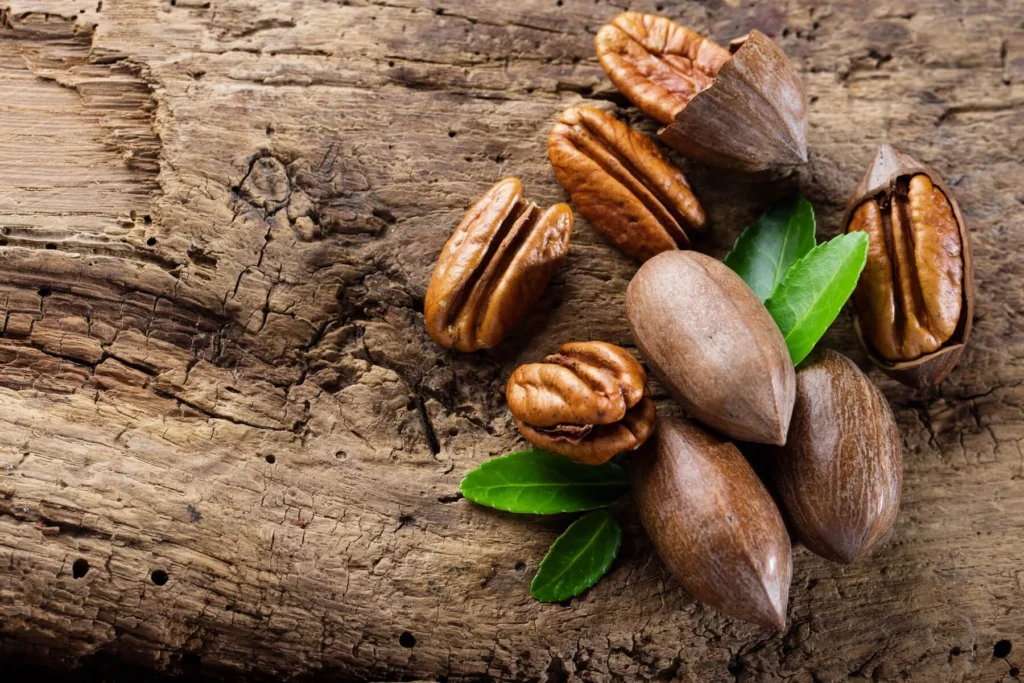
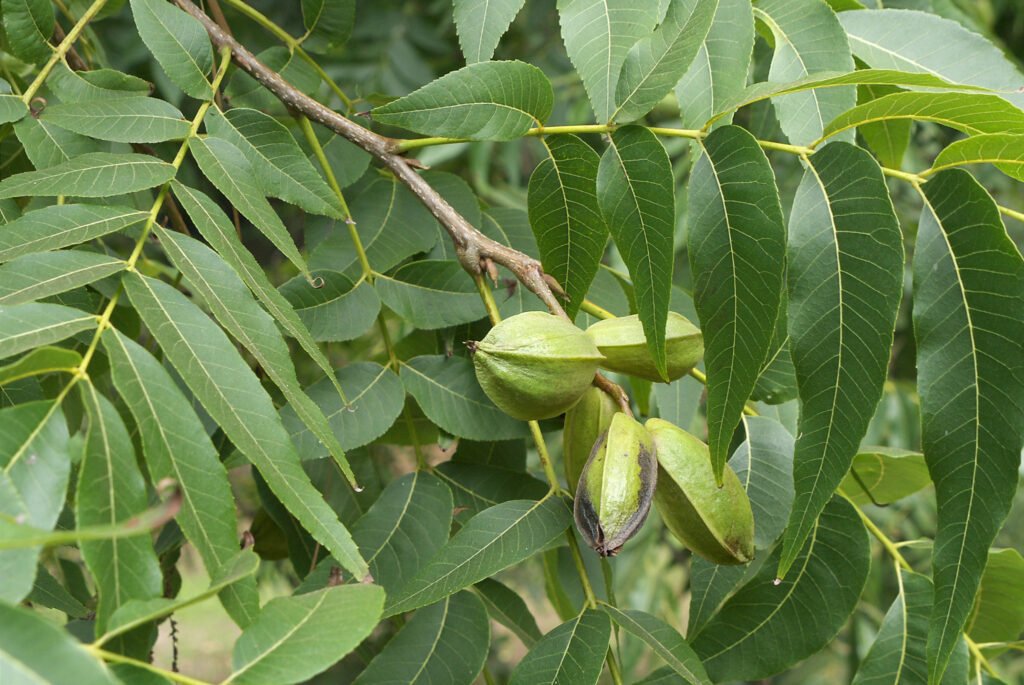
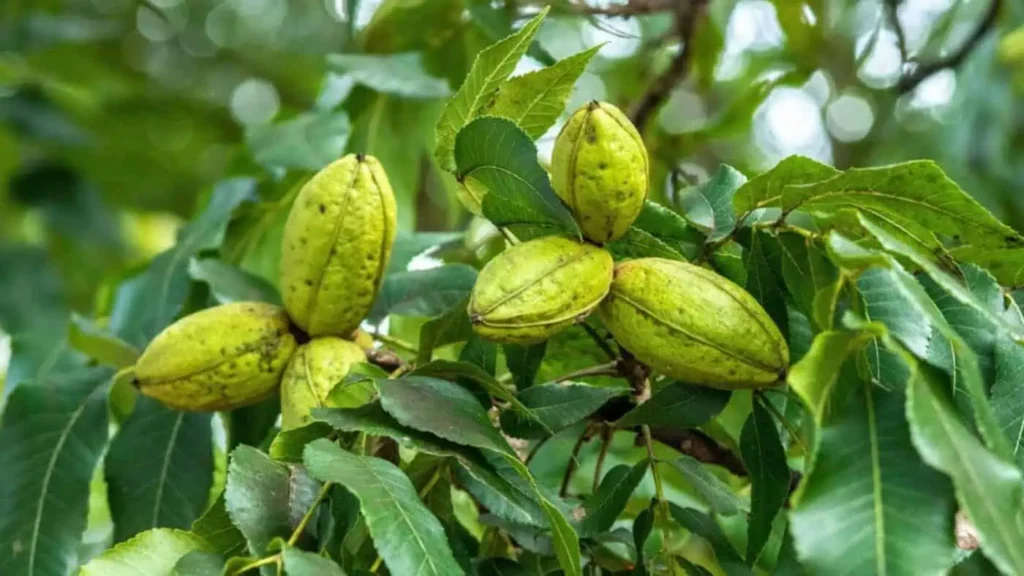
The pecan (Carya illinoinensis) is one of America’s most iconic nut trees—renowned for its buttery flavor, nutritional richness, and centuries of cultivation throughout the southern United States. Beyond culinary fame, the pecan is also a stately landscape tree with long lifespan, deep roots in native ecology, and economic significance across orchard agriculture. Whether grown for food production or backyard shade, pecan trees reward patient gardeners with bountiful yields for generations.
This guide covers everything you need to know about pecans—varieties, growing conditions, propagation, food uses, harvesting, and storage—optimized for both beginners and experienced growers.
What Makes Pecan Trees Special?
Botanical name: Carya illinoinensis
Type: Deciduous, monoecious nut tree
Family: Juglandaceae
Native range: Central & Southern United States
Lifespan: 100–300+ years
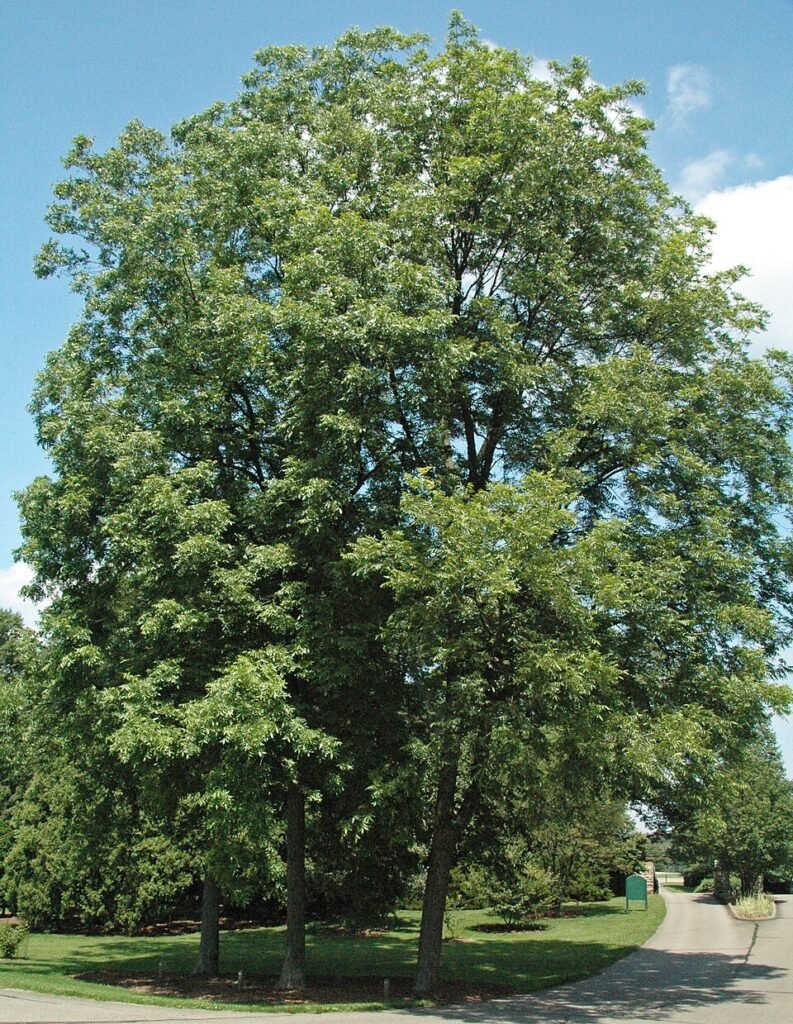
Mature height: 70–120 ft
Growth rate: Moderately fast when young
Pecan trees are wind-pollinated and require both male (catkin) and female flowers for nut formation. Many varieties benefit from cross-pollination, which increases nut size and yields.
Ideal Growing Conditions for Pecans
Pecan trees thrive in warm climates with long frost-free seasons. They are suited to USDA hardiness zones 6–9, though select varieties tolerate zone 5.
Climate
- Long, warm summers boost kernel filling
- Late spring frosts can damage new growth
- Humid summers help nut development
Soil Requirements
Pecans prefer:
- Deep, fertile, well-drained loams
- pH 6.0–7.0 (slightly acidic)
- High organic matter
- Good moisture retention without waterlogging
Sunlight
- Full sun: minimum 6–8+ hours per day
- Shade reduces nut yield and quality
Watering
Young pecans require consistent irrigation. Mature trees thrive with:
- 1–2 inches of water per week during nut formation
- Supplemental irrigation during drought improves nut fill and reduces drop
Propagation Methods: How to Start Pecan Trees
Growing pecan trees can be achieved through several propagation techniques:
1. Growing Pecans from Seed (Nut)
Seedlings are hardy and vigorous but genetically variable.
Best for:
- Rootstock production
- Wildlife planting
- Landscape trees
2. Grafting & Budding
For predictable nut quality and yield, pecans are almost always grafted onto seedling rootstock. Common methods:
- Whip graft
- Patch budding
- Cleft graft
- Bark graft
Grafting allows:
- Disease resistance
- Size control
- Improved nut quality
- Faster bearing
3. Container-Grown or Bare-Root Transplants
Widely available in nurseries. Key tips:
- Plant in late winter to early spring
- Avoid kinked roots
- Stake young trees for stability
Top Pecan Varieties & Their Characteristics
Many varieties are bred for specific climates, disease tolerance, and kernel properties. Popular cultivars include:
For Home Orchards
- Desirable — excellent flavor, large nuts, consistent bearer
- Stuart — classic Southern cultivar, hardy and reliable
- Elliott — small nut but exceptional taste and scab resistance
For Northern/Growth-Limited Regions
- Colby
- Pawnee
- Kanza
- Peruque
These varieties have shorter growing seasons and better cold tolerance.
Commercial Favorites
- Western Schley
- Wichita
- Cheyenne
- Cape Fear
Chosen for orchard efficiency and uniformity.
How to Plant Pecan Trees
- Choose spacing: Pecans need room — 35–60 ft apart for orchard planting
- Prepare soil: Deep tilling improves root penetration
- Plant at same depth: Avoid burying the graft union
- Mulch: Helps retain moisture and suppress weeds
- Avoid heavy fertilization during first year: Encourages root formation rather than excessive foliage
Fertilizing & Nutrient Management
Pecans respond strongly to nitrogen and micronutrients like zinc.
Common deficiencies:
- Zinc — leads to small, deformed leaves and low yield
- Nitrogen — reduced shoot growth and kernel fill
Best practice:
Conduct soil testing before fertilizing to optimize nutrient balance.
Pests & Disease Management
Major challenges include:
- Pecan scab (fungal)
- Aphids
- Weevils
- Hickory shuckworm
Planting resistant cultivars and maintaining air flow through pruning are key organic strategies.
When Pecans Begin to Bear Nuts
Pecans are long-term investments:
- Seedlings: 8–12+ years to first nuts
- Grafted trees: 4–7 years for production
- Full production: 12+ years onward
Once productive, a pecan tree can yield nuts for centuries.
Harvesting Pecans
Harvest typically occurs in autumn (September–November) depending on variety and climate.
Signs of readiness:
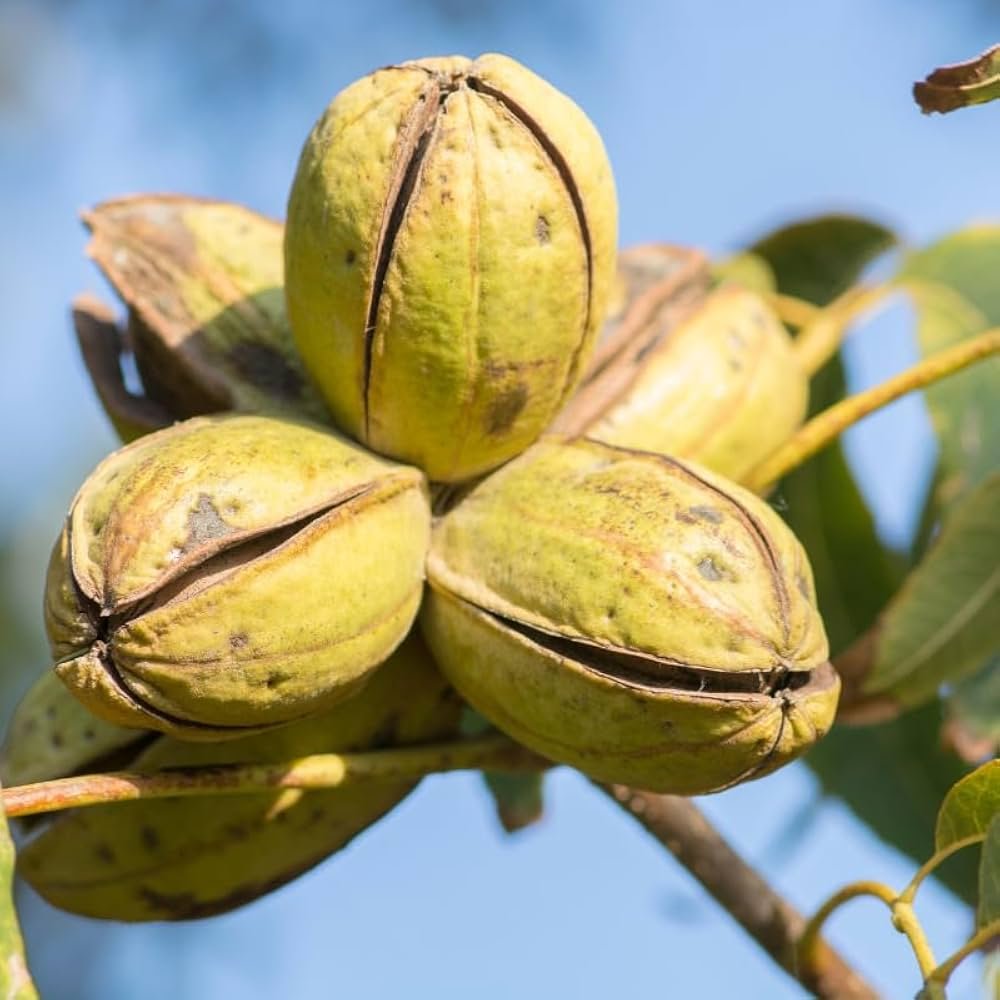
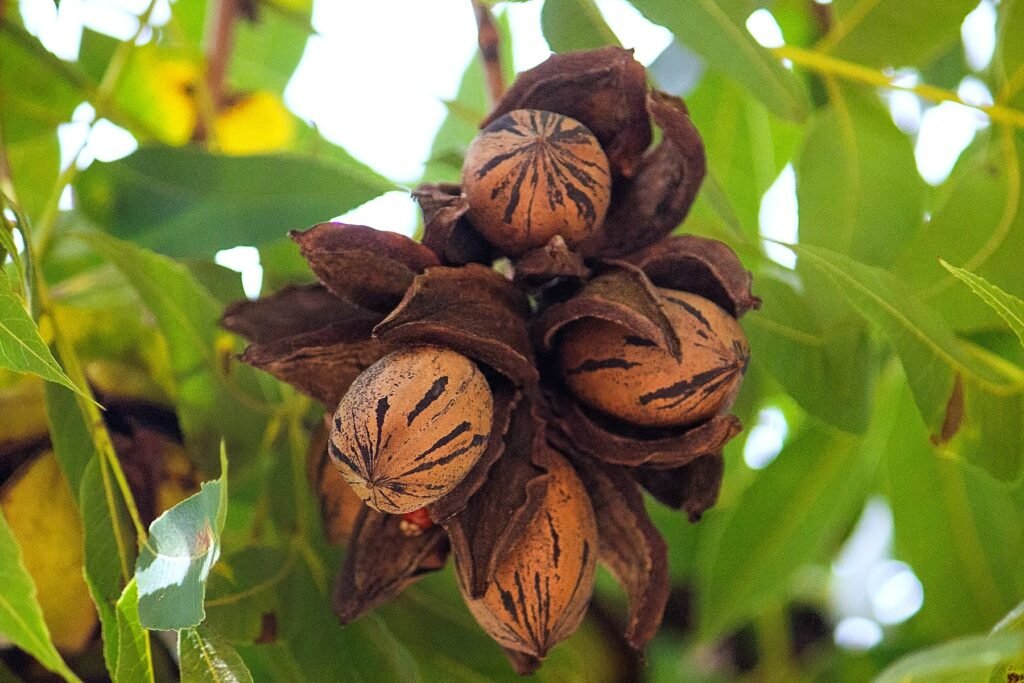
- Hulls split open
- Nuts fall naturally from the tree
- Kernels firm and fully filled
Mechanical shakers are used commercially; homeowners often gather nuts by hand after natural drop.
Post-Harvest Handling
Curing
Fresh pecans require curing for optimal flavor:
- Store in warm, dry, ventilated spaces 1–2 weeks
Storage
Shelled pecans store best:
- Refrigerated for up to 9–12 months
- Frozen for multiple years
High fat content makes pecans prone to rancidity at room temperature.
Food Uses & Culinary Applications of Pecans
Pecans are buttery, sweet, and versatile. They can be:
- Roasted
- Candied
- Spiced
- Ground into flour
- Used in nut butters
- Added to baked goods
- Incorporated into savory dishes
Classic Culinary Pairings
- Maple
- Bourbon
- Chocolate
- Brown butter
- Pumpkin
- Sweet potato
Popular Foods Featuring Pecans
- Pecan pie (traditional Southern dessert)
- Pralines
- Pecan-crusted chicken or fish
- Granola & trail mixes
- Salads & roasted vegetables
Nutritional Benefits
Pecans are nutrient-dense and rich in:
- Monounsaturated fats
- Fiber
- Vitamin E
- Manganese
- Copper
- Antioxidants
These nutrients support heart health, inflammation control, and blood sugar regulation.
Beyond Food: Other Uses of Pecans
Pecan wood is valued for:
- Furniture making
- Flooring
- Smoking meats
- Carving and turning projects
The trees also provide:
- Wildlife support
- Shade
- Soil stabilization
Final Thoughts: Why Grow Pecans?
Growing pecan trees is a long-term investment that rewards patience. With proper care and variety selection, a single tree can nourish families, wildlife, and ecosystems for generations. Whether planted for shade, nuts, or culinary creativity, pecans remain one of the most charming and valuable nut trees in North America.


&media=https://food-foresting.com/wp-content/uploads/2026/01/different-types-of-pecans-explained-img.webp)