
 paulius.mikoliunas1
| Common Name | Siberian Filbert |
| Family | Betulaceae |
| USDA hardiness | 4-8 |
| Known Hazards | None known |
| Habitats | Wood margins and mountain slopes, forming dense thickets from E. Mongolia to N. China. |
| Range | E. Asia – China, C. Japan. |
| Edibility Rating |   (3 of 5) (3 of 5) |
| Other Uses |   (4 of 5) (4 of 5) |
| Weed Potential | No |
| Medicinal Rating |   (1 of 5) (1 of 5) |
| Care (info) |     |
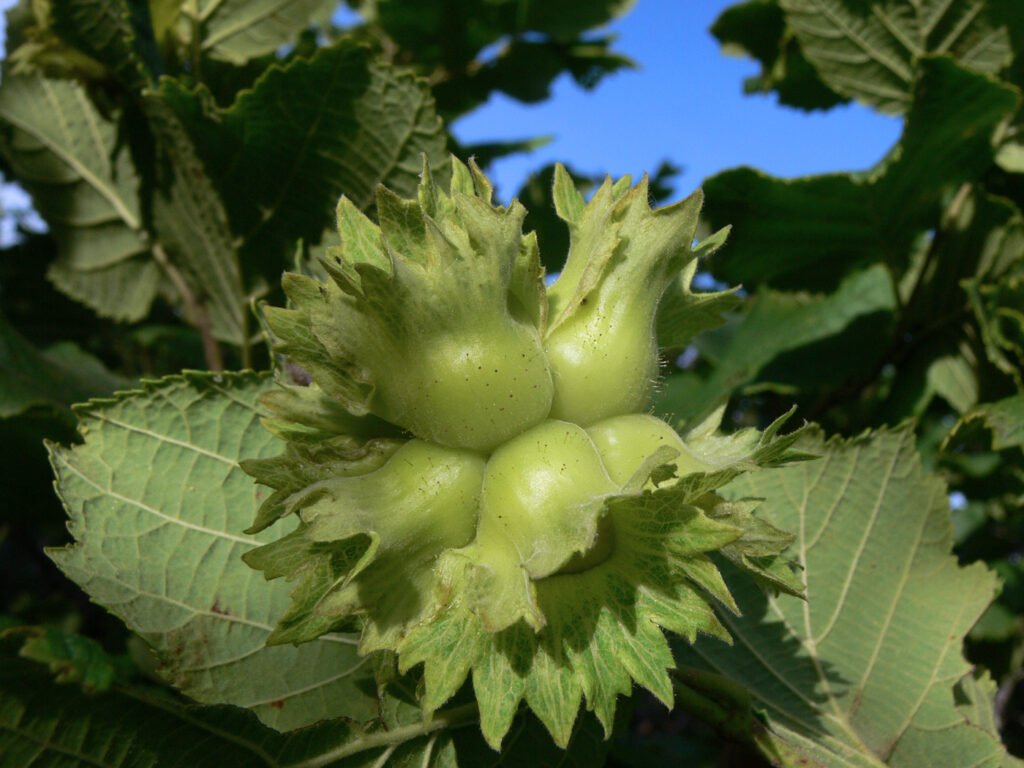
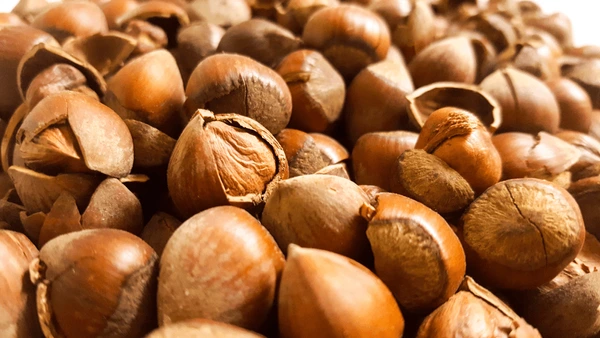
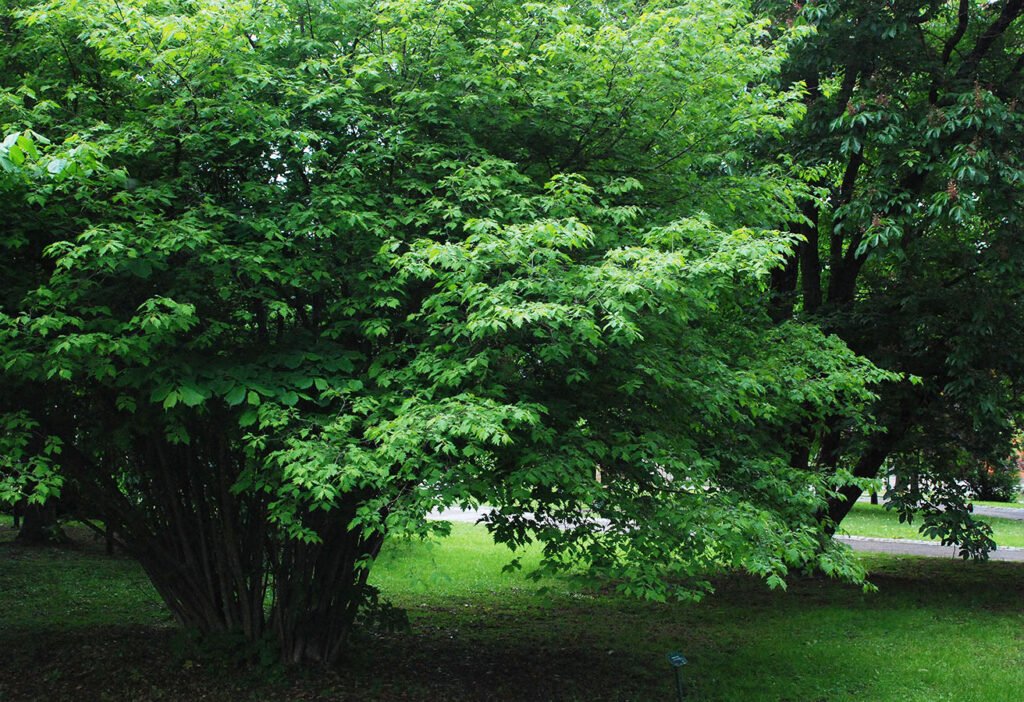
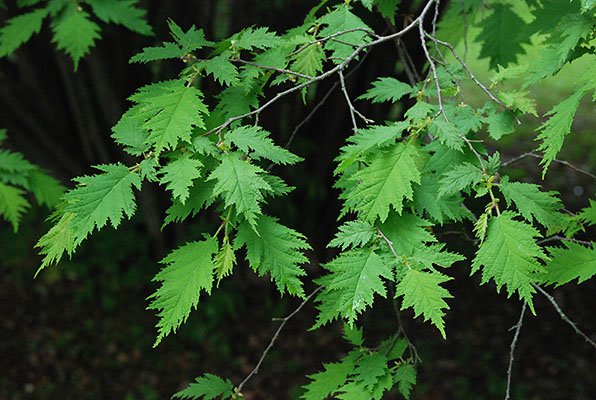

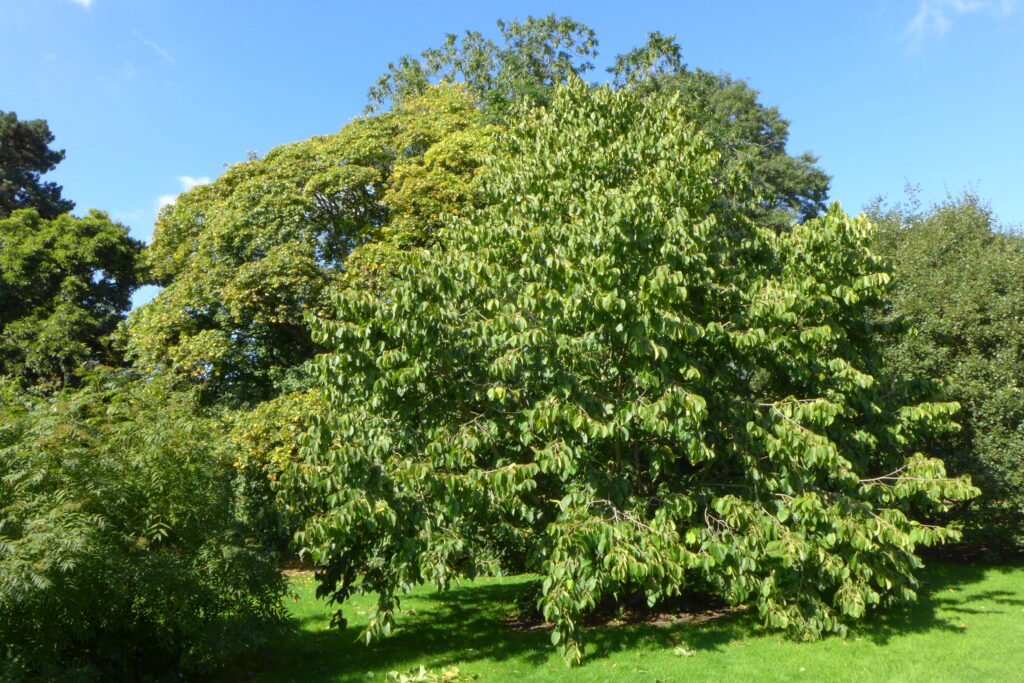
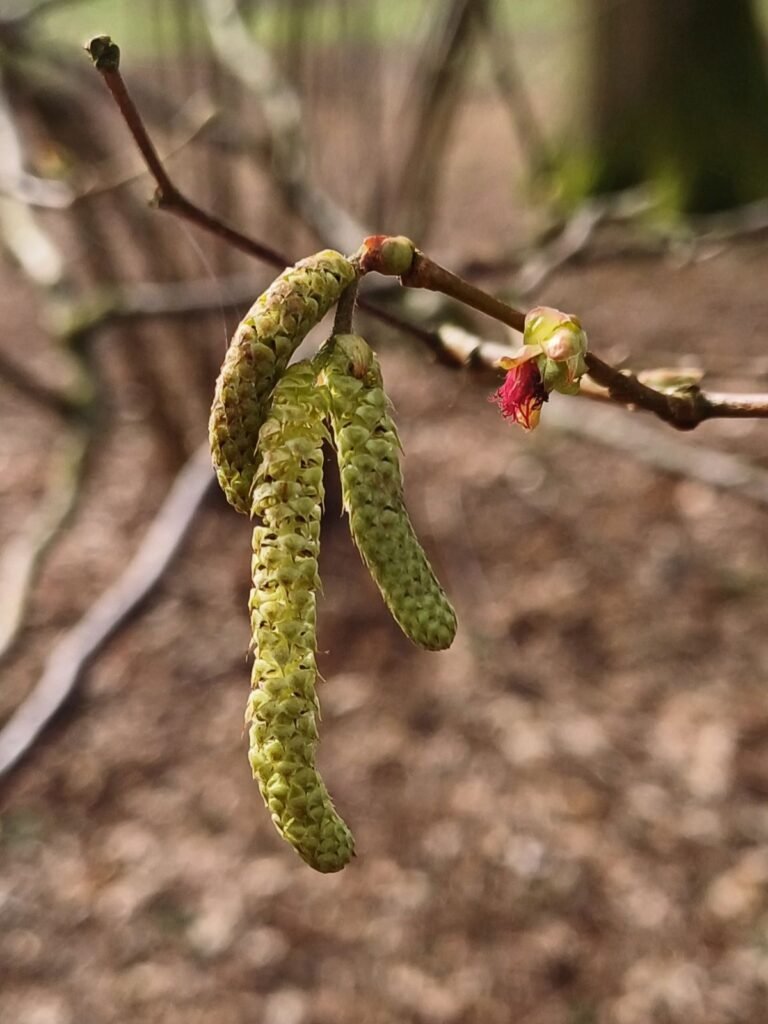

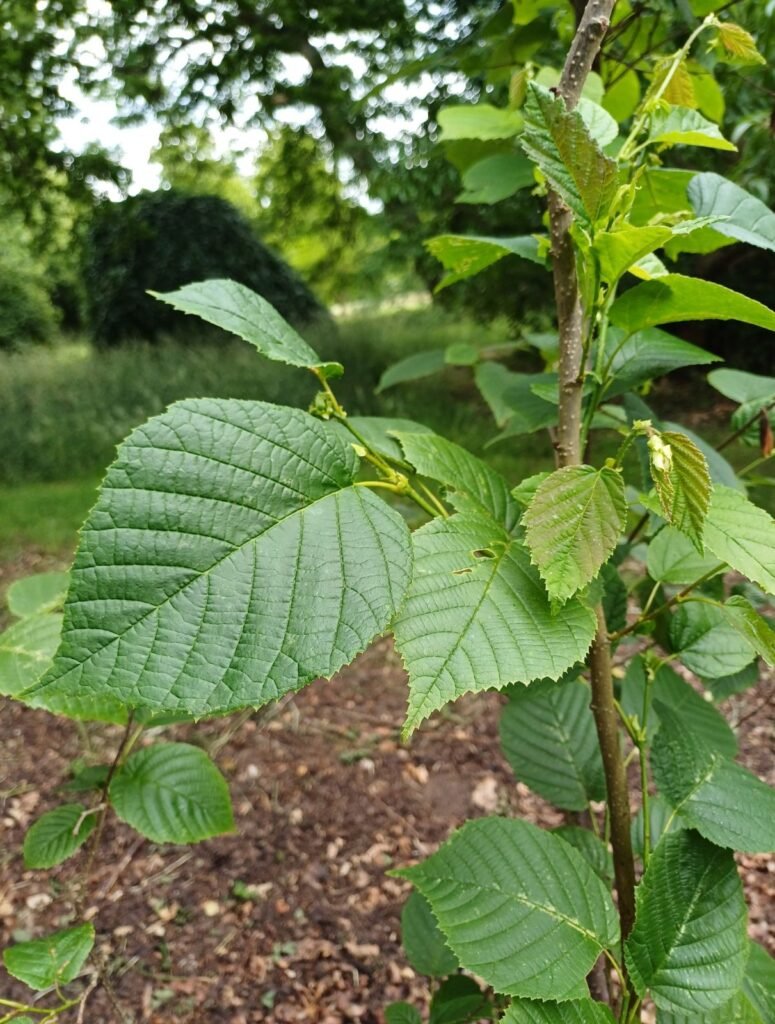
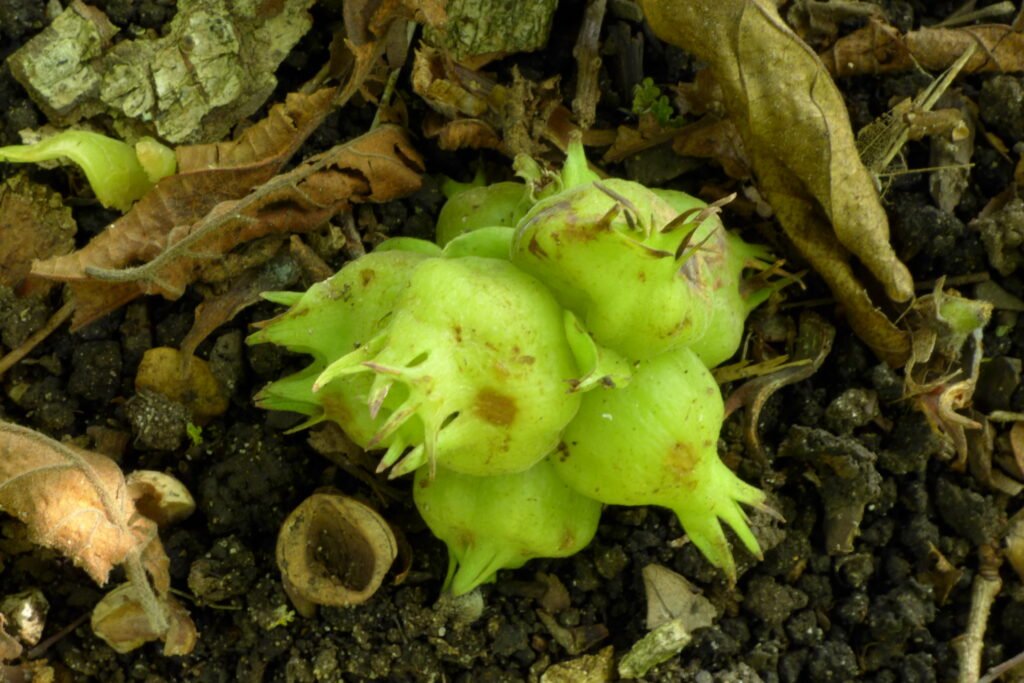
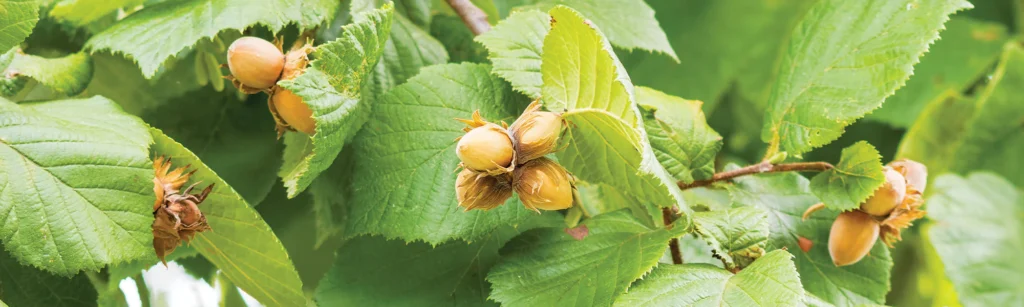

Siberian Filbert (Corylus heterophylla): Growing, Propagation, Varieties, Uses, Culinary Value & Harvest Guide
Siberian Filbert, botanically known as Corylus heterophylla, is a cold-hardy hazelnut species native to Northeast Asia. It’s prized for its adaptability to extreme climates, dependable yields, and nutrient-dense nuts. For gardeners, homesteaders, and agroforestry enthusiasts, it’s a resilient and multifunctional nut tree that thrives where more delicate hazelnut species struggle.
Below is a comprehensive guide to growing, propagating, selecting varieties, and using Siberian Filbert, including how to incorporate it into food and how to harvest nuts efficiently.
What Makes Siberian Filbert Unique?
Siberian Filbert is valued for several traits:
✔ Cold Hardiness — survives temperatures that routinely fall below −30°C (−22°F).
✔ Compact Growth Habit — small tree/shrub shape (2–4 m) suitable for smaller spaces.
✔ Fast Fruiting — can begin nut production within 3–4 years.
✔ Low Maintenance — tolerant of poor soils, drought, and browsing wildlife.
✔ Edible Crop — nuts are sweet, oily, and nutrient rich.
For regions with cold winters such as Siberia, Mongolia, Northern China, Northern Europe, Central Canada, and the Northern United States, this species can offer consistent nut harvests where European or American hazelnuts may fail.
Ideal Growing Conditions
Climate
- Thrives in temperate and cold continental climates.
- Requires cold winter dormancy for healthy budding and production.
- Performs well in USDA Hardiness Zones roughly 3–7 (varies by cultivar).
Soil Preferences
Siberian Filbert tolerates poor soils but performs best in:
- pH 6.0–7.5
- Well-drained loam or sandy loam
- Moderate organic matter content
Avoid heavy clay or saturated soils to prevent root rot.
Sun Exposure
- Full sun (6–8 hours/day) enhances nut yield and kernel size.
- Tolerates partial shade, but yield is reduced.
Planting Siberian Filbert
Spacing
- For nut production: 3–4 m between plants.
- For hedges/windbreaks: 1.5–2 m spacing.
Planting Season
- Spring or autumn planting works well.
- Fall planting is ideal for dormant roots and reduced stress.
Pollination Requirement
Like most hazelnuts, Siberian Filbert benefits from cross-pollination.
Plant 2–3 genetically distinct shrubs for improved nut set.
Propagation Methods
Propagation can be achieved through:
1. Seeds
- The easiest and most common method.
- Seeds require cold stratification for 90–120 days.
- Seedlings may vary genetically, producing diversity in nut size and flavor.
2. Layering
- Air layering or ground layering works well due to flexible branches.
- Produces clones identical to the parent plant.
3. Grafting
- Used when high-quality selections need uniformity.
- Often grafted onto other hazel species to enhance vigor.
4. Suckers
- Plants naturally produce root suckers that can be divided and transplanted.
Varieties & Regional Selections
While Siberian Filbert is a species rather than a single variety, several improved strains exist. Breeders have selected for:
- Larger nut size
- Higher kernel-to-shell ratio
- Better disease resistance
- Earlier ripening
Common selection categories include:
Wild-Type Local Selections
Adapted to colder inland climates and harsher soils.
Hybrid Hazelnuts
Crosses with:
- Corylus avellana (European hazel) for flavor & size
- Corylus americana (American hazel) for disease resistance
- Corylus cornuta (Beaked hazel) for cold hardiness
These hybrids balance nut quality with cold adaptability, making them attractive for commercial and homestead growers.
Care & Maintenance
Pruning
- Remove suckers to maintain a tree-like form.
- Leave some suckers if a hedge or thicket is desired.
- Winter pruning encourages strong structure.
Watering
- Moderate watering through establishment.
- Mature shrubs handle drought well.
Fertilization
- Compost or well-rotted manure in early spring supports spring bloom.
- Avoid heavy nitrogen, which favors leaves over nuts.
Pests & Diseases
Generally resilient, but occasionally affected by:
- Hazelnut weevils
- Aphids
- Squirrels (most significant “pest”)
Disease issues are minimal compared to European hazel.
Culinary Uses & Nutritional Value
Siberian Filbert nuts are oily, sweet, and aromatic, making them versatile in the kitchen.
Nutritional benefits
High in:
- Healthy fats
- Protein
- Vitamin E
- Magnesium
- Antioxidants
Food & Culinary Applications
Common ways to enjoy the nuts:
✔ Raw or roasted
✔ Nut butter
✔ Confections & baking
✔ Chocolate + hazelnut spreads
✔ Nut flour for pastries & breads
✔ Pressed oil for cooking or cosmetics
The leaves and husks have been traditionally used in herbal medicine and natural dyes.
Non-Edible & Homestead Uses
Beyond food, Siberian Filbert offers multifunctional value:
- Windbreaks & hedges
- Wildlife habitat
- Agroforestry & permaculture plantings
- Pollinator support, especially early spring catkins
- Fuelwood, as stems coppice reliably
- Biohazel oil, for niche markets
When & How to Harvest
Harvest Timing
- Nut ripening typically occurs late August to early October, depending on region and cultivar.
Signs of Maturity
Look for:
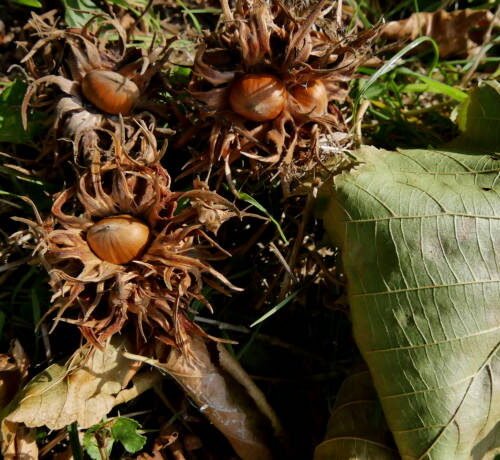
- Husk browning and loosening
- Nuts dropping naturally
- Full kernel development (assess by shaking)
Processing
After harvesting:
- Remove husks
- Air dry for 1–2 weeks
- Store in cool, dry place
Drying improves flavor and shelf-life.
Yield Expectations
A mature Siberian Filbert shrub can produce:
- 1–3 kg of nuts annually under average conditions
- Higher yields with hybrid plantings and improved pollination
Who Should Grow Siberian Filbert?
This species suits:
- Cold climate gardeners
- Permaculture designers
- Edible landscape planners
- Small orchards
- Homesteads and off-grid growers
- Wildlife conservation plantings
It’s especially appealing for those seeking resilient and perennial food crops.
Final Thoughts
Siberian Filbert (Corylus heterophylla) is a cold-tolerant, productive, and adaptable nut species that provides both nutritional value and ecological benefits. Its versatility in propagation, culinary use, and land management makes it an outstanding choice for modern regenerative agriculture and resilient home gardens.


&media=https://food-foresting.com/wp-content/uploads/2026/01/closeup-dried-cooked-hazelnut-600nw-1137165539.webp)