
 paulius.mikoliunas1
| Common Name | Oleaster, Russian olive |
| Family | Elaeagnaceae |
| USDA hardiness | 2-7 |
| Known Hazards | None known |
| Habitats | By streams and along river banks to 3000 metres in Turkey. |
| Range | Europe to W. Asia, extending as far north as latitude 55° in Russia. |
| Edibility Rating |   (4 of 5) (4 of 5) |
| Other Uses |   (4 of 5) (4 of 5) |
| Weed Potential | Yes |
| Medicinal Rating |   (2 of 5) (2 of 5) |
| Care (info) |     |
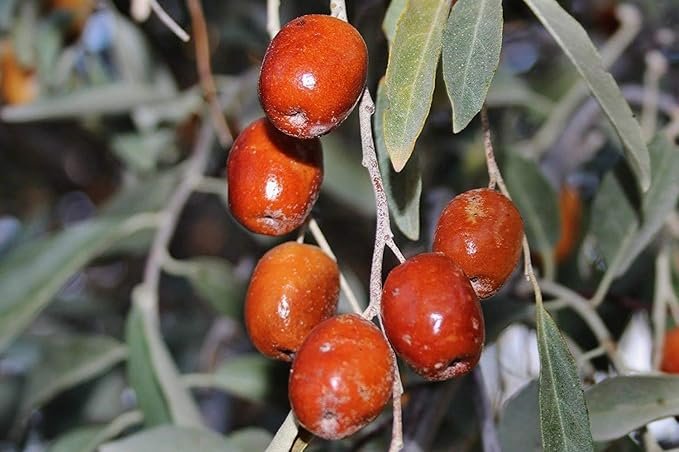
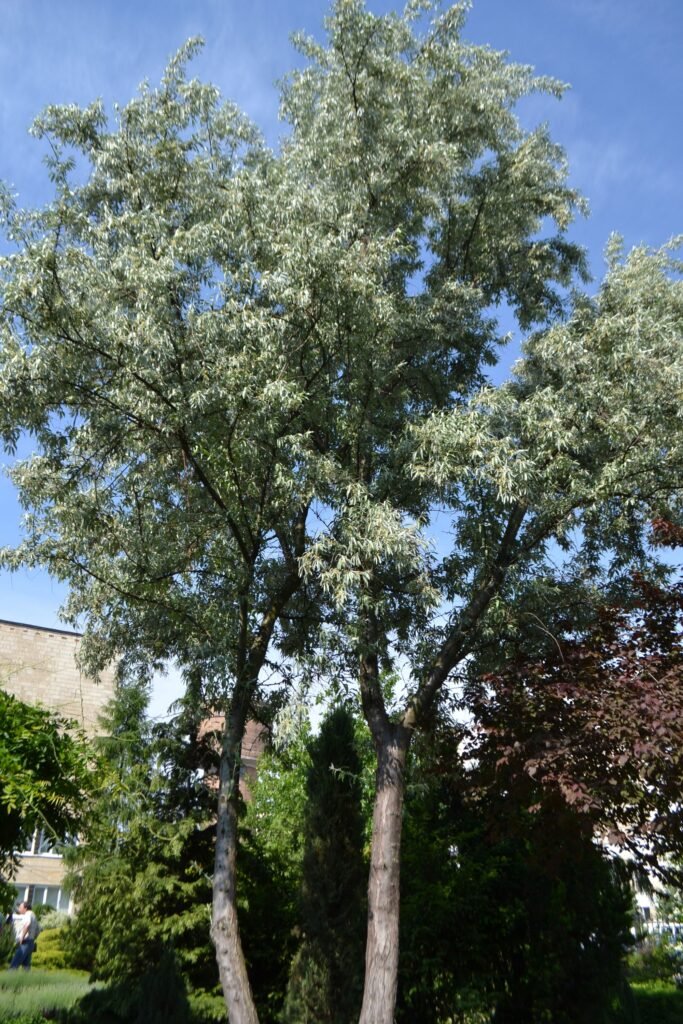
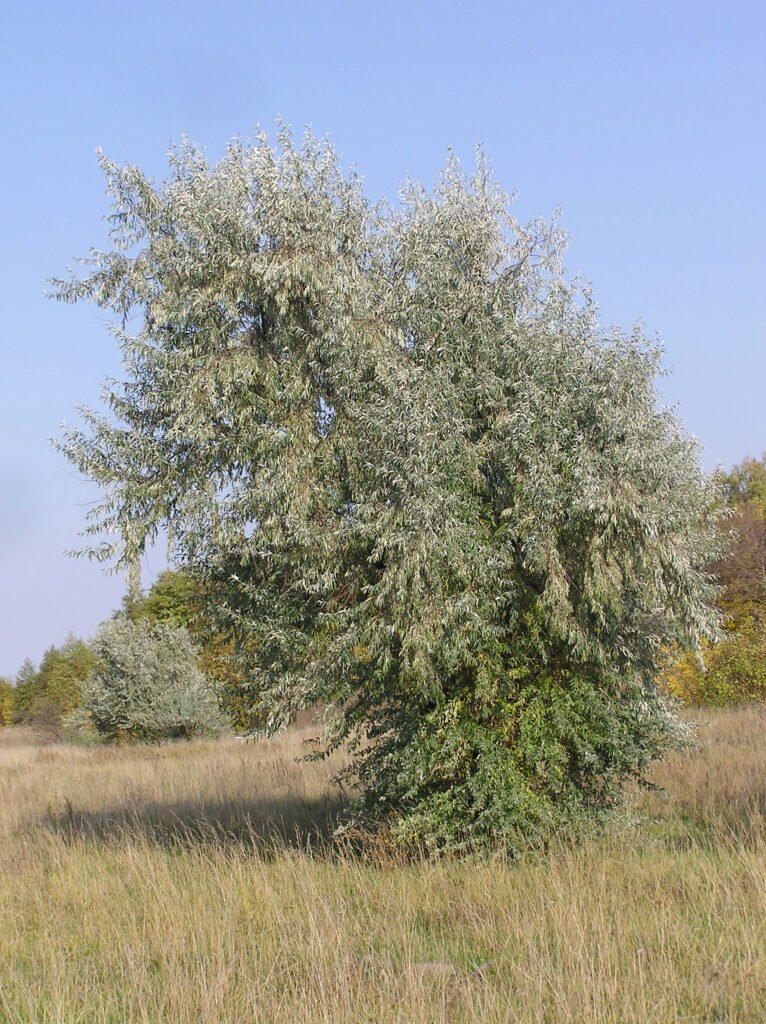
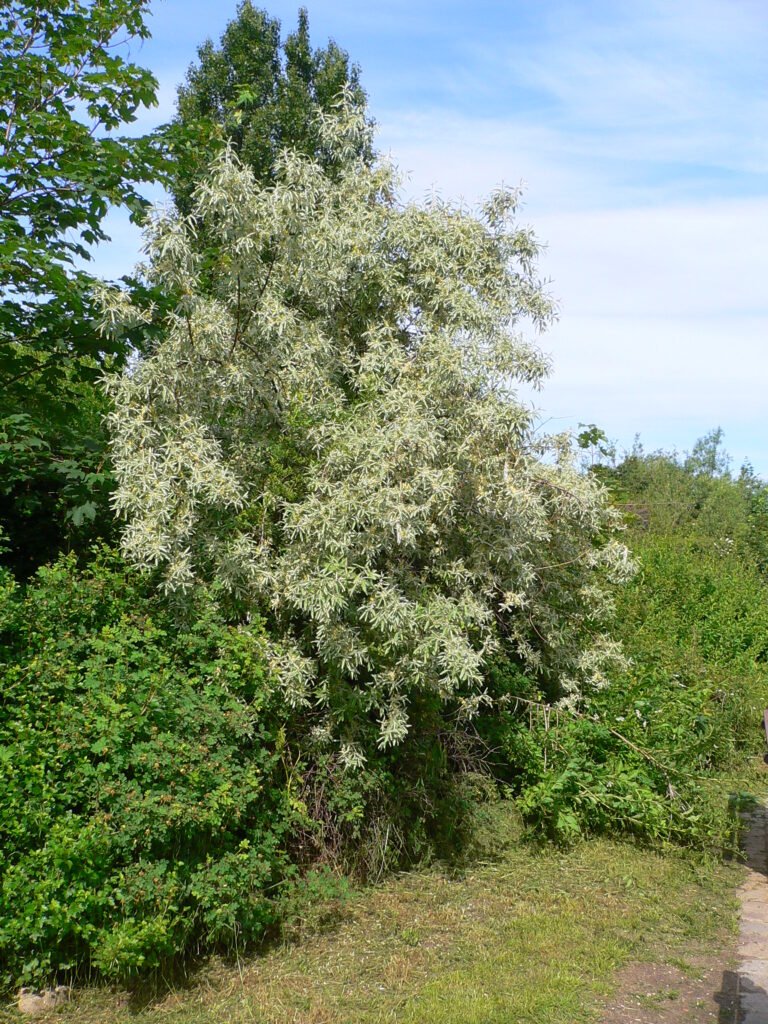
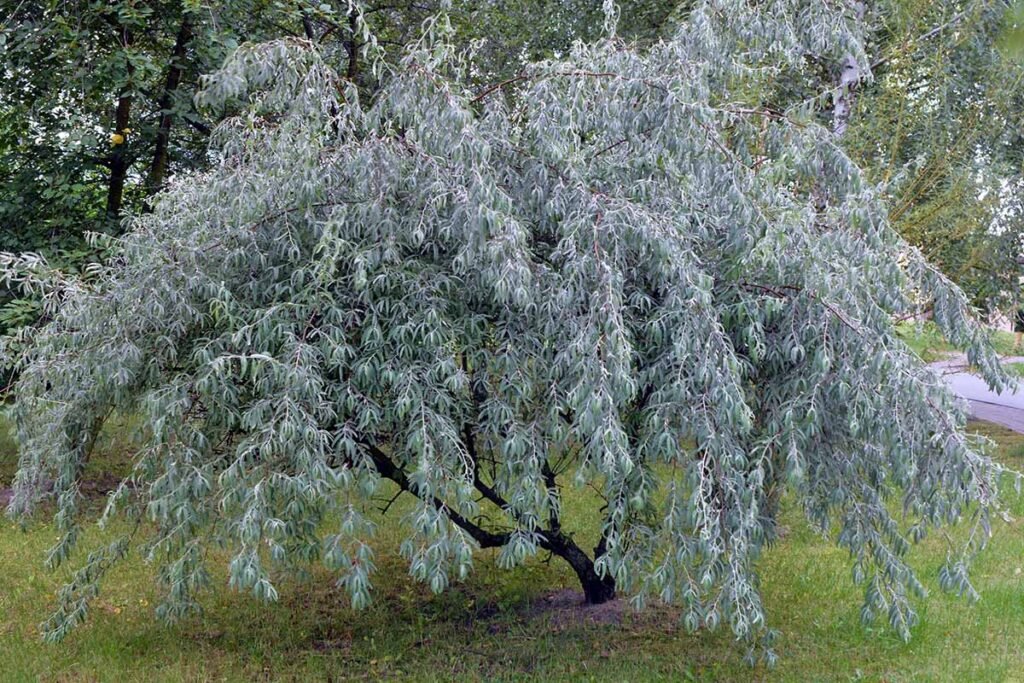
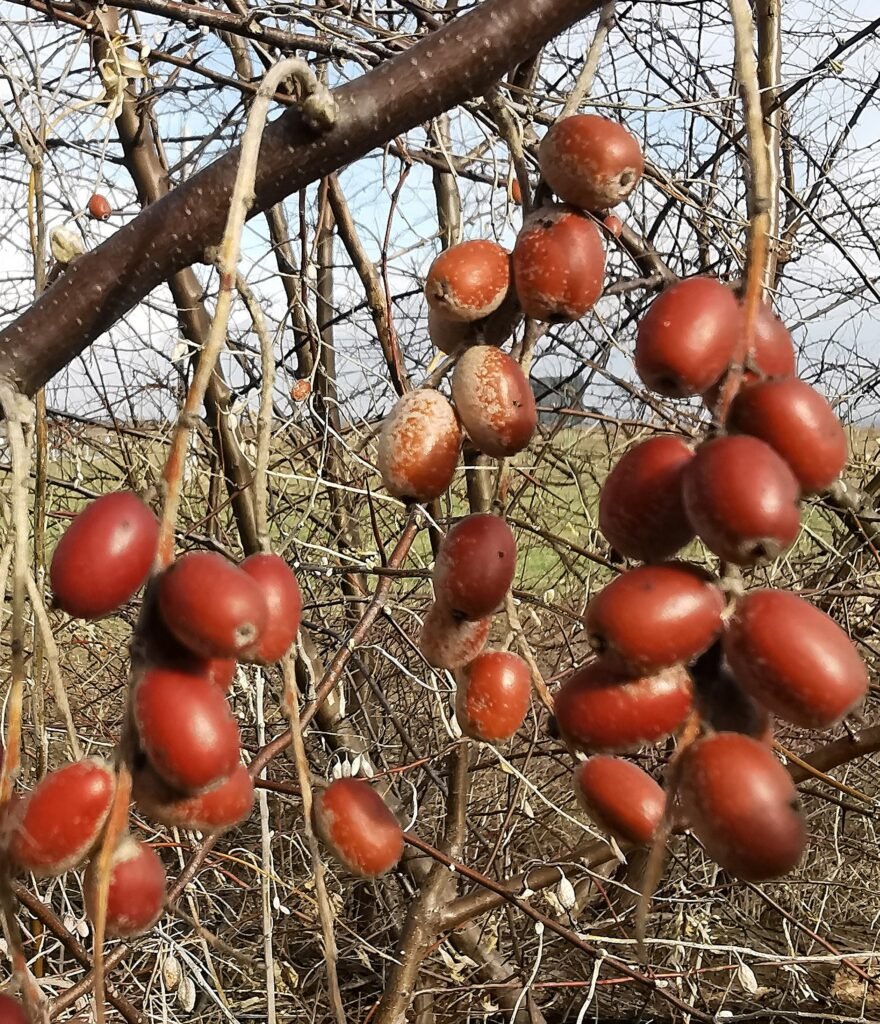
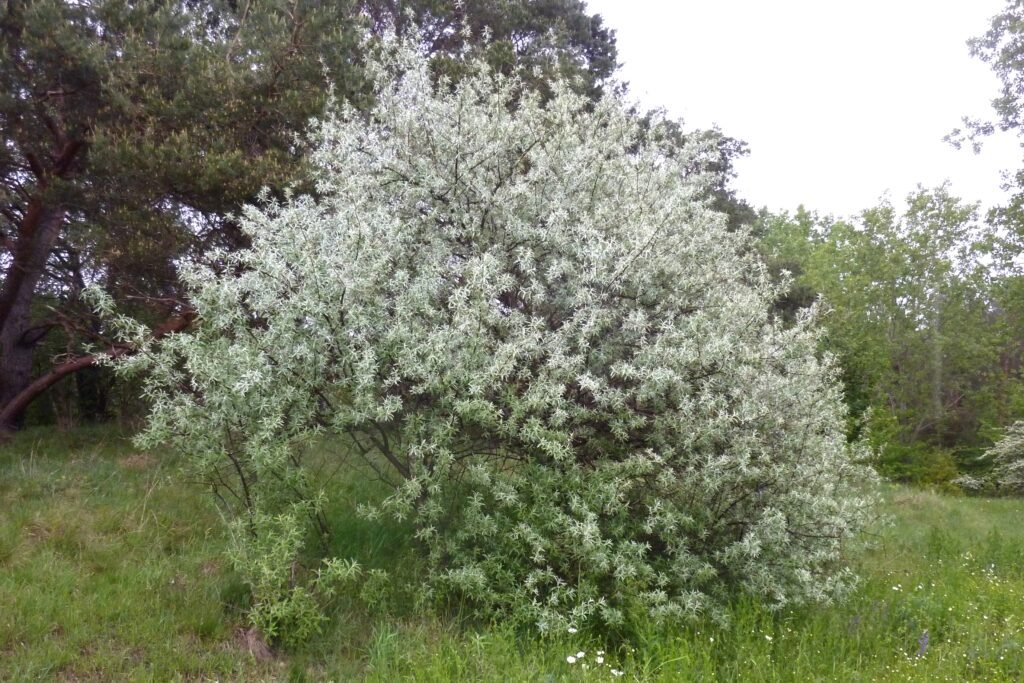
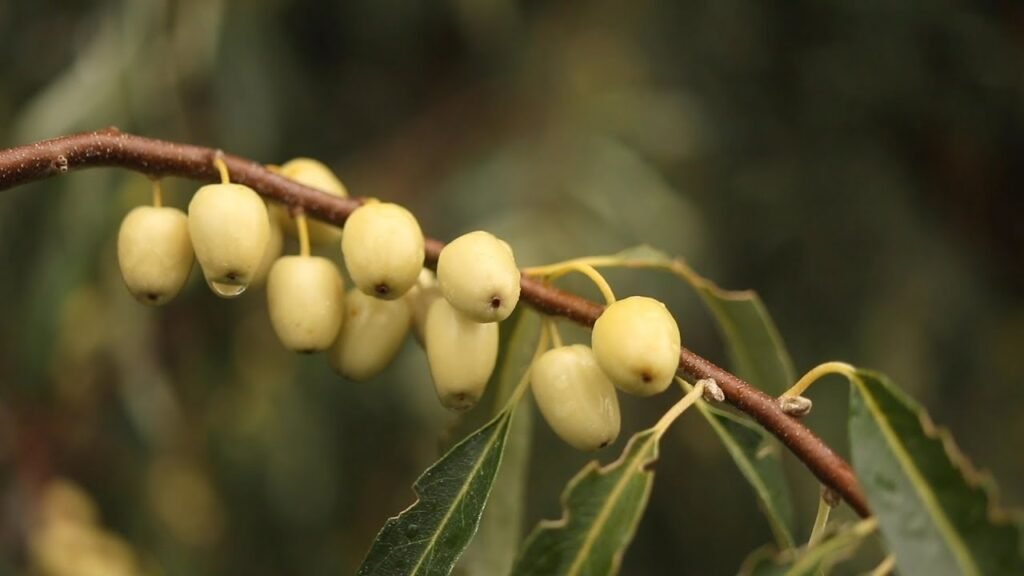
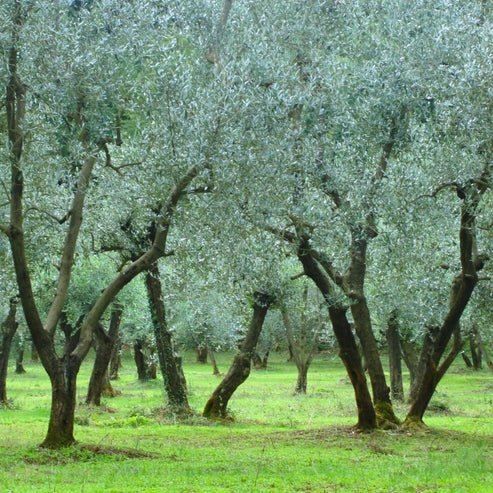
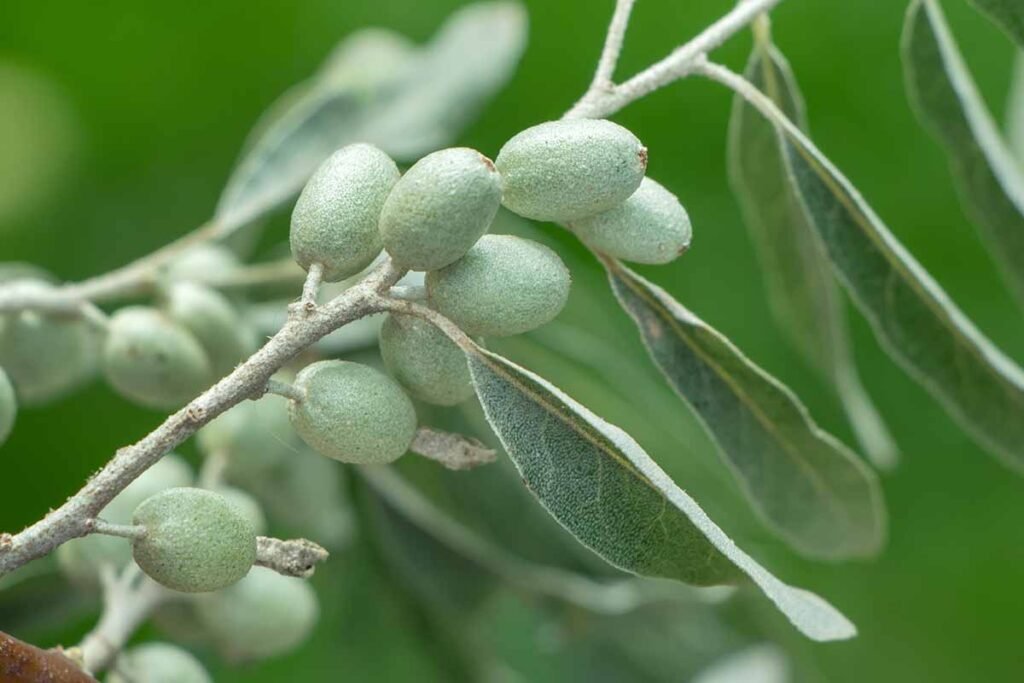
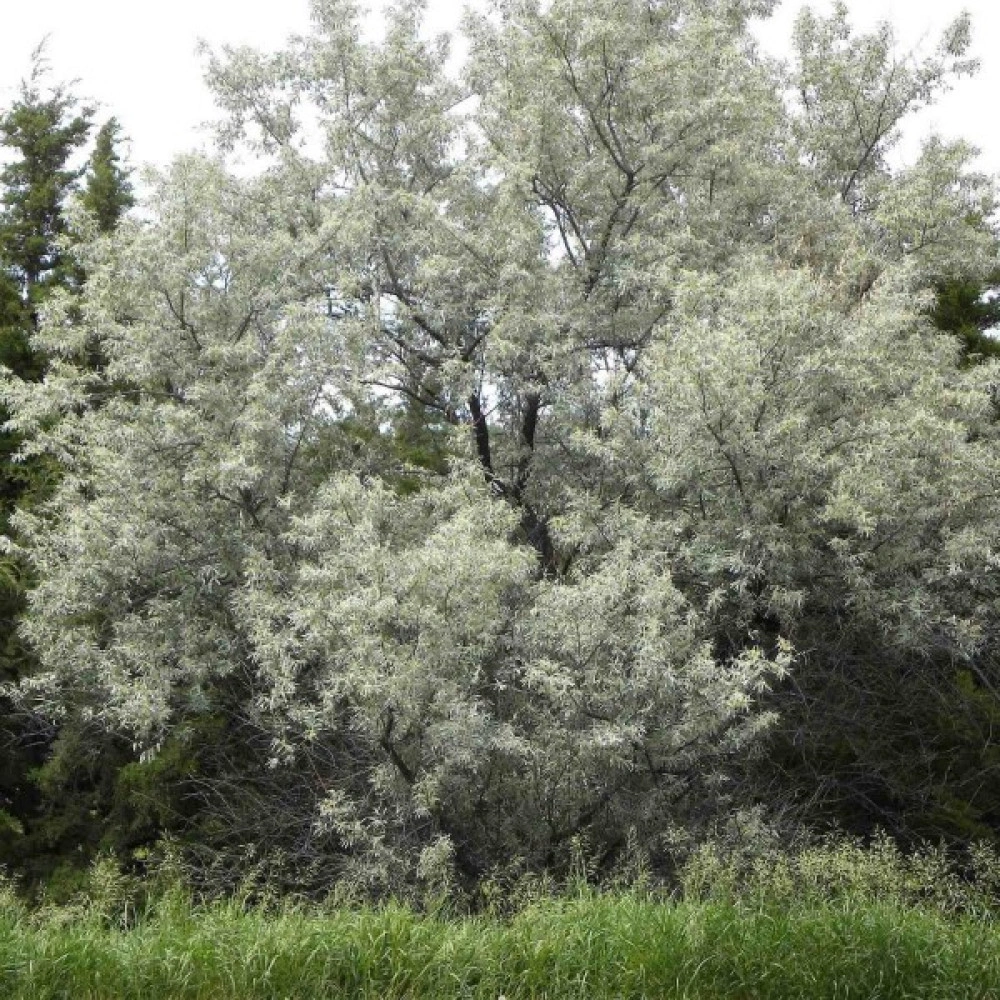
Russian Olive (Elaeagnus angustifolia): Complete Guide to Growing, Propagating, Harvesting, and Using This Hardy Tree
Russian olive (Elaeagnus angustifolia) is a resilient, fast-growing deciduous tree valued for its silvery foliage, fragrant flowers, drought tolerance, and edible fruit. Native to parts of Eastern Europe and Central Asia, it has been widely planted across dry and temperate regions for windbreaks, erosion control, wildlife habitat, and traditional food uses.
This in-depth guide explores how to grow Russian olive successfully, propagate it, identify common varieties, harvest its fruit, and use it for food and practical purposes.
What Is Russian Olive?
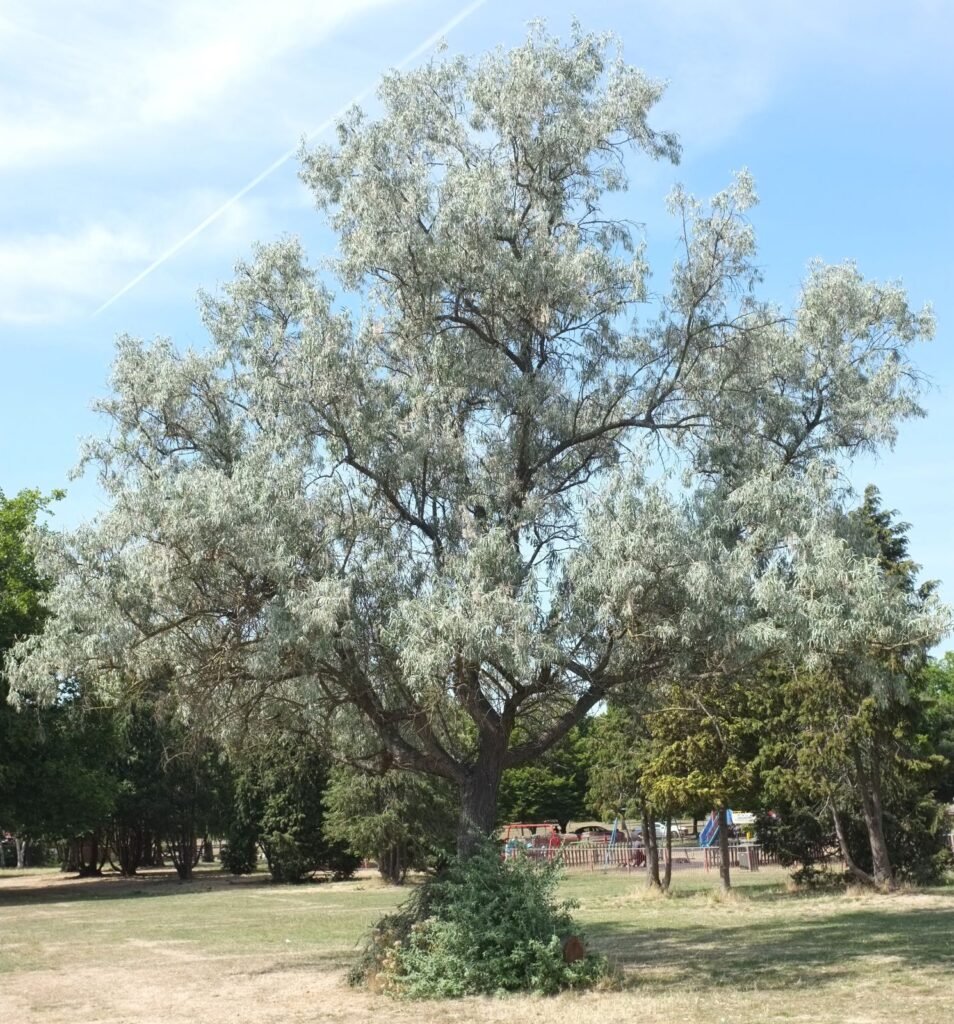
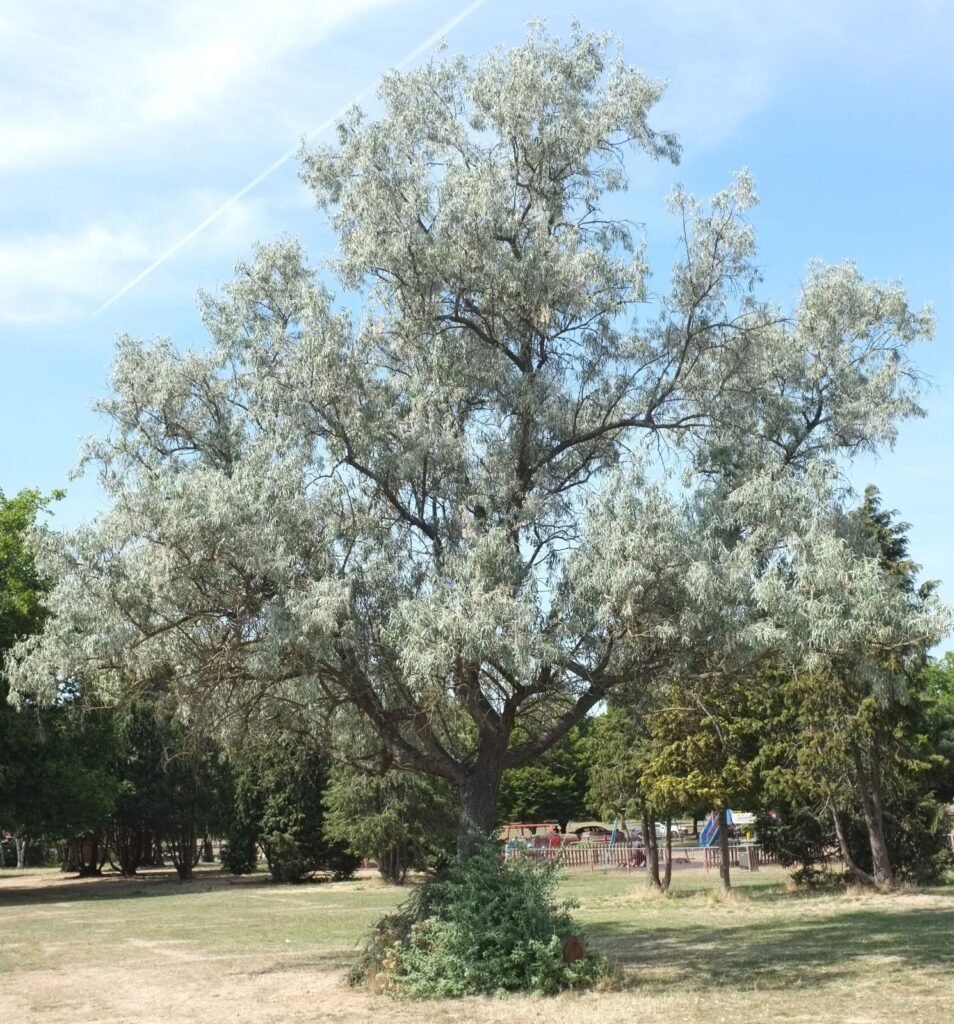
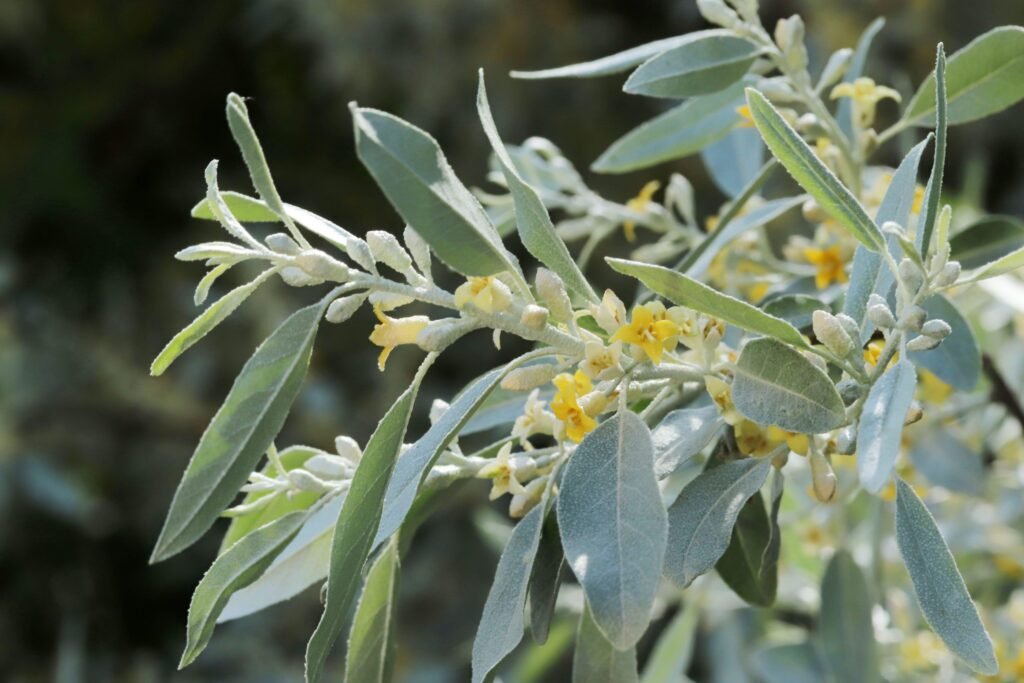
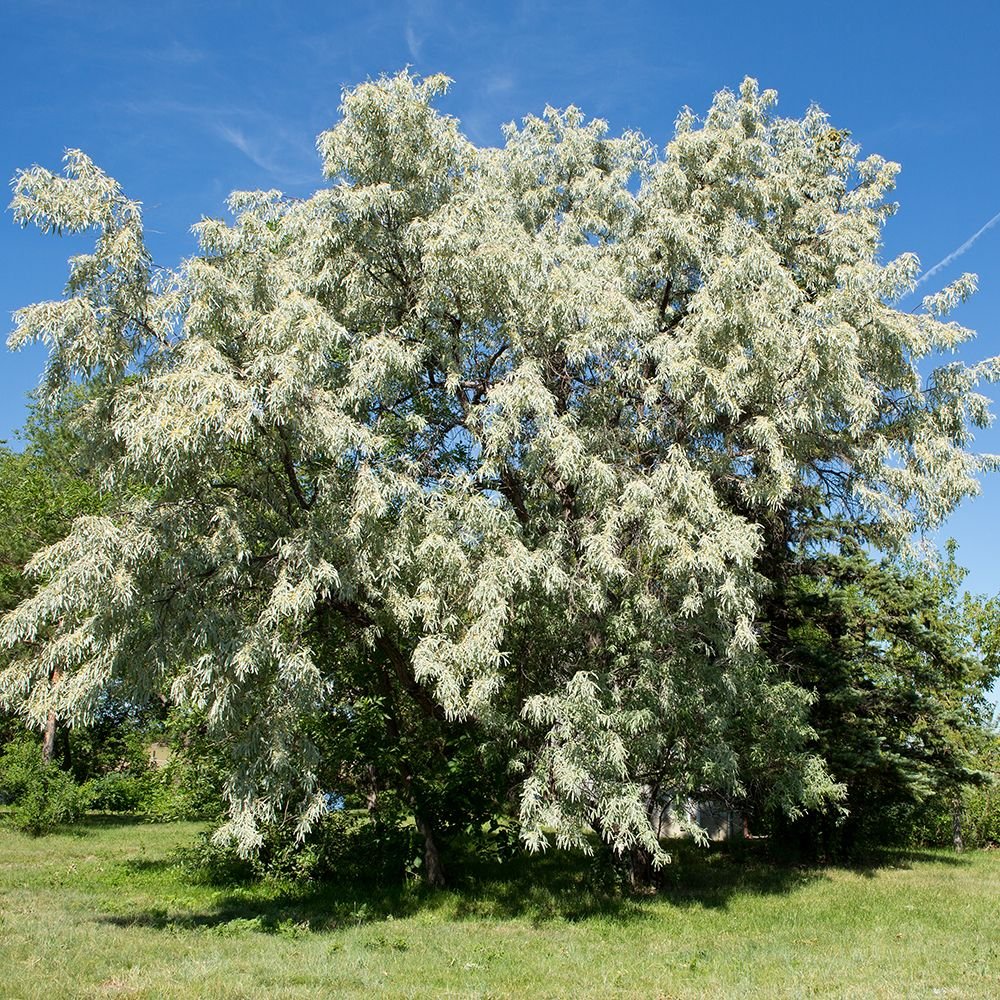
Despite its name, Russian olive is not a true olive. It belongs to the Elaeagnaceae family and produces small, oval fruits often called oleaster berries. The tree is easily recognized by its narrow, silvery-gray leaves, thorny branches, and highly fragrant yellow flowers that bloom in late spring.
Key characteristics:
- Height: 15–25 feet (sometimes larger)
- Spread: 15–20 feet
- Lifespan: 40–50+ years
- Nitrogen-fixing roots
- Extremely drought- and salt-tolerant
How to Grow Russian Olive Successfully
Climate and Hardiness
Russian olive thrives in USDA hardiness zones 3–9, making it suitable for cold winters and hot summers alike. It performs best in regions with low to moderate rainfall.
Soil Requirements
One of the biggest advantages of Russian olive is its adaptability:
- Grows in poor, sandy, rocky, or alkaline soils
- Tolerates saline conditions
- Does not require rich or amended soil
- Prefers well-drained ground but tolerates compacted soils
Because it fixes nitrogen, it can actually improve soil fertility over time.
Sunlight Needs
- Full sun is ideal (6–8 hours daily)
- Partial shade is tolerated but reduces flowering and fruiting
Watering
- Young trees need regular watering during establishment
- Mature trees are highly drought-resistant
- Avoid overwatering; soggy soil can cause root issues
Fertilization
- Usually unnecessary
- Excess fertilizer promotes excessive vegetative growth with fewer flowers
- Mulching lightly around the base helps retain moisture
Pruning and Maintenance
- Prune in late winter or early spring
- Remove crossing or damaged branches
- Wear gloves—branches often have sharp thorns
- Can be shaped as a tree or large shrub
How to Propagate Russian Olive
Russian olive can be propagated by seed, cuttings, or root suckers.
Propagation by Seed
- Collect ripe fruits in late summer or fall
- Remove pulp and clean seeds
- Cold stratify seeds for 60–90 days
- Sow in spring in well-drained soil
Seed propagation produces hardy plants but may vary slightly from the parent tree.
Propagation by Cuttings
- Take semi-hardwood cuttings in summer
- Use rooting hormone for better success
- Plant in sandy or perlite-based medium
- Keep moist but not wet
Root Suckers
- Dig and transplant suckers from established trees
- Fastest and most reliable method
- Best done in early spring
Russian Olive Varieties and Related Species
While Elaeagnus angustifolia is the most common, there are several related species and selections worth noting:
Common Russian Olive (Elaeagnus angustifolia)
- Narrow leaves
- Strong fragrance
- Heavy fruiting
Thornless Selections
- Reduced or no thorns
- Easier to manage in landscapes
- Often preferred for home gardens
Related Elaeagnus Species
- Elaeagnus umbellata (Autumn olive)
- Elaeagnus multiflora (Goumi berry)
These relatives produce similar edible fruits but differ in size, flavor, and growth habit.
Uses of Russian Olive Tree
Russian olive is valued for both practical and ornamental purposes.
Landscaping and Environmental Uses
- Windbreaks and shelterbelts
- Erosion control along slopes and riverbanks
- Wildlife habitat for birds and pollinators
- Drought-resistant landscaping
Wood Uses
- Dense, fine-grained wood
- Used for tool handles, small furniture, and firewood
- Burns hot and clean when seasoned
Medicinal and Traditional Uses
Historically, parts of the tree have been used in traditional practices for:
- Digestive support
- Anti-inflammatory remedies
- General tonics (regional folk uses)
Edible Fruit and Food Options
Russian olive fruit is edible and nutritious, though often overlooked.
Flavor and Texture
- Mildly sweet to floury
- Date-like when fully ripe
- Thin skin with a single pit
Nutritional Value
- Rich in carbohydrates
- Contains vitamins A and C
- Provides antioxidants and minerals
How to Eat Russian Olive Fruit
- Fresh (when fully ripe)
- Dried like dates
- Ground into flour
- Cooked into jams or pastes
- Added to breads or porridge
In some cultures, the fruit is mixed with grains or milk for traditional dishes.
When and How to Harvest Russian Olive
Harvest Time
- Late summer to early fall
- Fruits turn yellowish-brown and soft
- Fully ripe fruit separates easily from branches
Harvesting Tips
- Wear gloves to avoid thorns
- Hand-pick or gently shake branches
- Avoid underripe fruit—it’s astringent
- Harvest after first light frost for better sweetness
Storage
- Fresh fruit lasts a few days refrigerated
- Drying significantly extends shelf life
- Dried fruits can be stored for months in airtight containers
Pros and Cons of Growing Russian Olive
Advantages
- Extremely hardy and drought-tolerant
- Low maintenance
- Edible fruit
- Improves poor soil
- Attracts wildlife
Considerations
- Can spread aggressively in some regions
- Thorns make harvesting challenging
- Not suitable near sensitive natural ecosystems in certain areas
Always check local guidelines before planting extensively.
Final Thoughts
Russian olive (Elaeagnus angustifolia) is a tough, adaptable, and multi-purpose tree with ornamental beauty, edible fruit, and environmental benefits. Whether grown for food, landscaping, or survival gardening, it rewards minimal care with long-term resilience.
With proper management, thoughtful placement, and responsible harvesting, Russian olive can be a valuable addition to dryland gardens, homesteads, and agroforestry systems.



&media=https://food-foresting.com/wp-content/uploads/2026/02/486737972_122118127442763284_6532729260874964022_n.jpg)