
 paulius.mikoliunas1
| Common Name | Northern Fox Grape, Fox grape |
| Family | Vitaceae |
| USDA hardiness | 4-9 |
| Known Hazards | None known |
| Habitats | Wet or dry thickets and woodland borders. |
| Range | Eastern N. America – Maine to S. Carolina and Tennessee. Locally naturalized in Europe. |
| Edibility Rating |   (3 of 5) (3 of 5) |
| Other Uses |   (2 of 5) (2 of 5) |
| Weed Potential | Yes |
| Medicinal Rating |   (1 of 5) (1 of 5) |
| Care (info) |      |
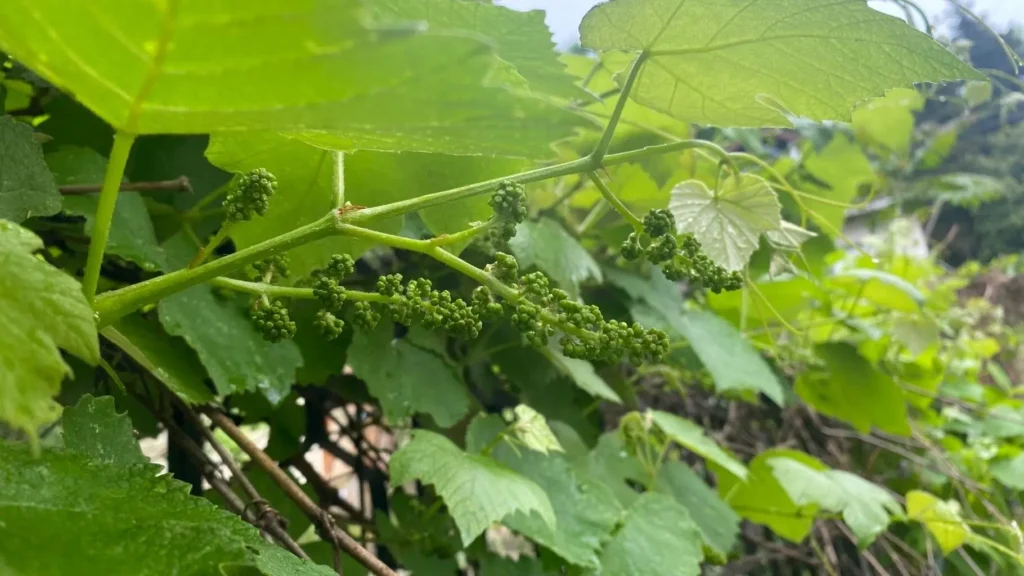
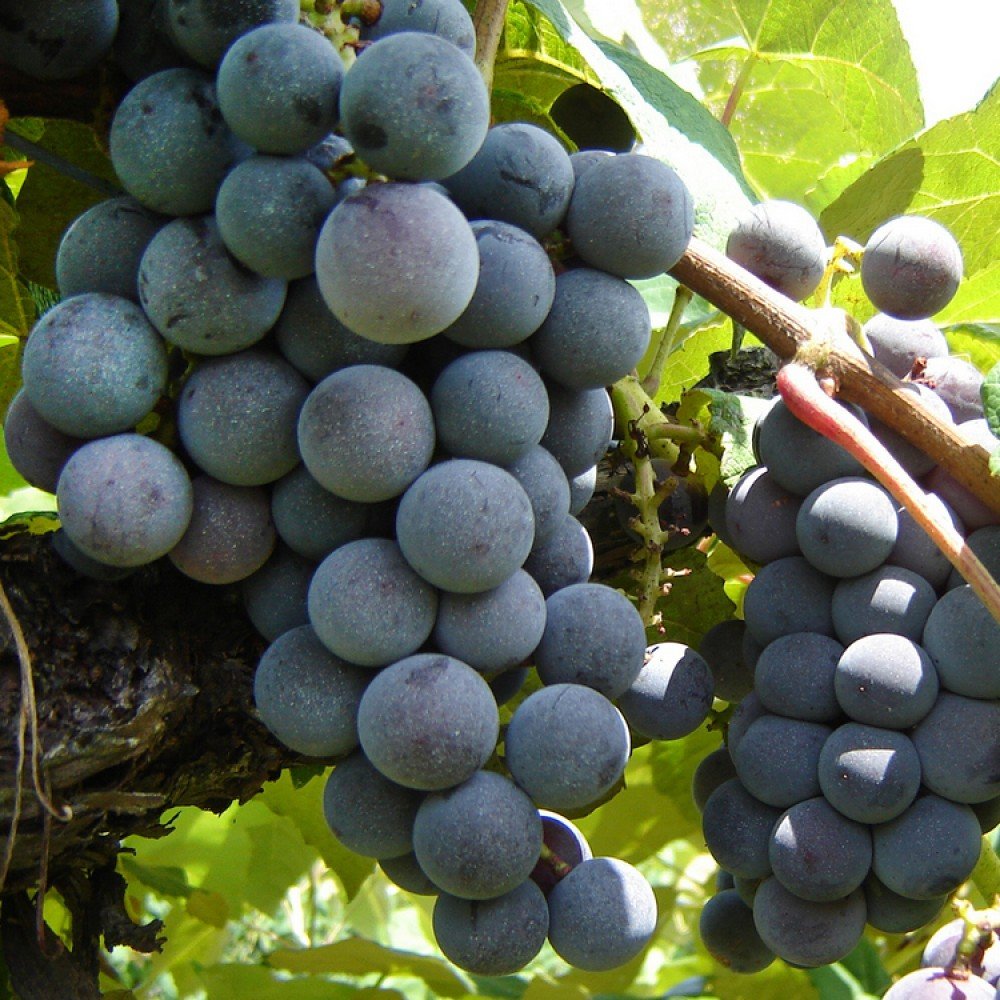
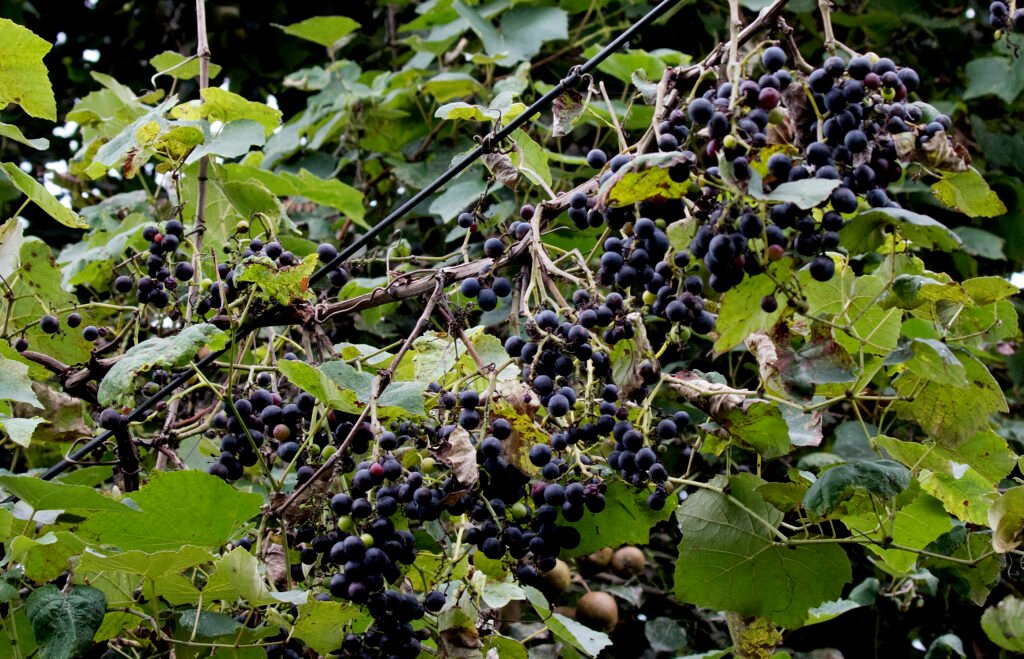
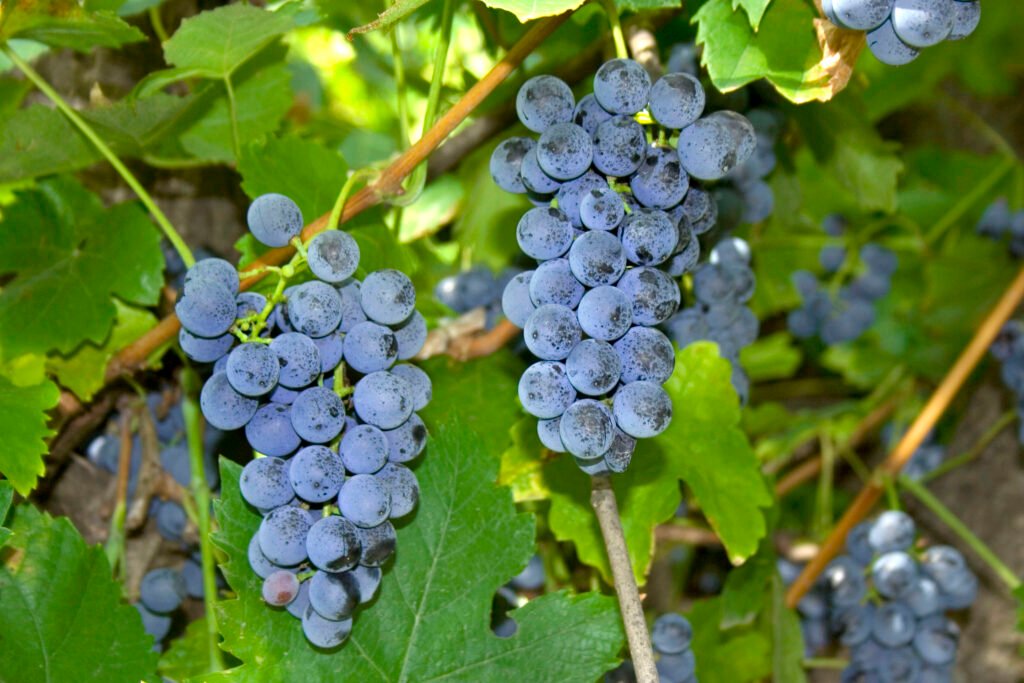
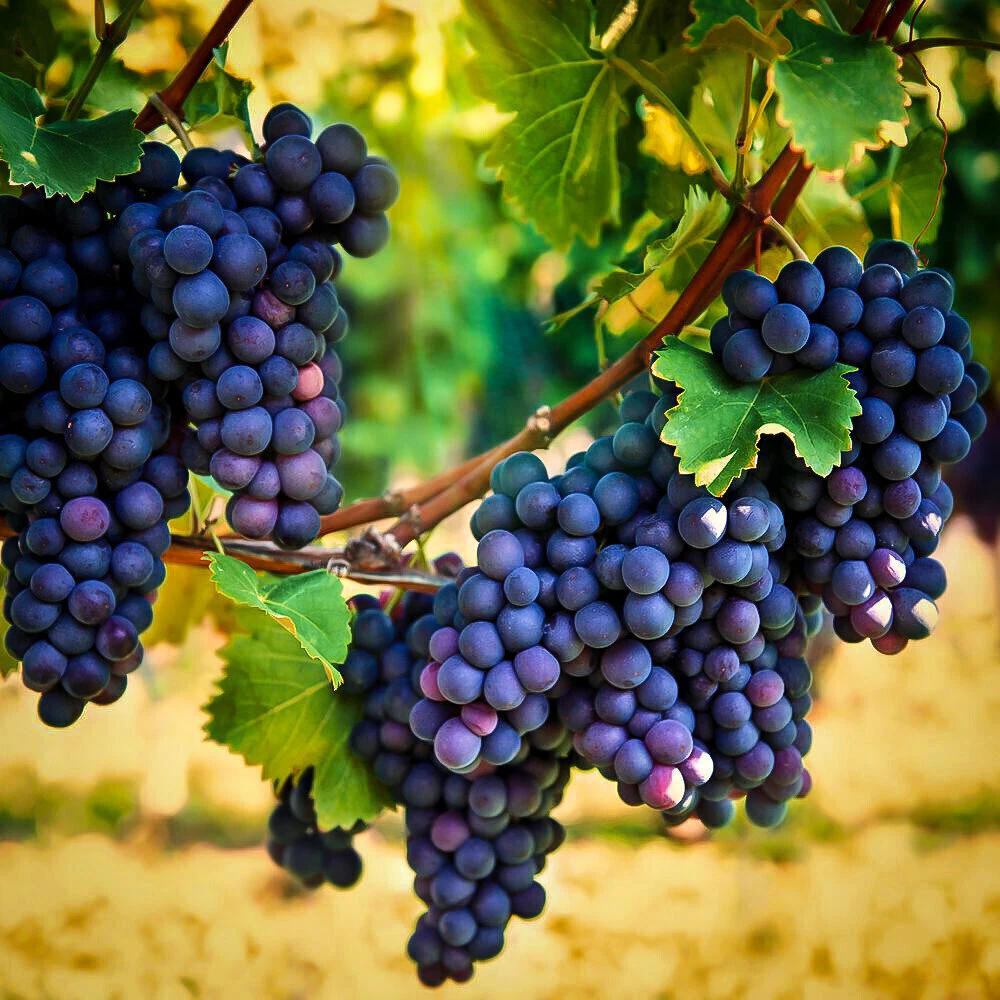
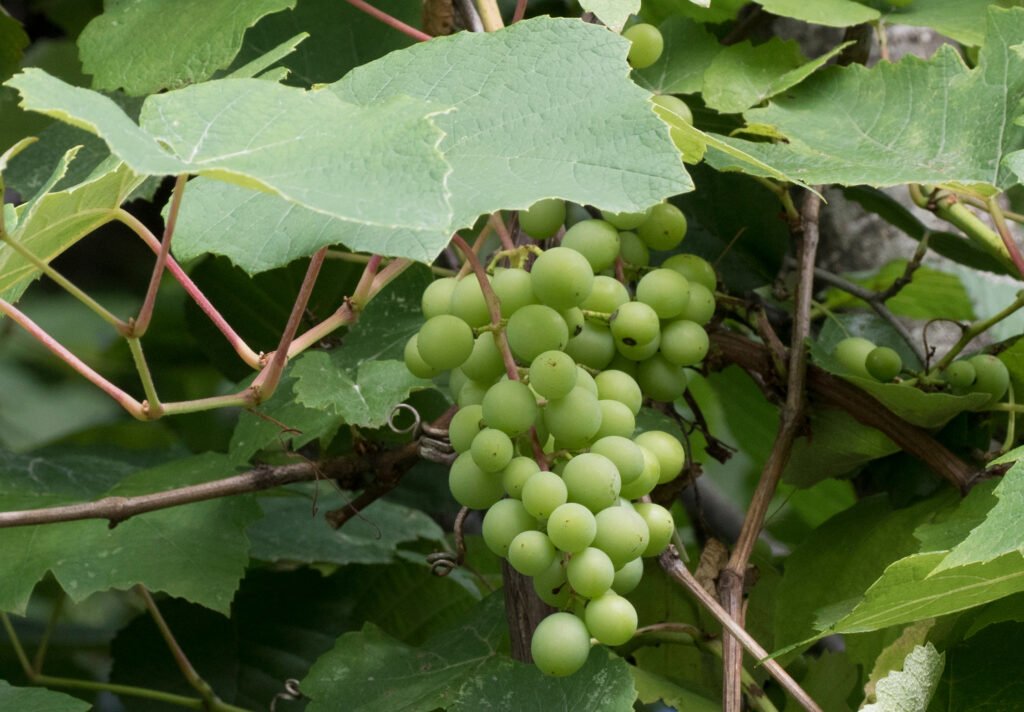
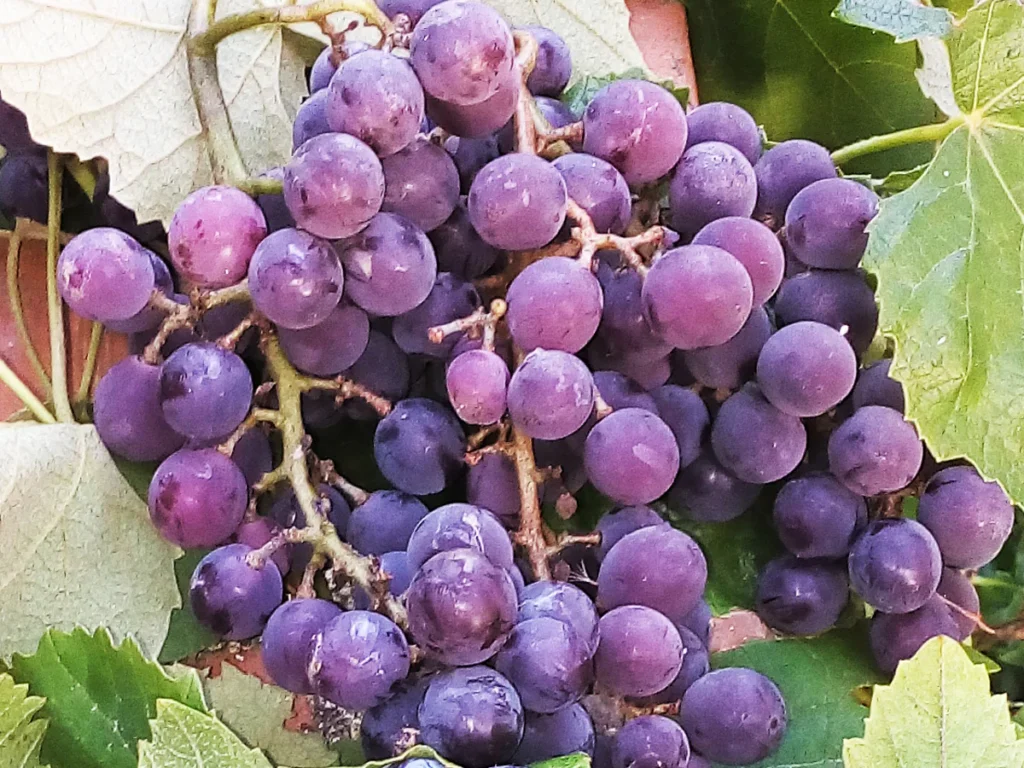
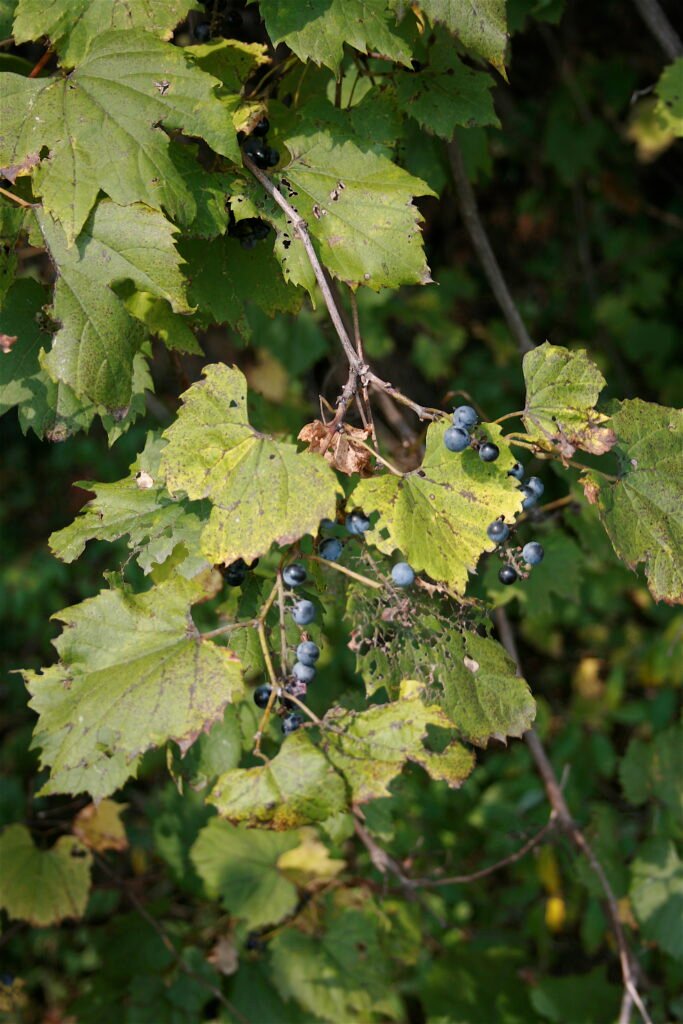
Northern Fox Grape (Vitis labrusca): The Complete Guide to Growing, Propagating, Harvesting & Enjoying This Hardy Native Grape
Northern Fox Grape (Vitis labrusca) is one of North America’s most beloved native grape species. Known for its bold “foxy” aroma, cold hardiness, and rich flavor, this grape has played a major role in home gardens, commercial vineyards, juice production, and traditional recipes for generations.
If you’re looking to grow Northern Fox Grape in your backyard, start a small vineyard, or simply learn how to harvest and use it in food, this comprehensive guide covers everything — from planting and propagation to varieties, harvesting tips, and delicious food ideas.
What Is Northern Fox Grape (Vitis labrusca)?
Northern Fox Grape is a deciduous, woody climbing vine native to eastern North America. It thrives in colder climates and is especially popular in regions with harsh winters where European grapes (Vitis vinifera) struggle.
Key Characteristics:
- Cold hardy (zones 4–8)
- Medium to large round grapes
- Thick slip-skin (skin separates easily from pulp)
- Distinct musky, sweet aroma (“foxy” flavor)
- Excellent for juice, jelly, and fresh eating
- Vigorous climbing growth habit
The most famous variety derived from Vitis labrusca is the iconic ‘Concord’ grape.
How to Grow Northern Fox Grape Successfully
Growing Northern Fox Grape is relatively easy, especially compared to more delicate grape species. With proper care and pruning, vines can produce fruit for 30–50 years.
1. Ideal Growing Conditions
Climate
- Prefers cold to temperate climates
- Tolerates winter temperatures below -20°F (-29°C)
- Requires 150–180 frost-free days
Sunlight
- Full sun is essential
- Minimum 6–8 hours of direct sunlight daily
Soil Requirements
- Well-draining soil is critical
- pH between 5.5 and 6.8
- Loamy or sandy soil works best
- Avoid waterlogged areas
2. Planting Northern Fox Grape
When to Plant
- Early spring (after last frost)
- Fall planting is possible in milder climates
Spacing
- 6–8 feet between vines
- 8–10 feet between rows
Planting Steps
- Dig a hole twice as wide as the root ball.
- Place vine at same depth as nursery container.
- Backfill with soil and water deeply.
- Install trellis support immediately.
Trellising and Training Systems
Fox grapes are vigorous climbers and require strong support.
Common Trellis Systems:
- Single wire trellis
- High cordon system
- Arbor or pergola (great for shade gardens)
Training during the first two years is essential for long-term productivity.
Pruning Northern Fox Grape for Maximum Yield
Pruning is the most important maintenance task.
When to Prune:
- Late winter to early spring (while dormant)
How to Prune:
- Remove 80–90% of previous year’s growth
- Keep 2–4 fruiting canes
- Maintain airflow to reduce disease
Proper pruning improves:
- Fruit size
- Sugar content
- Disease resistance
How to Propagate Northern Fox Grape
Propagation is easy and cost-effective. You can multiply your vines through several methods.
1. Hardwood Cuttings (Most Popular)
Steps:
- Take 8–12 inch cuttings in late winter.
- Ensure 3–4 buds per cutting.
- Dip in rooting hormone (optional).
- Plant in moist, well-drained soil.
- Keep soil consistently moist.
Roots typically develop within 4–8 weeks.
2. Layering Method
- Bend a low-growing vine to the ground.
- Cover part of it with soil.
- Roots form naturally.
- Separate after one growing season.
3. Grafting
Used mainly for disease resistance or adapting to soil conditions.
Best Northern Fox Grape Varieties
While Vitis labrusca is a species, several outstanding cultivars are widely grown.
1. Concord
- Deep purple
- Classic grape juice flavor
- Extremely cold hardy
- Excellent for jelly and juice
2. Niagara
- Pale green/yellow grapes
- Sweet and aromatic
- Great for fresh eating and juice
3. Catawba
- Pink to red grapes
- Used in sparkling wines
- Late season harvest
4. Delaware
- Smaller berries
- Balanced sweet flavor
- Ideal for wine and table use
5. Steuben
- Large berries
- Sweet with mild aroma
- Productive and disease resistant
Common Problems and Solutions
Pests
- Japanese beetles
- Grape berry moth
- Birds
Solution: Netting, organic insect control, regular monitoring.
Diseases
- Powdery mildew
- Downy mildew
- Black rot
Prevention:
- Proper pruning
- Good airflow
- Avoid overhead watering
- Fungicide if necessary
Fox grapes are generally more disease-resistant than European varieties.
When and How to Harvest Northern Fox Grape
Harvest Season
- Late summer to early fall (August–September)
- Harvest timing varies by region
Signs of Ripeness:
- Deep, rich color
- Strong sweet aroma
- Full flavor (taste test!)
- Easy separation from vine
Grapes do not ripen after picking, so harvest at peak sweetness.
How to Harvest:
- Use sharp pruners
- Cut whole clusters
- Handle gently to prevent crushing
Yield Expectations
- First fruit: 2–3 years after planting
- Mature vine yield: 15–25 pounds per vine annually
- Lifespan: 30+ years with proper care
Culinary Uses of Northern Fox Grape
Northern Fox Grape is incredibly versatile in the kitchen.
1. Fresh Eating
The slip-skin texture allows you to squeeze the pulp directly into your mouth.
2. Grape Juice
- Rich purple color
- Naturally sweet
- No need for added sugar
3. Jelly & Jam
Fox grapes contain natural pectin, making them perfect for preserves.
4. Homemade Wine
Especially popular with:
- Concord wine
- Catawba sparkling wine
5. Grape Pie
A traditional Northeastern U.S. dessert with a sweet-tart filling.
6. Grape Syrup
Used for:
- Pancakes
- Yogurt
- Cocktails
7. Frozen Grapes
A healthy snack alternative to candy.
8. Raisins (Limited Use)
Not ideal due to slip-skin, but possible.
Nutritional Benefits of Fox Grapes
Northern Fox Grapes are rich in:
- Vitamin C
- Vitamin K
- Antioxidants (resveratrol)
- Potassium
- Fiber
They support:
- Heart health
- Immune function
- Anti-inflammatory benefits
Why Choose Northern Fox Grape for Your Garden?
- Extremely cold hardy
- Low maintenance
- Long lifespan
- Reliable harvests
- Rich traditional flavor
- Ideal for juice and preserves
For home gardeners in northern climates, few fruits offer the resilience and productivity of Vitis labrusca.
Final Thoughts
Northern Fox Grape (Vitis labrusca) is more than just a fruit — it’s a heritage plant deeply rooted in North American agriculture. Whether you’re growing it for fresh eating, homemade juice, wine production, or simply to create a beautiful shaded arbor, this hardy grape delivers dependable results year after year.
With proper planting, pruning, and harvesting techniques, you can enjoy decades of abundant grape harvests and delicious homemade recipes.
If you’re ready to grow a resilient, flavorful, and productive vine — Northern Fox Grape is an outstanding choice.



&media=https://food-foresting.com/wp-content/uploads/2026/02/Red_Grape_-_Vitis_labrusca_-_Kiszombor_Hungary-scaled.jpg)