
 paulius.mikoliunas1
| Common Name | Butternut – White Walnut, Butternut |
| Family | Juglandaceae |
| USDA hardiness | 3-7 |
| Known Hazards |  The naphthoquinone constituents may cause gastric (stomach) irritation. Avoid in patients with gallstones. The naphthoquinone constituents may cause gastric (stomach) irritation. Avoid in patients with gallstones. |
| Habitats | Usually found in rich moist soils of woods and river terraces, but it also grows on dry rocky soils, especially if these are on limestone. |
| Range | Eastern N. America – New Brunswick to Georgia, west to Arkansas and North Dakota. |
| Edibility Rating |   (3 of 5) (3 of 5) |
| Other Uses |   (3 of 5) (3 of 5) |
| Weed Potential | No |
| Medicinal Rating |   (3 of 5) (3 of 5) |
| Care (info) |    |
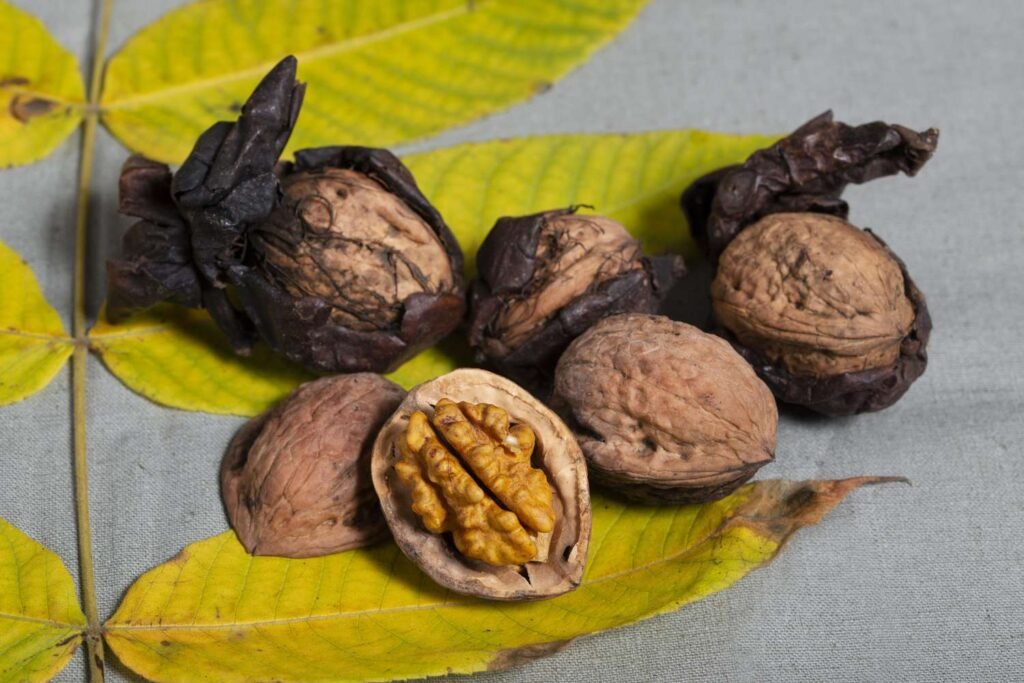
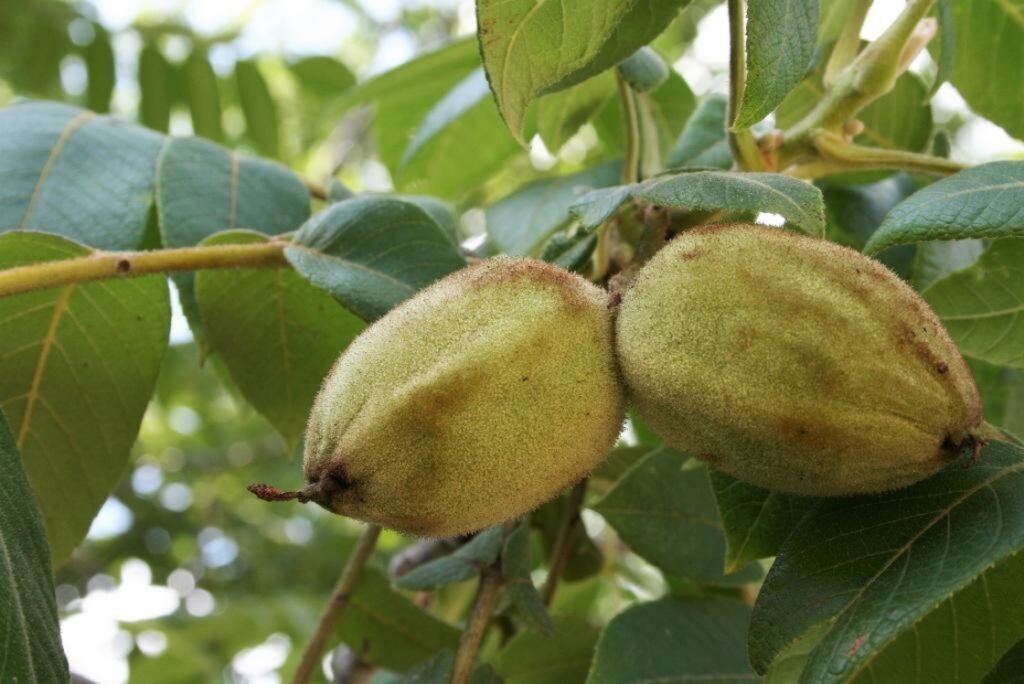
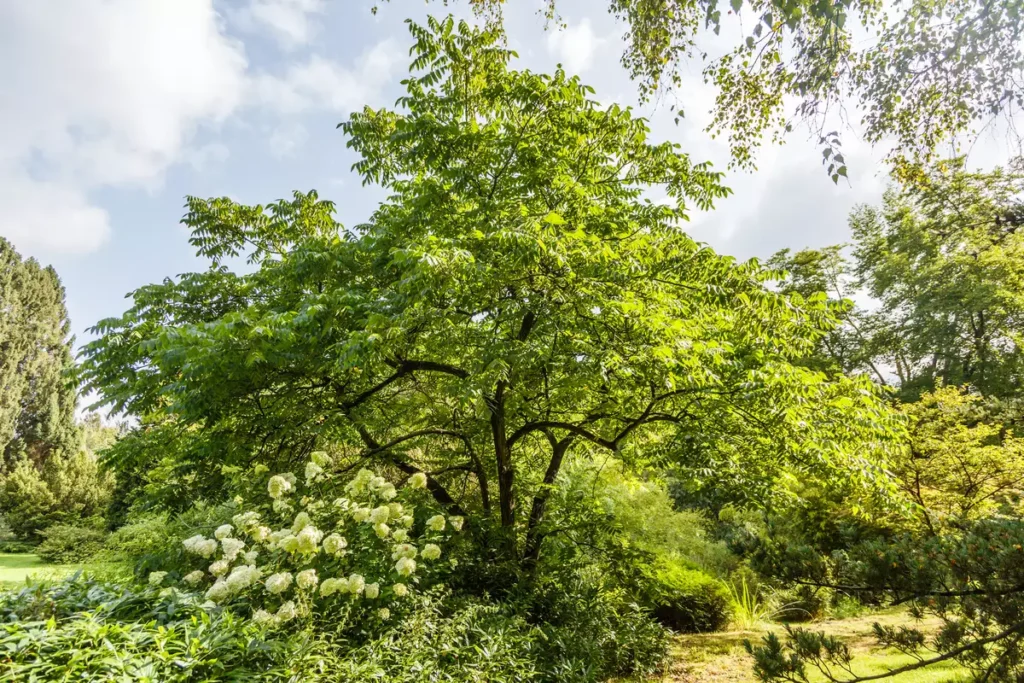
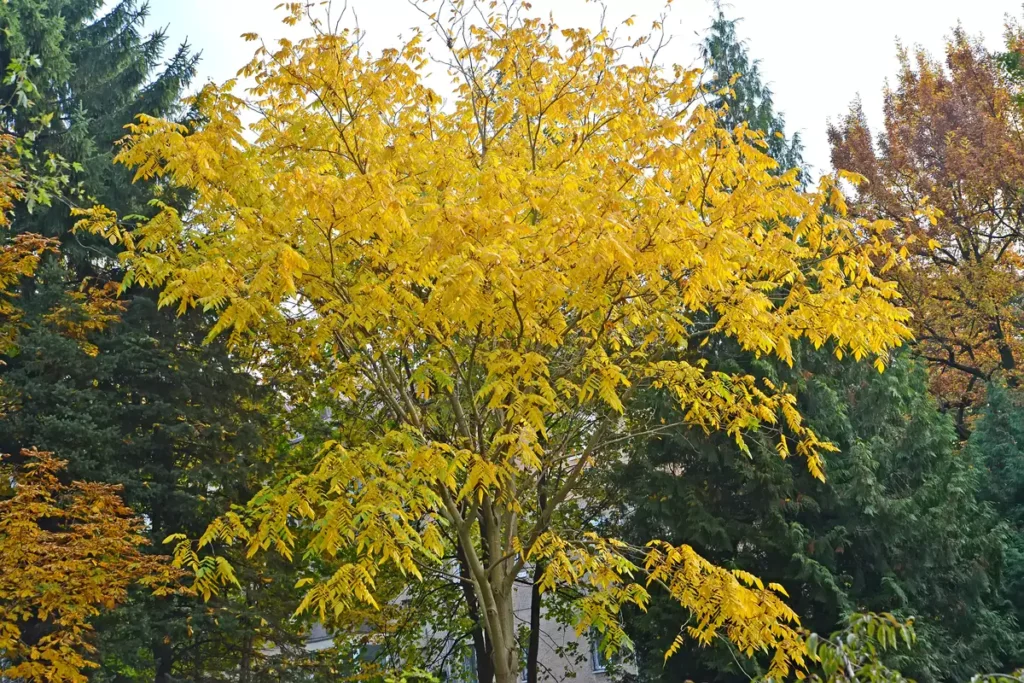
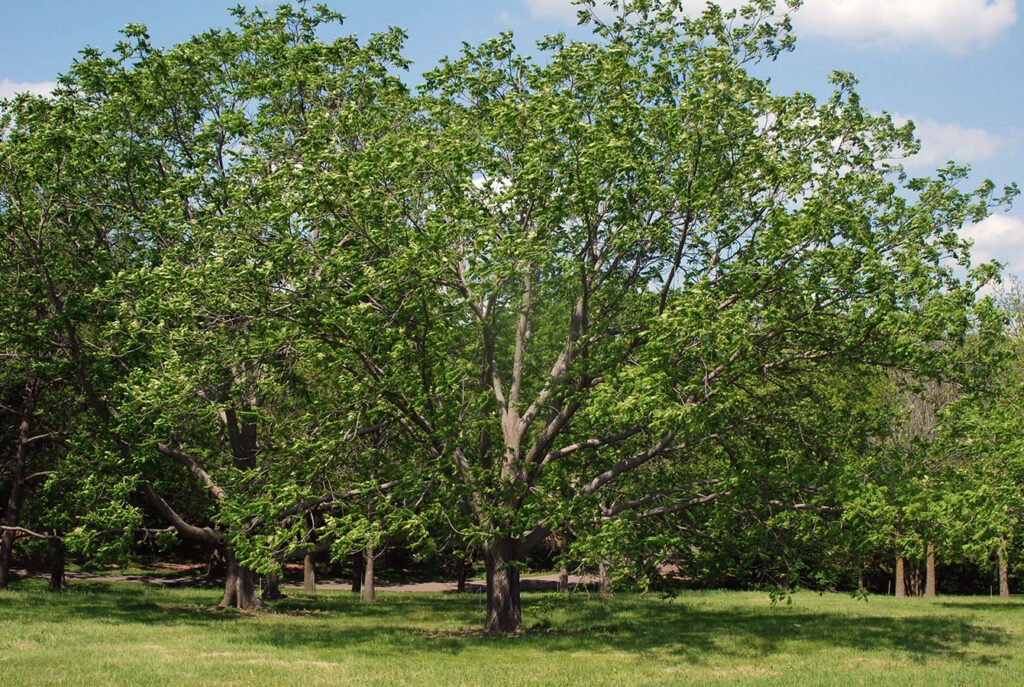
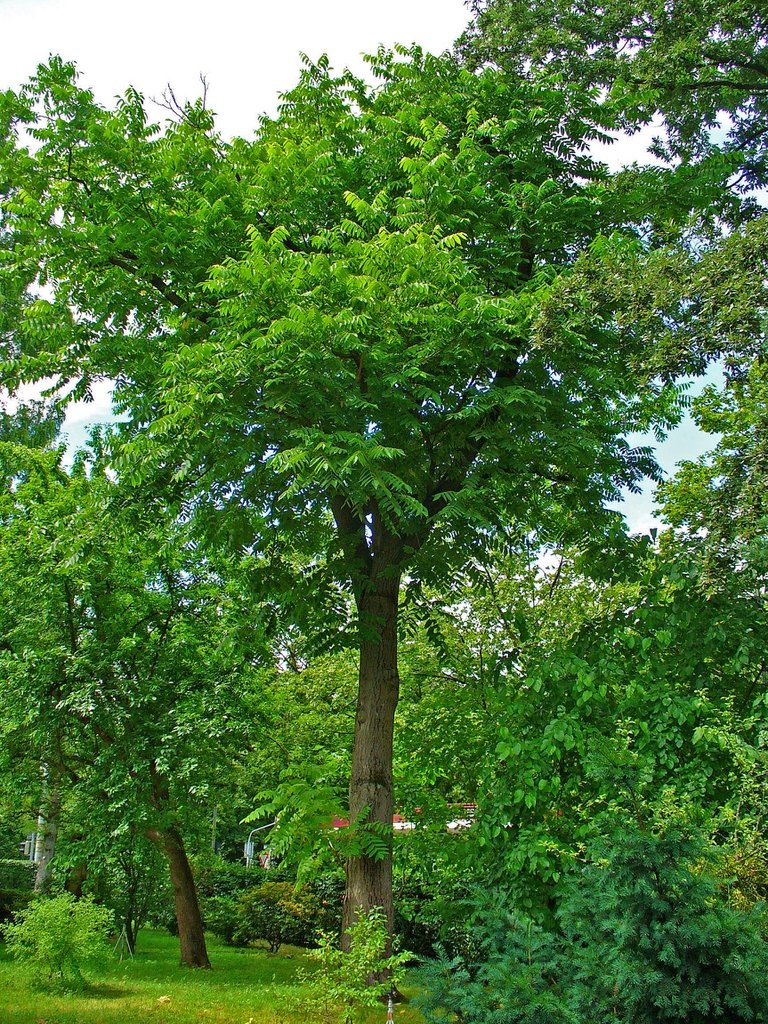
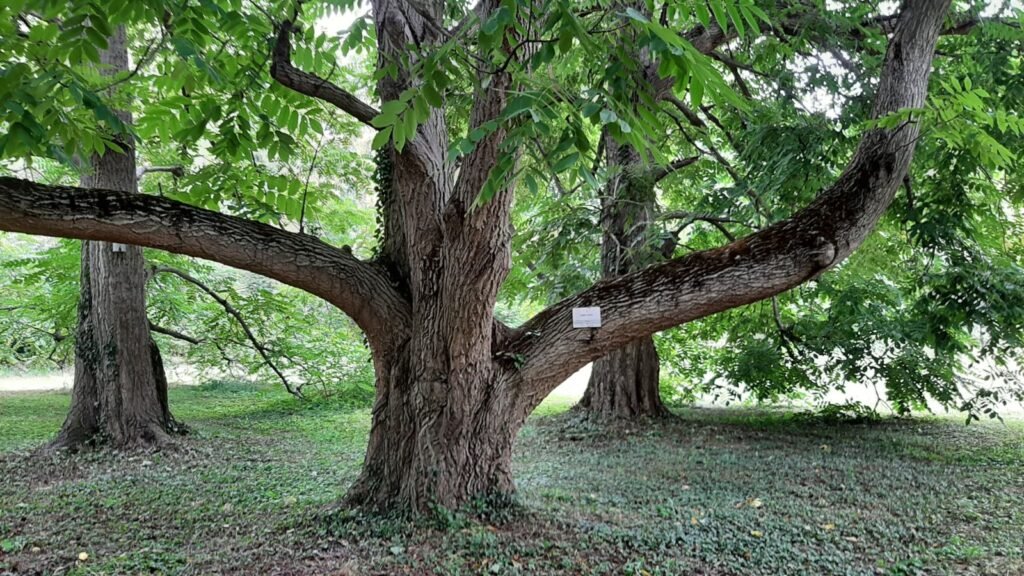

How to Grow, Propagate, Use & Harvest Butternut (White Walnut | Juglans cinerea)
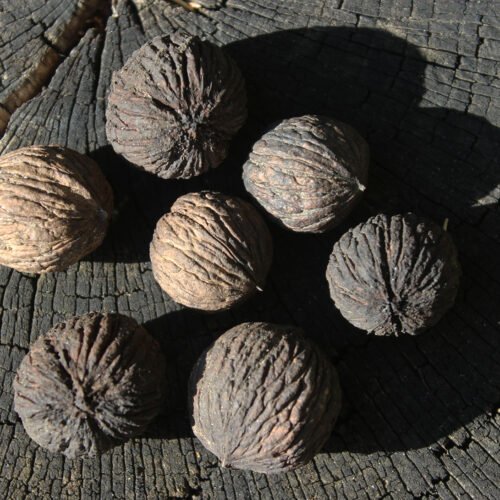
The Butternut tree, also known as White Walnut (Juglans cinerea), is a hardy North American nut tree celebrated for its richly flavored nuts, useful wood, and ecological benefits. Though less commercially grown than English and Black walnuts, Butternut has a devoted following thanks to its adaptability, nutritional value, and distinctive earthy sweetness.
Growing Butternut is not difficult once you understand its biological rhythms and the challenges it faces—especially Butternut canker. Below is a comprehensive guide for gardeners, homesteaders, and agroforestry enthusiasts looking to cultivate and enjoy this unique tree.
Botanical Profile
- Scientific Name: Juglans cinerea
- Common Names: Butternut, White Walnut, Oil Nut, Lemon Walnut
- Lifespan: 75–100 years (shorter than Black Walnut)
- Height: 12–20 m (40–70 ft)
- Growth Rate: Moderate
- Hardiness Zone: USDA Zones 3–7
The Many Benefits of Butternut Trees
1. Nut Production
Butternut nuts are:
✔ High in oils (used historically for food + lamp oils)
✔ Rich in omega fats, protein & minerals
✔ Sweet, mild, and easier to digest than English walnuts
2. Ecological Value
Butternut supports biodiversity by:
- Providing habitat for birds and small mammals
- Serving as a food source for wildlife
- Contributing to mixed hardwood forests
3. Cultural & Culinary Legacy
Indigenous communities used Butternuts for:
- Food
- Dye production
- Medicinal preparations
Growing Requirements
Climate
Butternut thrives in:
- Cool-temperate climates
- Regions with cold winters
- Well-drained upland soils
Soil Preferences
- Type: Sandy loam or loam
- pH: Slightly acidic to neutral (6.0–7.0)
- Drainage: Essential—avoid waterlogging
Sunlight
- Full sun for optimal nut production
- Light shade tolerated when young
Planting Butternut
Site Selection
Choose areas that:
- Have room for long lateral growth
- Avoid frost pockets
- Are distant from buildings & driveways (nut drop)
Spacing
Ideal spacing:
- Single tree orchard: 35–40 ft apart
- Mixed forest: Up to 60 ft spacing for canopy spread
Planting Season
- Fall planting preferred for bare-root seedlings
- Spring planting acceptable with container stock
Propagation Techniques
1. Seed Propagation (Most Common)
Butternut seeds require cold stratification:
- Collect nuts in fall
- Remove husks
- Refrigerate in moist sand 90–120 days
- Plant in spring
2. Grafting
Used to:
- Preserve superior nut-bearing genetics
- Combat canker-prone stock
Common grafts include:
✔ Whip & tongue
✔ Bark grafts
✔ Patch budding
3. Wildling Transplanting
Seedlings found near mature trees can be transplanted early in spring.
Varieties & Disease Resistance
Unlike English Walnut, Butternut has fewer named cultivars. Key categories include:
Natural Variants
- Northern wild lines: Hardy & persistent, smaller nuts
- Southern ecotypes: Larger nuts & faster growth
Hybrids
Hybrids with Japanese Walnut (Juglans ailantifolia)—called Buartnuts—offer:
✔ Improved canker resistance
✔ Large nuts
✔ Vigorous growth
Notable hybrids include:
- ‘Mitchell’
- ‘McAllister’
- ‘Buart’ series
Butternut Canker Disease
The primary threat to Butternut trees is canker caused by Ophiognomonia clavigignenti-juglandacearum, which has dramatically reduced wild populations.
Management Strategies
- Plant resistant hybrids where disease is common
- Maintain tree vigor through proper soil & spacing
- Avoid mechanical injury that opens infection sites
Food & Culinary Uses
Butternut nuts are valued for:
✔ Rich buttery flavor
✔ High oil content
✔ Mild sweetness
Culinary Applications
- Roasted snacks
- Nut butters
- Baked goods
- Candies & pralines
- Pestos & spreads
- Nut milk & oils
Nutritional Highlights
Butternuts contain:
- Omega-3 fatty acids
- Vitamin E
- Magnesium
- Manganese
- High-quality proteins
Indigenous and early settler diets relied heavily on butternut oil due to its caloric density and storability.
Non-Food Uses
Wood
White walnut wood is:
- Light
- Soft
- Easy to carve
- Resistant to splitting
Used for:
- Carving & sculpture
- Furniture
- Gunstocks
- Interior paneling
Dyes & Medicinal History
Butternut sap & husks produce natural brown dyes historically used for textiles and military uniforms.
How to Harvest & Process Butternut
Harvesting Period
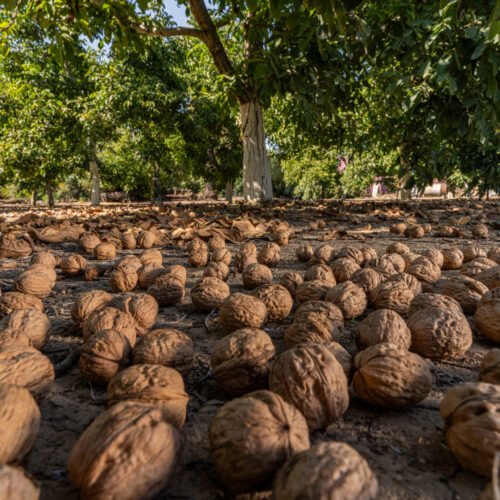
- Late September–November depending on climate
Harvesting Tips
- Gather fallen nuts early to avoid mold & squirrels
- Wear gloves (husks stain)
- De-husk before curing
Curing
Dry nuts:
- 2–6 weeks in a dry, airy space
- Improves flavor & storage longevity
Shelling
Butternuts have intricate chambers—use:
- Heavy-duty nutcrackers
- Bench vises
- Freezing (helps fracture shells)
Challenges & Considerations
| Challenge | Notes |
|---|---|
| Butternut Canker | Major threat to wild populations |
| Wildlife Competition | Squirrels claim a large share |
| Shelling Difficulty | Hard shells need proper tools |
| Limited Nursery Stock | Not widely propagated commercially |
Ideal Companions & Agroforestry Pairings
Butternut pairs well with:
- Sugar maple
- Hickory
- Oak
- Elderberry
- Raspberries
- Pasture species (silvopasture)
Avoid planting near:
- Tomatoes
- Apple
- Potato
- Other solanaceae
(due to juglone sensitivity)
Final Thoughts: Why Grow Butternut?
If you’re seeking a heritage nut tree with ecological, culinary, and cultural value, Butternut is a rewarding choice. Its distinctive flavor, historical significance, and hardiness make it an exceptional addition to homesteads, small orchards, or forest gardens—especially when disease-resistant hybrid cultivars are used.
With careful propagation, mindful site selection, and attention to harvest & curing techniques, Butternut rewards growers with decades of value.


&media=https://food-foresting.com/wp-content/uploads/2026/01/63917_ca_object_representations_media_21790_large-1120x748.125-c-default.jpg)