
 paulius.mikoliunas1
| Common Name | Fringe Flower, Chinese Fringe Bush |
| Family | Hamamelidaceae |
| USDA hardiness | 7-10 |
| Known Hazards | None known |
| Habitats | Rocky hills and dry open woods, often on limestone. Stream banks, hilly slopes and roadsides. |
| Range | E. Asia – Himalayas to China and Japan. |
| Edibility Rating |  (0 of 5) (0 of 5) |
| Other Uses |  (0 of 5) (0 of 5) |
| Weed Potential | No |
| Medicinal Rating |   (2 of 5) (2 of 5) |
| Care (info) |     |





Fringe Flower (Loropetalum chinense): Complete Guide to Growing, Propagation, Varieties, Uses, Food Options & Harvest
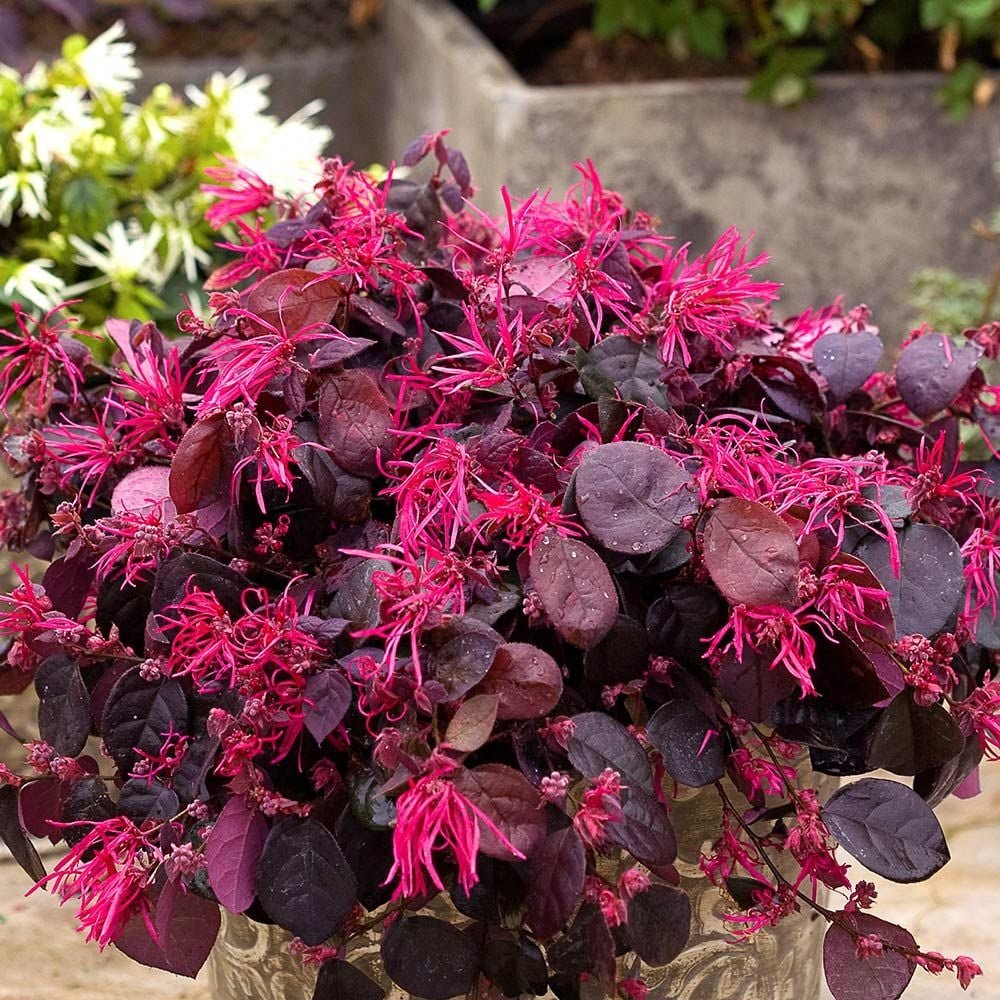
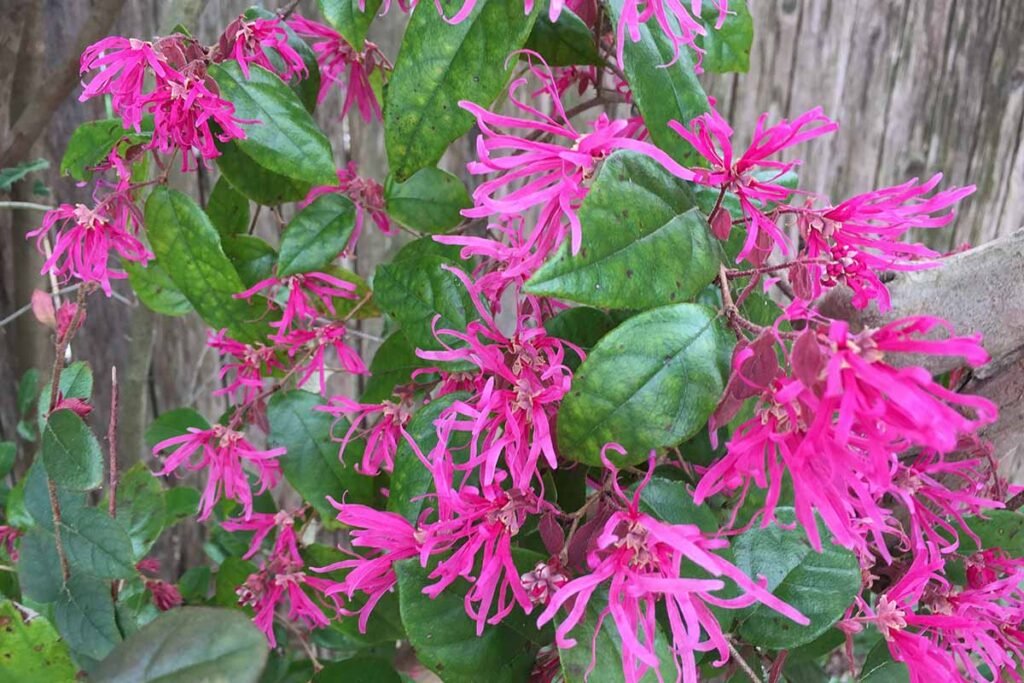
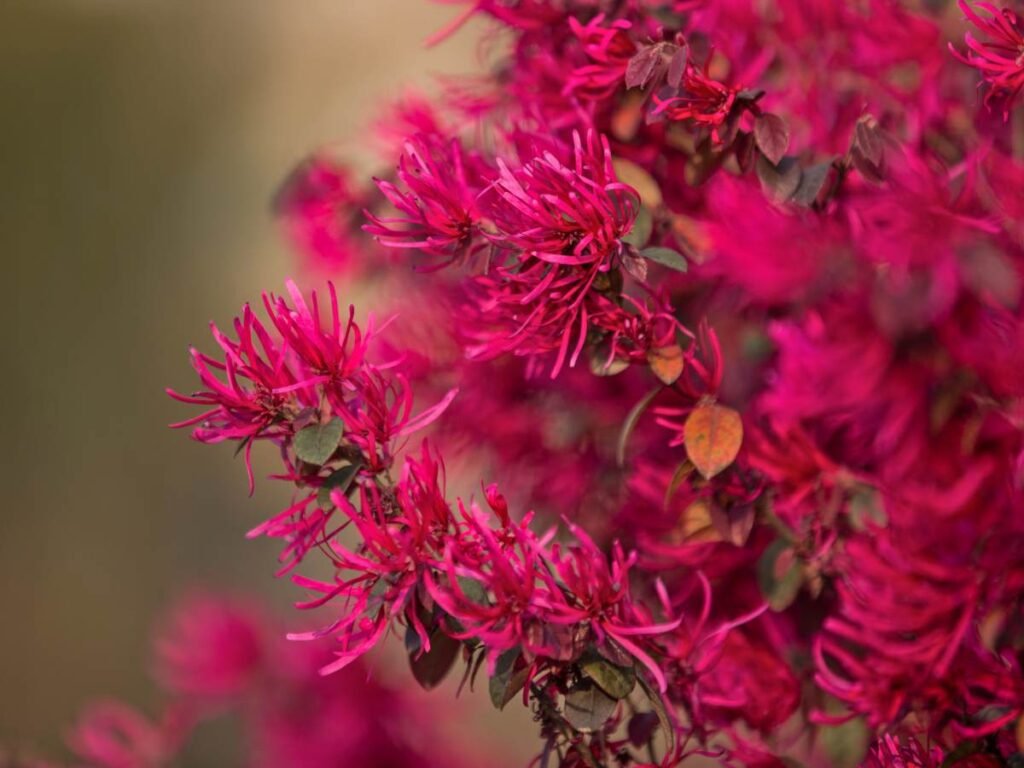
Fringe Flower, botanically known as Loropetalum chinense, is an evergreen to semi-evergreen ornamental shrub prized for its vibrant foliage, delicate ribbon-like blooms, and exceptional landscape versatility. Native to East Asia, this plant has become a favorite among gardeners, landscapers, and bonsai enthusiasts due to its low maintenance needs and year-round interest.
This SEO-optimized, in-depth guide covers everything you need to know about how to grow Fringe Flower, propagation methods, popular varieties, landscaping and traditional uses, edible and food-related aspects, and harvesting tips—all in one place.
What Is Fringe Flower (Loropetalum chinense)?
Fringe Flower belongs to the witch hazel family (Hamamelidaceae). It is known for:
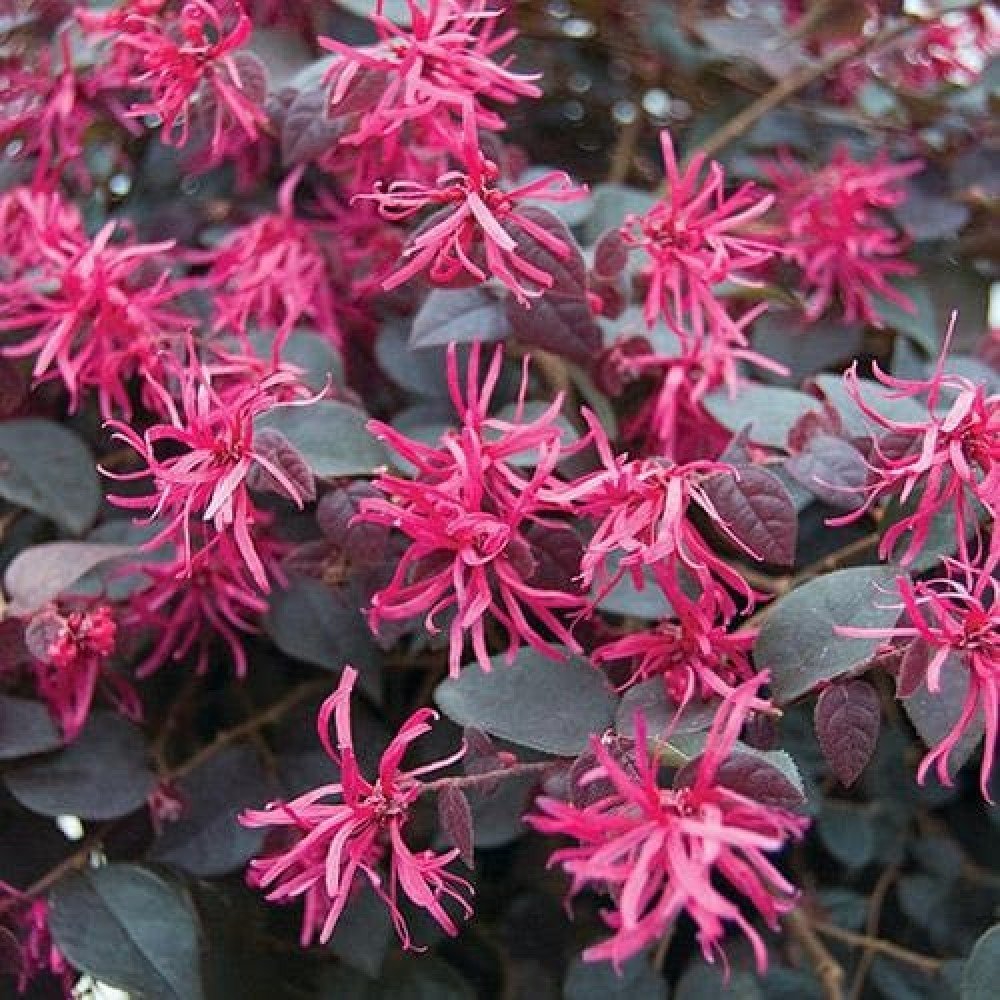
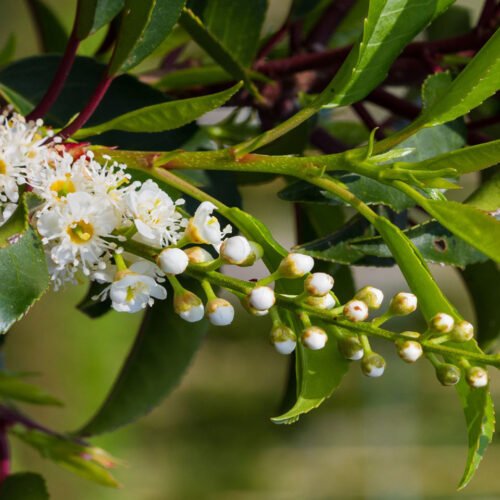
- Strap-shaped flowers resembling colorful fringes
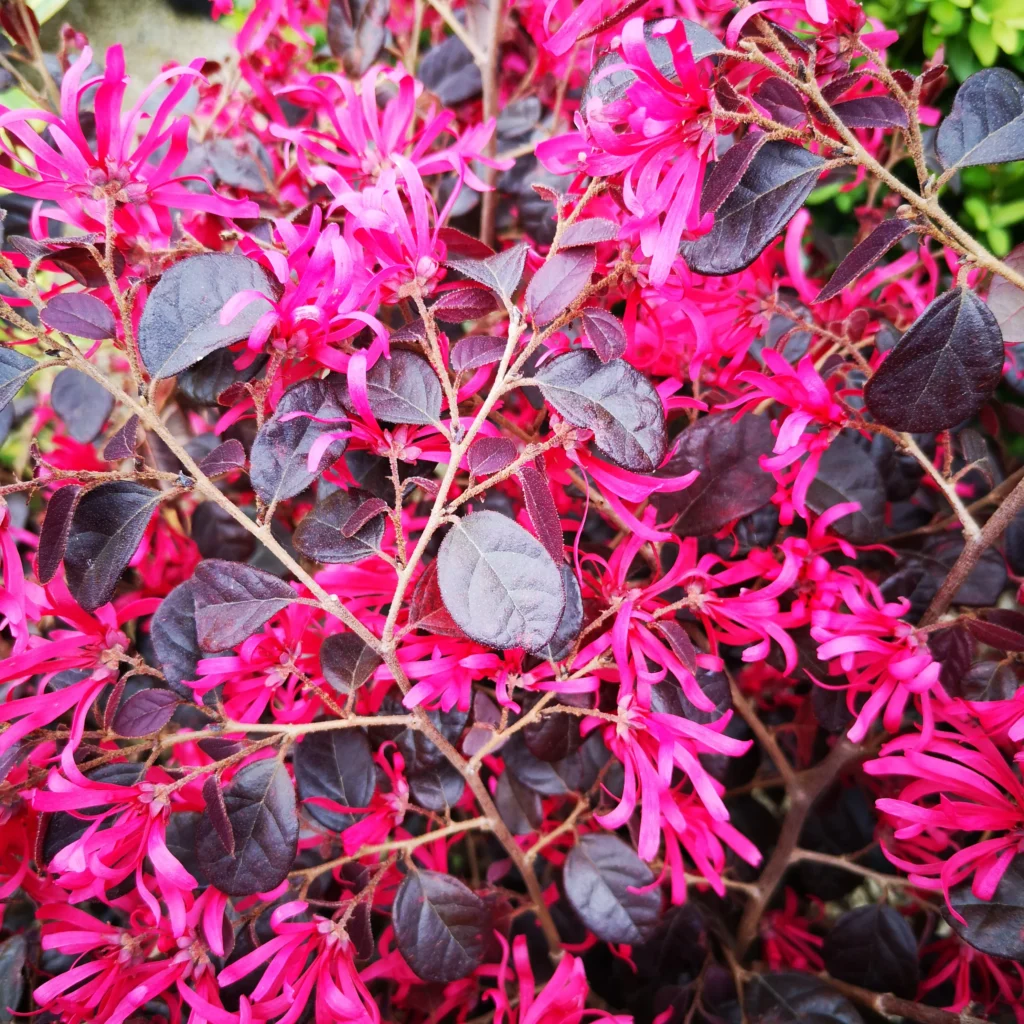
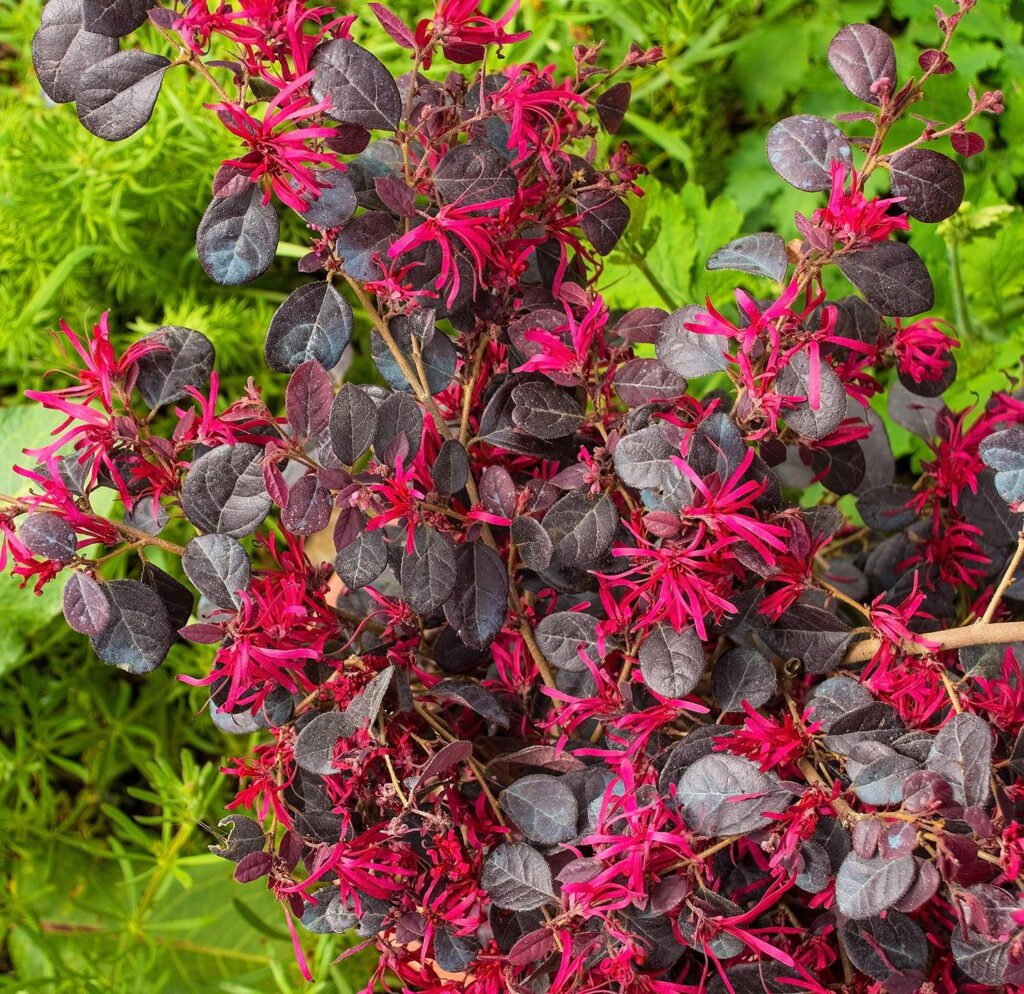
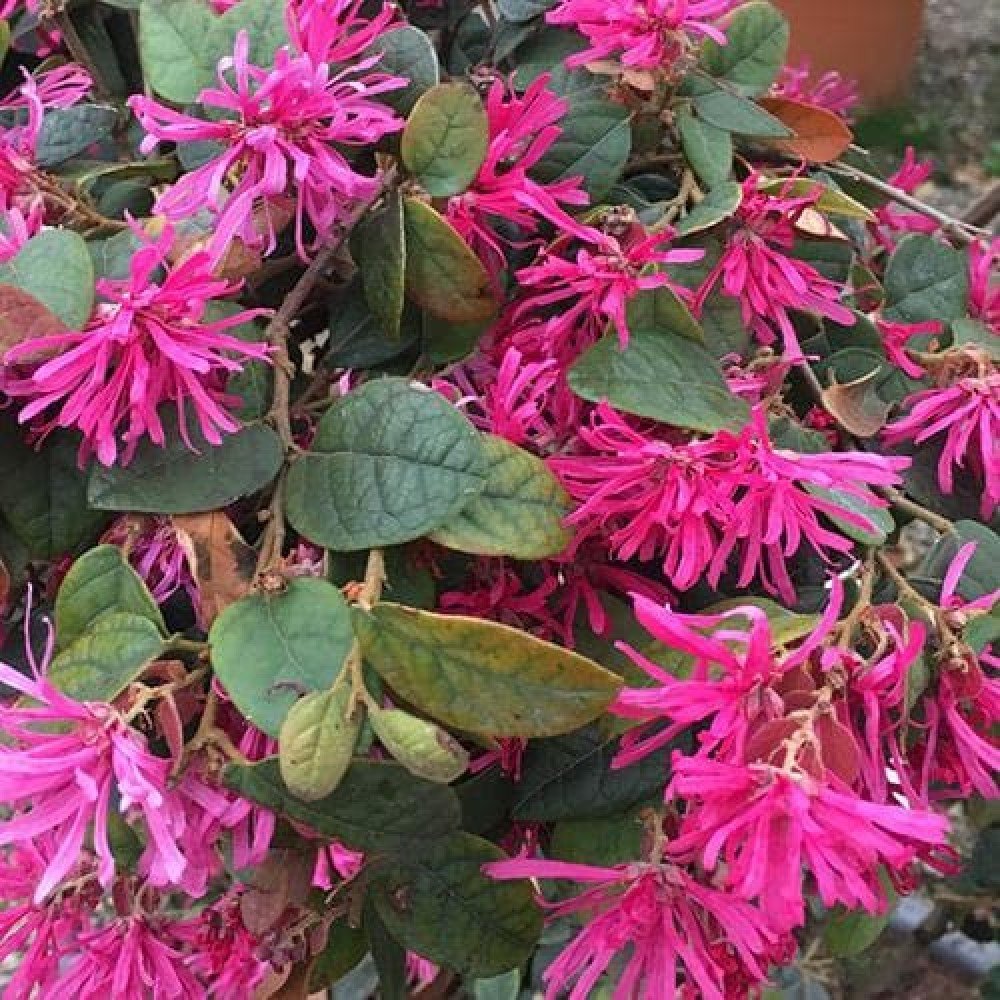
- Purple, burgundy, or green foliage depending on variety
- Long blooming season, typically in spring with repeat blooms
- Strong adaptability to gardens, hedges, containers, and bonsai
Depending on cultivar, Loropetalum can grow as a groundcover, compact shrub, or small tree.
How to Grow Fringe Flower Successfully
Ideal Climate and Hardiness
- Best suited for USDA zones 7–10
- Thrives in warm, humid climates
- Tolerates mild frost once established
Sunlight Requirements
- Full sun to partial shade
- Full sun enhances flower production and deep foliage color
- Partial shade is beneficial in very hot regions
Soil Requirements
- Well-draining, slightly acidic soil (pH 5.0–6.5)
- Rich in organic matter
- Avoid heavy clay or waterlogged soils
Watering Needs
- Moderate watering during establishment
- Drought-tolerant once mature
- Avoid overwatering to prevent root rot
Fertilization
- Apply a balanced, slow-release fertilizer in early spring
- Acid-loving plant fertilizers enhance growth and leaf color
Pruning and Maintenance
- Minimal pruning required
- Prune after flowering to maintain shape
- Can be trained as hedges, standards, or bonsai
How to Propagate Fringe Flower
Propagation is relatively easy and can be done through several methods.
1. Propagation from Cuttings (Most Effective)
- Take semi-hardwood cuttings in late spring or summer
- Cut 4–6 inch healthy stems
- Remove lower leaves and dip in rooting hormone
- Plant in moist, well-draining medium
- Keep warm and humid until roots develop
2. Layering Method
- Bend a low branch to the ground
- Lightly wound the stem and cover with soil
- Roots develop in a few months
- Separate and transplant once established
3. Seed Propagation
- Rarely used due to slow growth
- Seeds require stratification
- Not true to parent variety
Popular Varieties of Loropetalum chinense
Choosing the right variety depends on landscape size, color preference, and growth habit.
Purple-Leaved Varieties
- ‘Ruby’ – Compact with bright pink flowers
- ‘Burgundy’ – Deep purple foliage, vigorous growth
- ‘Plum Delight’ – Rich foliage with heavy flowering
Green-Leaved Varieties
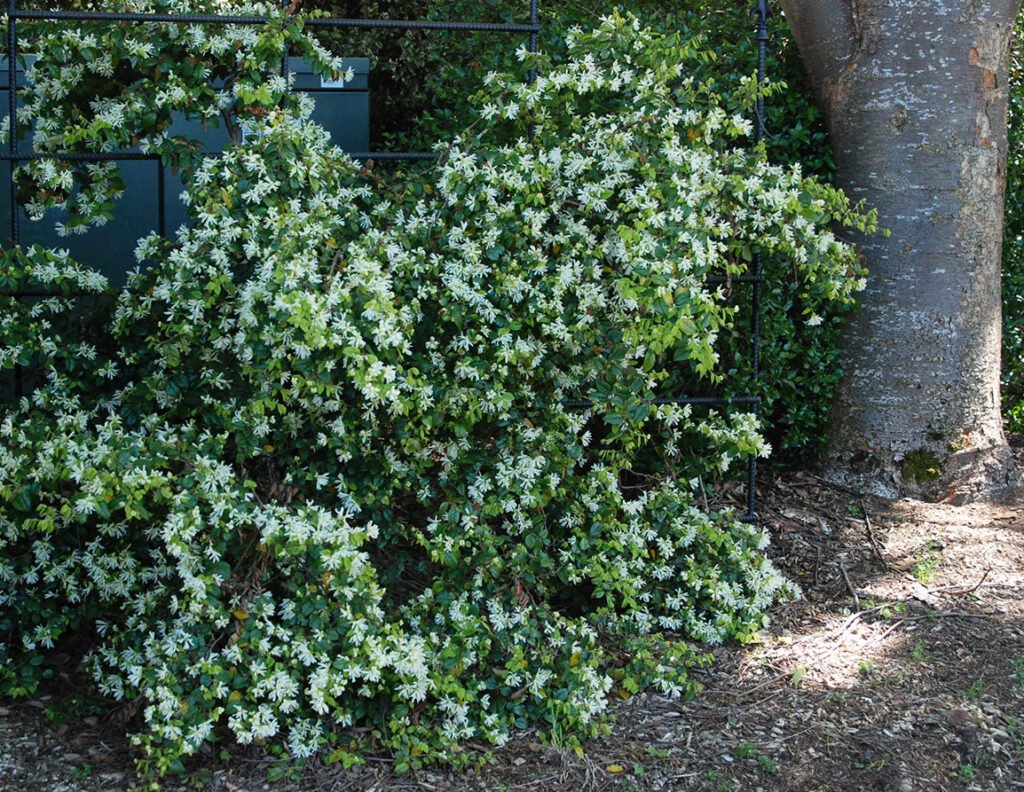
- Loropetalum chinense var. chinense – White flowers, classic look
- ‘Carolina Moonlight’ – Soft green leaves, elegant appearance
Dwarf and Compact Varieties
- ‘Purple Pixie’ – Low-growing, spreading habit
- ‘Crimson Fire’ – Ideal for borders and containers
Landscaping and Decorative Uses
Fringe Flower is extremely versatile in landscape design.
Common Uses
- Ornamental hedges and privacy screens
- Accent shrubs in garden beds
- Foundation planting
- Container gardening
- Bonsai and patio trees
Design Benefits
- Year-round foliage interest
- Striking contrast with green plants
- Attracts pollinators like bees and butterflies
Traditional and Practical Uses
- Historically grown in East Asian gardens for aesthetics
- Related species used in traditional herbal practices
- Valued primarily as an ornamental rather than medicinal plant
Food Options and Edibility of Fringe Flower
Is Loropetalum Edible?
- Not commonly considered an edible plant
- No widespread culinary use in modern diets
- Flowers and leaves are not recommended for consumption
Important Safety Note
While Loropetalum is not known to be highly toxic, it is not classified as a food plant. Consumption should be avoided unless guided by professional botanical or herbal expertise.
Harvesting Fringe Flower
Although not harvested for food, Loropetalum can be harvested for decorative and horticultural purposes.
What Can Be Harvested?
- Flowering branches for floral arrangements
- Pruned stems for propagation
- Branches for bonsai shaping
Best Time to Harvest
- Early morning for fresh flowers
- Late spring after peak bloom for pruning
Harvesting Tips
- Use clean, sharp pruning tools
- Avoid removing more than one-third of the plant at a time
- Water well after pruning
Common Problems and Solutions
Pests
- Aphids
- Spider mites
- Scale insects
Solution: Use neem oil or insecticidal soap as needed
Diseases
- Root rot from poor drainage
- Leaf discoloration from alkaline soil
Solution: Improve drainage and maintain acidic soil
Benefits of Growing Fringe Flower
- Low maintenance and drought tolerant
- Long blooming season
- Excellent color contrast in gardens
- Suitable for beginners and experienced gardeners
Final Thoughts
Fringe Flower (Loropetalum chinense) is a standout ornamental shrub that offers beauty, adaptability, and ease of care. Whether you’re designing a colorful hedge, growing a container specimen, or experimenting with bonsai, this plant delivers year-round appeal with minimal effort.
By understanding how to grow, propagate, select varieties, use, and harvest Loropetalum, you can confidently add this stunning shrub to your landscape and enjoy its vibrant charm for years to come.


&media=https://food-foresting.com/wp-content/uploads/2026/01/Loropetalum_chinense_many_flowers-1024x768-1.jpg)