
 paulius.mikoliunas1
| Common Name | Garland Spiraea, Foam of May, Bridal Wreath |
| Family | Rosaceae |
| USDA hardiness | 4-8 |
| Known Hazards | None known |
| Habitats | Not known in the wild. |
| Range | A hybrid of garden origin, possibly S. thunbergii x S. x multiflora. |
| Edibility Rating |  (0 of 5) (0 of 5) |
| Other Uses |   (3 of 5) (3 of 5) |
| Weed Potential | No |
| Medicinal Rating |  (0 of 5) (0 of 5) |
| Care (info) |     |





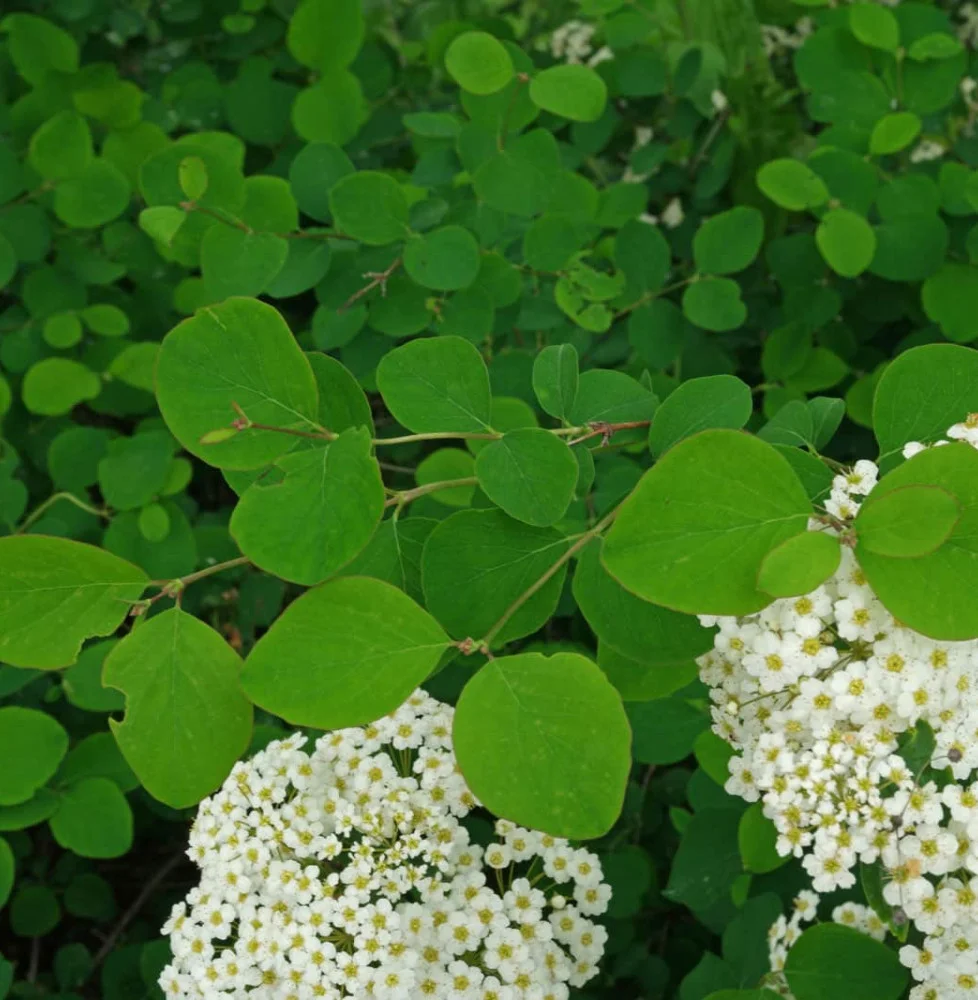
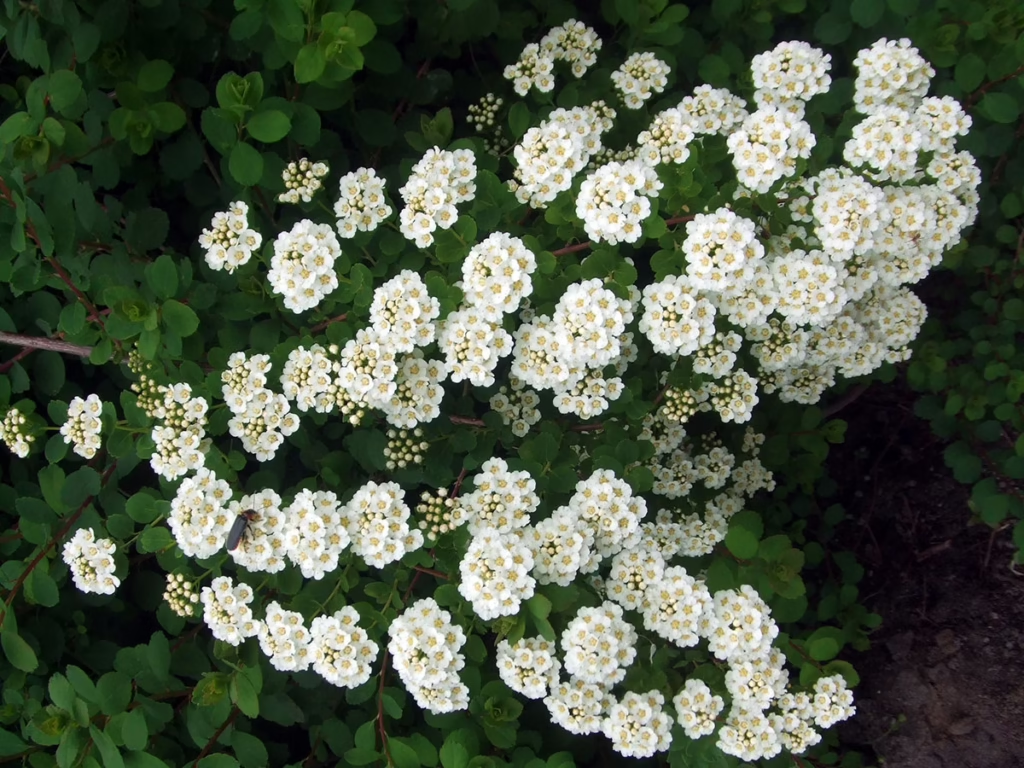
Growing Garland Spiraea (Spiraea × arguta): A Complete Guide to Care, Propagation, Uses, and Harvest
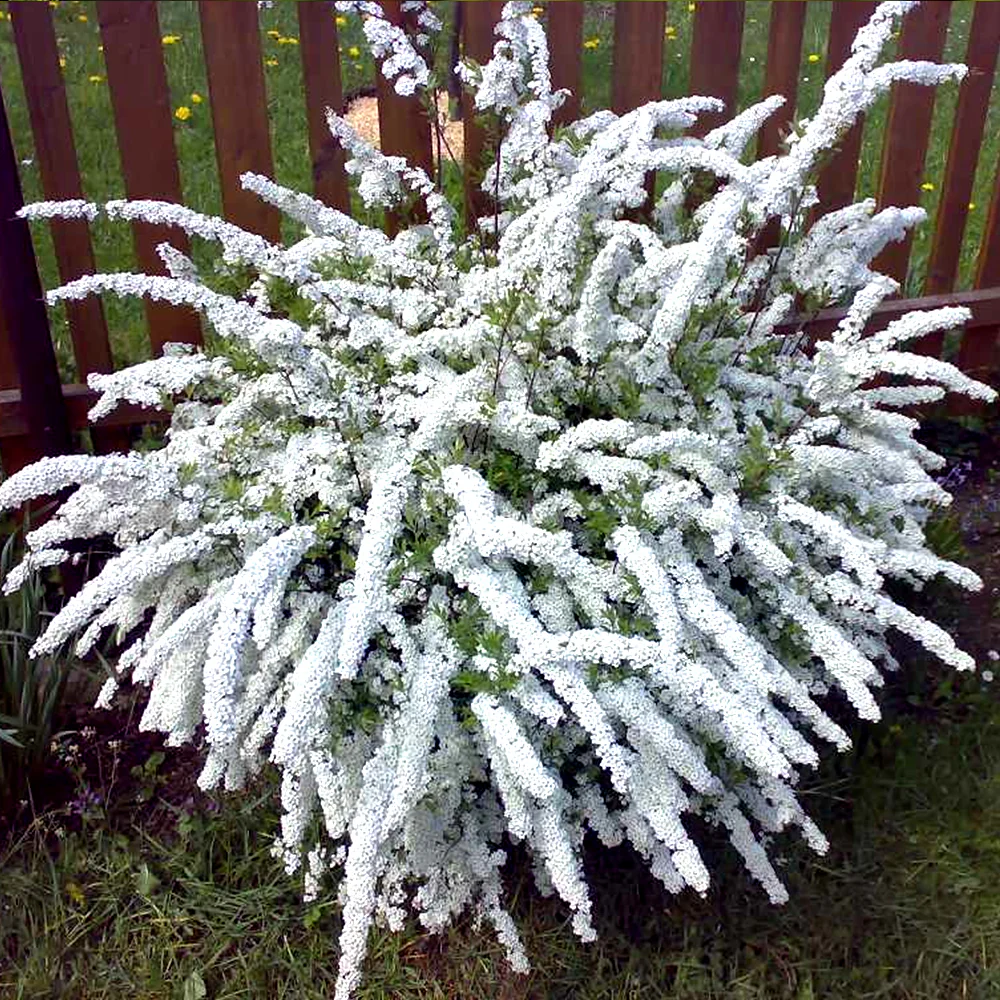
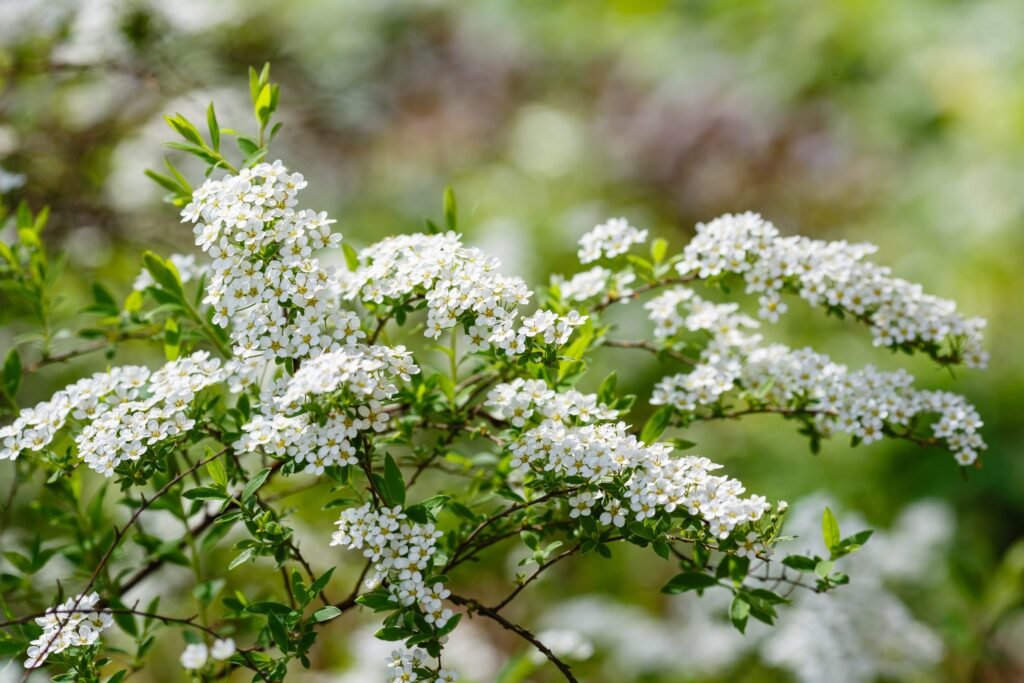
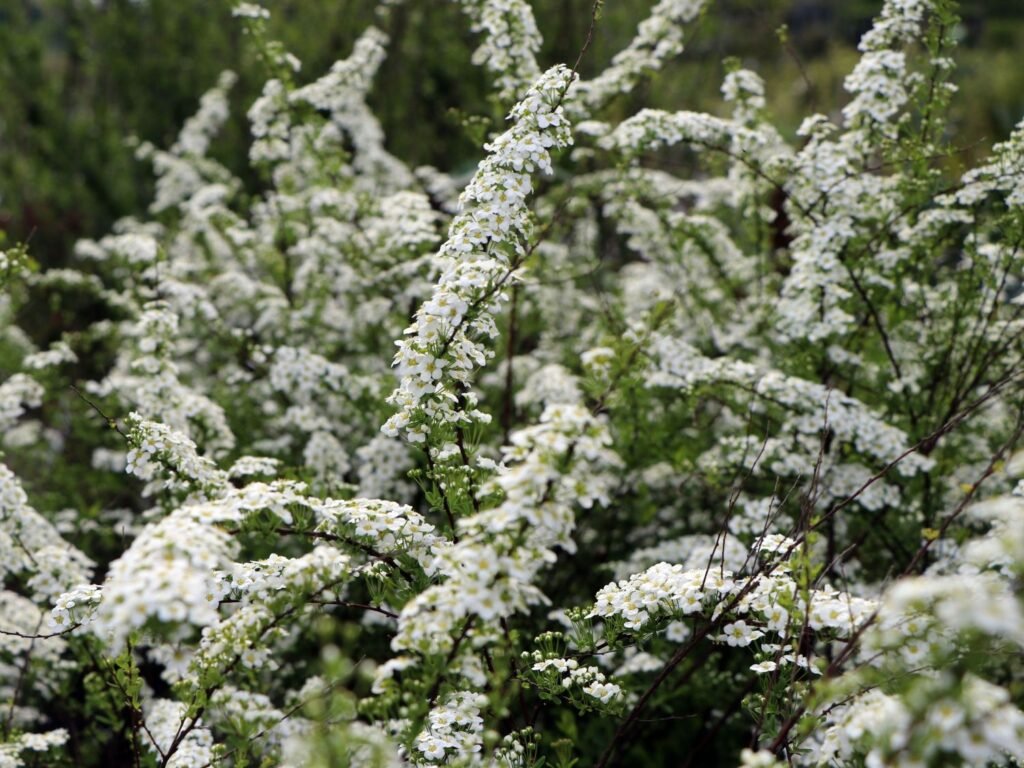
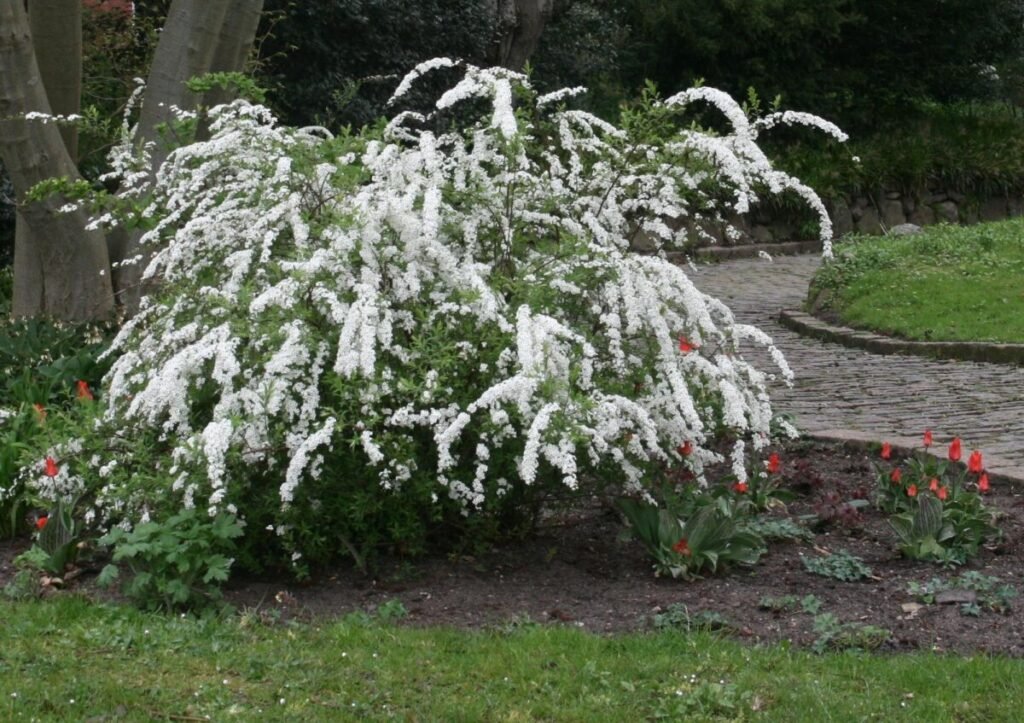
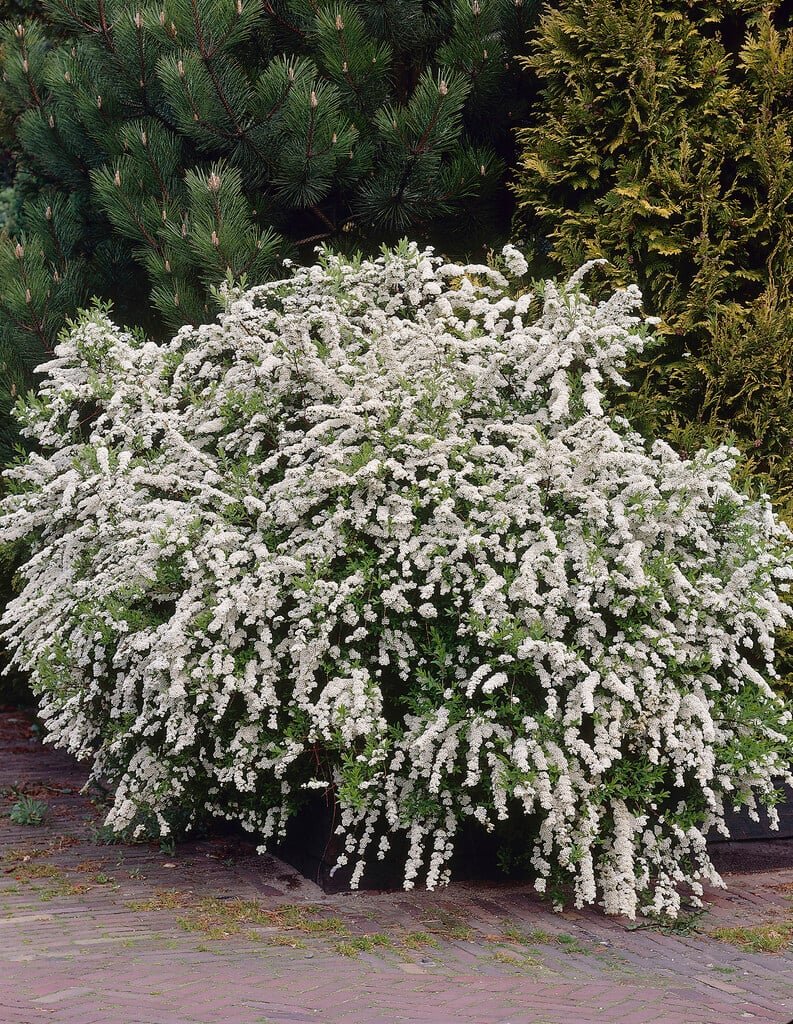
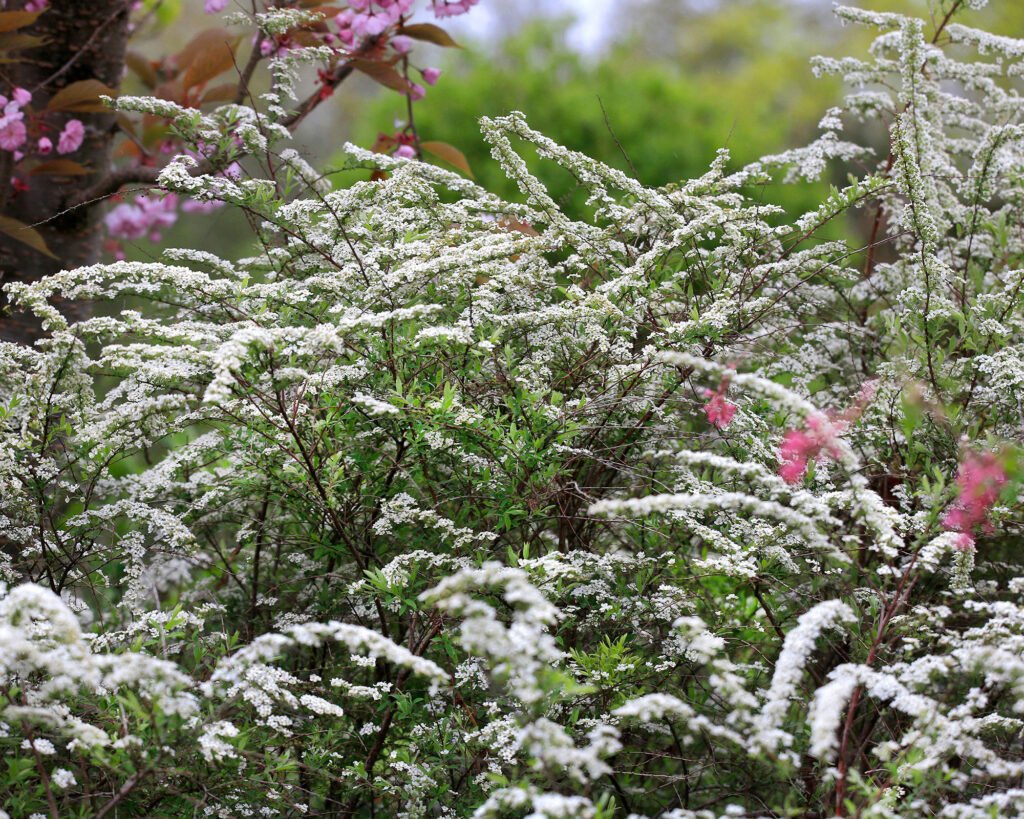
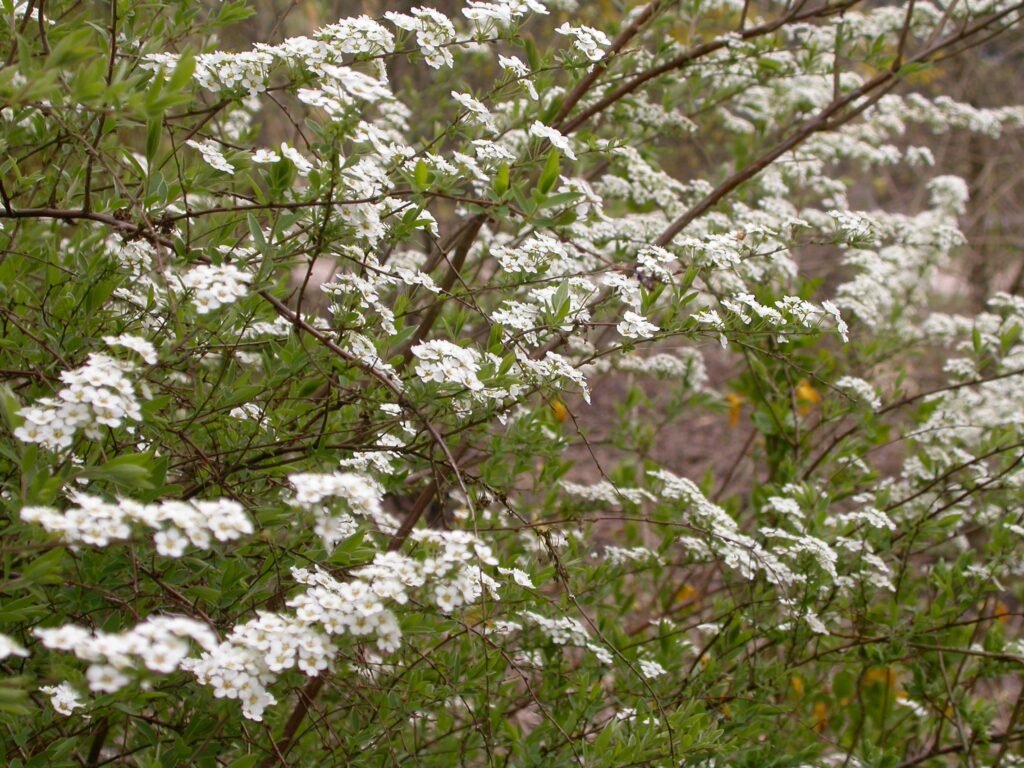
Garland Spiraea (Spiraea × arguta), often called bridal wreath spirea, is a spring-flowering ornamental shrub admired for its arching branches and cascades of tiny white blossoms. Besides its romantic look, the plant is surprisingly low-maintenance and versatile in garden planning. In this guide, we’ll explore how to grow it, how to propagate it, lesser-known varieties, potential uses, and whether this ornamental has food-related or harvest potential.
What Makes Garland Spiraea Special?
- Elegant, fountain-like branching habit
- Early spring flowering (often before leaves fully emerge)
- Highly adaptable to soil and climate
- Drought-tolerant once established
- Attractive to pollinators, especially bees and hoverflies
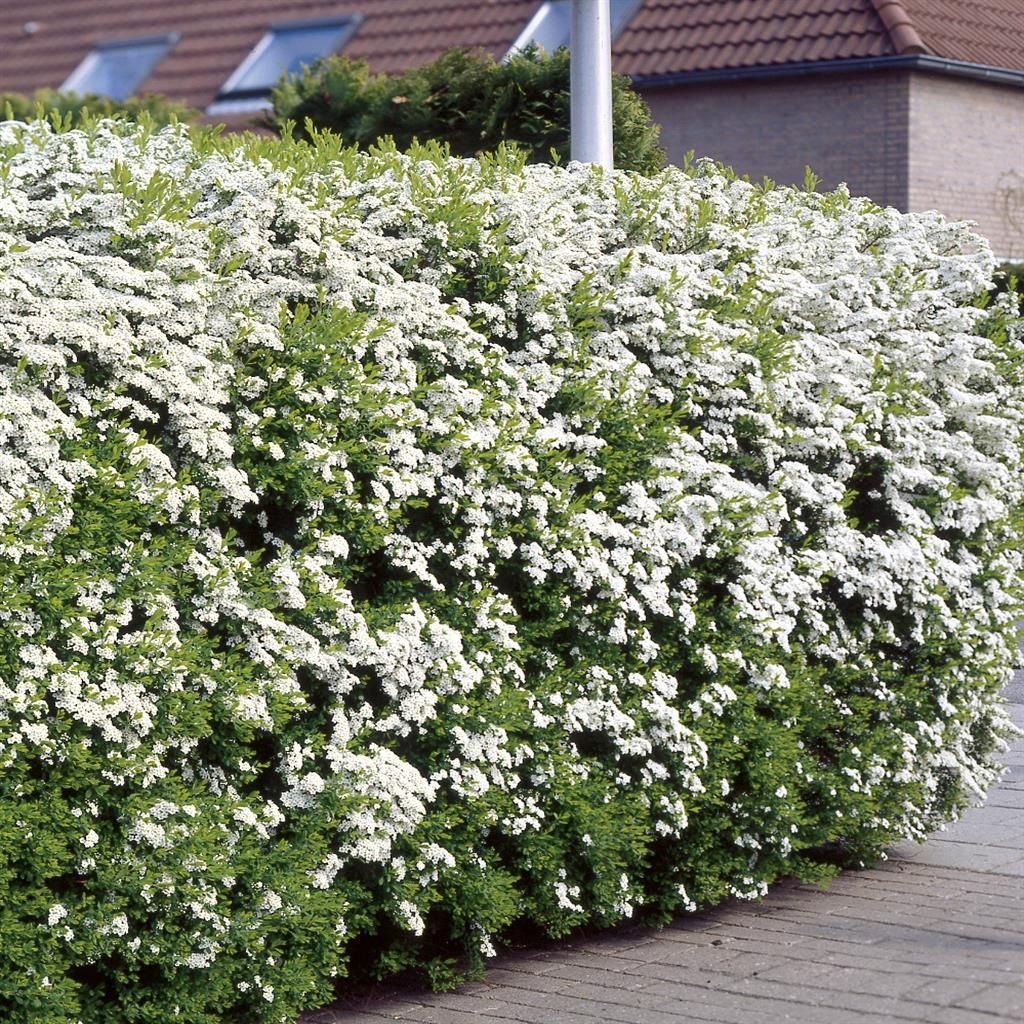
- Works well in hedges, borders, cottage gardens, and cut-flower arrangements
The plant is a hybrid between Spiraea thunbergii and Spiraea × multiflora, resulting in increased cold tolerance and heavy bloom production.
How to Grow Garland Spiraea
Climate & Hardiness
- USDA Zones: typically 4–8
- Handles winter chill and light frost
- Prefers mild to warm summers
Soil Requirements
Garland Spiraea isn’t fussy. For best performance, aim for:
- Well-drained soils (loam, clay-loam, sandy loam)
- Slightly acidic to neutral pH (6.0–7.2)
- Moderate organic matter
Amending with compost in early spring boosts flower density.
Light Exposure
- Full sun = maximum blooms
- Partial shade = reduced flowering and leggier growth
A south- or west-facing spot usually delivers excellent results.
Watering
Once established, the shrub becomes drought-tolerant, but during the first year:
- Water deeply every 7–10 days in summer
- Avoid soggy soil—root rot reduces vigor and bloom
Fertilization
Minimal feeding is required. For optimal floral display:
- Apply slow-release balanced fertilizer in early spring
- Add light compost topdressing annually
Avoid high-nitrogen products that encourage leaf production over blooms.
Pruning & Maintenance
Garland Spiraea blooms on old wood, meaning flower buds form the previous season. Therefore:
- Prune right after flowering, not in winter
- Remove older canes to rejuvenate plant structure
- Light thinning encourages arching form and airflow
A well-pruned shrub will bloom more prolifically and resist fungal issues.
Propagation Methods
Propagation is straightforward and reliable through:
1. Softwood Cuttings
- Best taken: late spring to early summer
- Cut: 6–8 inches with a few leaf nodes
- Dip in rooting hormone (optional)
- Plant in moist, sterile medium
- Rooting time: 4–6+ weeks
2. Hardwood Cuttings
- Taken in late fall to winter
- Requires cold-frame or sheltered rooting
- Slower but high success rate
3. Layering
- Bend a young branch to the soil
- Pin and bury node sections
- Rooting occurs by next spring
- Severe pruning not required
4. Division
Rarely used because the shrub forms woody canes rather than clumping crowns.
Propagation allows gardeners to expand hedges or share plants with minimal cost.
Popular Varieties & Related Spiraea Types
Though Spiraea × arguta itself isn’t highly varietal, gardeners often pair it with other spring and summer Spiraea species:
- Spiraea thunbergii (Thunberg or Baby’s Breath Spirea)
- Spiraea nipponica ‘Snowmound’
- Spiraea japonica (summer-blooming, colorful foliage forms)
- Spiraea × vanhouttei (Van Houtte Spirea / Bridal Wreath)
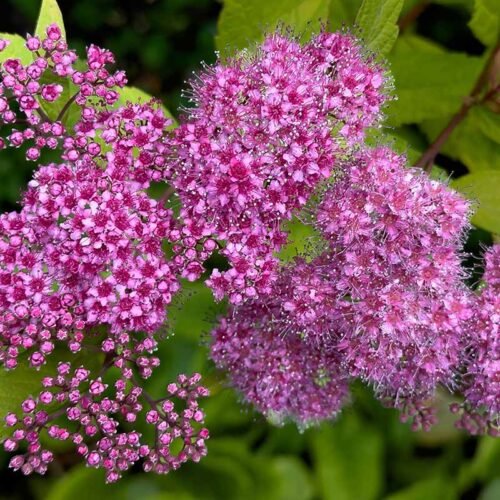
These variants extend the flowering season from early spring to midsummer and diversify color palettes from white to deep pink.
Uses and Functional Value
1. Ornamental Landscaping
Primary use is aesthetic. Ideal for:
- Cottage gardens
- Woodland borders
- Foundation plantings
- Hedge rows
- Mass plantings
2. Pollinator Attraction
The plant feeds early-season pollinators when other flowers are still dormant. This contributes to healthier garden ecosystems.
3. Cut Flowers & Decor
Arching buds make striking:
- Spring bouquets
- Event arrangements
- Bridal decorations (hence the nickname)
4. Erosion Control
Dense root systems stabilize slopes and embankments.
Food & Edible Potential
While many spiraeas were historically used in herbal or medicinal contexts, Garland Spiraea is generally not considered a common edible plant. There are no widely documented culinary uses for the leaves, flowers, or roots in modern food culture, and consumption is not recommended without expert ethnobotanical verification.
However, its value to pollinators indirectly supports food gardening, as bee populations benefit from early nectar sources.
Harvesting & Seasonal Interest
When to Harvest
If harvesting for floral arrangements:
- Cut stems during peak bloom (spring)
- Harvest in the cool morning for longer vase life
- Immediately hydrate cut stems
Seasonal Performance
- Spring: heavy bloom
- Summer: green foliage, low maintenance
- Fall: occasional yellowish tint
- Winter: structural interest with bare branches
Common Problems & Pests
Garland Spiraea is mostly trouble-free. Occasionally gardeners may encounter:
- Powdery mildew (in humid shade)
- Aphids
- Spider mites
- Fire blight (rare)
- Root rot (due to excess water)
Air circulation, correct watering, and spring pruning help prevent issues.
Companion Planting Ideas
Pairs well with:
- Flowering bulbs (daffodils, tulips)
- Viburnums
- Boxwoods
- Japanese maple
- Early roses
Companion planting enhances garden texture, bloom staggering, and color contrast.
Final Thoughts
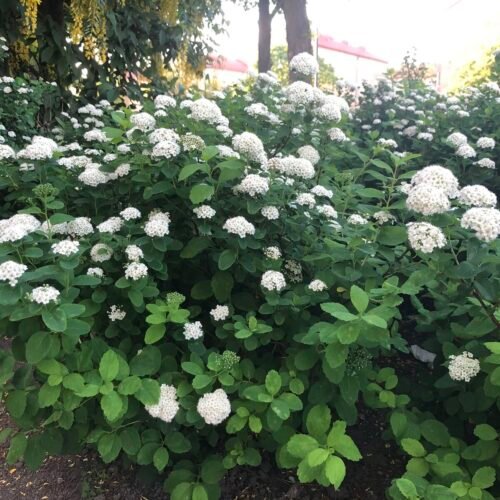
Garland Spiraea (Spiraea × arguta) is a superb low-effort, high-impact ornamental shrub. Whether you’re designing a classic hedge, attracting pollinators, or carving out a romantic spring moment in the garden, this hybrid offers reliability and elegance with minimal upkeep.
For gardeners seeking an undemanding, long-lived centerpiece, it’s a top contender well worth growing and—if you’re ambitious—propagating for future plantings.


&media=https://food-foresting.com/wp-content/uploads/2026/01/brautspiere-schneespiere-spiraea-arguta.jpg)