
 paulius.mikoliunas1
| Common Name | Goumi, Cherry silverberry |
| Family | Elaeagnaceae |
| USDA hardiness | 5-9 |
| Known Hazards | None known |
| Habitats | Thickets and thin woods in hills and on lowland, at elevations of 600 – 1800 metres. |
| Range | E. Asia – China and Japan. |
| Edibility Rating |  (5 of 5) (5 of 5) |
| Other Uses |   (3 of 5) (3 of 5) |
| Weed Potential | No |
| Medicinal Rating |   (2 of 5) (2 of 5) |
| Care (info) |      |
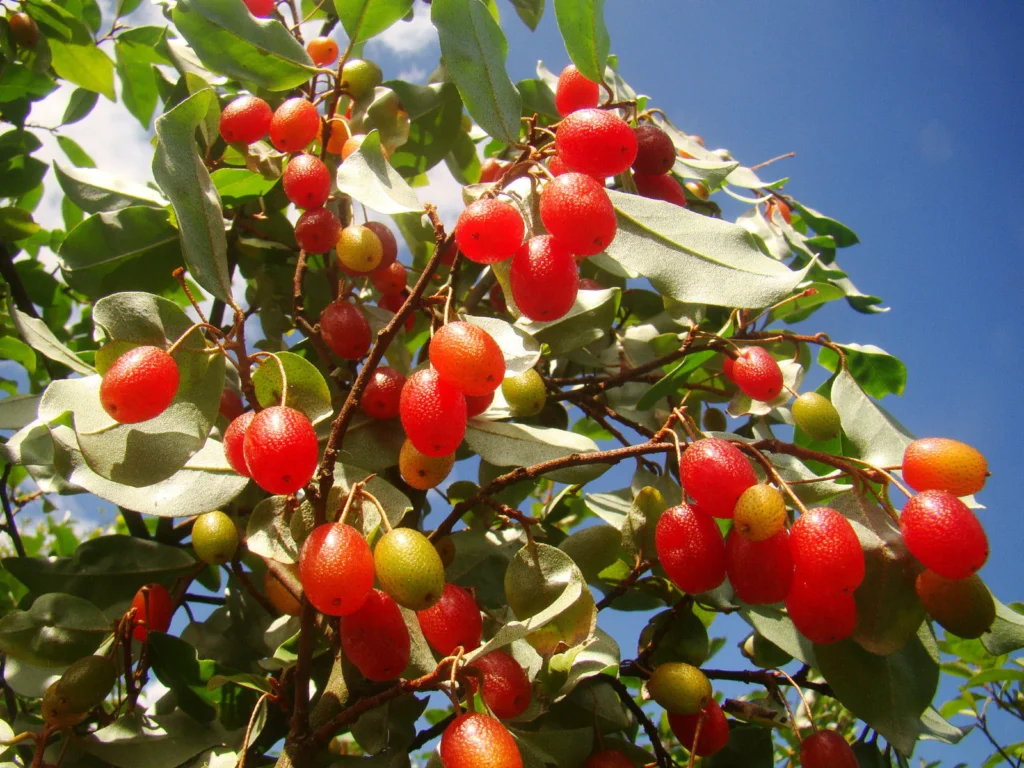
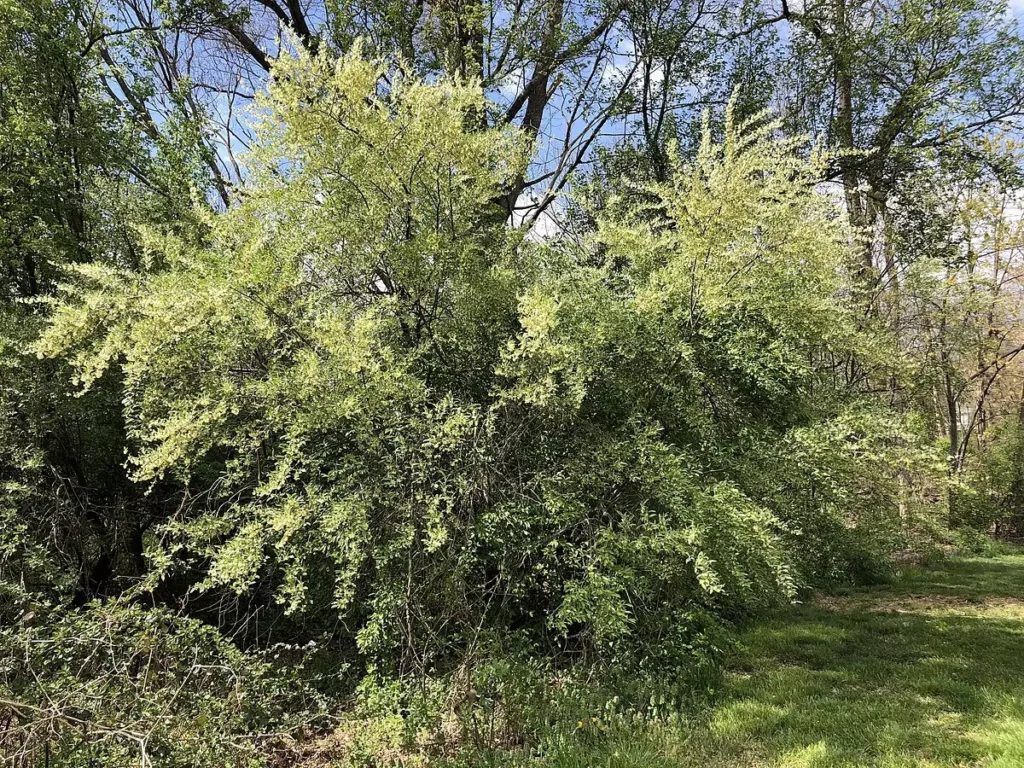
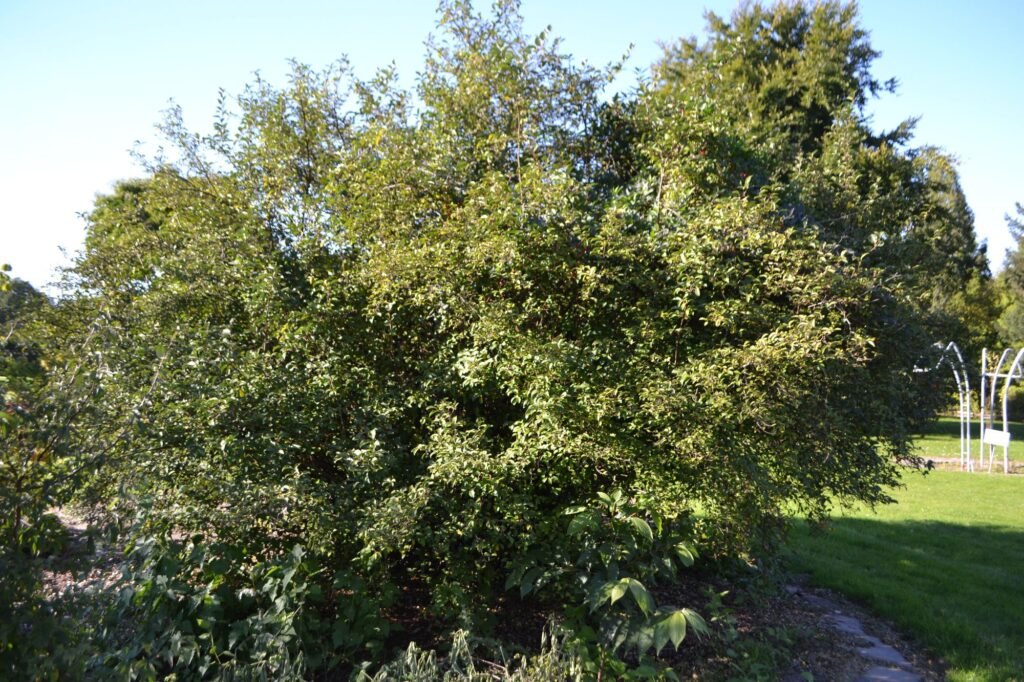
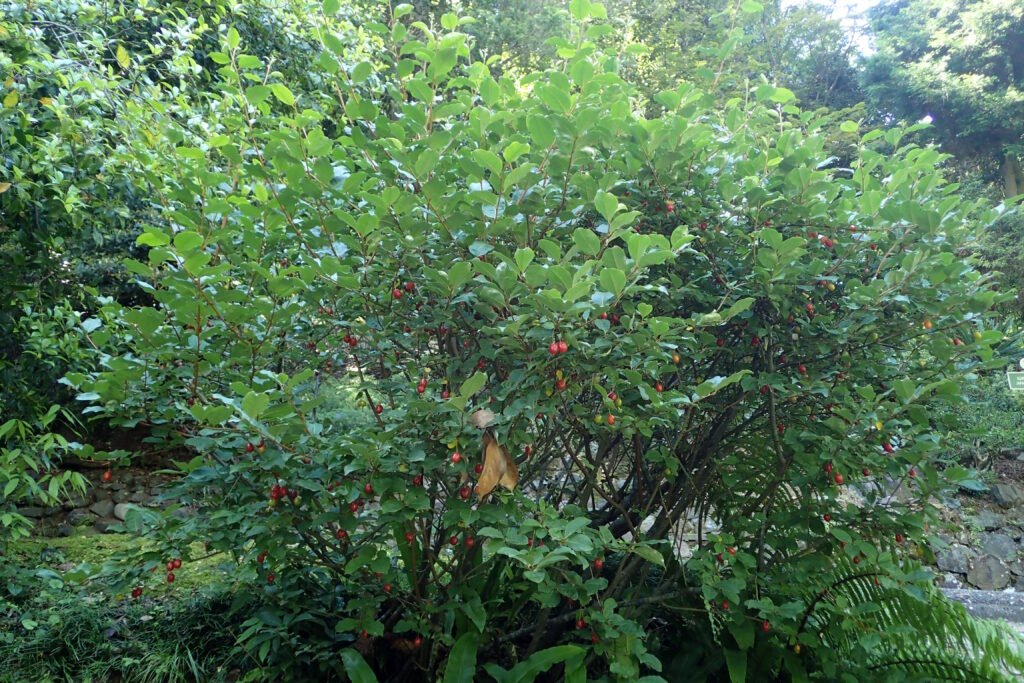
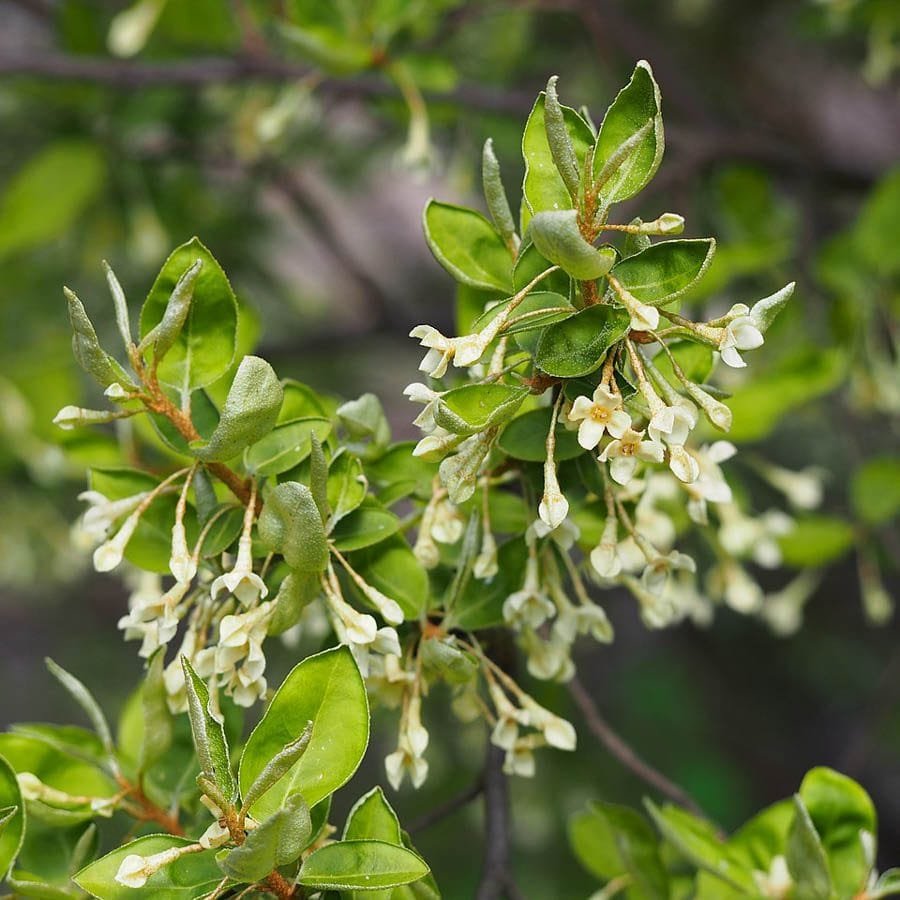
Goumi Berry (Elaeagnus multiflora): How to Grow, Propagate, Harvest, and Use This Forgotten Superfruit
Goumi berry, scientifically known as Elaeagnus multiflora, is one of those rare plants that quietly does everything right. It’s hardy, nitrogen-fixing, drought-tolerant, productive, ornamental, and edible — yet still surprisingly unknown to many gardeners and homesteaders.
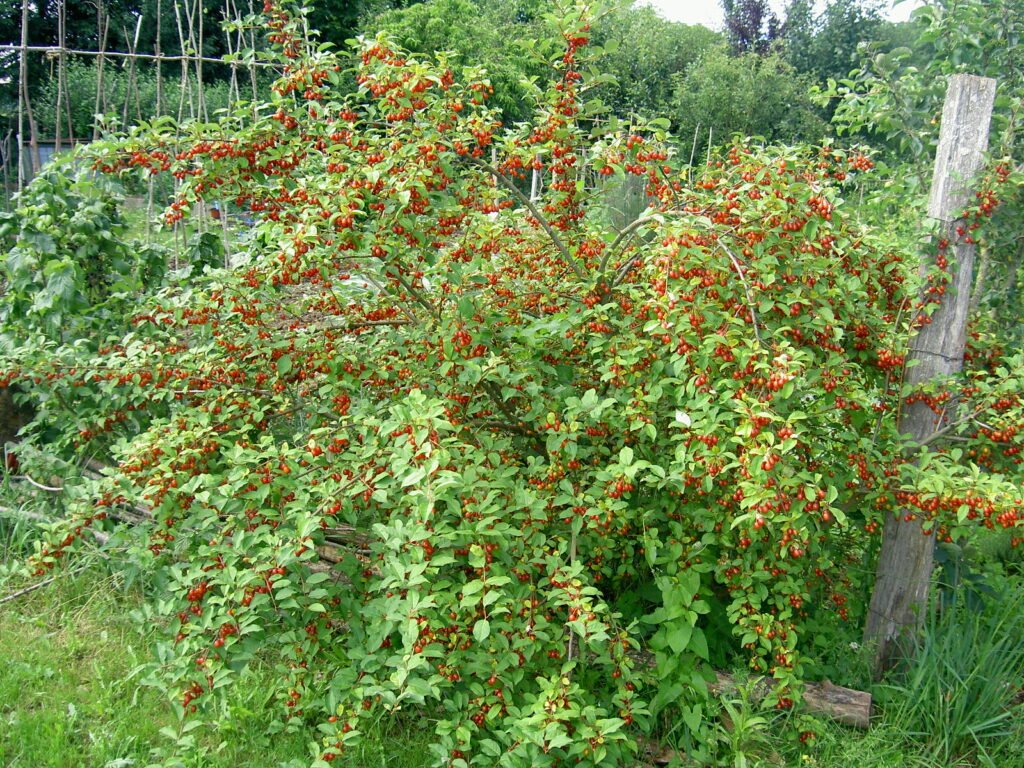
Often called cherry silverberry, Japanese silverberry, or simply goumi, this shrub produces bright red, tart-sweet berries packed with antioxidants and culinary potential. If you’re looking for a low-maintenance fruit plant that thrives where others struggle, goumi might be your new favorite.
This in-depth guide explores how to grow goumi, how to propagate it, popular varieties, harvesting tips, food uses, and why it deserves a place in your garden.
What Is Goumi Berry?
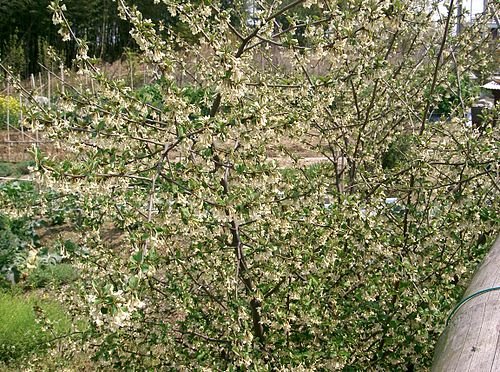
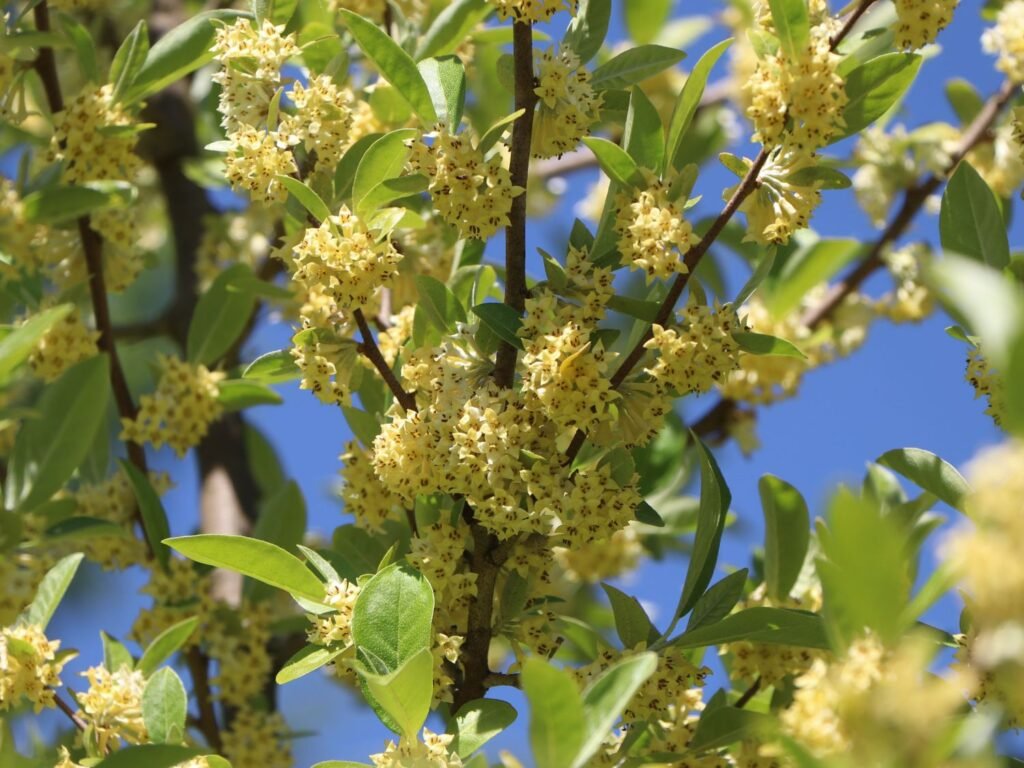
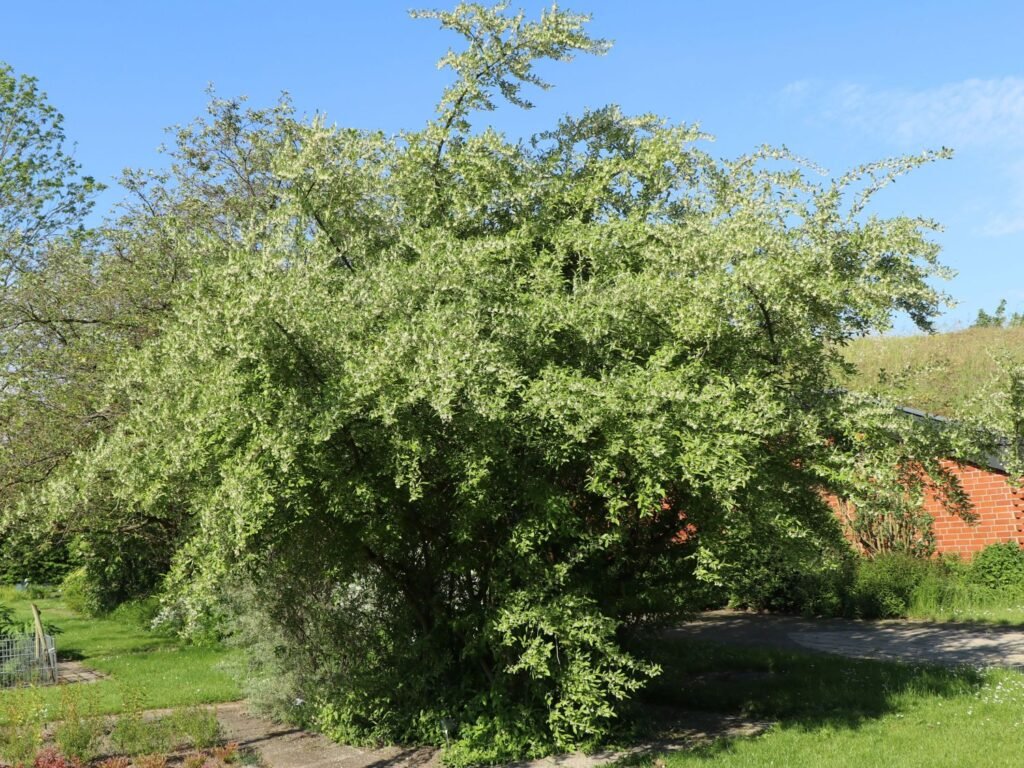
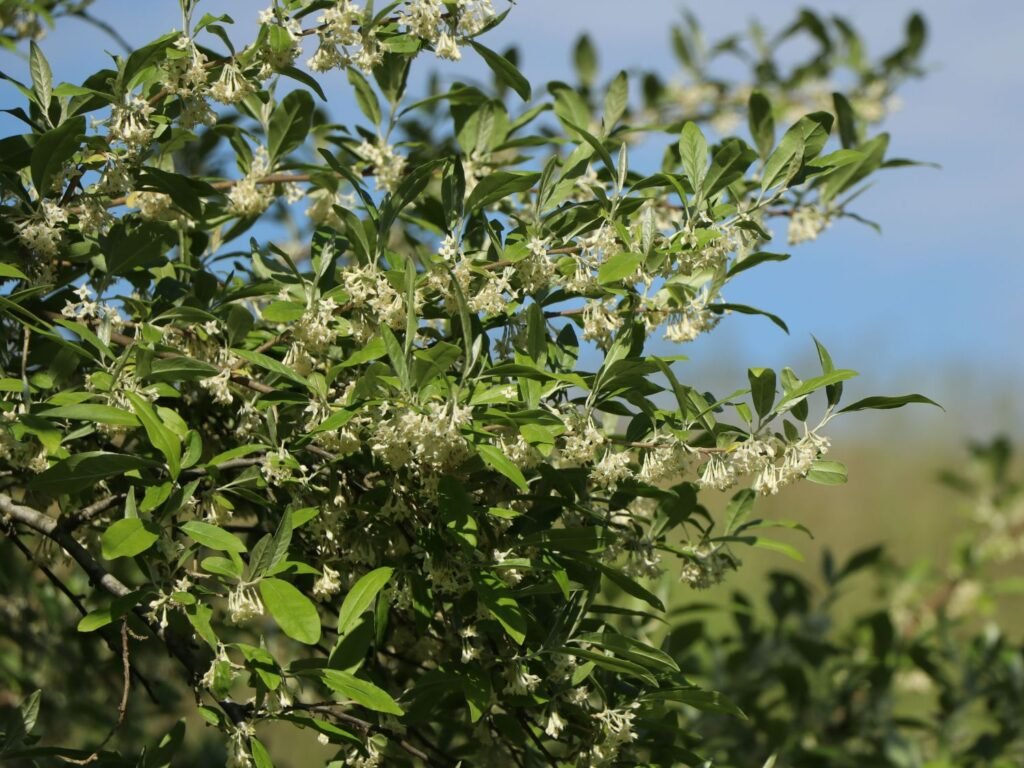
Goumi is a deciduous shrub native to East Asia and belongs to the Elaeagnaceae family. It typically grows 6–10 feet tall with silvery leaves and fragrant spring flowers that attract pollinators.
One of goumi’s most valuable traits is its ability to fix nitrogen in the soil, improving fertility for nearby plants — making it an excellent companion plant in permaculture systems.
How to Grow Goumi Berry Successfully
Climate and Hardiness
Goumi thrives in USDA hardiness zones 4–8, tolerating cold winters and hot summers with ease. It’s especially well-suited for temperate regions.
Sunlight Requirements
- Best fruit production: Full sun
- Acceptable growth: Partial shade
More sun equals sweeter berries and heavier yields.
Soil Preferences
One of goumi’s biggest strengths is its adaptability:
- Grows in poor, sandy, or clay soils
- Prefers well-drained soil
- Tolerates slightly acidic to neutral pH
- Handles drought once established
Because it fixes nitrogen, goumi rarely needs fertilizer.
Watering Needs
- Young plants: Regular watering until established
- Mature plants: Minimal watering, drought-tolerant
Overwatering is far more harmful than underwatering.
Pruning and Maintenance
Goumi is naturally well-shaped but benefits from light pruning:
- Prune in late winter or early spring
- Remove dead or crossing branches
- Shape lightly to encourage airflow
Avoid heavy pruning, as berries form on older wood.
How to Propagate Goumi Berry
Goumi can be propagated in several ways, making it ideal for gardeners who love multiplying plants.
1. Seed Propagation
- Collect ripe berries and remove seeds
- Cold-stratify seeds for 2–3 months
- Germination may take time and patience
Seed-grown plants may vary in fruit quality.
2. Softwood or Hardwood Cuttings
This is the most reliable method.
- Take cuttings in late spring (softwood) or winter (hardwood)
- Use rooting hormone for better success
- Plant in moist, well-drained medium
Cuttings produce plants identical to the parent.
3. Layering
- Bend a low branch to the ground
- Bury part of the stem
- Roots form naturally over time
This is a nearly foolproof method.
Popular Goumi Varieties
While not widely commercialized, several selections stand out:
Sweet Scarlet Goumi
- Sweeter than wild types
- Heavy producer
- Excellent for fresh eating
Red Gem Goumi
- Larger berries
- Balanced sweet-tart flavor
- Ideal for preserves
Seedling Goumi
- Variable fruit quality
- Often more tart
- Extremely hardy
Named cultivars are usually preferred for flavor, while seedlings excel for resilience.
When and How to Harvest Goumi Berries
Harvest Time
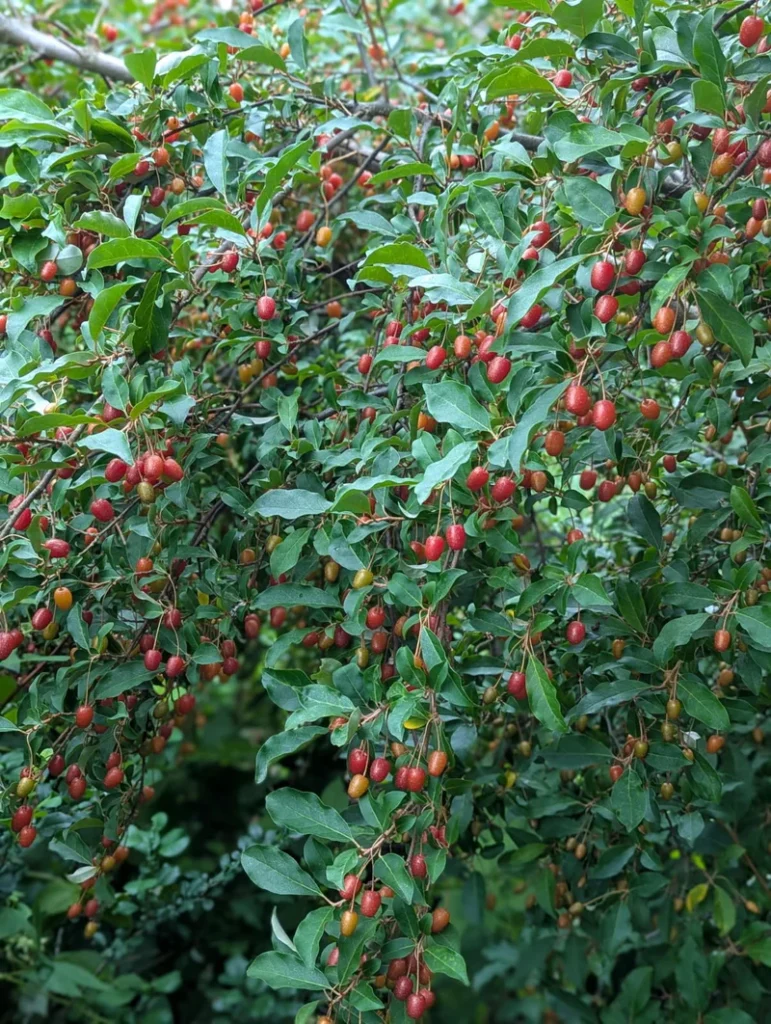
Goumi berries ripen in late spring to early summer, often earlier than most other fruits.
Signs of Ripeness
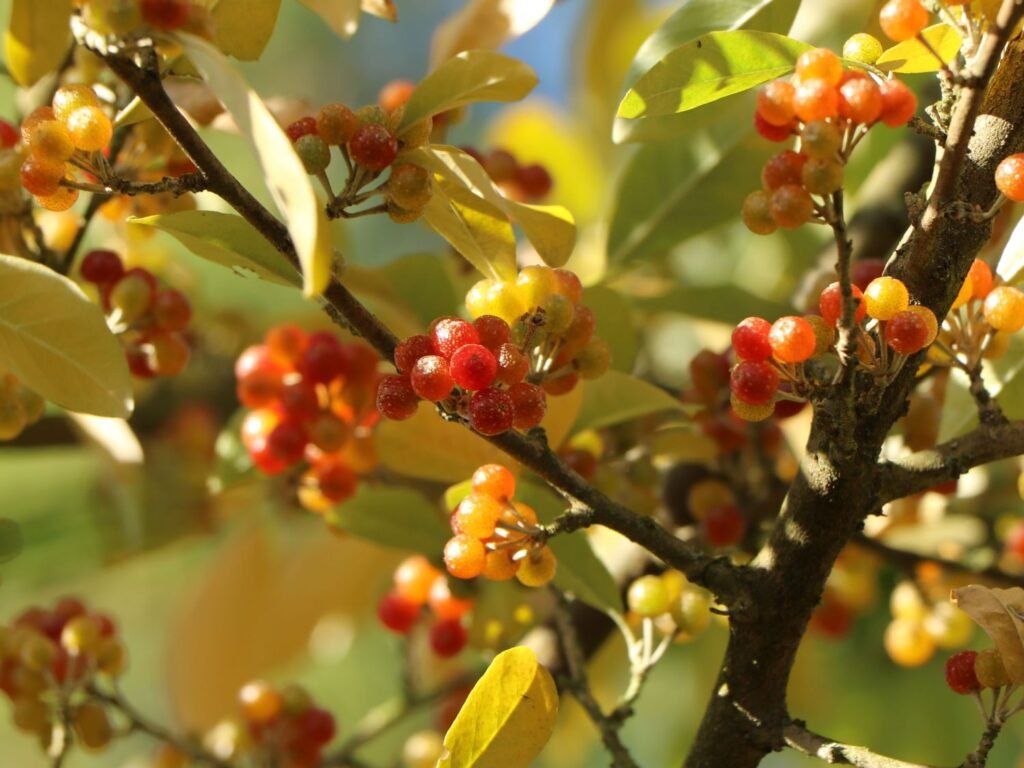
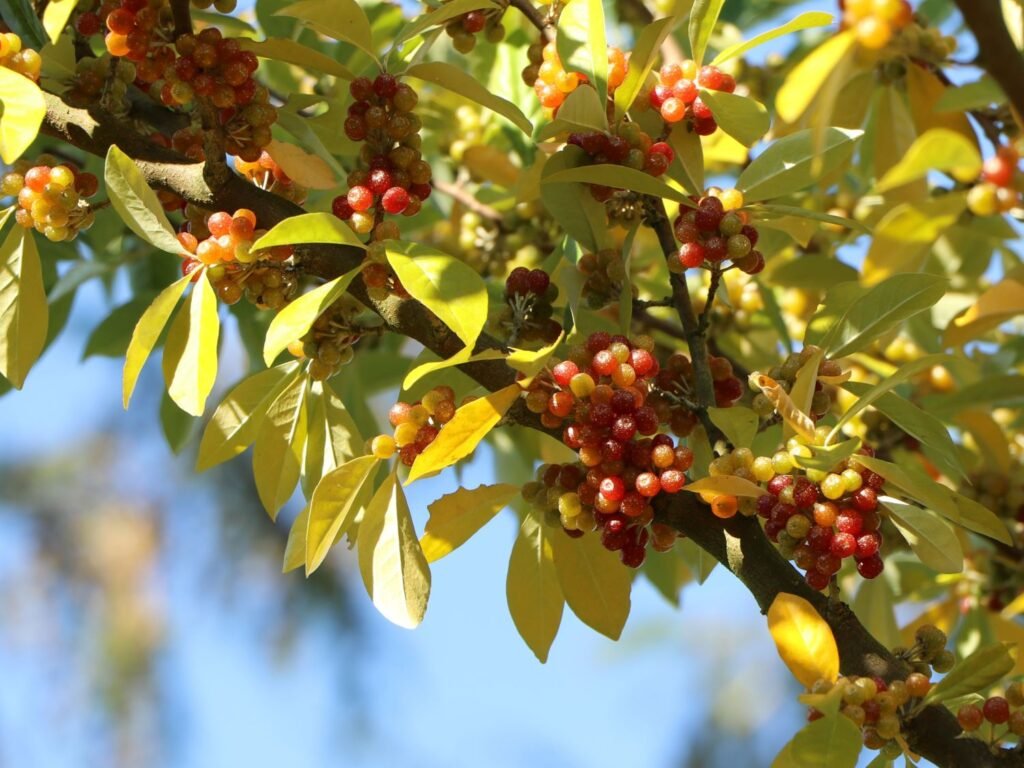
- Bright red color with silver speckles
- Slight softness when gently squeezed
- Easy detachment from branches
Unripe berries are extremely tart, so patience matters.
Harvesting Tips
- Hand-pick gently to avoid damaging branches
- Harvest in stages, as berries ripen unevenly
- Birds love goumi — netting may be helpful
What Do Goumi Berries Taste Like?
Goumi berries have a complex sweet-tart flavor, often described as:
- A mix of cherry, cranberry, and pomegranate
- Tangy when fresh
- Mellow and rich when cooked or sweetened
Flavor improves significantly when berries are fully ripe.
Culinary Uses and Food Options with Goumi
Goumi berries shine in the kitchen, especially in processed forms.
Fresh Uses
- Fresh snacking (for tart-fruit lovers)
- Mixed into fruit salads
- Added to smoothies
Cooked and Preserved Foods
- Goumi jam and jelly
- Syrups and sauces
- Fruit leather
- Goumi wine or mead
- Chutneys and relishes
Baked Goods
- Goumi pies
- Muffins and quick breads
- Tarts and pastries
Because of their natural acidity, goumi berries pair beautifully with honey, sugar, apples, or sweeter fruits.
Nutritional and Medicinal Benefits of Goumi
Goumi berries are often considered a functional food due to their nutrient density.
They are rich in:
- Lycopene (often higher than tomatoes)
- Vitamin A
- Vitamin C
- Antioxidants
Traditionally, goumi has been used to support digestion and general wellness.
Landscaping and Permaculture Uses
Goumi isn’t just edible — it’s practical.
- Nitrogen fixer improves surrounding soil
- Excellent hedge or windbreak
- Wildlife-friendly (pollinators and birds)
- Erosion control on slopes
It pairs well with fruit trees, berries, and food forests.
Common Problems and Pests
Goumi is remarkably trouble-free.
- Rarely affected by pests
- Disease resistance is high
- Main competition: birds eating ripe fruit
Netting is usually the only protection needed.
Why Goumi Berry Deserves More Attention
Goumi is the kind of plant gardeners dream about:
- Low maintenance
- High productivity
- Beautiful and edible
- Soil-improving
- Early-season harvest
In a world of fussy fruit trees and high-input gardening, goumi stands out as a resilient, generous, and underappreciated superfruit.
If you’re building a sustainable garden, permaculture system, or simply want something different and rewarding — goumi berry is absolutely worth growing.




&media=https://food-foresting.com/wp-content/uploads/2026/02/essbare-oelweide-vielbluetige-oelweide-m053312_w_1.jpg)