
 paulius.mikoliunas1
| Common Name | Persimmon, Japanese persimmon |
| Family | Ebenaceae |
| USDA hardiness | 7-10 |
| Known Hazards | None known |
| Habitats | Not known in a truly wild situation, it is found in broad leafed woodland but probably as an escape from cultivation. |
| Range | E. Asia – China, Japan. |
| Edibility Rating |   (4 of 5) (4 of 5) |
| Other Uses |   (3 of 5) (3 of 5) |
| Weed Potential | No |
| Medicinal Rating |   (3 of 5) (3 of 5) |
| Care (info) |     |
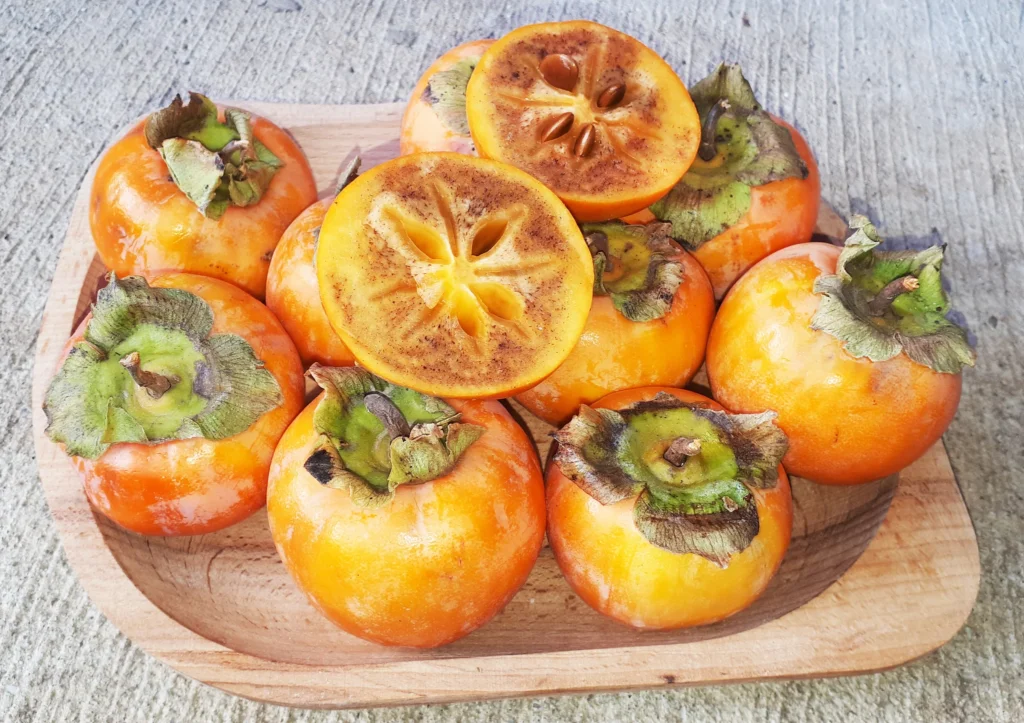
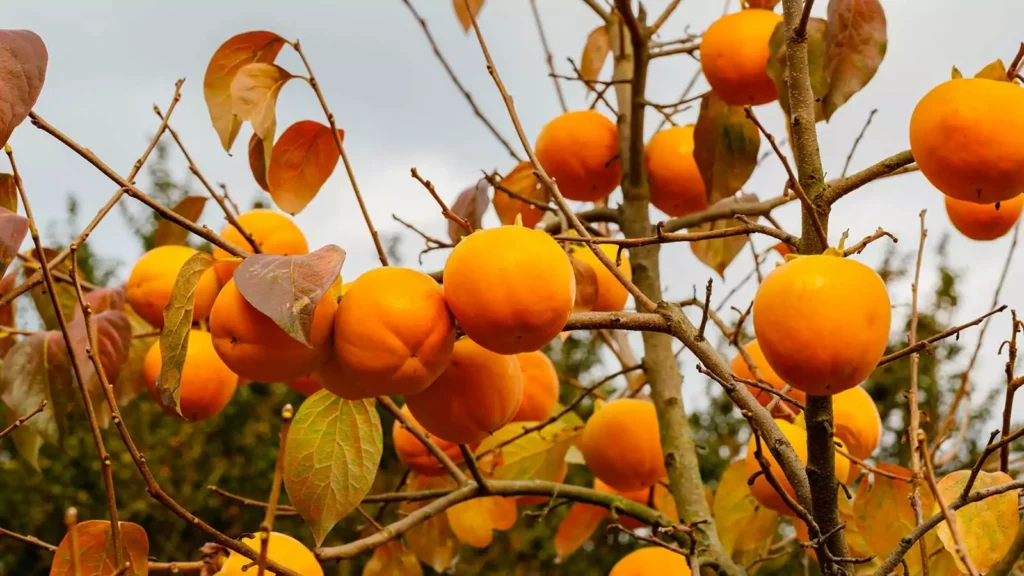
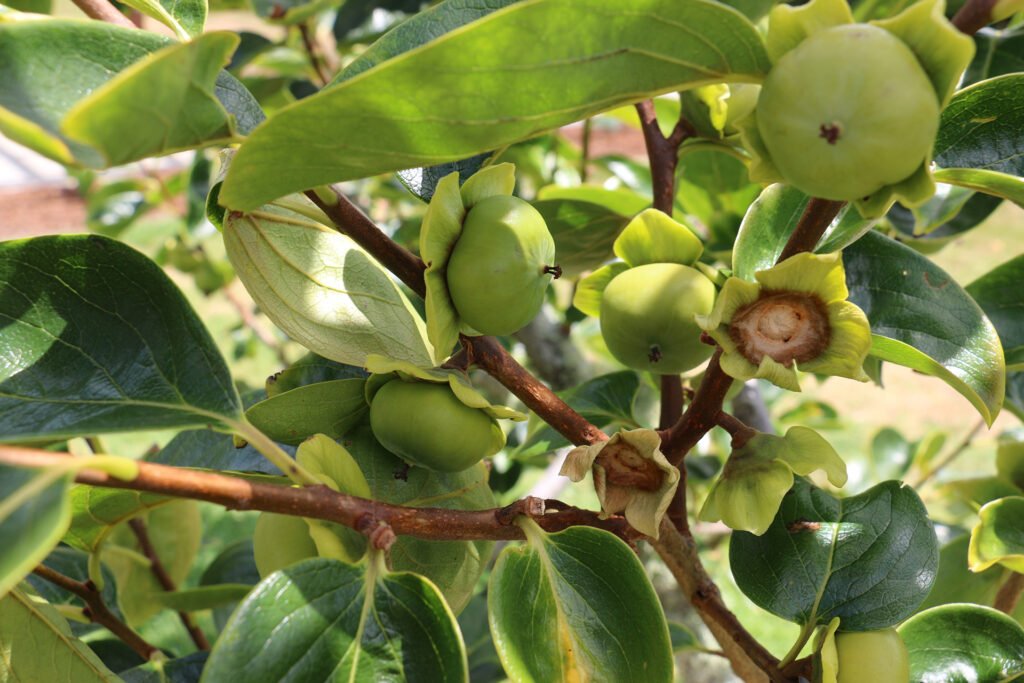
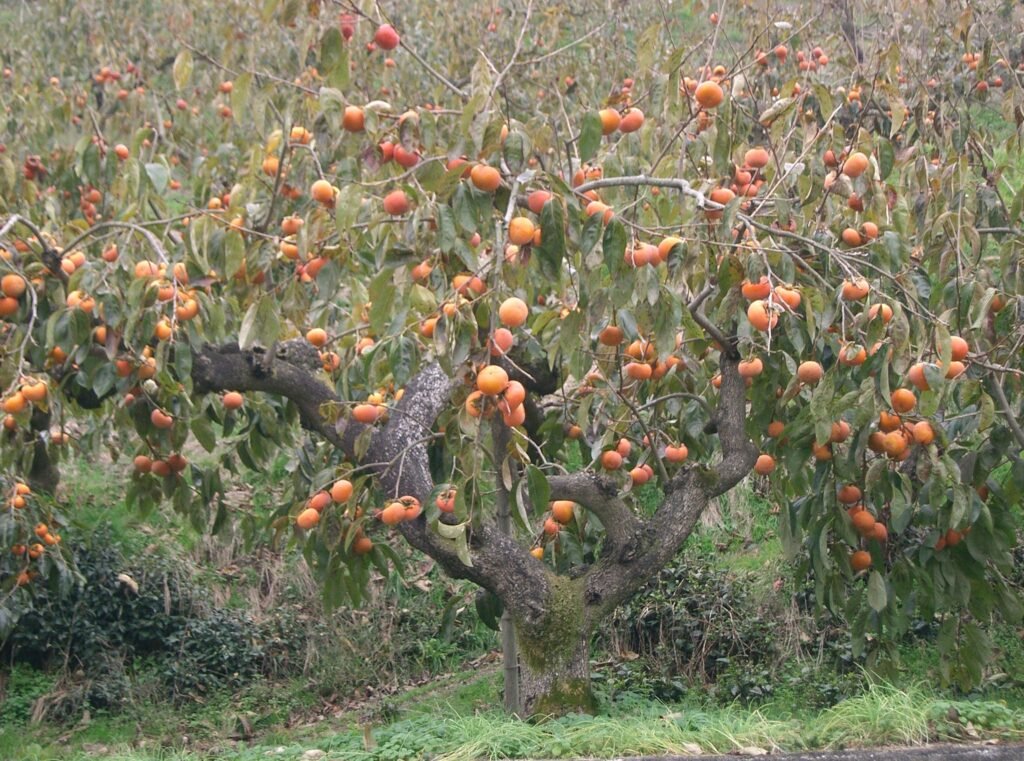
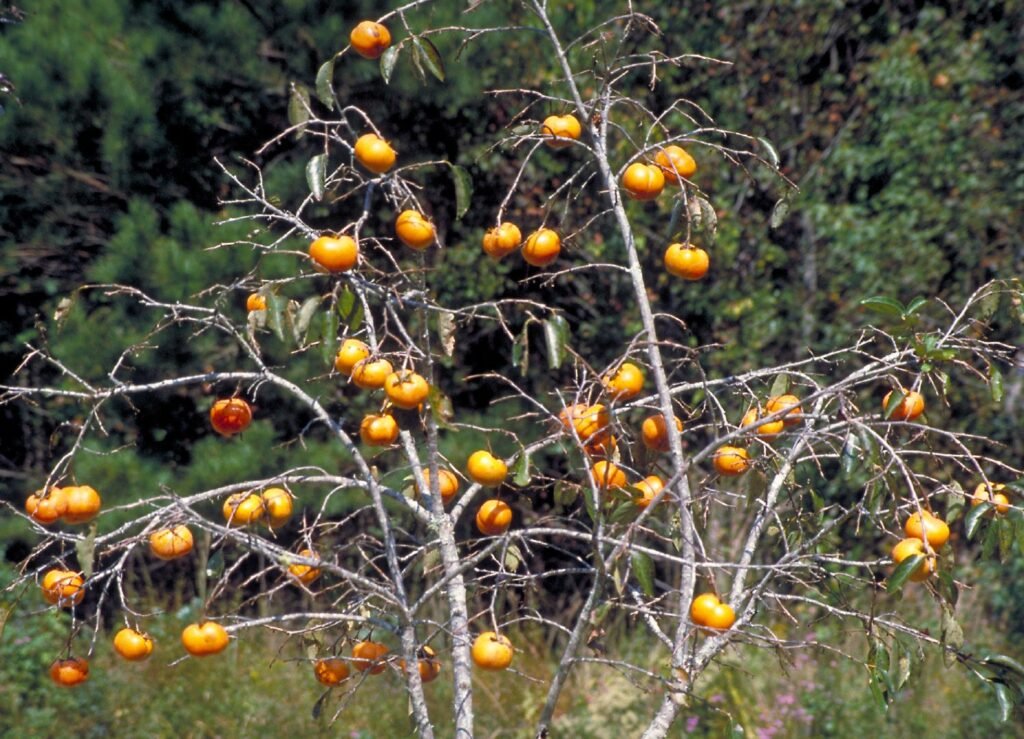
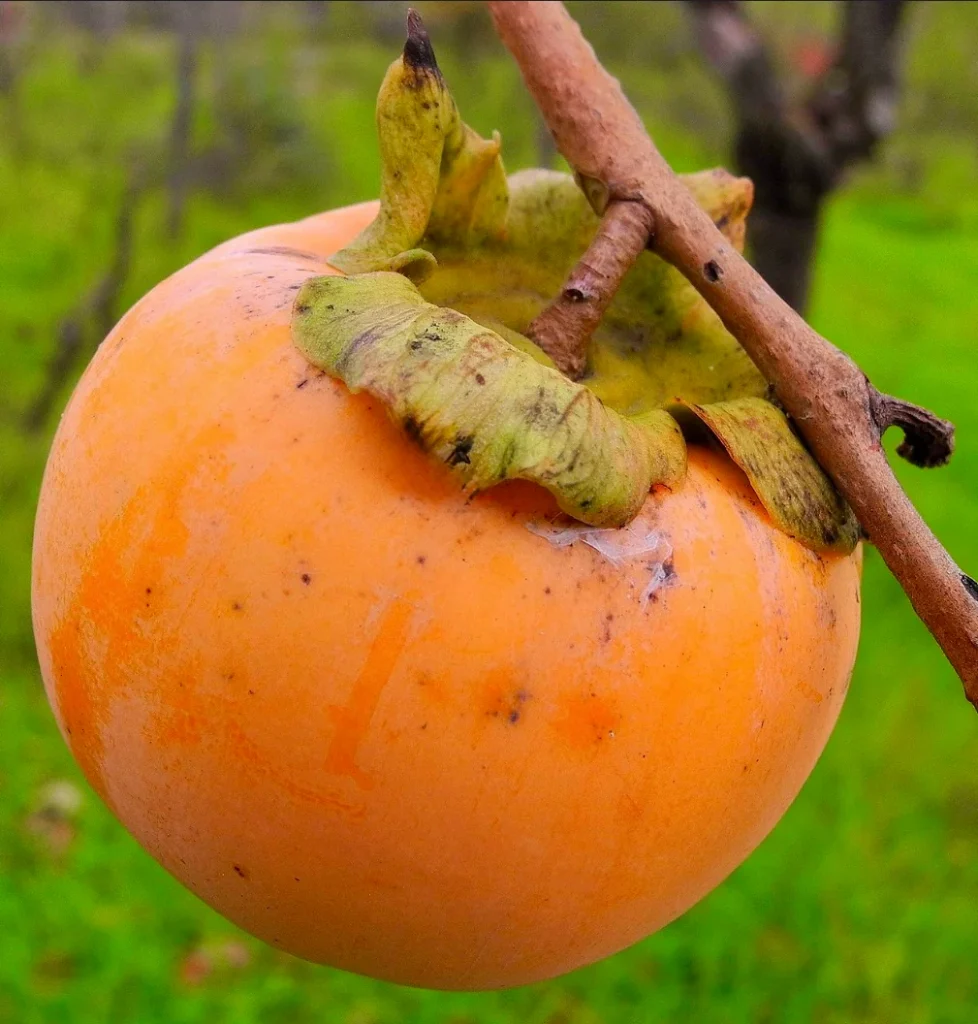
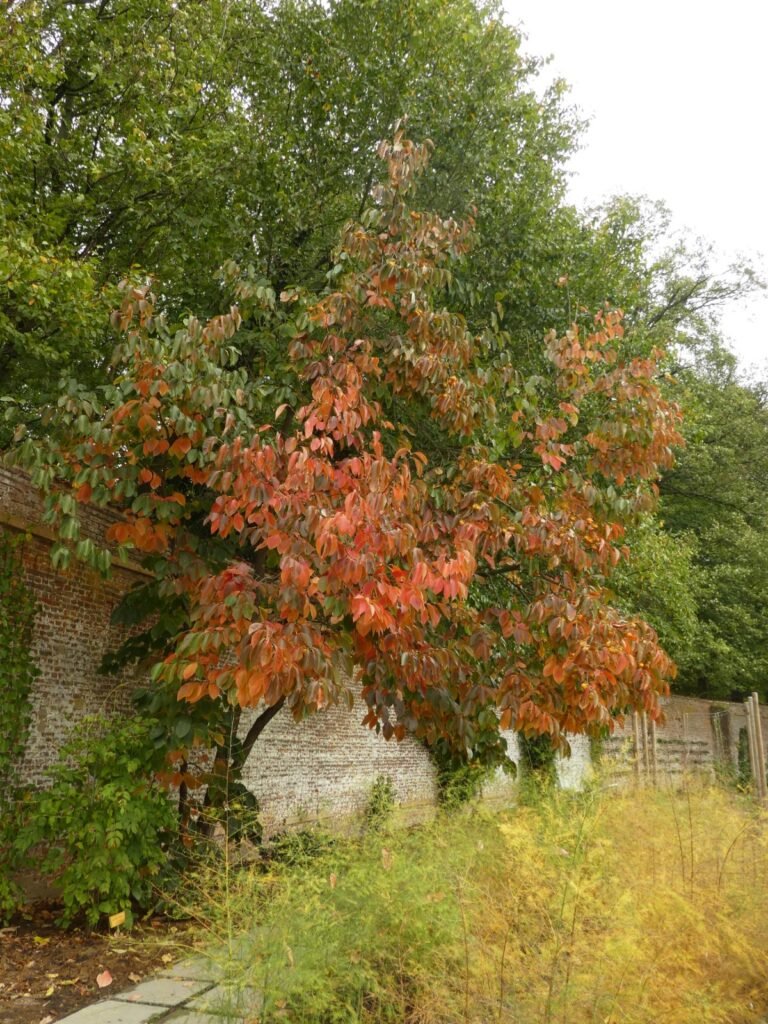
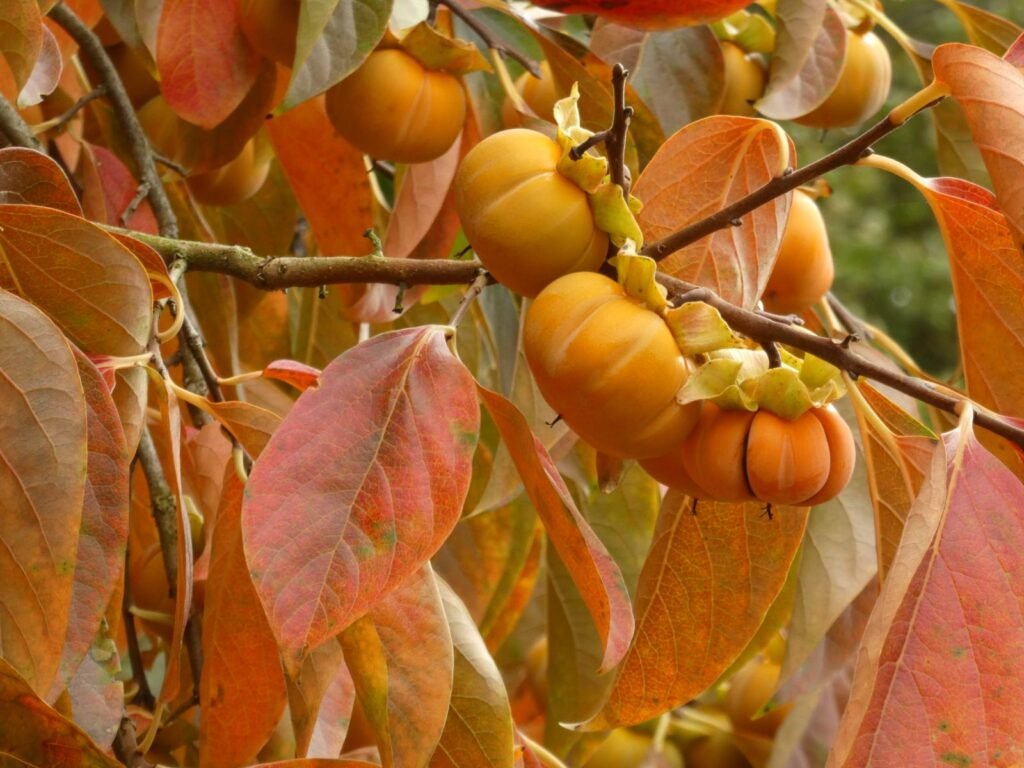
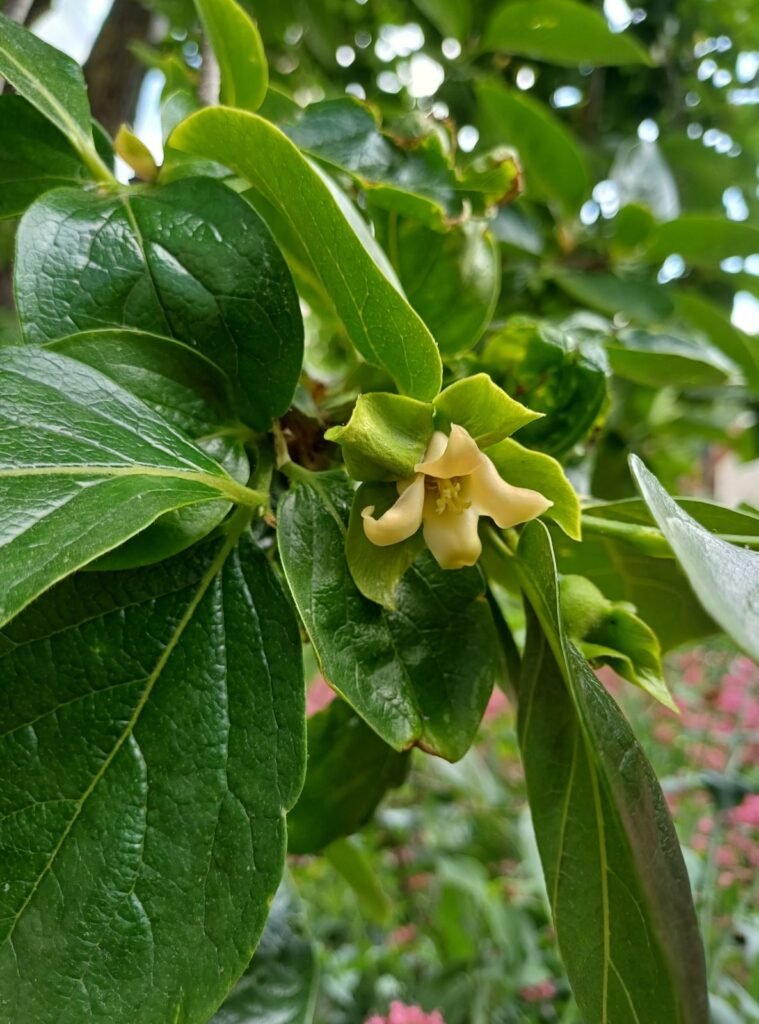
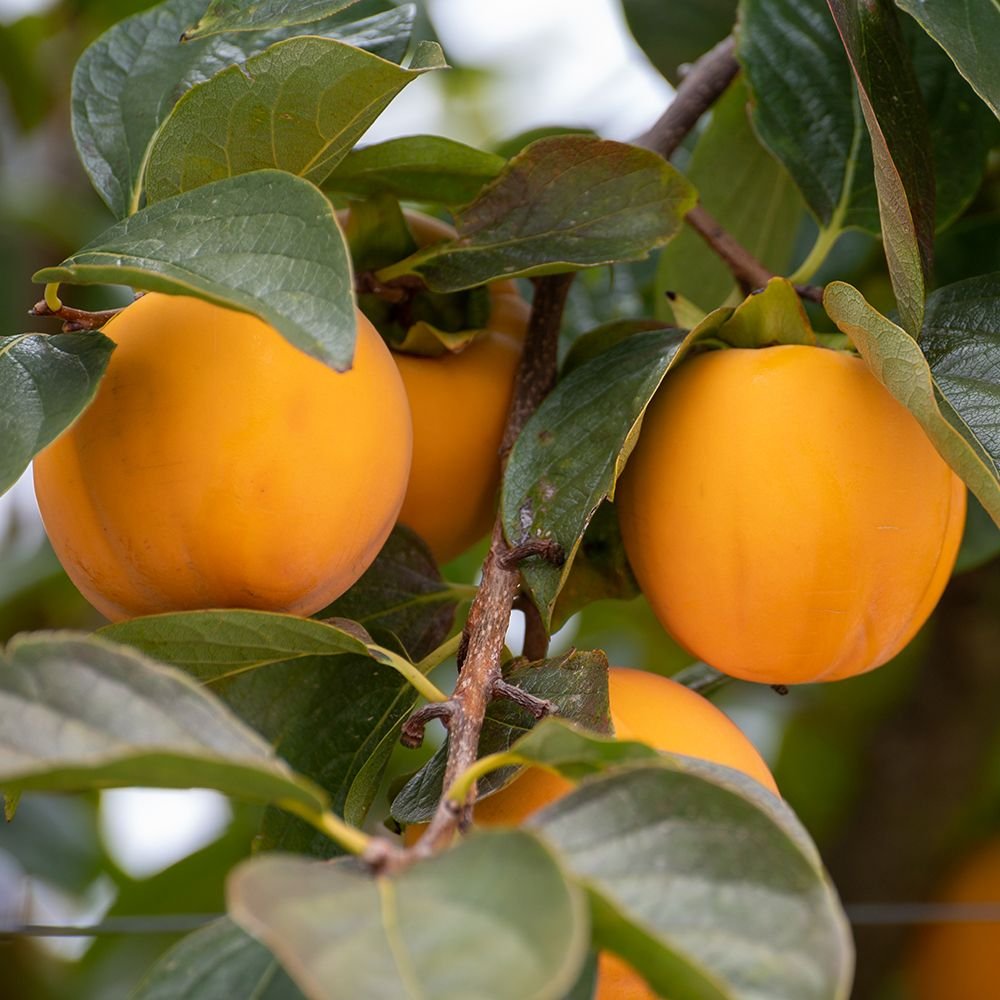
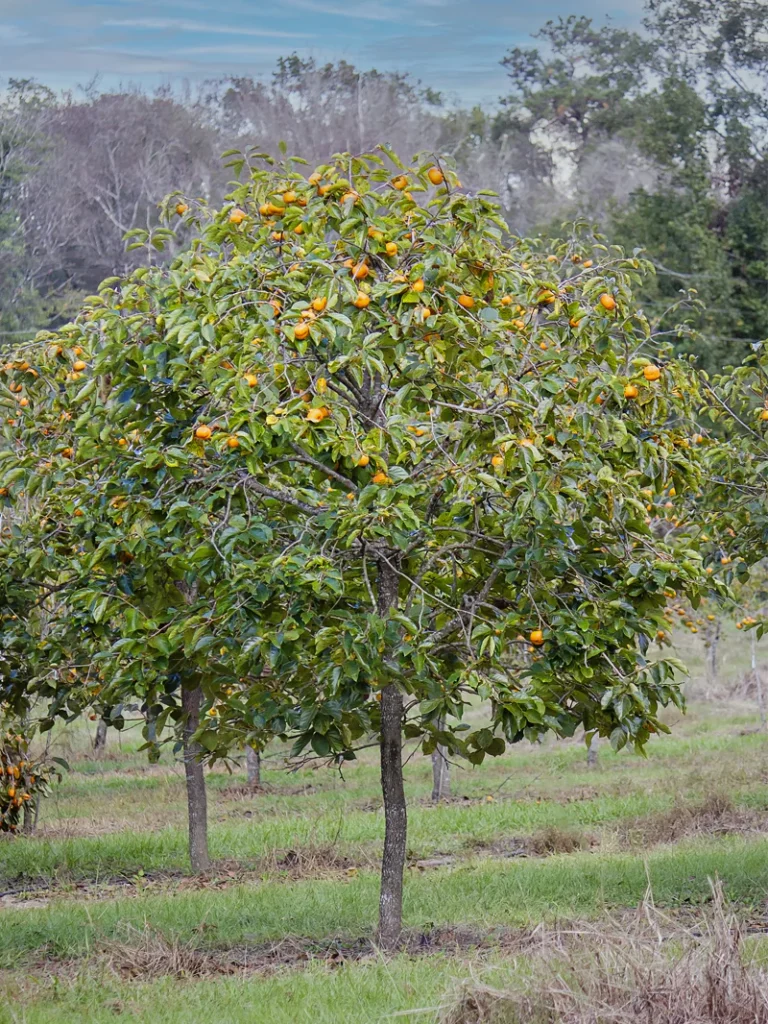
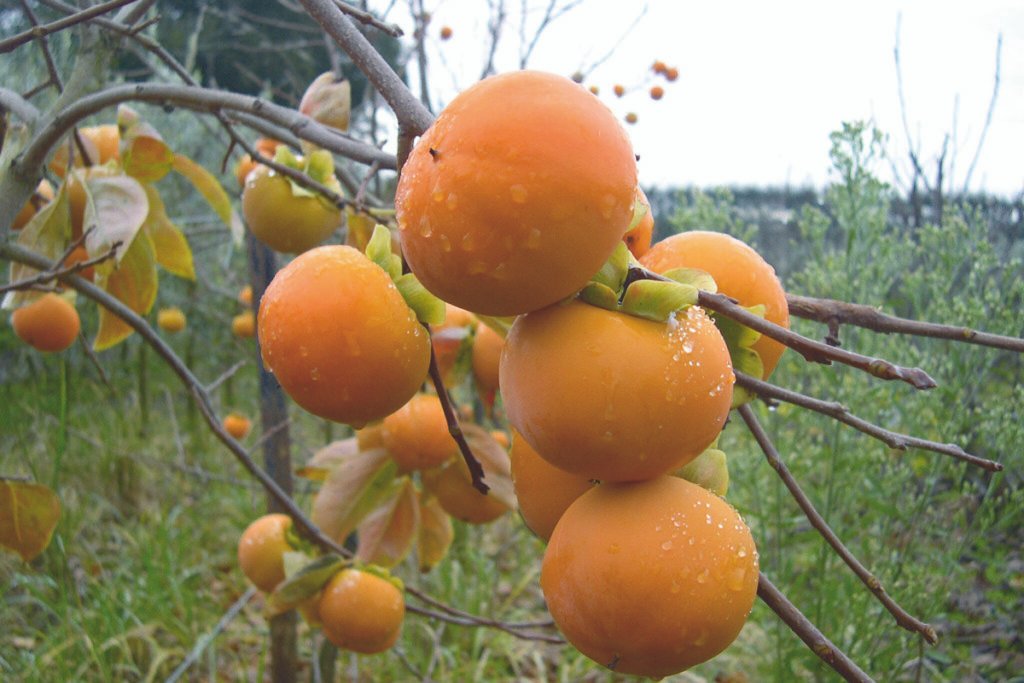
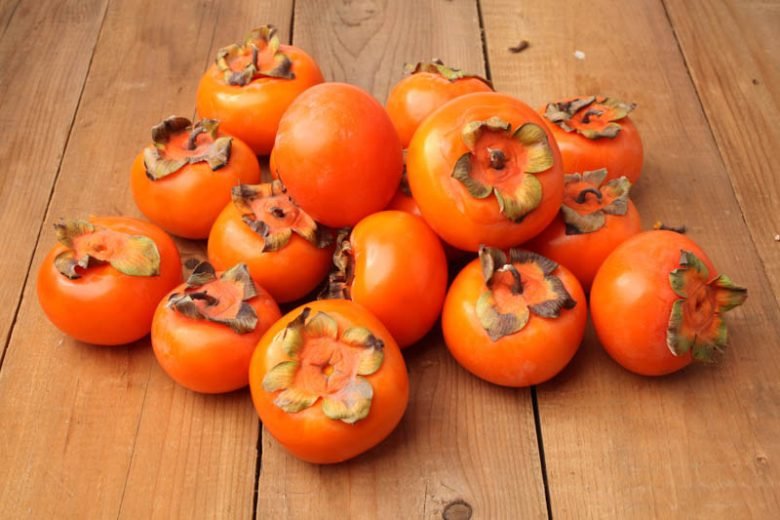
Japanese Persimmon (Diospyros kaki): How to Grow, Propagate, Eat & Harvest This Ancient Fruit
The Japanese persimmon (Diospyros kaki) is a centuries-old fruit cherished throughout East Asia for its flavor, ornamental appeal, and cultural significance. Today, gardeners across temperate regions grow it for its stunning autumn foliage, generous yields, and uniquely sweet fruit that shines both fresh and cooked.
Below is a full guide to cultivating Japanese persimmons at home—from soil prep to propagation, varieties to harvest timing, culinary uses, and more.
What Makes Japanese Persimmon Special?
Japanese persimmons are distinct for:
- Honey-sweet flavor that intensifies as fruit softens
- Low pest & disease pressure (especially compared to other fruit trees)
- High ornamental value thanks to fiery fall foliage and orange fruits
- Long storage potential, especially for firm-fleshed astringent types
- Nutritional richness, including vitamin A, C, fiber, minerals, and antioxidants
These attributes make them attractive for edible landscaping, home orchards, and commercial production alike.
Growing Japanese Persimmon
Climate & Hardiness
Diospyros kaki thrives in Zones 7–10 (sometimes 6 with protection). The trees appreciate warm summers, mild winters, and low humidity, though many varieties tolerate short frosts.
Ideal Conditions
- Sun: Full sun for best yields
- Heat: Warm growing season improves sweetness
- Wind: Protect young trees from strong winds
Soil Requirements
Japanese persimmons are adaptable, but perform best in:
- Well-drained loam or sandy loam
- pH 6.0–7.5
- Moderate organic matter
Avoid waterlogged soils; excessive moisture may cause fruit drop.
Irrigation & Water Management
Young trees require consistent moisture for establishment. Mature persimmons tolerate short drought, but deep watering during fruit development boosts quality and reduces drop.
A good seasonal approach:
- Spring: Moderate moisture for vegetative growth
- Summer: Regular deep watering for fruit sizing
- Autumn: Reduce slightly to concentrate sugars
Fertilization
Japanese persimmons generally need light feeding.
Over-fertilizing nitrogen may lead to:
- Excessive leaf growth
- Reduced flowering
- Fruit drop
Safe amendments include:
- Compost in spring
- A balanced slow-release fertilizer based on soil test
- Gypsum or lime only if pH requires correction
Propagation Methods
Japanese persimmon can be propagated through several techniques:
✓ Grafting (Most Common)
Rootstocks (often Diospyros lotus or virginiana) offer:
- Better cold tolerance
- Improved size control
- Enhanced disease resistance
✓ Seed Propagation (Not True to Type)
Seedlings vary genetically and are mostly used as rootstock.
✓ Hardwood Cuttings
Possible but less reliable than grafting.
✓ Air Layering
Effective for producing clones of desirable cultivars, though slow.
Popular Varieties of Japanese Persimmon
Japanese persimmons fall into two broad categories:
1. Astringent Types
Astringent fruit must soften fully before eating; flavor becomes rich, honeyed, and custard-like.
Popular cultivars:
- Hachiya
- Giombo
- Saijo
- Tamopan
2. Non-astringent Types
Can be eaten firm and crisp, more like an apple.
Top cultivars:
- Fuyu
- Jiro
- Izu
- Imoto
Non-astringent types are especially favored for fresh eating and home gardens.
Pollination & Fruit Set
Many Diospyros kaki cultivars are self-fertile, though cross-pollination may:
- Increase fruit yield
- Enhance seed production
- Influence flavor in some varieties
Bees and other pollinators assist naturally during bloom.
Harvesting Japanese Persimmons
When to Harvest
Timing depends on variety and region, but generally:
- Non-astringent: Harvest firm in mid–late autumn
- Astringent: Harvest when soft or allow post-harvest ripening
Ripeness Indicators
- Color turns deep orange
- Skin becomes glossy
- Fruit softens (for astringent types)
- Stems detach easily with slight twist
Storage
- Firm non-astringent types store in refrigeration for weeks
- Soft astringent types are best frozen, dried, or eaten soon
Uses & Culinary Ideas
The Japanese persimmon shines across sweet and savory applications.
Fresh Eating
- Slice firm non-astringent cultivars (e.g., Fuyu)
- Spoon soft Hachiya pulp like custard
Cooking & Preserving
Persimmons can be:
- Baked into cakes, tarts, and breads
- Blended for smoothies and syrups
- Pureed for sauces or preserves
- Dried into chewy snacks (hoshigaki style)
- Fermented in beverages and vinegars
- Frozen for winter treats
Savory Pairings
The fruit complements:
- Prosciutto & cured meats
- Bitter greens
- Soft cheeses
- Nuts (especially walnuts)
- Citrus & herbs
Nutritional Benefits
Diospyros kaki is naturally:
- Low-fat
- High-sugar (natural sugars)
- Rich in antioxidants and carotenoids
- Fiber-dense
Food Culture & Traditional Uses
In parts of Asia, persimmons feature in:
- Autumn festivals
- New Year’s decor
- Traditional medicinal tonics
- Dried fruit crafts
Their symbolic meanings include longevity, warmth, and good fortune.
Common Problems & Solutions
Japanese persimmons are resilient, but may face:
Fruit Drop
Causes include:
- Heat stress
- Overwatering
- Over-fertilization
- Insufficient pollination
Pests
Typically minimal but may include:
- Scale insects
- Birds (during harvest)
Diseases
Mainly fungal leaf issues in humid zones.
Final Thoughts
Japanese persimmon (Diospyros kaki) brings together beauty, nutrition, and cultural charm. With minimal care, it rewards growers with bountiful fruit, stunning fall color, and endless culinary possibilities.
Whether eaten firm like an apple, soft like pudding, or dried like candy, this ancient fruit deserves a spot in modern gardens and kitchens.


&media=https://food-foresting.com/wp-content/uploads/2026/01/1645715656.webp)