
 paulius.mikoliunas1
| Common Name | Dwarf Quince, Maule’s quince, Japanese Flowering Quince |
| Family | Rosaceae |
| USDA hardiness | 5-8 |
| Known Hazards | None known |
| Habitats | Woods in low mountains, C. and S. Japan. |
| Range | E. Asia – Japan |
| Edibility Rating |   (3 of 5) (3 of 5) |
| Other Uses |   (3 of 5) (3 of 5) |
| Weed Potential | No |
| Medicinal Rating |  (0 of 5) (0 of 5) |
| Care (info) |      |
Japanese Quince (Chaenomeles japonica): The Complete Guide to Growing, Propagation, Varieties, Uses, and Harvest
If you’re looking for a hardy, ornamental, and highly productive shrub, Japanese Quince is an exceptional choice. Known for its brilliant early spring flowers and aromatic, vitamin-rich fruits, this versatile plant combines beauty with functionality in gardens across temperate climates.
In this comprehensive guide, you’ll learn everything you need to know about growing, propagating, harvesting, and using Japanese quince—including culinary ideas and the best varieties to plant.
What Is Japanese Quince?
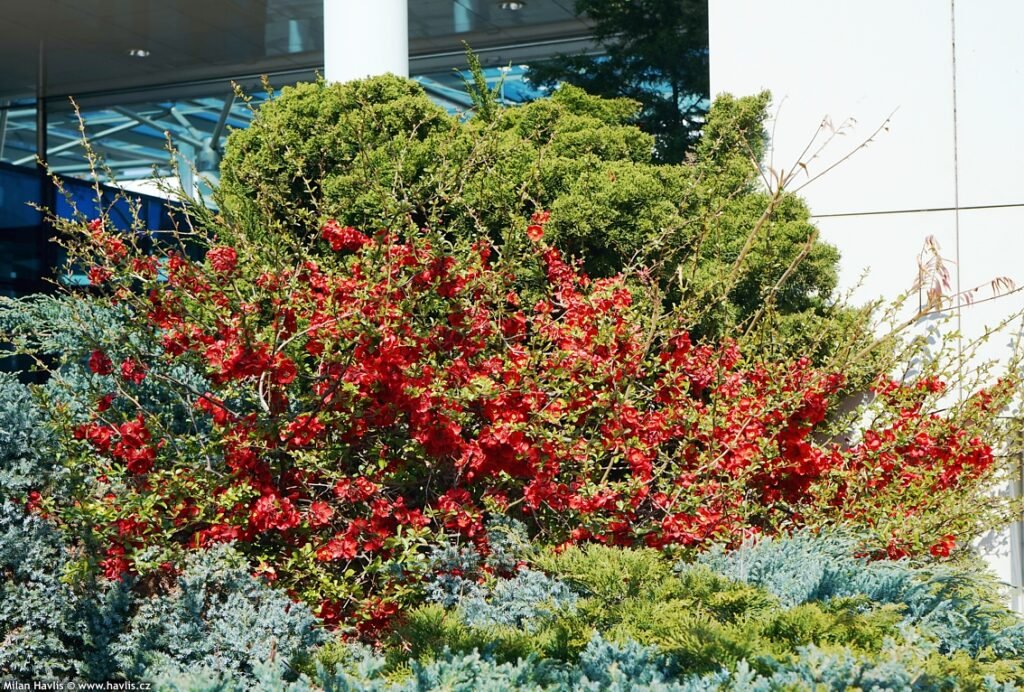
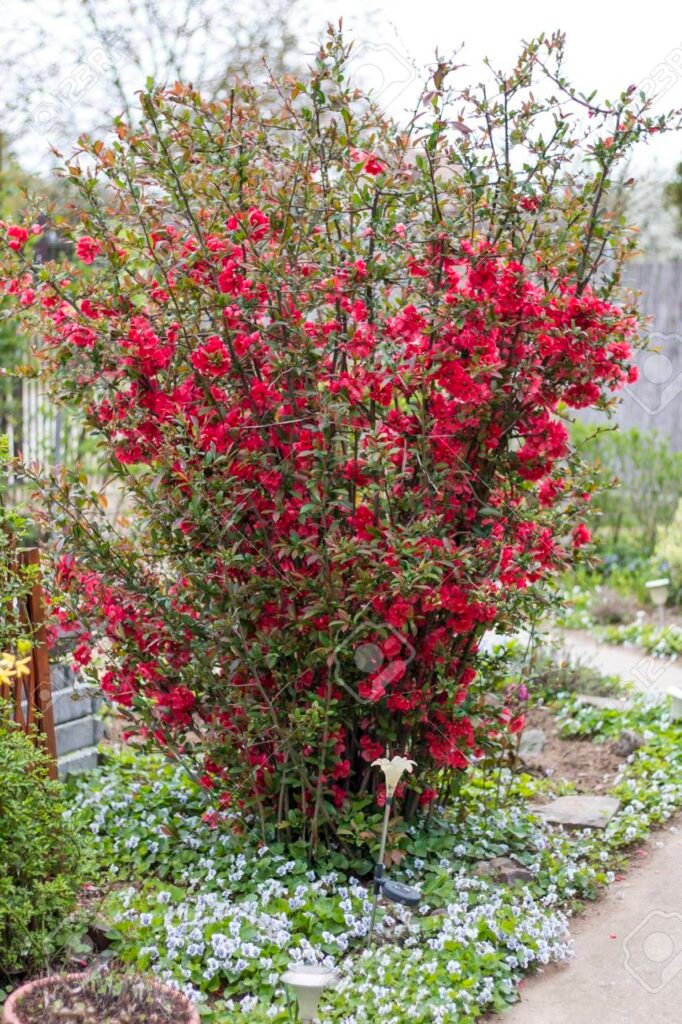
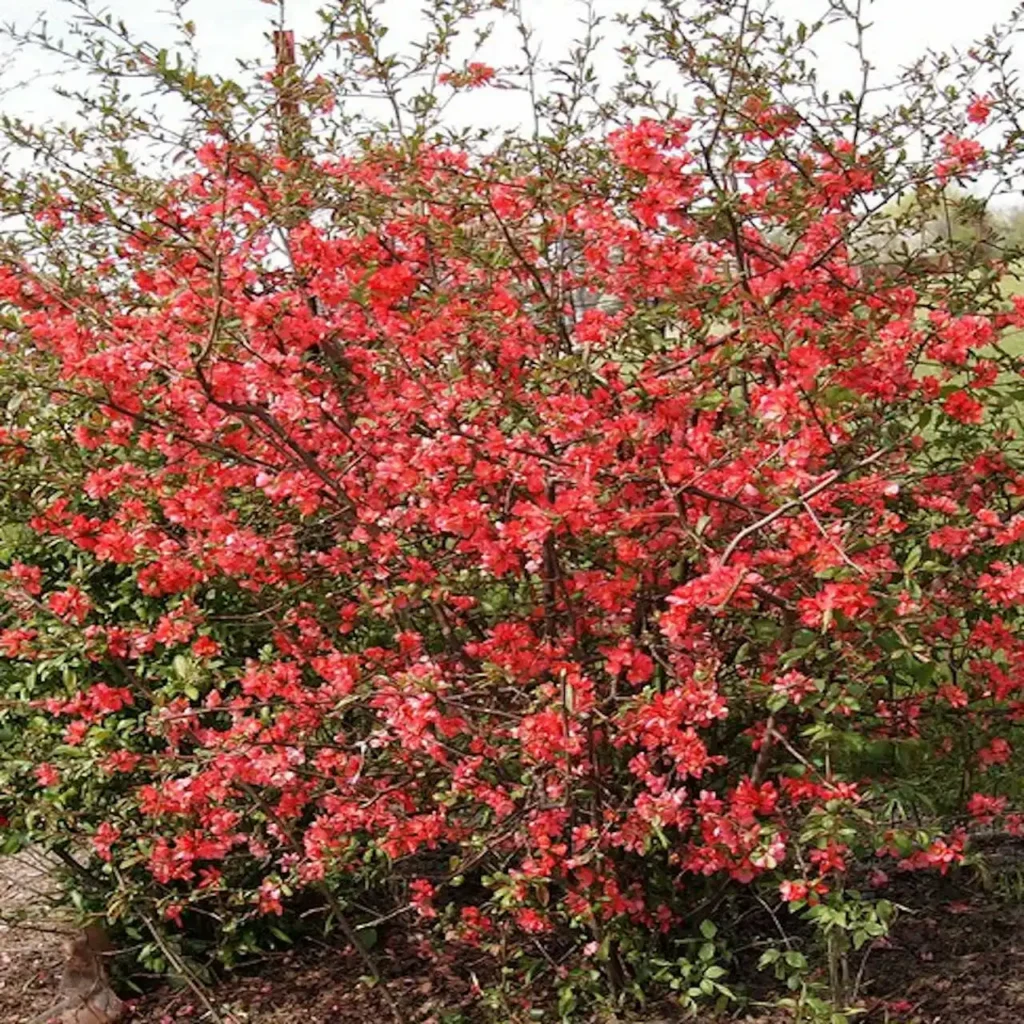
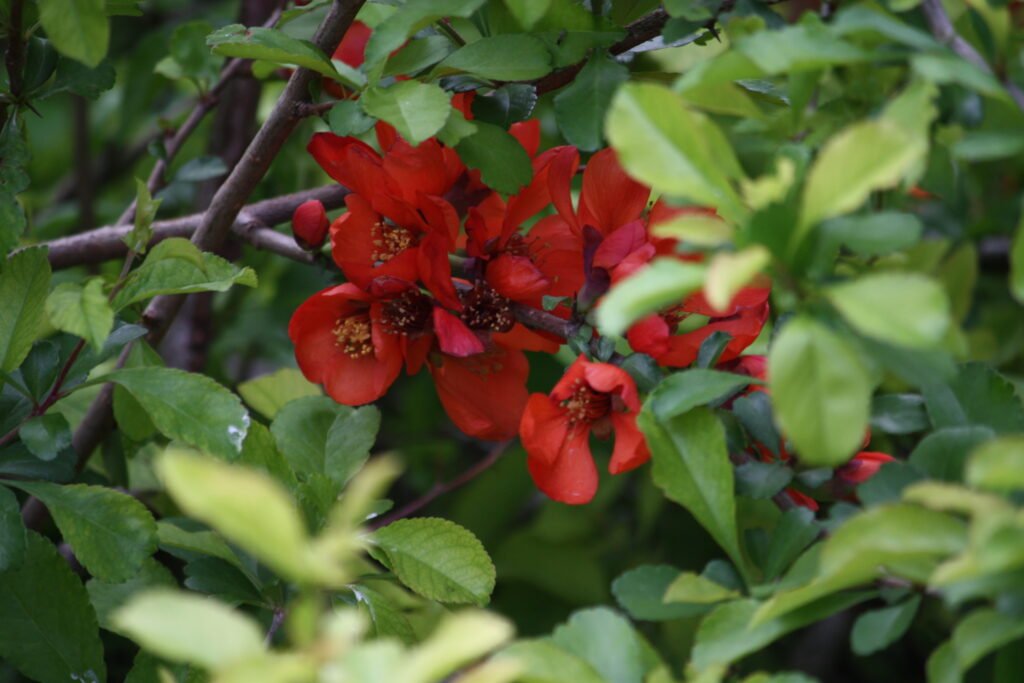
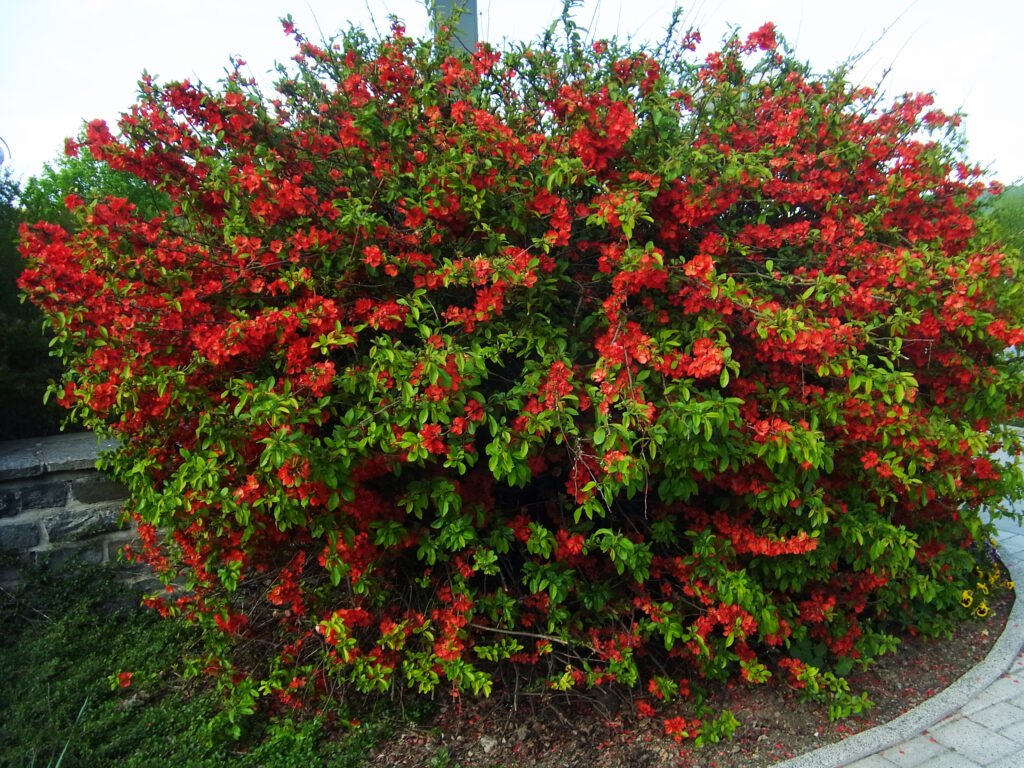
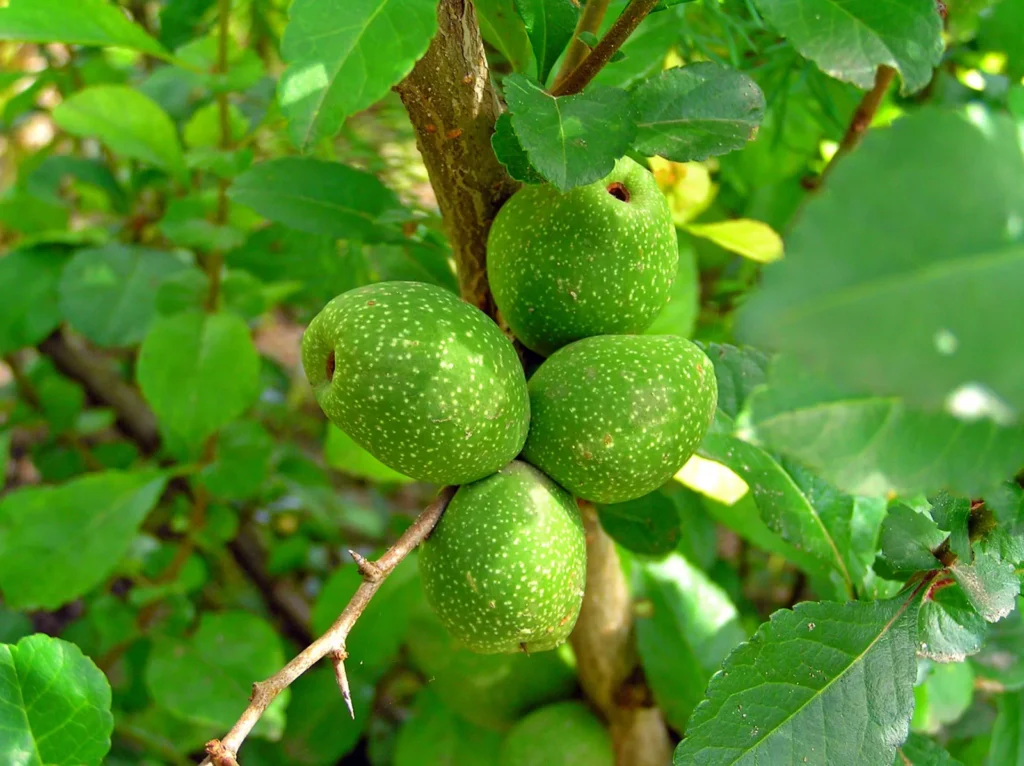
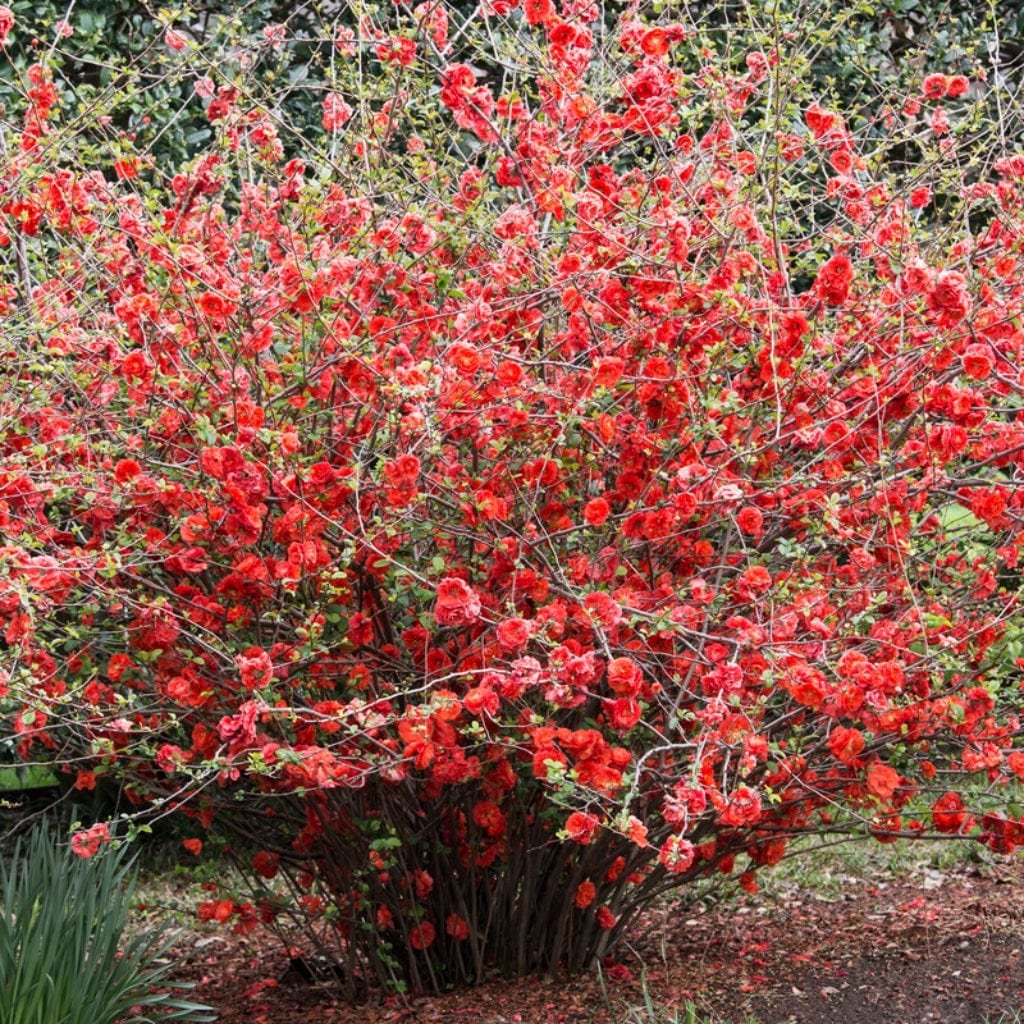
Japanese quince (Chaenomeles japonica) is a deciduous, thorny shrub native to East Asia. It belongs to the Rosaceae family, making it a relative of apples, pears, and roses. It typically grows 1–1.5 meters tall and wide, forming dense, spiny thickets ideal for hedging.
Key Features:
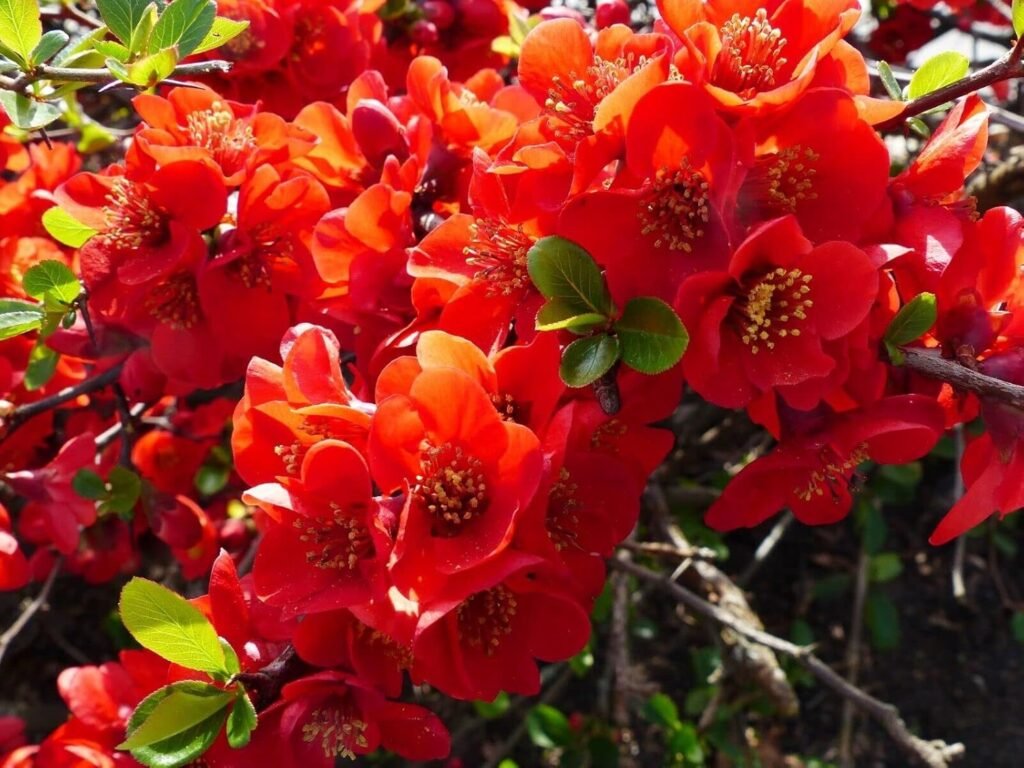
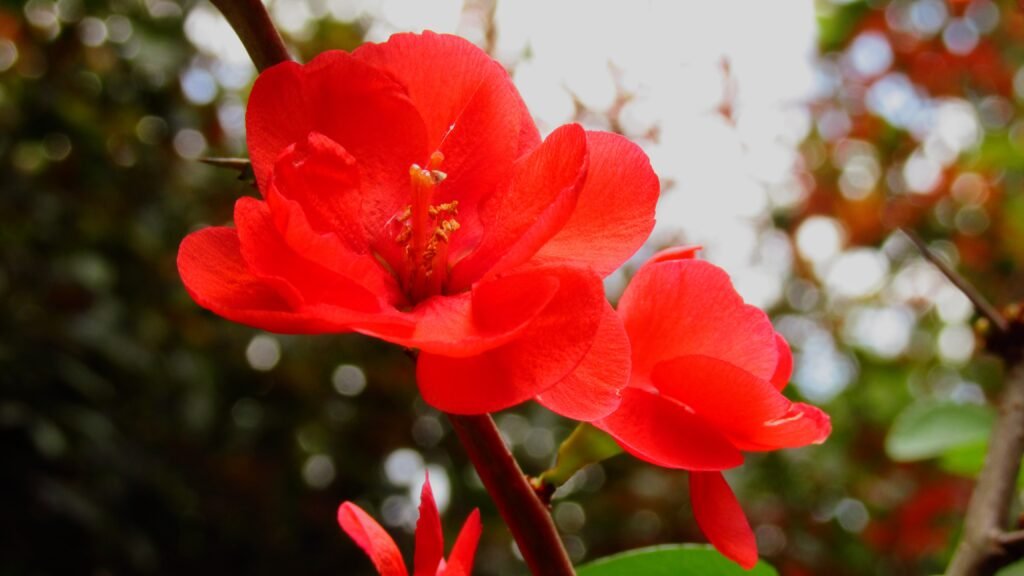
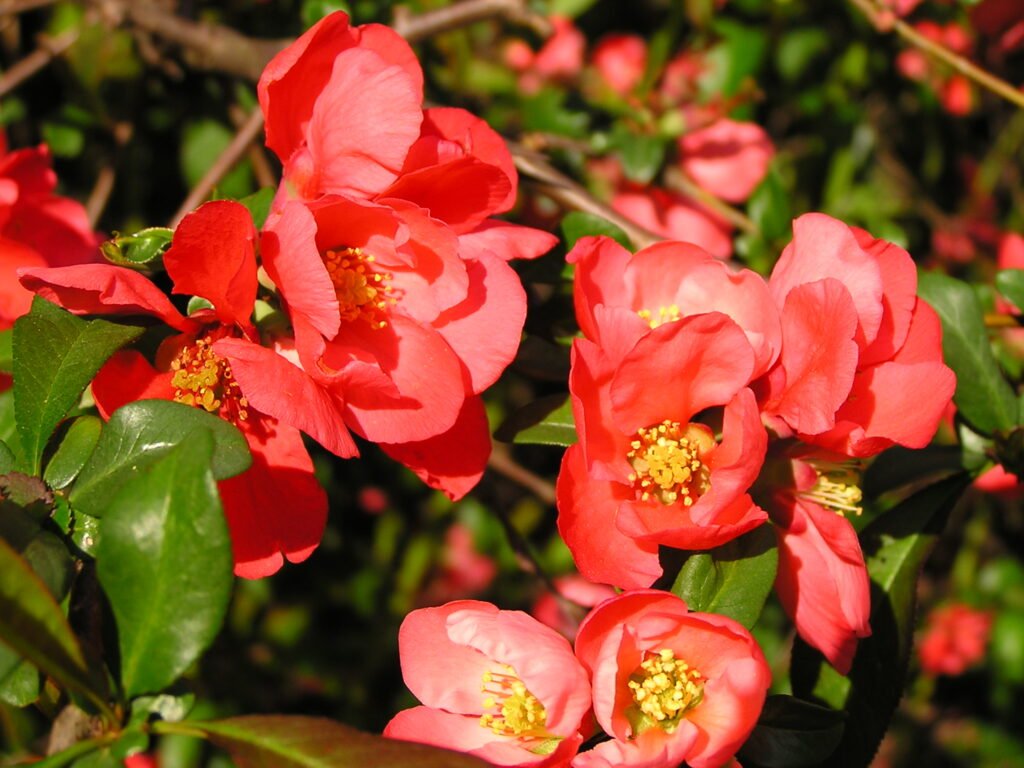
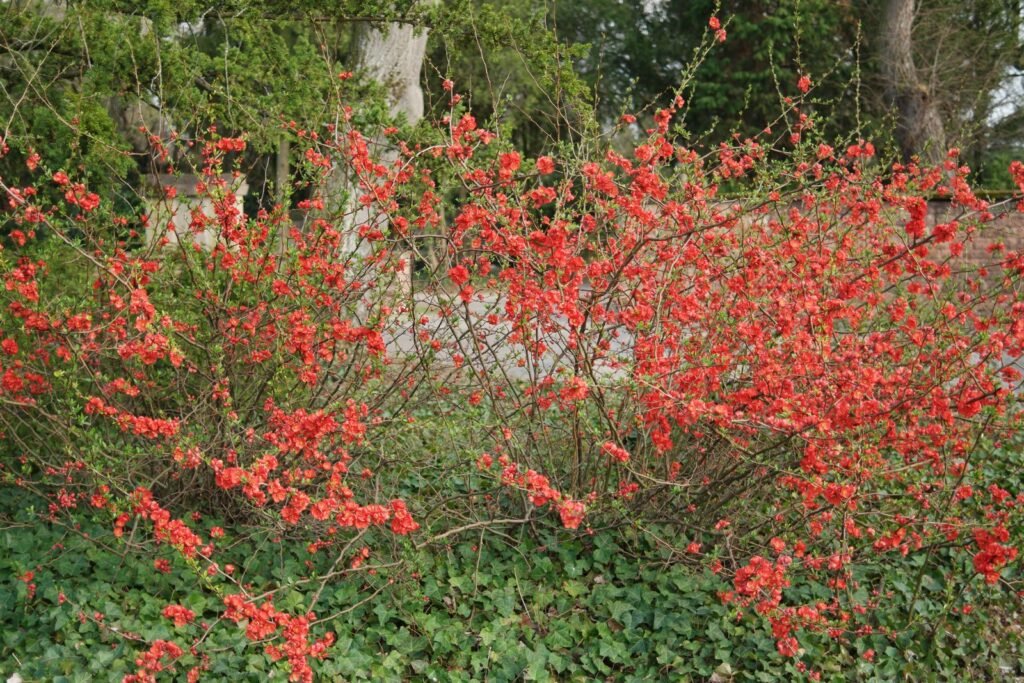
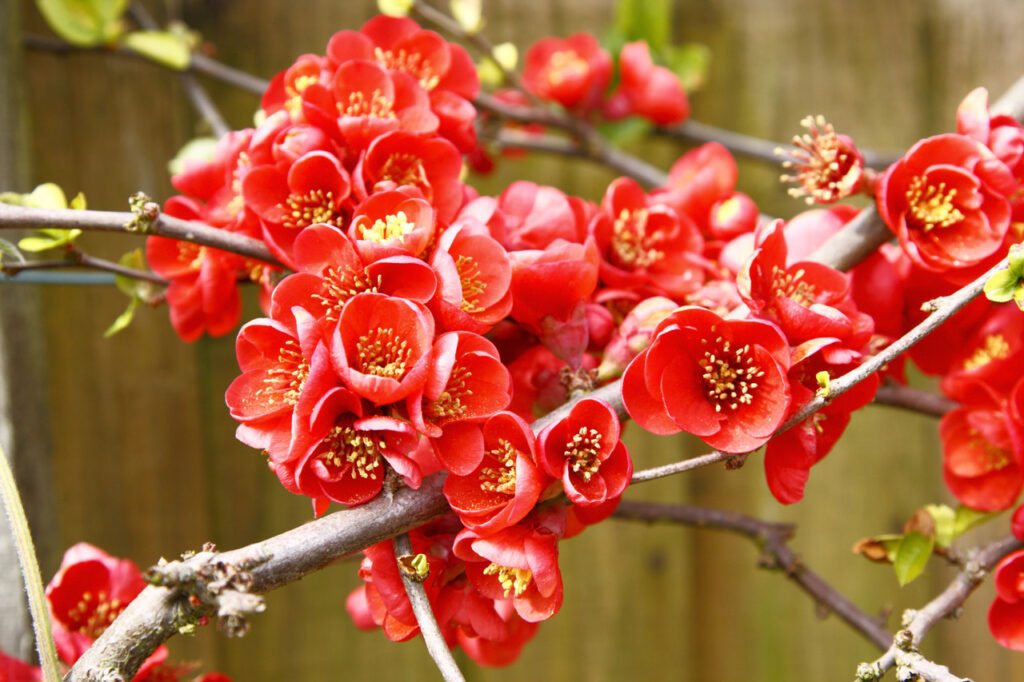
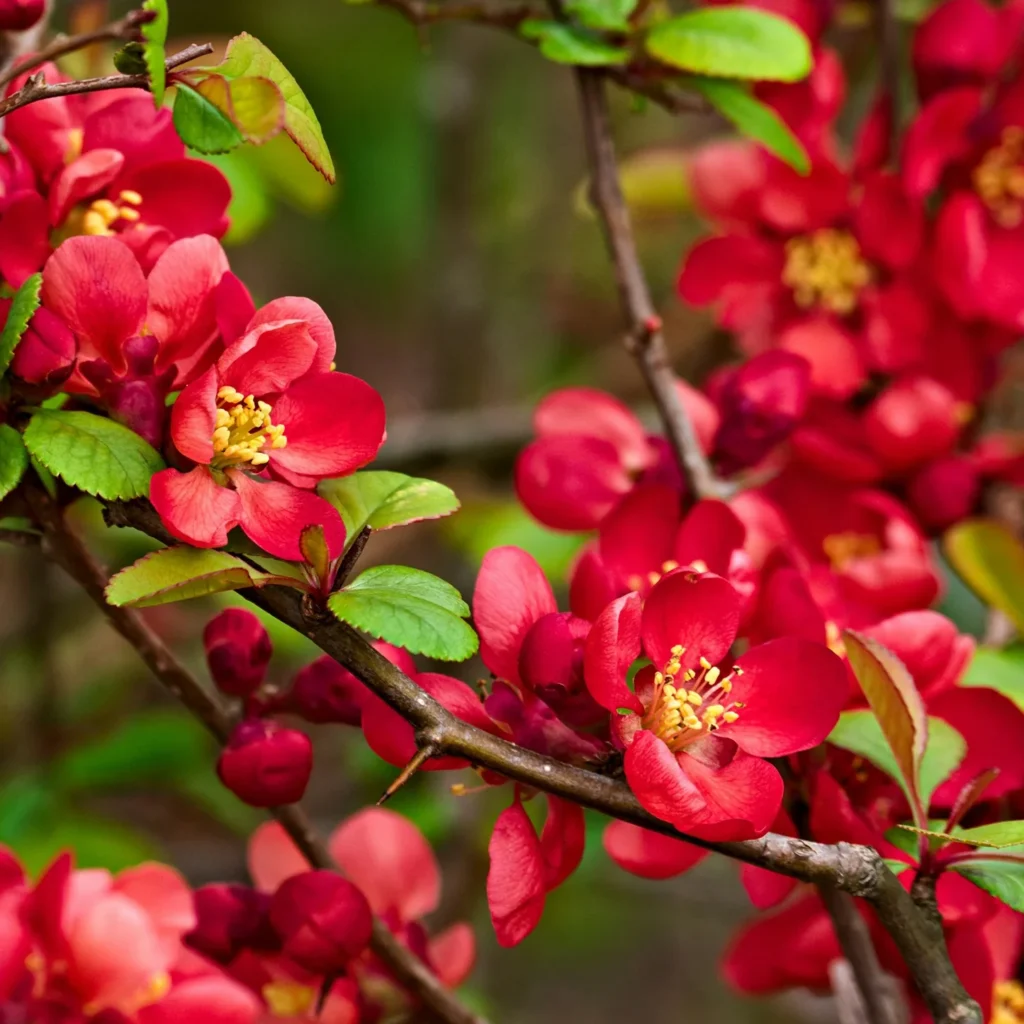
- 🌸 Early spring blooms (red, orange, pink, or white)
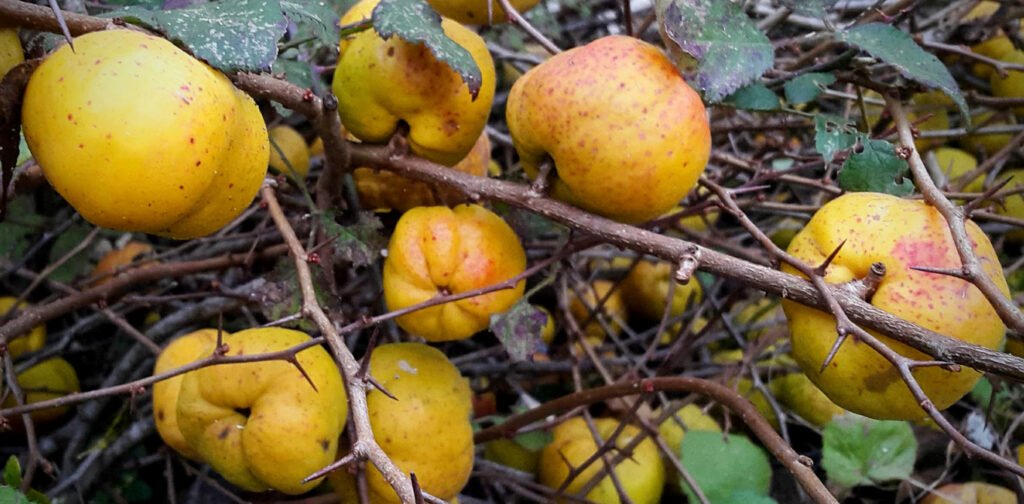
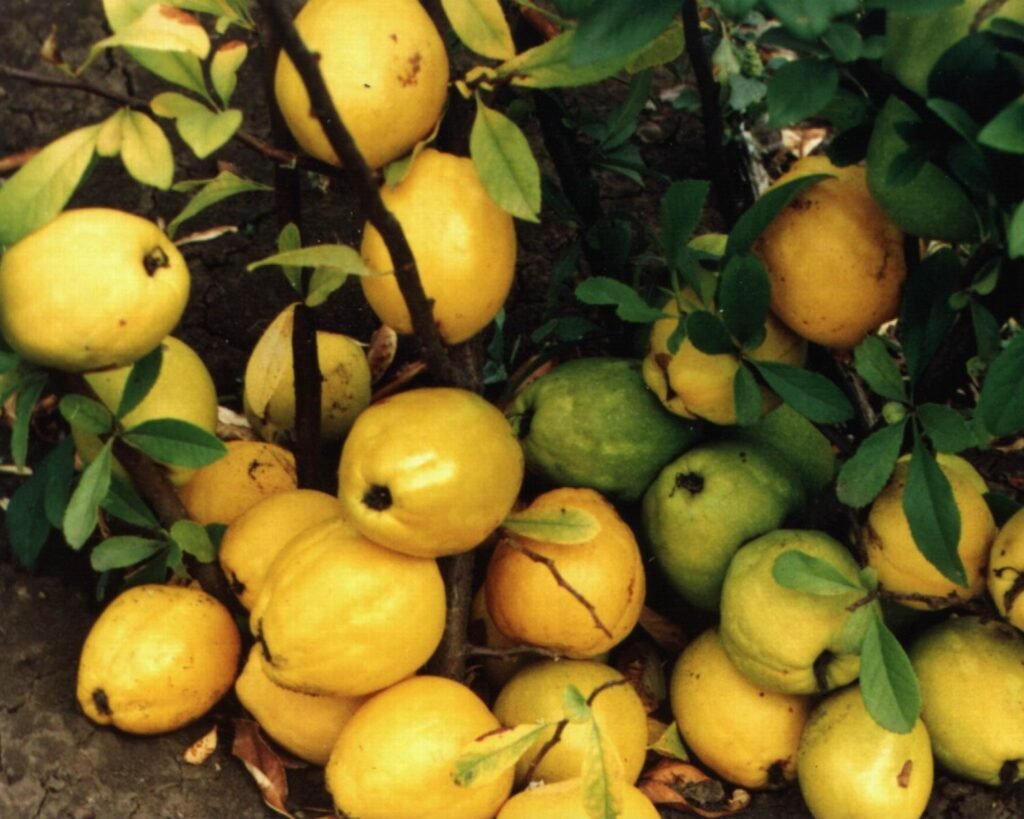
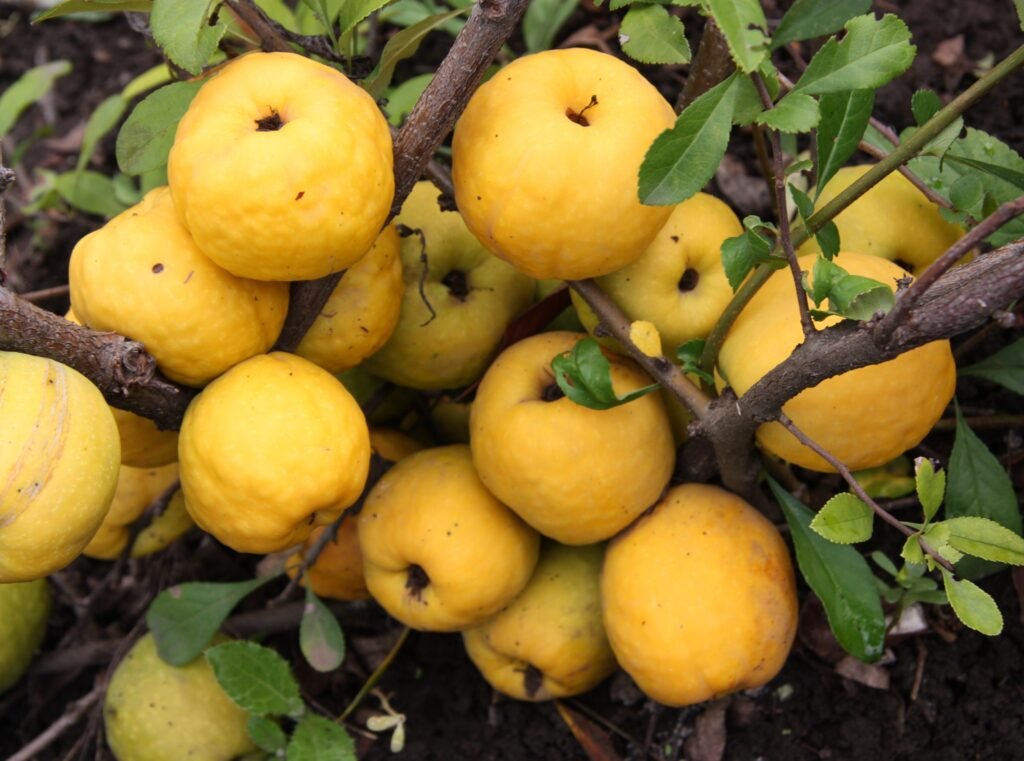
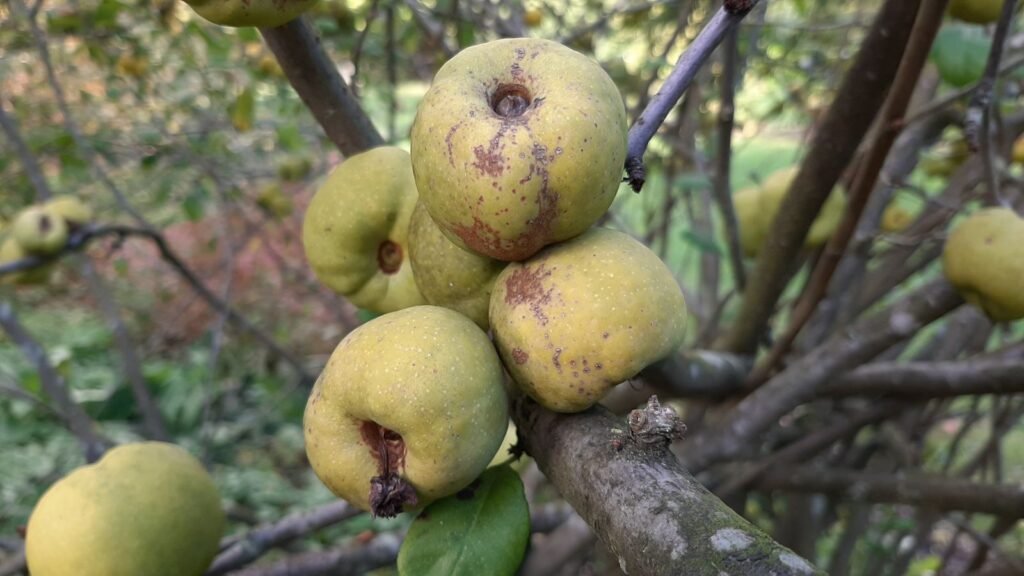
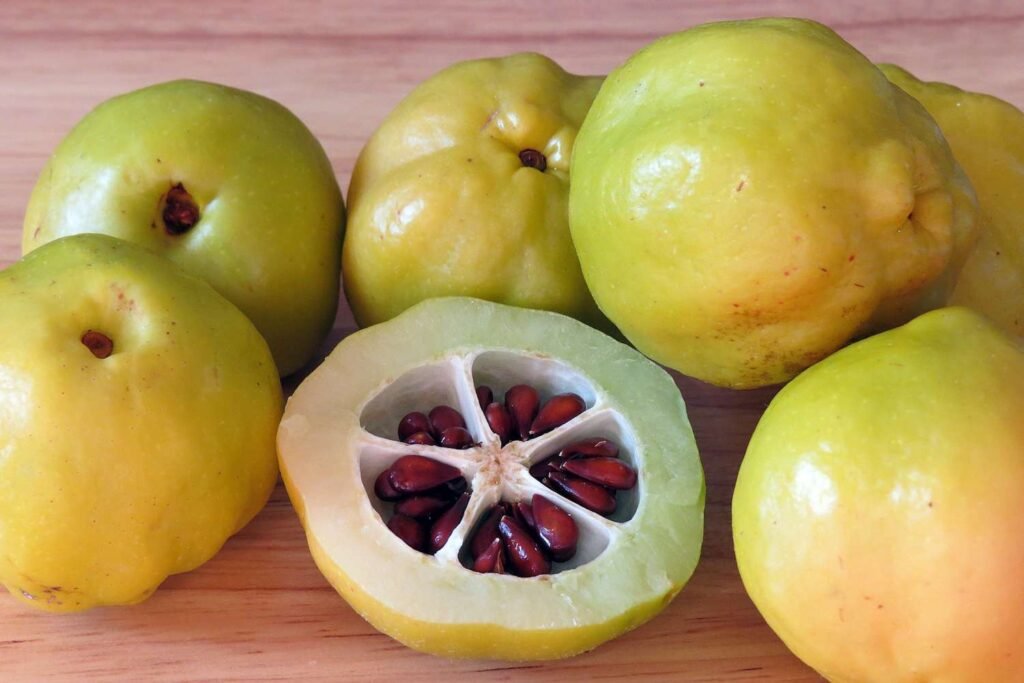
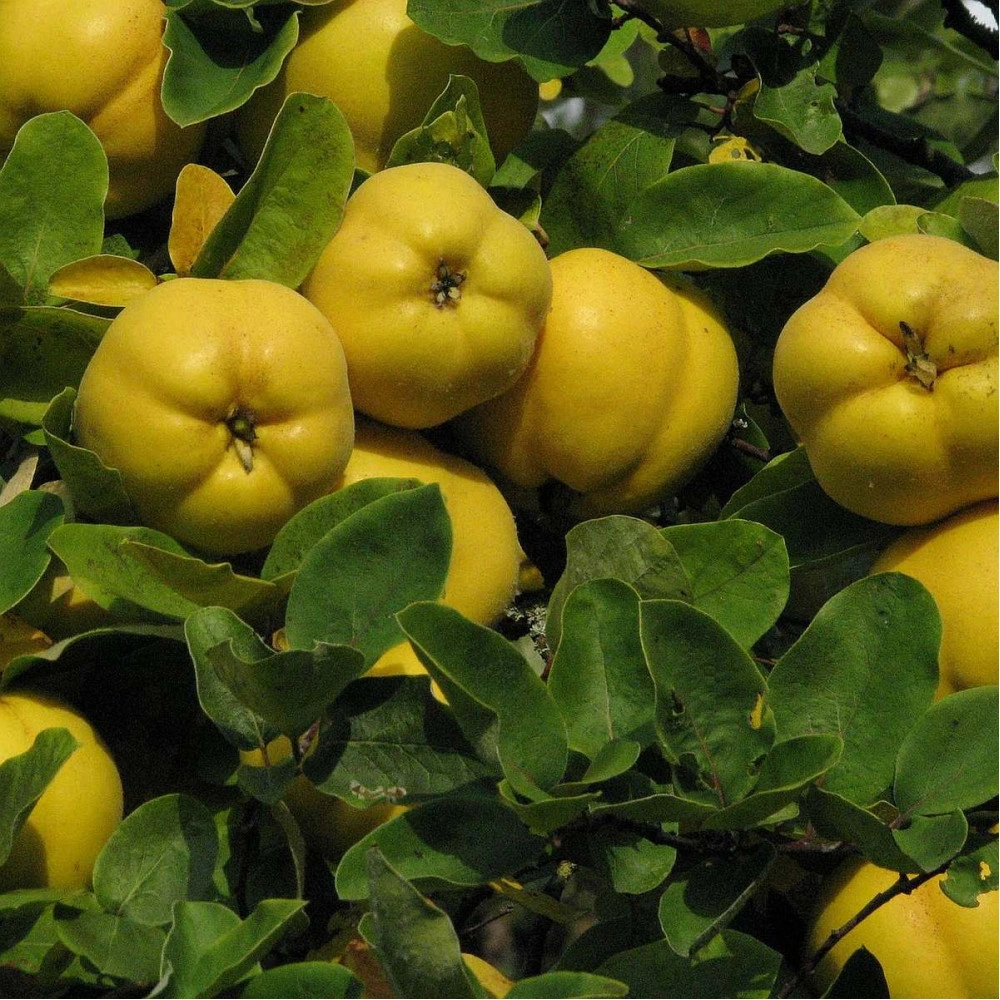
- 🍏 Small, apple-like fruits with intense fragrance
- ❄️ Extremely cold-hardy and resilient
- 🌿 Excellent for ornamental and edible landscaping
How to Grow Japanese Quince
1. Climate and Hardiness
Japanese quince thrives in USDA zones 5–9 and tolerates harsh winters, making it perfect for Northern and Eastern European climates.
2. Sunlight Requirements
- Prefers full sun for maximum flowering and fruiting
- Can tolerate partial shade, but yields will decrease
3. Soil Conditions
- Adaptable to most soils (loam, sandy, clay)
- Best growth in well-drained, slightly acidic to neutral soil (pH 6.0–7.0)
4. Planting Tips
- Plant in early spring or autumn
- Space shrubs 1–1.5 meters apart
- Water thoroughly after planting
5. Watering
- Moderate water needs
- Drought-tolerant once established
- Avoid waterlogging
6. Fertilizing
- Apply balanced fertilizer in early spring
- Add compost annually for soil health
7. Pruning
- Prune after flowering
- Remove dead, damaged, or overcrowded branches
- Shape to maintain airflow and encourage blooms
Propagation Methods
Japanese quince is easy to propagate through several methods:
1. Seed Propagation
- Extract seeds from ripe fruit
- Cold stratify for 8–12 weeks
- Sow in spring
- Note: seedlings may not be true to type
2. Hardwood Cuttings
- Take cuttings in late autumn or winter
- Length: 15–20 cm
- Plant in moist soil or sand
- Rooting occurs in spring
3. Softwood Cuttings
- Taken in early summer
- Use rooting hormone for higher success
4. Layering
- Bend a low branch to the ground
- Cover with soil while attached to the parent plant
- Roots develop within one growing season
5. Suckers
- Dig and replant naturally occurring shoots from the base
Popular Varieties of Japanese Quince
Although Chaenomeles japonica itself is widely grown, there are several cultivated varieties worth considering:
1. ‘Cido’
- High fruit yield
- Ideal for juice and processing
- Popular in Northern Europe
2. ‘Texas Scarlet’
- Bright red flowers
- Primarily ornamental
3. ‘Pink Lady’
- Soft pink blossoms
- Compact growth habit
4. ‘Nivalis’
- Pure white flowers
- Elegant landscape plant
5. ‘Rubra’
- Deep crimson blooms
- Vigorous growth
Flowering and Pollination
- Blooms appear March to April, often before leaves
- Attracts bees and early pollinators
- Mostly self-fertile, but planting multiple shrubs improves yield
Harvesting Japanese Quince
When to Harvest
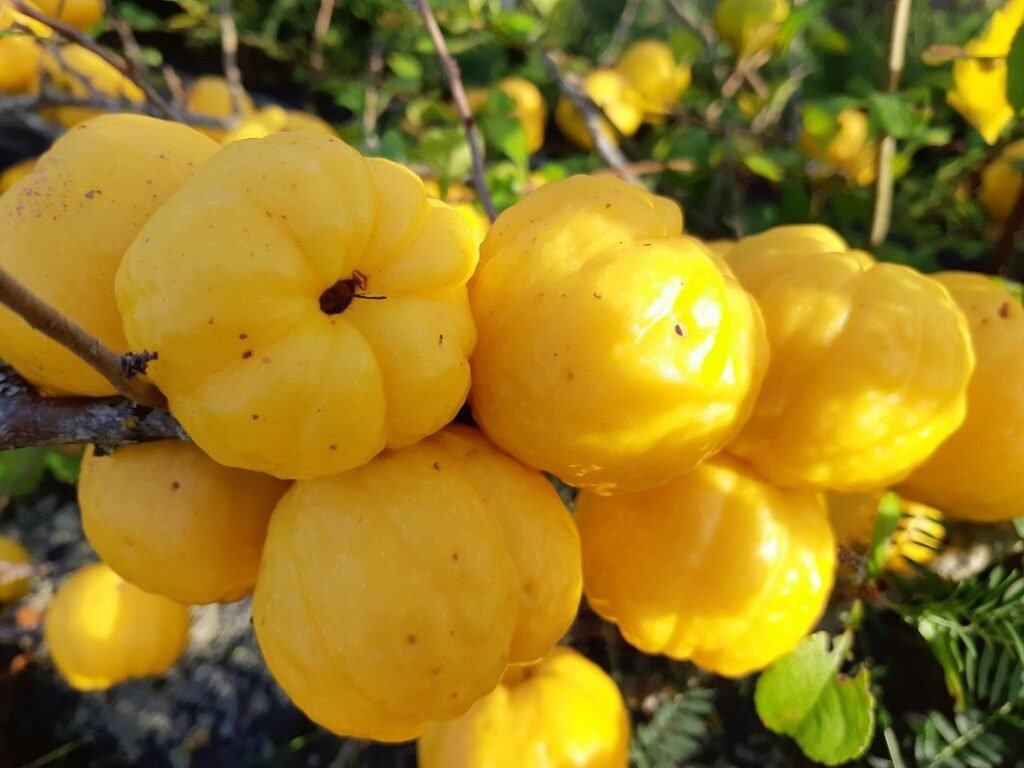
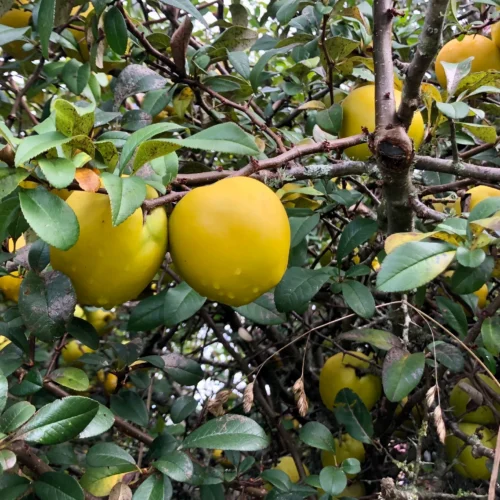
- Fruits ripen in September to October
- Ready when:
- Bright yellow color develops
- Strong, sweet fragrance is noticeable
- Fruits feel firm
How to Harvest
- Use gloves due to thorns
- Twist or cut fruits gently from branches
Yield
- Mature shrubs can produce several kilograms of fruit annually
Storage Tips
- Store in a cool, dry place for several weeks
- Refrigerate for longer storage
- Fruits continue to release a pleasant aroma indoors
Culinary Uses and Food Options
Japanese quince is rarely eaten raw due to its hardness and acidity—but it transforms beautifully when cooked.
🍯 Traditional and Modern Uses:
1. Jams and Jellies
- High natural pectin content
- Perfect for preserves
2. Syrups
- Slice fruit and layer with sugar
- Produces a fragrant syrup for drinks and desserts
3. Candied Quince
- Slow-cooked in sugar syrup
- Delicious treat or garnish
4. Quince Tea
- Popular in Eastern Europe
- Add slices to hot water for a citrus-like infusion
5. Juice and Liqueurs
- Excellent for homemade beverages
6. Baking Ingredient
- Adds tartness to pies and cakes
Nutritional Benefits
Japanese quince is rich in:
- Vitamin C
- Antioxidants
- Dietary fiber
It has traditionally been used to support immune health and digestion.
Landscape and Practical Uses
- 🌳 Ideal for hedges and borders
- 🐝 Supports pollinators
- 🛡️ Thorny branches make excellent natural barriers
- 🌸 Early blooms brighten spring gardens
Common Problems and Solutions
Pests:
- Aphids
- Scale insects
Diseases:
- Fire blight (rare but possible)
- Leaf spot
Prevention:
- Ensure good airflow
- Avoid overhead watering
- Prune regularly
Why Grow Japanese Quince?
Growing Japanese Quince offers a unique blend of ornamental beauty and practical harvest. It requires minimal care, thrives in challenging climates, and rewards gardeners with stunning flowers and highly versatile fruit.
Final Thoughts
Whether you’re designing a decorative hedge, cultivating a food forest, or experimenting with homemade preserves, Japanese quince is an underrated gem worth planting. Its resilience, productivity, and culinary potential make it a valuable addition to any garden.
If you want a plant that delivers both aesthetic appeal and functional harvests year after year—Japanese quince is hard to beat.


&media=https://food-foresting.com/wp-content/uploads/2026/04/dyc8.jpg)