
 paulius.mikoliunas1
| Common Name | Showy Mountain Ash |
| Family | Rosaceae |
| USDA hardiness | Coming soon |
| Known Hazards |  The seeds probably contain hydrogen cyanide. This is the ingredient that gives almonds their characteristic flavour. Unless the seed is very bitter it should be perfectly safe in reasonable quantities. In small quantities, hydrogen cyanide has been shown to stimulate respiration and improve digestion, it is also claimed to be of benefit in the treatment of cancer. In excess, however, it can cause respiratory failure and even death. The seeds probably contain hydrogen cyanide. This is the ingredient that gives almonds their characteristic flavour. Unless the seed is very bitter it should be perfectly safe in reasonable quantities. In small quantities, hydrogen cyanide has been shown to stimulate respiration and improve digestion, it is also claimed to be of benefit in the treatment of cancer. In excess, however, it can cause respiratory failure and even death. |
| Habitats | Woods, rocky slopes and shores. Found in various soils and conditions. |
| Range | North-eastern N. America – Labrador and Newfoundland to Quebec, south to Iowa and Maine. |
| Edibility Rating |   (1 of 5) (1 of 5) |
| Other Uses |   (2 of 5) (2 of 5) |
| Weed Potential | No |
| Medicinal Rating |   (1 of 5) (1 of 5) |
| Care (info) |     |
Showy Mountain Ash (Sorbus decora): Complete Growing Guide, Varieties, Uses, Propagation, and Harvest
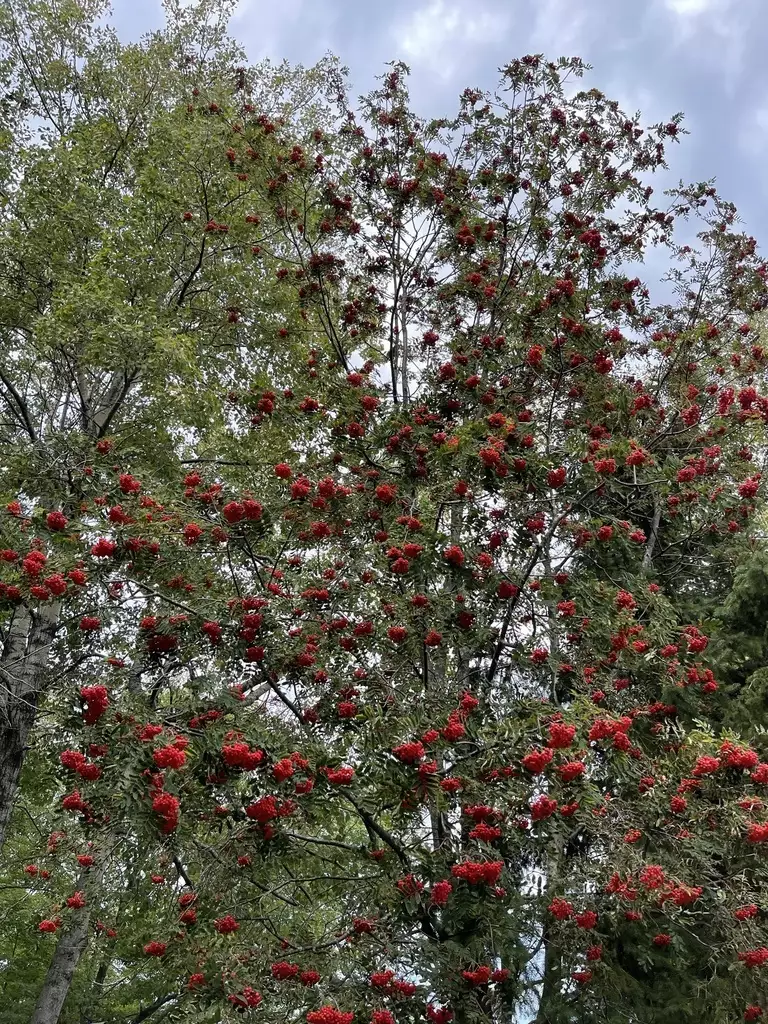
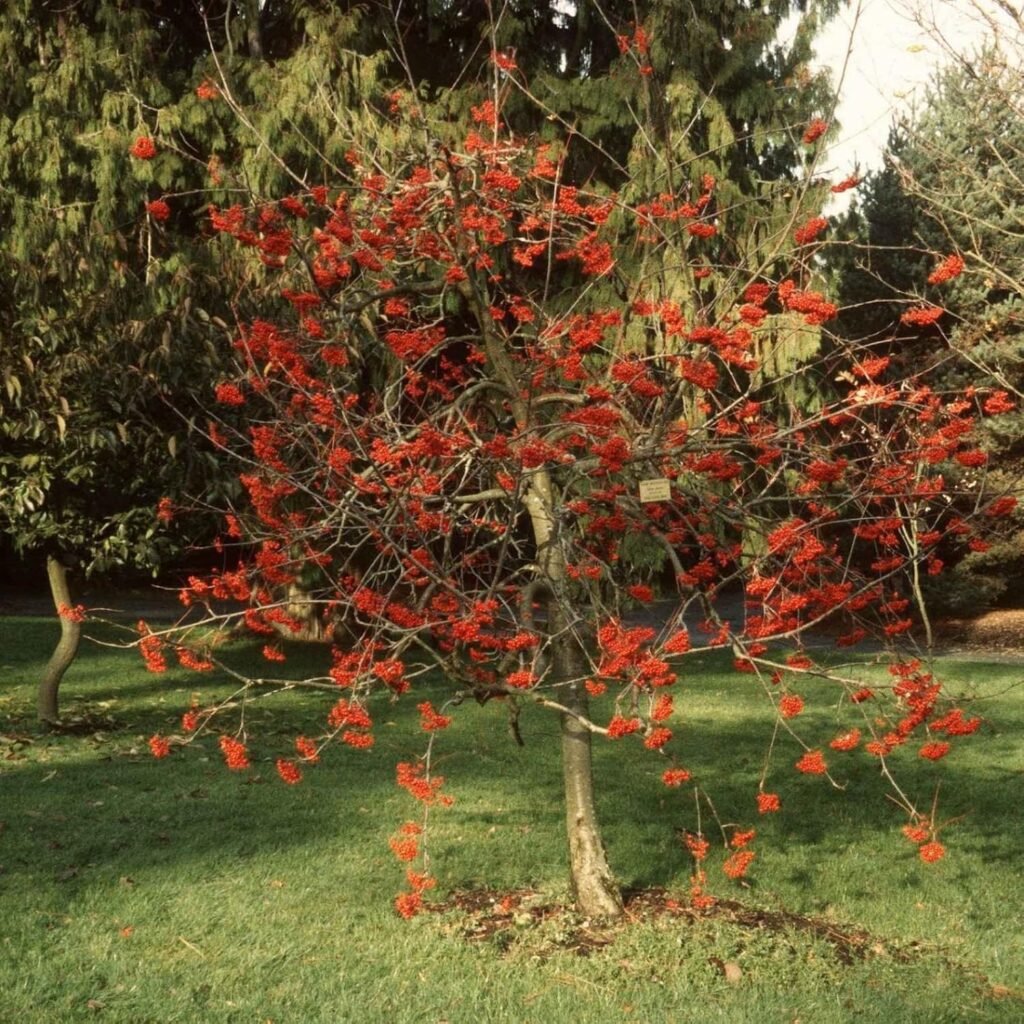
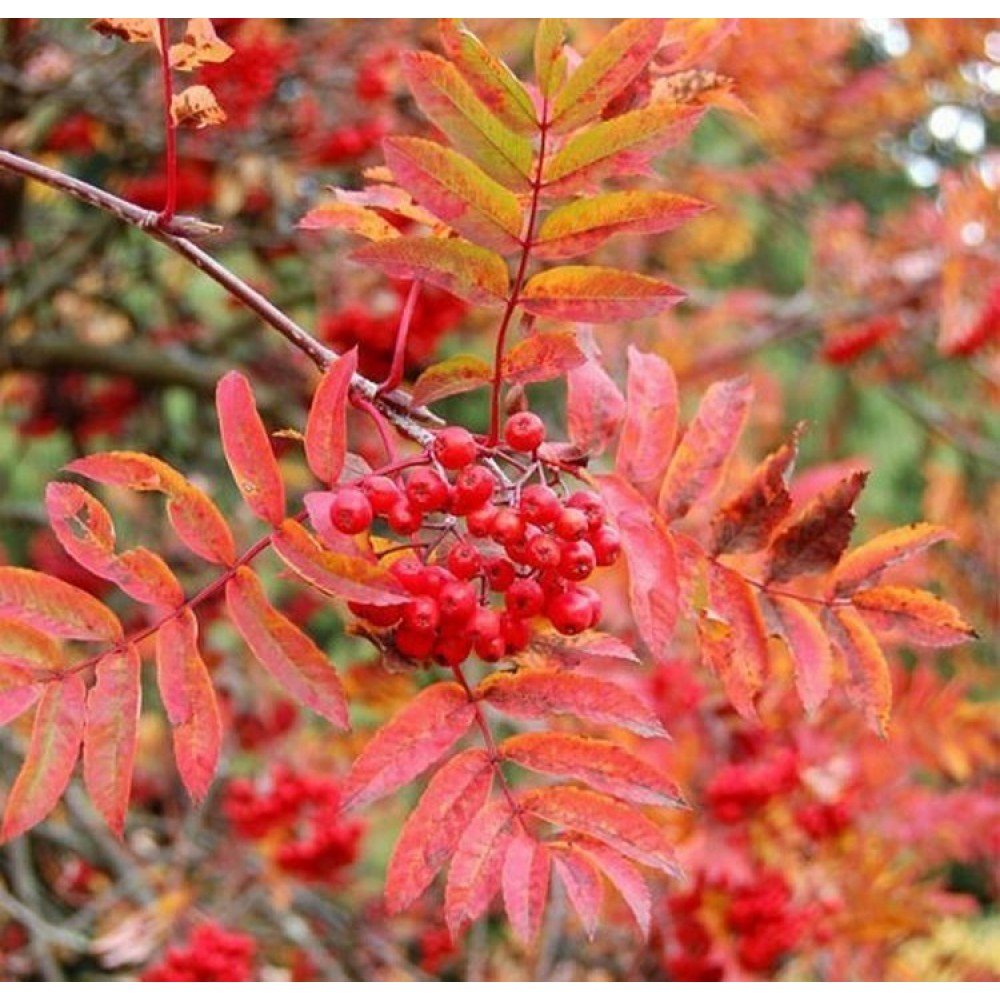
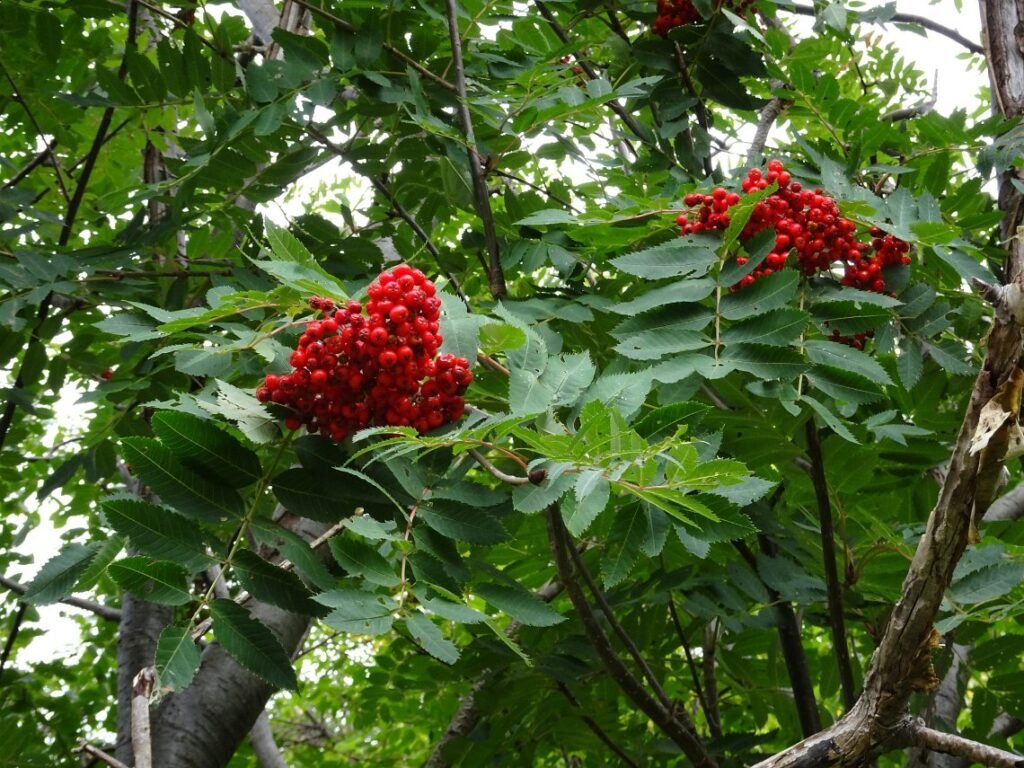
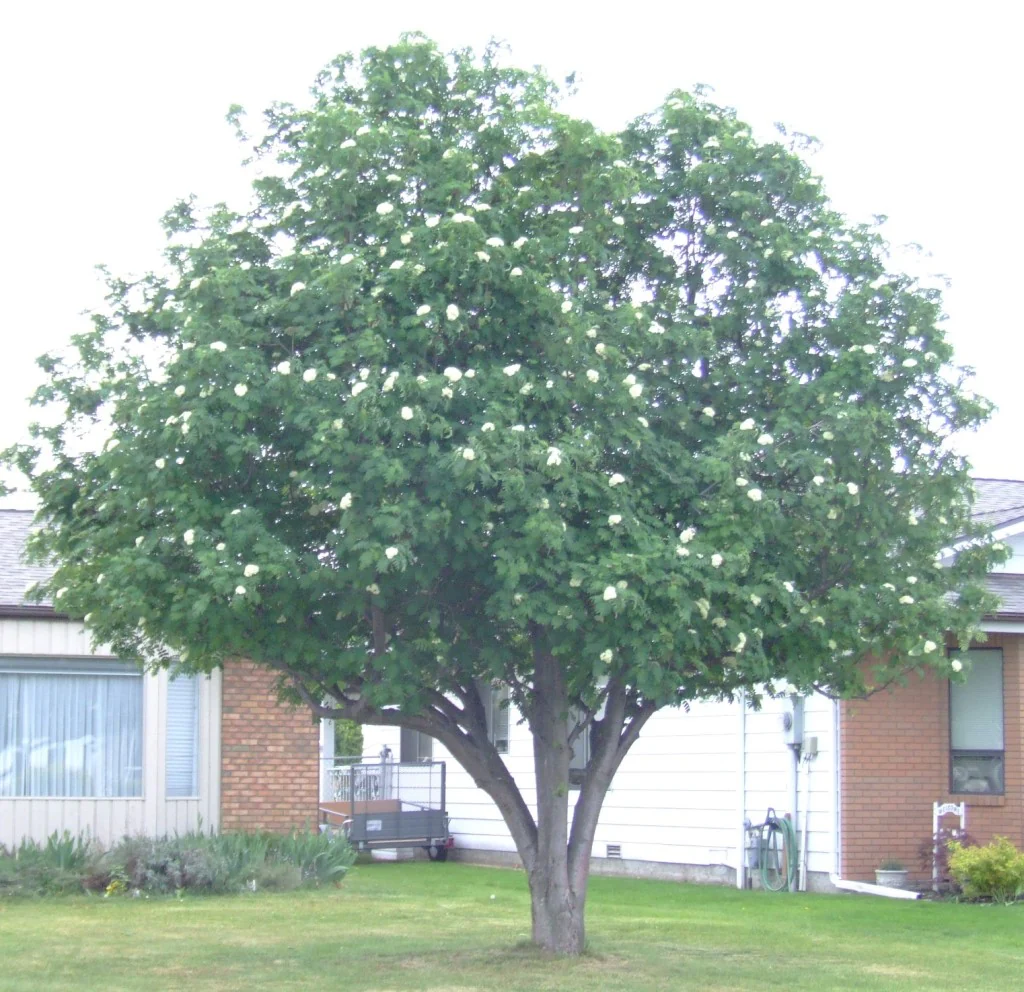
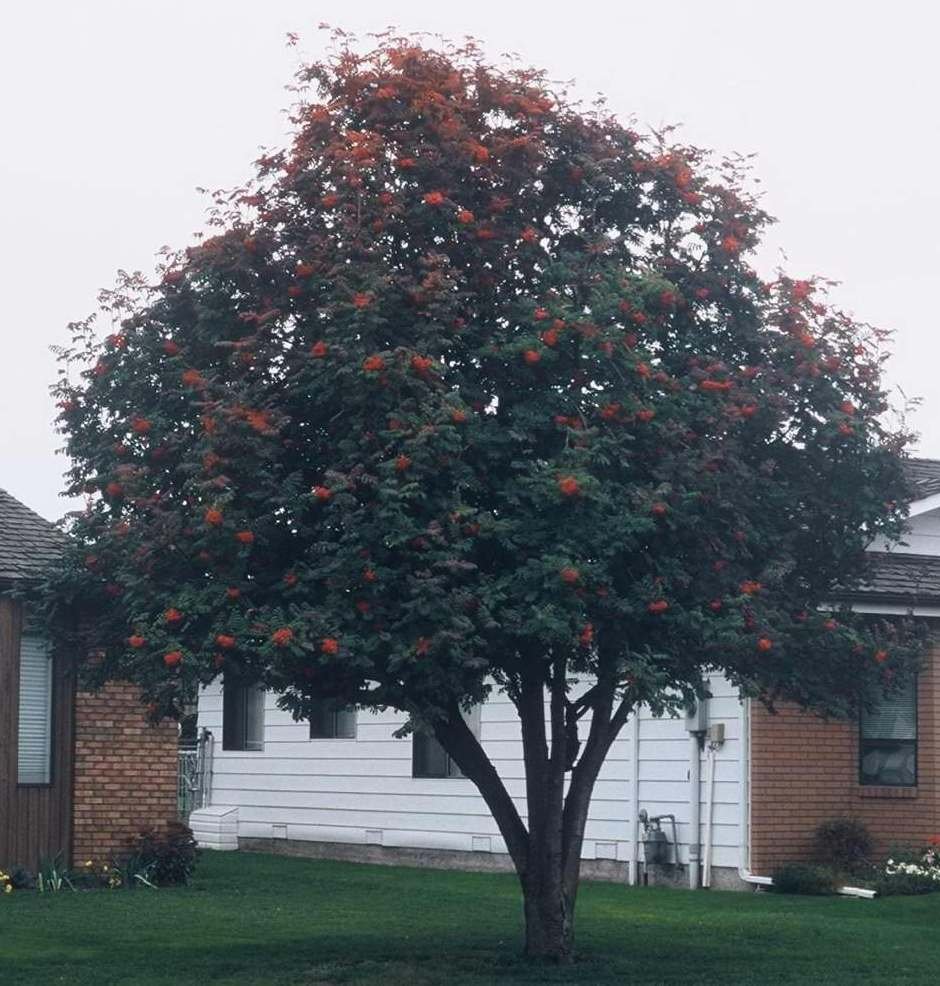
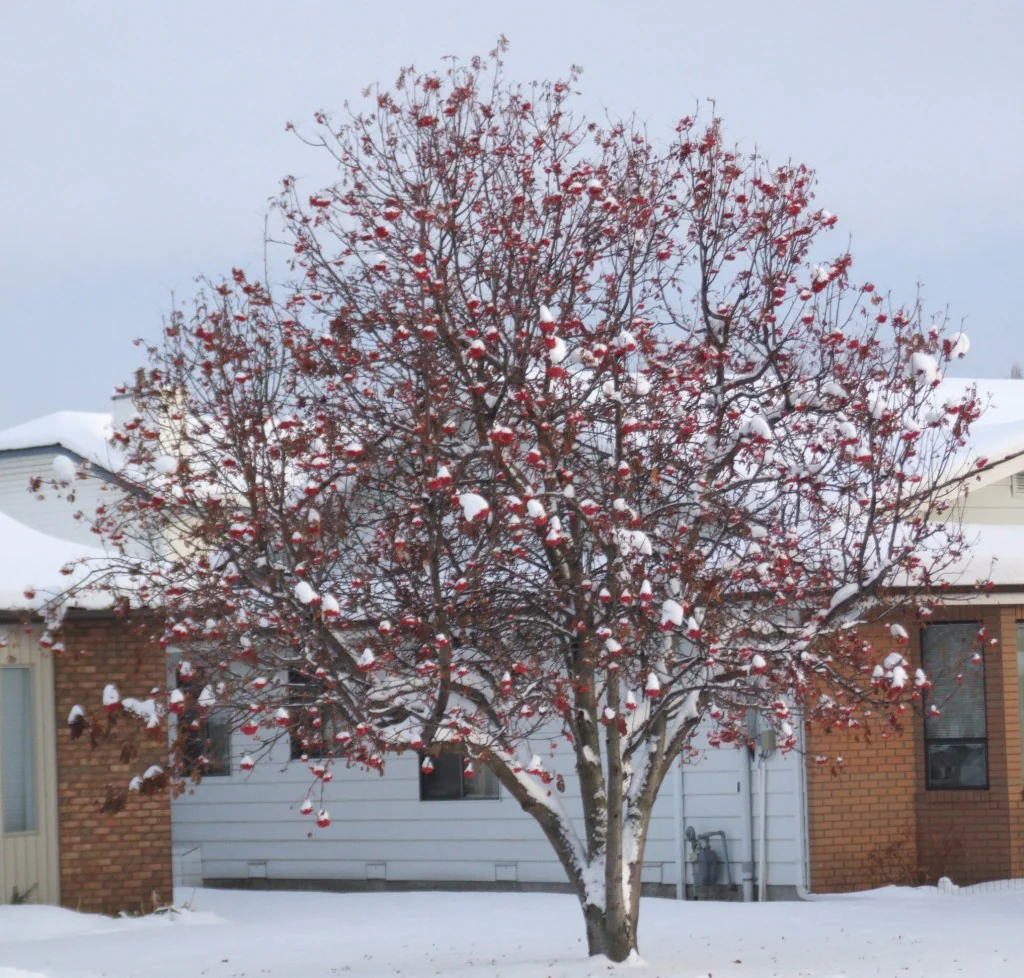
The Showy Mountain Ash (Sorbus decora) is a hardy ornamental tree native to northern North America. Known for its clusters of bright red berries, elegant white spring flowers, and vibrant autumn foliage, this species is both decorative and practical. Gardeners appreciate it for its resilience in cold climates, wildlife value, and edible berries that can be used in traditional recipes.
In this comprehensive guide, you will learn everything about growing, propagating, harvesting, and using Showy Mountain Ash, including cultivation tips and popular varieties.
What Is Showy Mountain Ash?
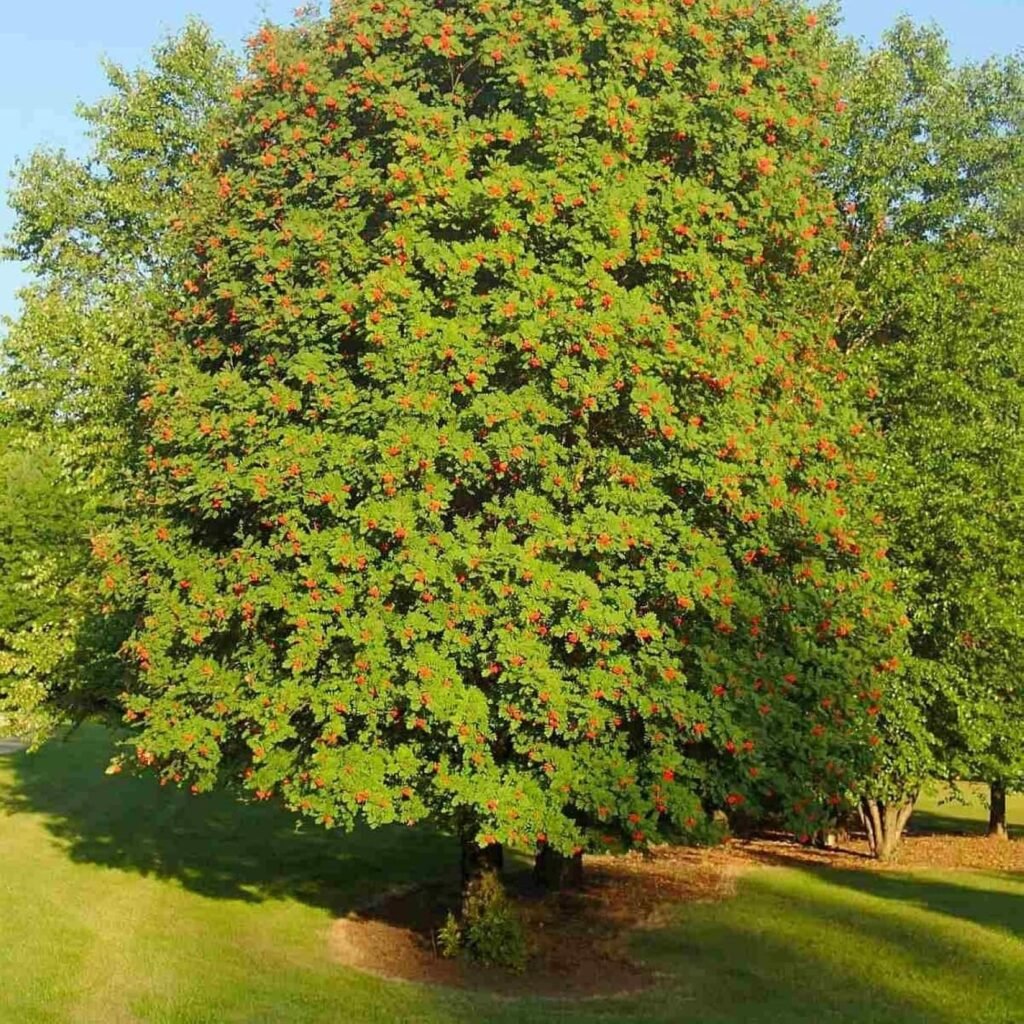
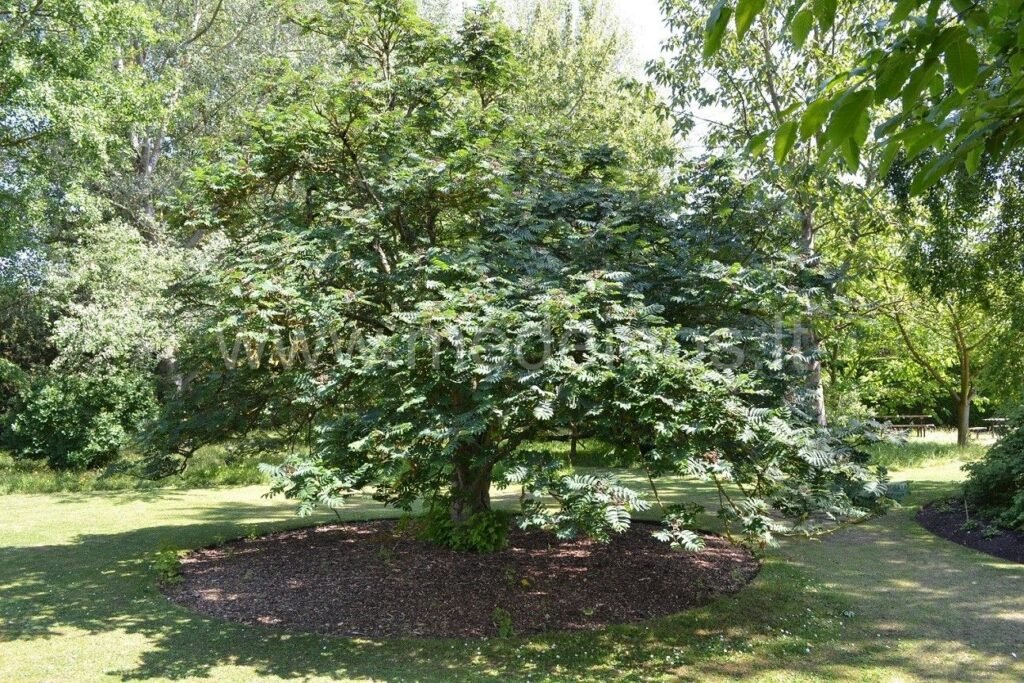
Showy Mountain Ash is a small deciduous tree belonging to the Sorbus genus within the Rosaceae family. Despite its name, it is not a true ash tree but rather closely related to apples and roses.
Key Characteristics
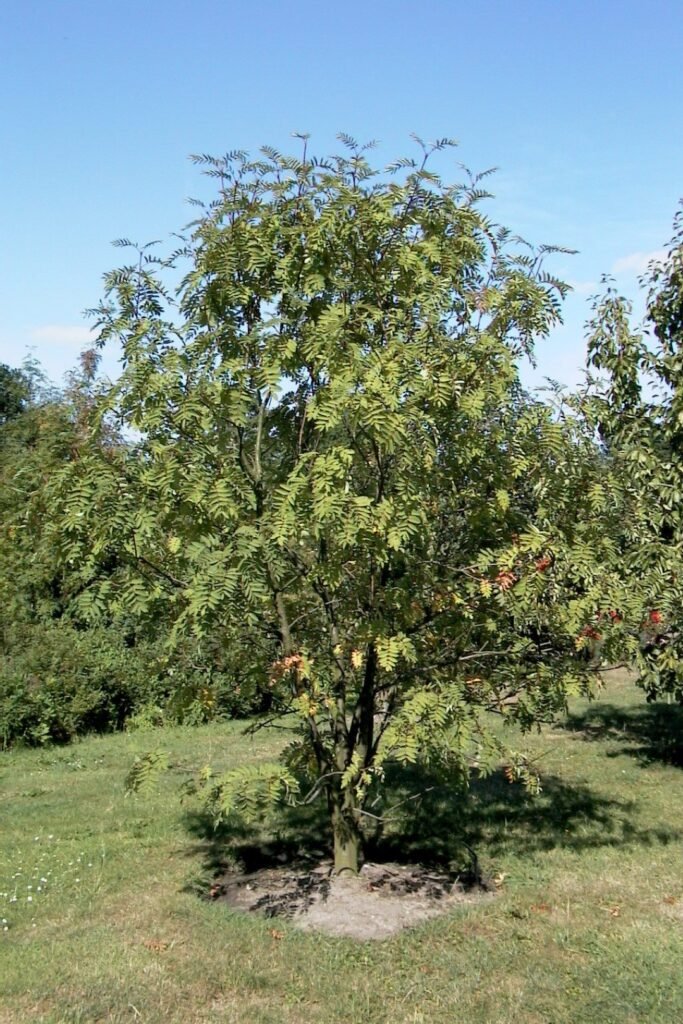
- Height: 6–12 meters (20–40 feet)
- Spread: 4–7 meters (13–23 feet)
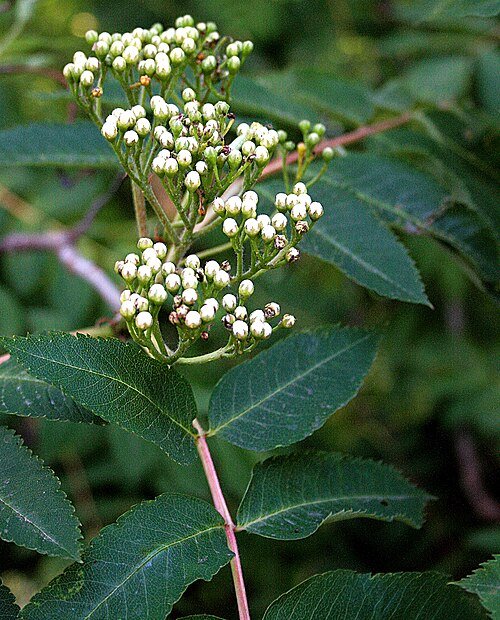
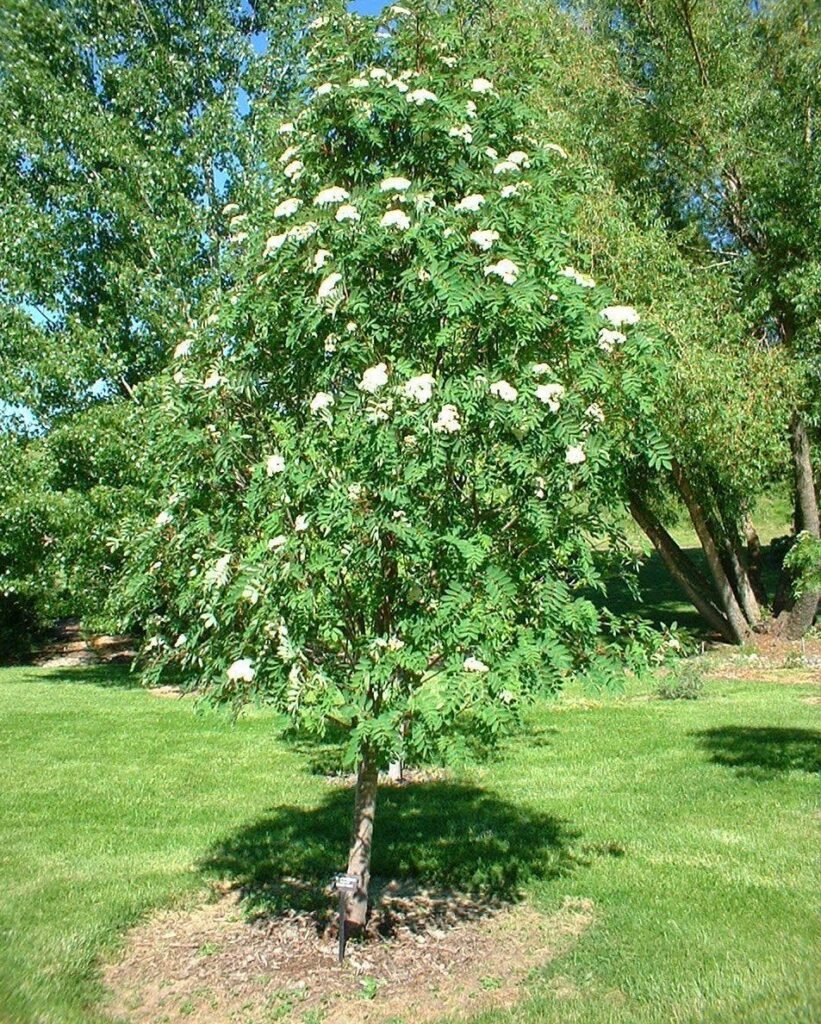
- Flowers: Creamy white clusters in late spring
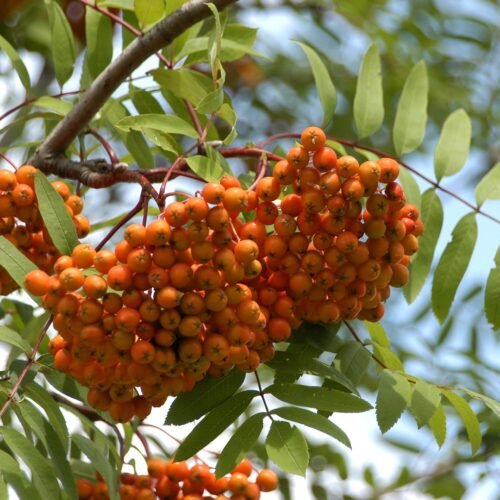
- Fruit: Bright red berries in dense clusters
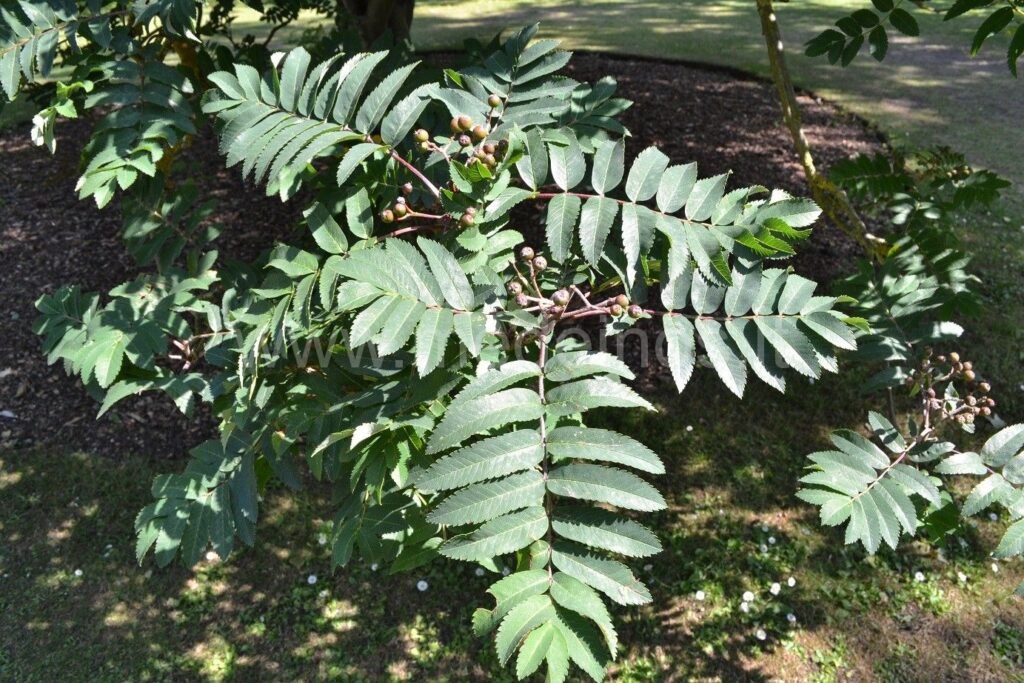
- Leaves: Compound leaves turning yellow, orange, or red in fall
- Hardiness: Very cold-tolerant (often hardy to −40°C)
The tree’s striking appearance throughout the seasons makes it a favorite for ornamental landscapes, wildlife gardens, and naturalized plantings.
How to Grow Showy Mountain Ash
Growing Showy Mountain Ash is relatively easy, especially in cooler climates. With proper placement and care, this tree can thrive for decades.
Climate and Hardiness
Showy Mountain Ash grows best in cool to cold temperate climates. It thrives in northern regions where winters are harsh and summers are moderate.
- Ideal growing zones: USDA Zones 2–6
- Prefers cool summers and cold winters
- Tolerates frost and snow exceptionally well
Because of its natural northern habitat, the tree is commonly found in forests, mountain slopes, and lake regions.
Light Requirements
For healthy growth and abundant berry production, the tree needs:
- Full sun to partial shade
- Minimum of 6 hours of sunlight daily
Trees grown in full sun generally produce more flowers and larger berry clusters.
Soil Requirements
Showy Mountain Ash adapts to many soil conditions but performs best in well-drained soil.
Ideal soil conditions include:
- Slightly acidic to neutral pH (5.5–7)
- Moist but well-drained soil
- Loamy or sandy loam texture
Although adaptable, the tree does not tolerate waterlogged or heavy clay soils for long periods.
Watering Needs
Young trees require regular watering to establish strong roots.
Watering guidelines:
- Water weekly during the first two growing seasons
- Maintain moderate moisture during dry spells
- Mature trees become moderately drought tolerant
Mulching around the base helps retain soil moisture and regulate soil temperature.
Fertilization
Showy Mountain Ash does not need heavy feeding.
Recommended approach:
- Apply compost or organic mulch in early spring
- Optional balanced slow-release fertilizer once per year
- Avoid excessive nitrogen, which can reduce fruit production
Popular Varieties of Mountain Ash
While Sorbus decora itself is a distinct species, gardeners often plant it alongside other ornamental Sorbus species.
Common related varieties include:
European Mountain Ash (Sorbus aucuparia)
- One of the most widely planted species
- Produces bright orange-red berries
- Often used in ornamental landscapes
American Mountain Ash (Sorbus americana)
- Native to eastern North America
- Slightly smaller tree
- Similar edible berries
Korean Mountain Ash (Sorbus commixta)
- Known for spectacular fall foliage
- More tolerant of warmer climates
Showy Mountain Ash is often preferred in colder regions because of its superior cold tolerance and disease resistance.
How to Propagate Showy Mountain Ash
Propagation can be done using several methods, though some require patience.
Growing From Seeds
Seed propagation is the most common natural method.
Steps:
- Collect ripe berries in late summer or autumn.
- Remove the pulp and clean the seeds.
- Cold stratify seeds in moist sand for 3–4 months.
- Plant seeds in spring about 1 cm deep in pots or nursery beds.
- Germination usually occurs within 1–2 months.
Seed-grown trees may take 5–8 years to produce berries.
Propagation by Cuttings
Cuttings can produce faster results.
Steps:
- Take semi-hardwood cuttings in mid-summer.
- Cut sections about 15–20 cm long.
- Dip in rooting hormone.
- Plant in moist propagation medium.
- Maintain high humidity until roots develop.
Rooting may take 6–10 weeks.
Grafting
Professional nurseries often propagate Sorbus trees through grafting to maintain specific traits.
Benefits include:
- Faster fruiting
- Consistent growth characteristics
- Disease-resistant rootstocks
Uses of Showy Mountain Ash
This tree provides value beyond ornamental beauty.
Ornamental Landscaping
Showy Mountain Ash is widely used in landscape design because it offers:
- Decorative flowers
- Bright berry clusters
- Attractive fall foliage
- Compact size for small gardens
It works well as:
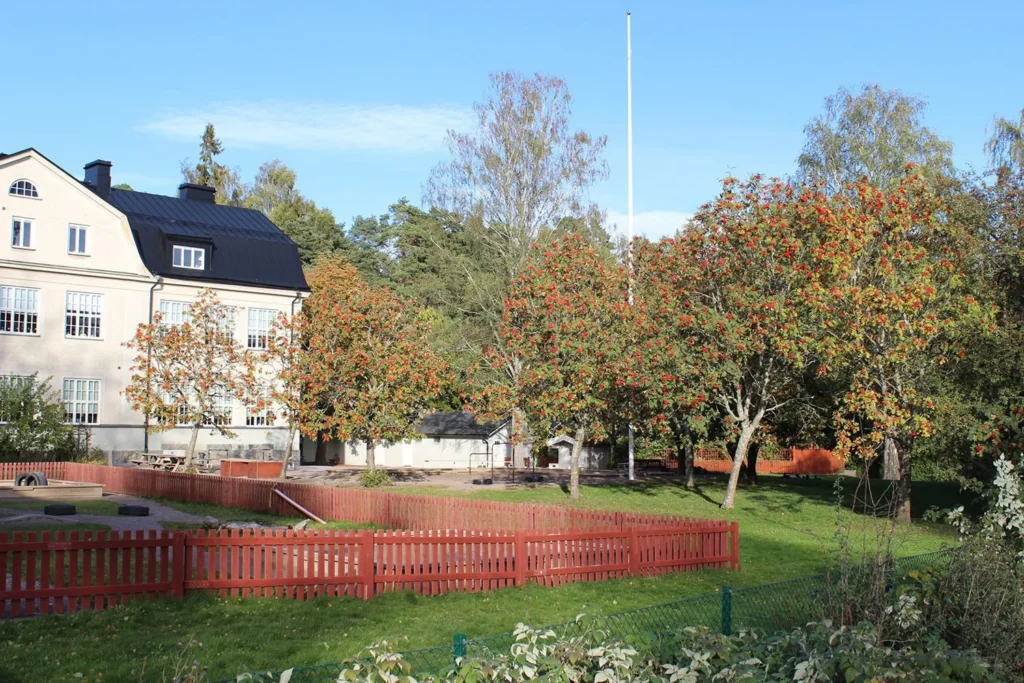
- A specimen tree
- A wildlife garden feature
- A roadside or park planting
Wildlife Habitat
The berries are extremely valuable to wildlife.
Birds that feed on the fruit include:
- Waxwings
- Thrushes
- Grosbeaks
- Robins
Many animals rely on the berries during late autumn and winter when food is scarce.
Traditional and Medicinal Uses
Indigenous communities historically used mountain ash berries for:
- Nutritional supplements
- Traditional medicines
- Preserves and teas
The berries contain:
- Vitamin C
- Antioxidants
- Natural pectin
However, raw berries can taste bitter and are usually processed before consumption.
Food Uses and Recipes
Although tart when raw, Showy Mountain Ash berries become delicious when cooked.
Common culinary uses include:
Mountain Ash Jelly
One of the most traditional preparations.
Process:
- Simmer berries in water.
- Strain the juice.
- Add sugar and boil until it forms jelly.
The result is a tangy, aromatic preserve that pairs well with meats and bread.
Berry Syrup
The berries can be cooked with sugar and water to produce a flavorful syrup used in:
- Pancakes
- Desserts
- Cocktails
Mountain Ash Wine
Fermented berries can produce a unique homemade fruit wine with a tart flavor.
Dried Berry Powder
Dried berries can be ground into powder and used as a flavoring or nutritional supplement.
When and How to Harvest Showy Mountain Ash
Harvesting berries at the right time improves both flavor and nutritional value.
Harvest Season
Berries usually ripen in:
- Late August to October
The best time to harvest is after the first frost, which helps reduce bitterness.
Harvesting Tips
- Use pruning shears to cut berry clusters.
- Wear gloves to protect hands from stains.
- Harvest only fully colored, ripe berries.
A mature tree can produce large clusters containing hundreds of berries.
Storage and Preservation
Fresh berries do not last long but can be preserved easily.
Best preservation methods include:
- Freezing
- Drying
- Jelly or jam production
- Fermentation into wine
Frozen berries retain their quality for up to one year.
Common Pests and Diseases
Showy Mountain Ash is generally hardy but can face some problems.
Potential issues include:
- Aphids
- Leaf spot fungi
- Fire blight (rare but possible)
Prevention methods:
- Maintain good air circulation
- Remove infected leaves
- Avoid excessive watering
Healthy trees are usually very resistant.
Benefits of Growing Showy Mountain Ash
Planting this tree offers many advantages:
- Exceptional cold tolerance
- Strong ornamental appeal
- Valuable wildlife food source
- Edible berries for culinary uses
- Low maintenance requirements
Because of these benefits, Showy Mountain Ash is an excellent choice for northern gardens, natural landscapes, and ecological plantings.
Final Thoughts
The Showy Mountain Ash (Sorbus decora) is a beautiful and resilient tree that brings seasonal color, wildlife benefits, and edible fruit to gardens. With proper care, it can thrive in cold climates and become a striking centerpiece in landscapes.
Whether you are planting it for ornamental beauty, ecological value, or culinary experimentation, this hardy mountain ash species is a rewarding addition to any garden. By understanding how to grow, propagate, and harvest it properly, gardeners can enjoy its vibrant berries and graceful appearance for many years.


&media=https://food-foresting.com/wp-content/uploads/2026/03/Sorbus-decora-1.jpg)