
 paulius.mikoliunas1
| Common Name | Silverberry |
| Family | Elaeagnaceae |
| USDA hardiness | 2-6 |
| Known Hazards | None known |
| Habitats | Dry calcareous slopes. |
| Range | N. America – Quebec to Alaska and south to Utah, S. Dakota and Minnesota.. |
| Edibility Rating |   (3 of 5) (3 of 5) |
| Other Uses |   (4 of 5) (4 of 5) |
| Weed Potential | No |
| Medicinal Rating |   (2 of 5) (2 of 5) |
| Care (info) |     |
Silverberry (Elaeagnus commutata): Complete Guide to Growing, Propagating, Varieties, Uses, Food Options, and Harvesting
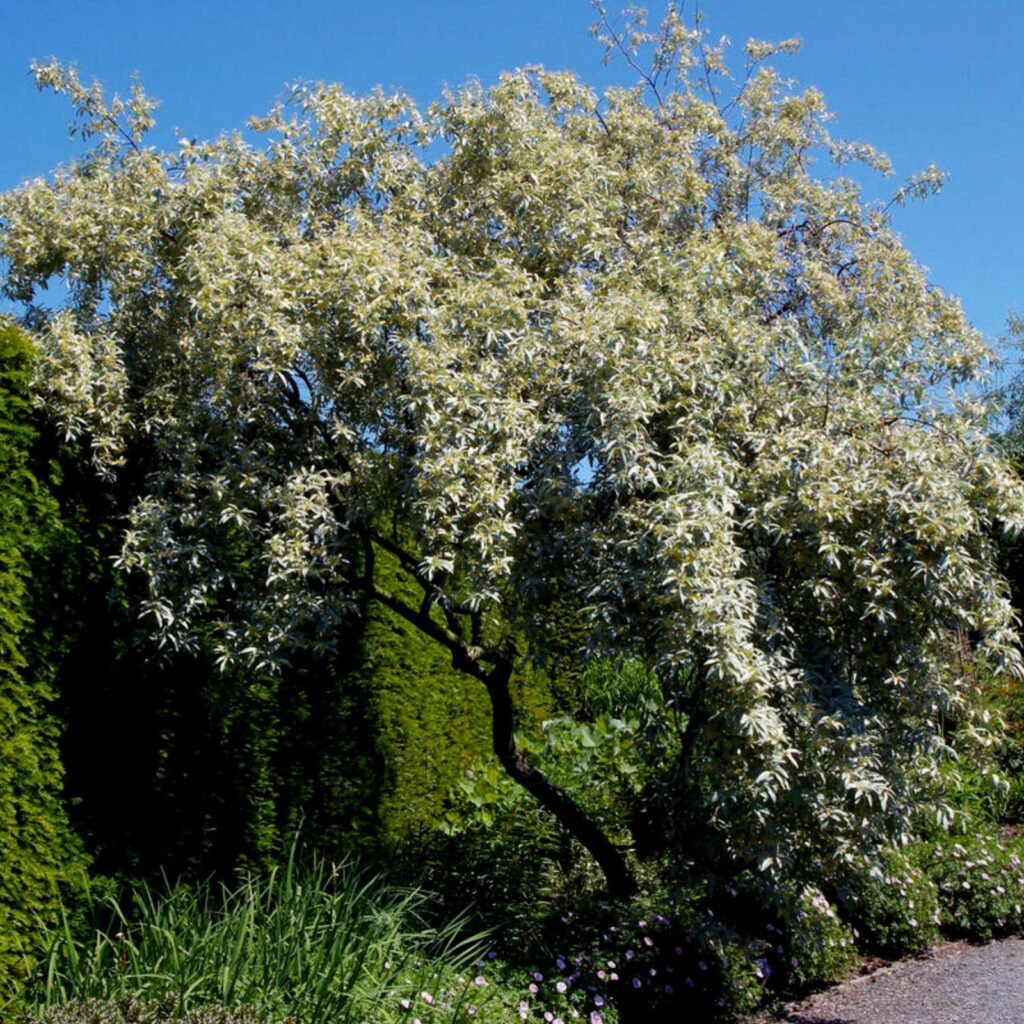
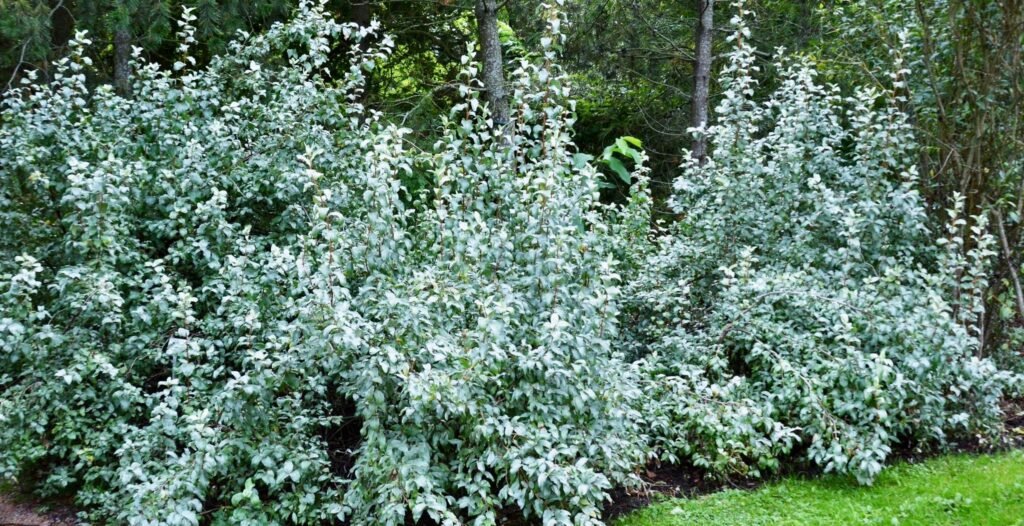
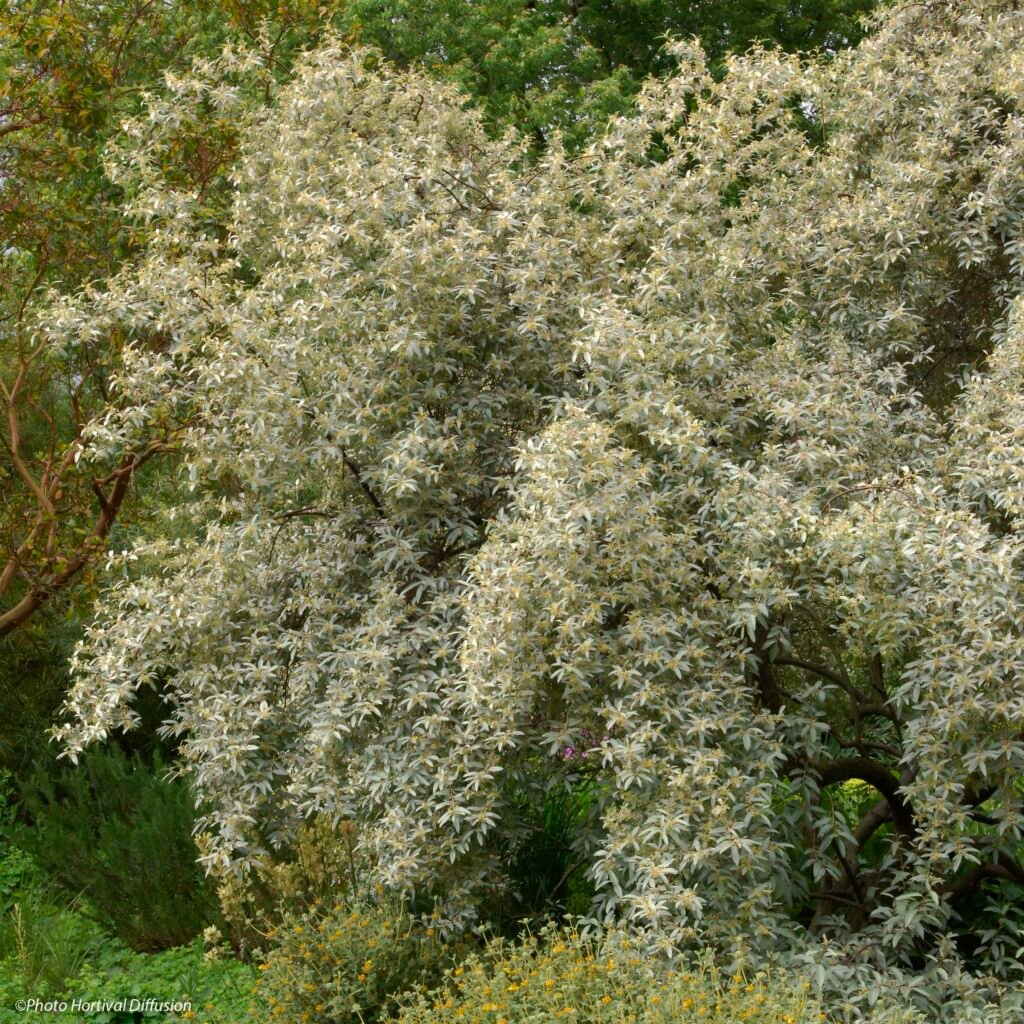
Silverberry (Elaeagnus commutata), also known as wolf willow, silver buffaloberry, or silverleaf, is a hardy native shrub valued for its shimmering foliage, fragrant flowers, wildlife benefits, and edible fruit. Whether you’re a gardener, forager, landscaper, or permaculture enthusiast, silverberry is an underrated plant with remarkable versatility.
This in-depth guide covers how to grow silverberry, propagation methods, popular varieties, landscaping and medicinal uses, edible applications, and harvesting tips—everything you need to successfully cultivate and use this resilient shrub.
What Is Silverberry (Elaeagnus commutata)?
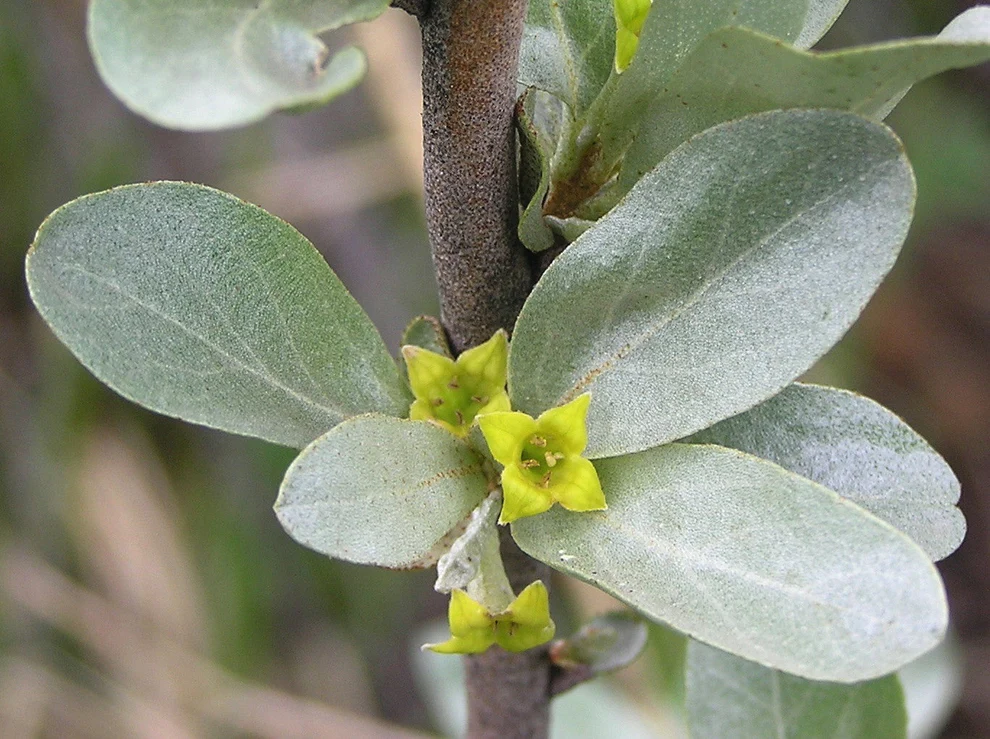
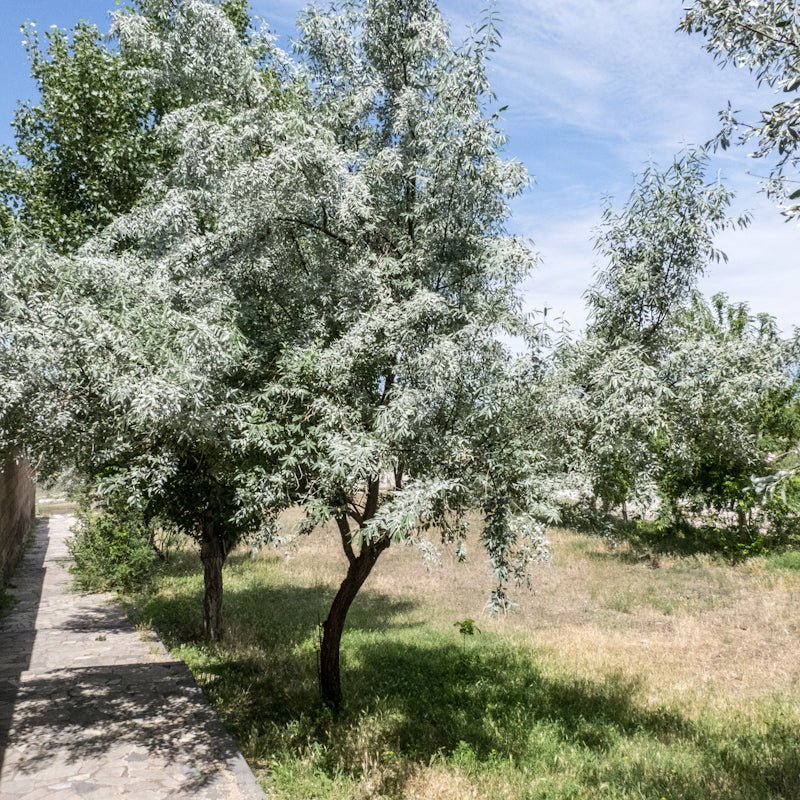
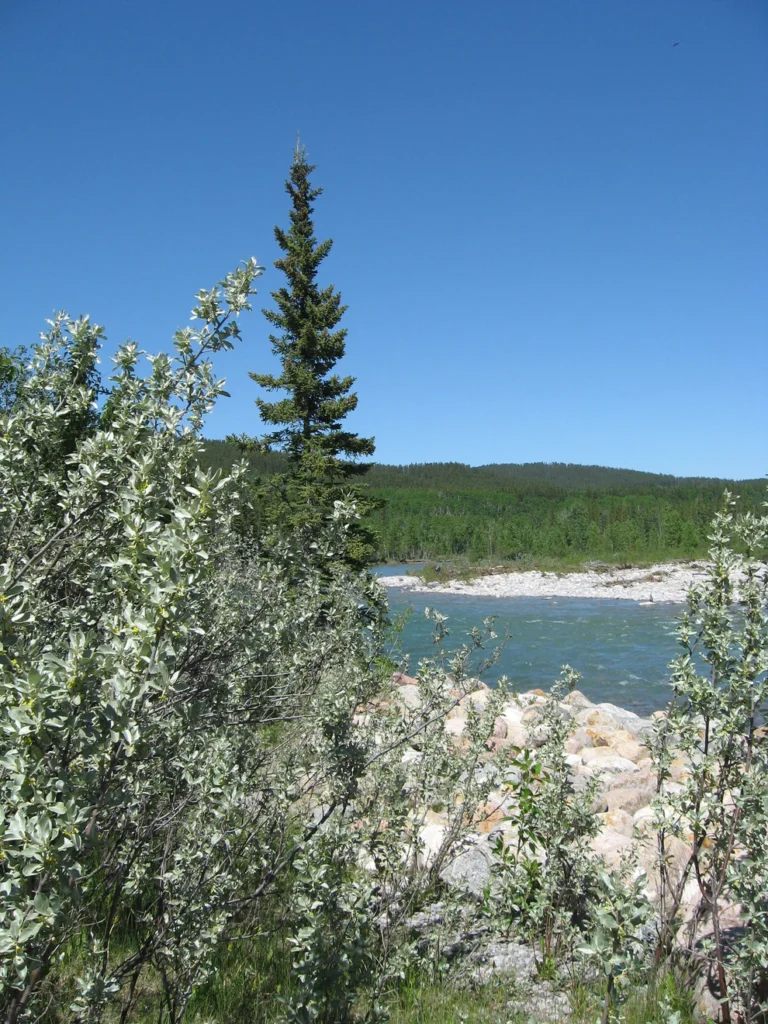
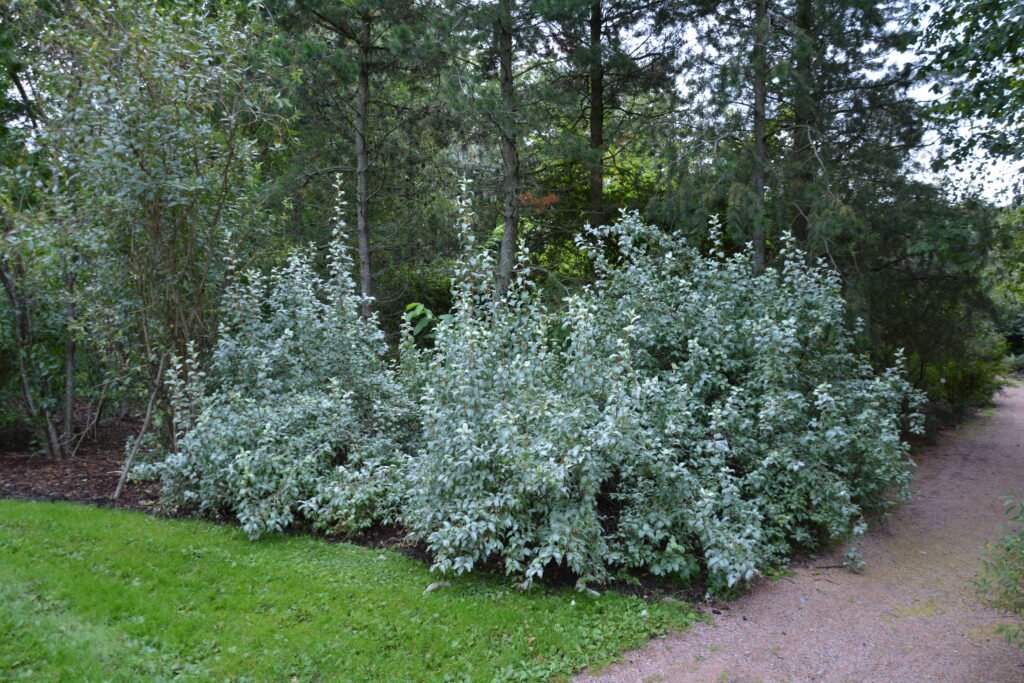
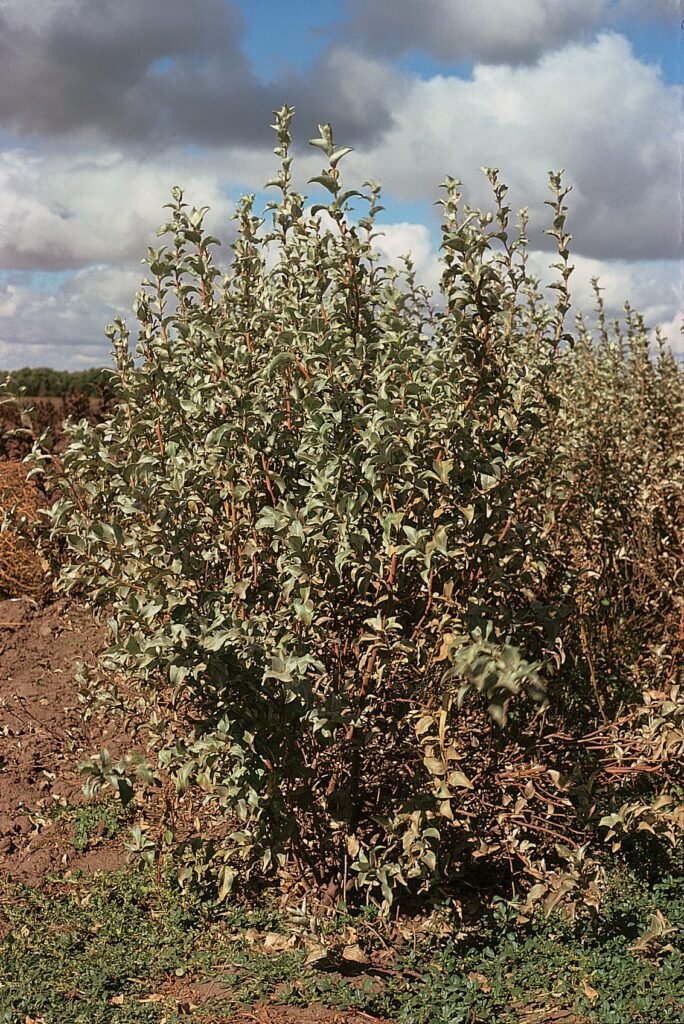
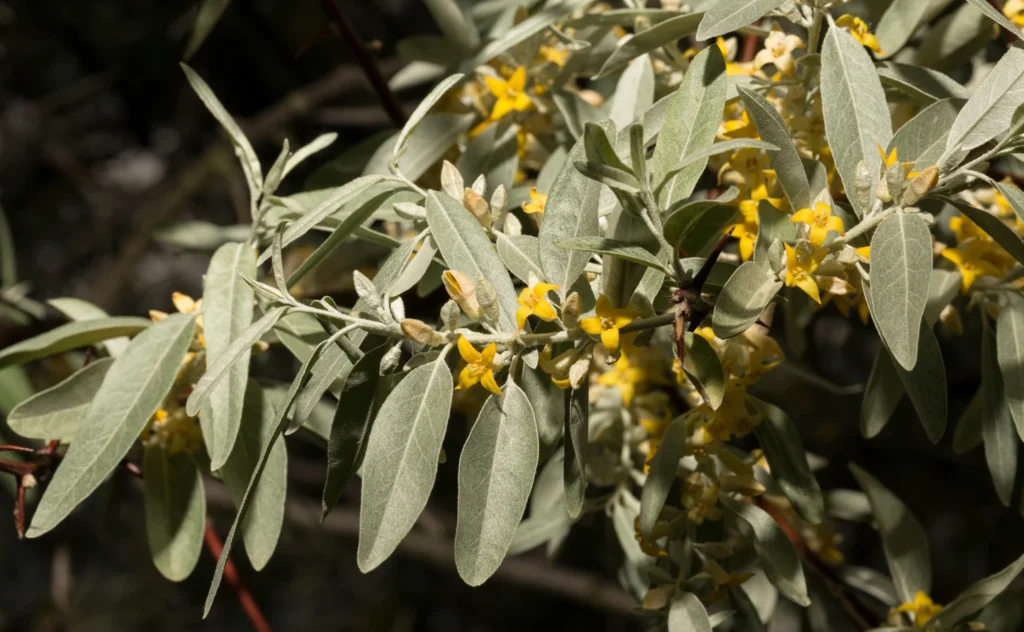
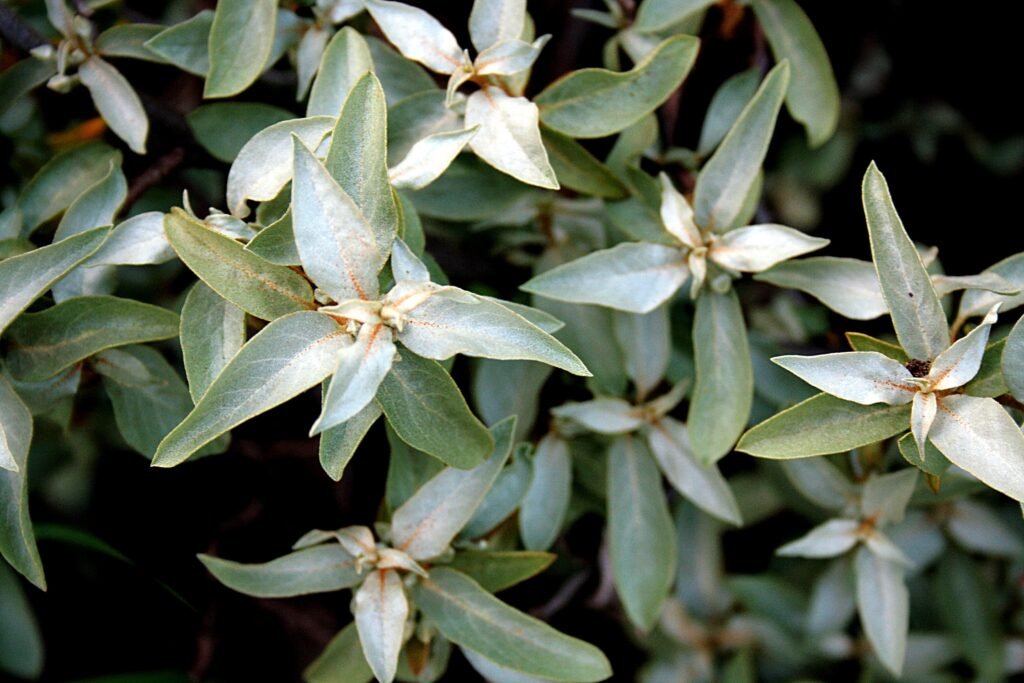
Silverberry is a deciduous, nitrogen-fixing shrub native to North America. It typically grows 6–12 feet tall with a similar spread and is instantly recognizable by its silvery-gray leaves that shimmer in sunlight. In late spring to early summer, it produces small, tubular yellow flowers with an intense, sweet fragrance.
Key Characteristics
- Scientific name: Elaeagnus commutata
- Family: Elaeagnaceae
- Native range: Northern United States and Canada
- Growth habit: Multi-stemmed shrub
- Lifespan: Long-lived perennial
How to Grow Silverberry Successfully
Growing silverberry is refreshingly easy. This shrub thrives where many others struggle.
Climate and Hardiness
Silverberry is extremely cold-hardy and performs well in USDA hardiness zones 2–7, making it ideal for northern climates and exposed landscapes.
Sun Requirements
- Prefers full sun
- Tolerates partial shade, but flowering and fruiting are best in sun
Soil Preferences
Silverberry adapts to a wide range of soils:
- Sandy, loamy, or clay soils
- Poor or nutrient-deficient soils
- Slightly acidic to alkaline pH
Because it fixes nitrogen through root nodules, it actually improves soil fertility over time.
Watering Needs
- Low to moderate water requirements
- Highly drought-tolerant once established
- Avoid waterlogged soils
Planting Tips
- Plant in spring or fall
- Space shrubs 6–10 feet apart
- Mulch lightly to retain moisture during establishment
How to Propagate Silverberry
Silverberry can be propagated using several reliable methods.
1. Seed Propagation
- Collect ripe fruits in late summer or early fall
- Remove pulp and cold-stratify seeds for 2–3 months
- Sow in early spring
Note: Seed-grown plants may vary in fruit quality and growth habit.
2. Root Suckers
Silverberry naturally spreads via underground runners.
- Dig and transplant suckers in early spring or fall
- One of the fastest and easiest propagation methods
3. Hardwood Cuttings
- Take dormant cuttings in late fall or winter
- Use rooting hormone for best results
- Root in well-drained growing medium
Silverberry Varieties and Related Species
While Elaeagnus commutata itself doesn’t have many named cultivars, it belongs to a broader group of useful Elaeagnus species.
Commonly Grown Types
- Elaeagnus commutata – Native silverberry, best for ecological plantings
- Elaeagnus angustifolia – Russian olive (often invasive in some regions)
- Elaeagnus umbellata – Autumn olive, known for abundant edible fruit
For native landscapes and restoration projects, E. commutata is the preferred choice.
Uses of Silverberry in Landscaping and Ecology
Silverberry isn’t just attractive—it’s incredibly functional.
Landscaping Uses
- Windbreaks and hedgerows
- Erosion control on slopes and sandy soils
- Privacy screens
- Low-maintenance native gardens
Ecological Benefits
- Nitrogen fixation improves surrounding soil
- Provides shelter and nesting sites for birds
- Flowers attract pollinators
- Fruits feed wildlife including birds and small mammals
Medicinal and Traditional Uses
Indigenous communities have long valued silverberry for its healing properties.
Traditional Uses
- Berries used for digestive support
- Bark and leaves used in poultices
- Decoctions for sore throats and coughs
Always consult a qualified professional before using plants medicinally.
Is Silverberry Edible? Food Options Explained
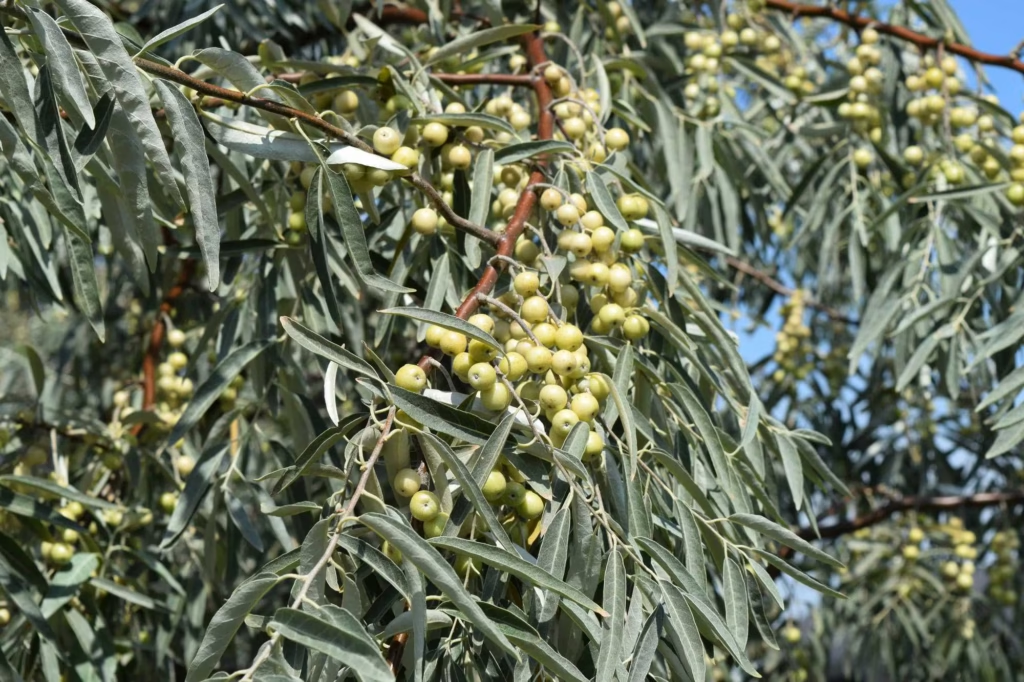
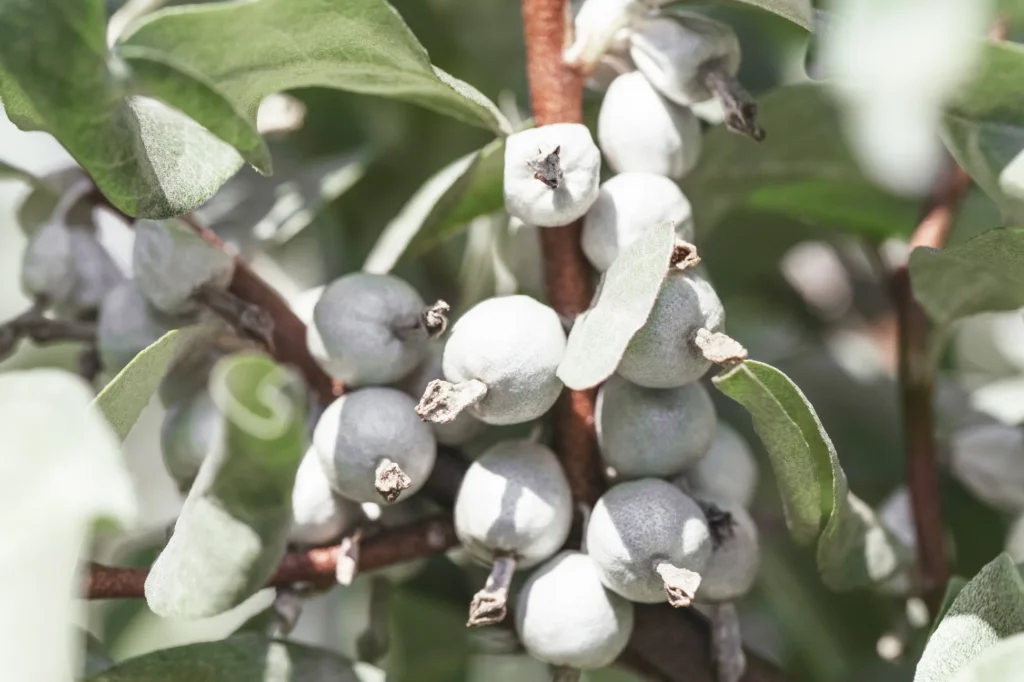
Yes—silverberry fruit is edible, though it has a unique flavor profile.
Taste and Texture
- Mealy or dry texture
- Mildly sweet with astringent notes
- Often improves after frost
How to Eat Silverberries
- Fresh (best when fully ripe or frost-kissed)
- Dried like fruit leather
- Cooked into jams or sauces
- Blended into smoothies with sweeter fruits
Nutritional Benefits
- Rich in antioxidants
- Contains vitamins A, C, and E
- High in beneficial plant compounds
How and When to Harvest Silverberry
Harvest Season
- Late summer to early fall
- Best harvested after first frost for improved flavor
Harvesting Tips
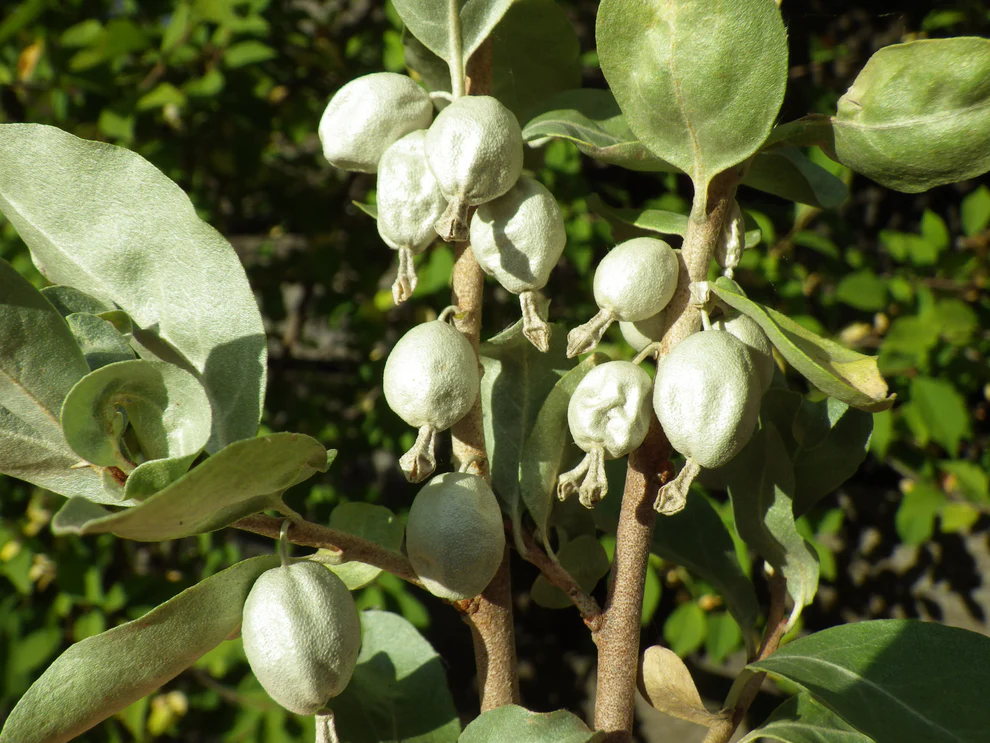
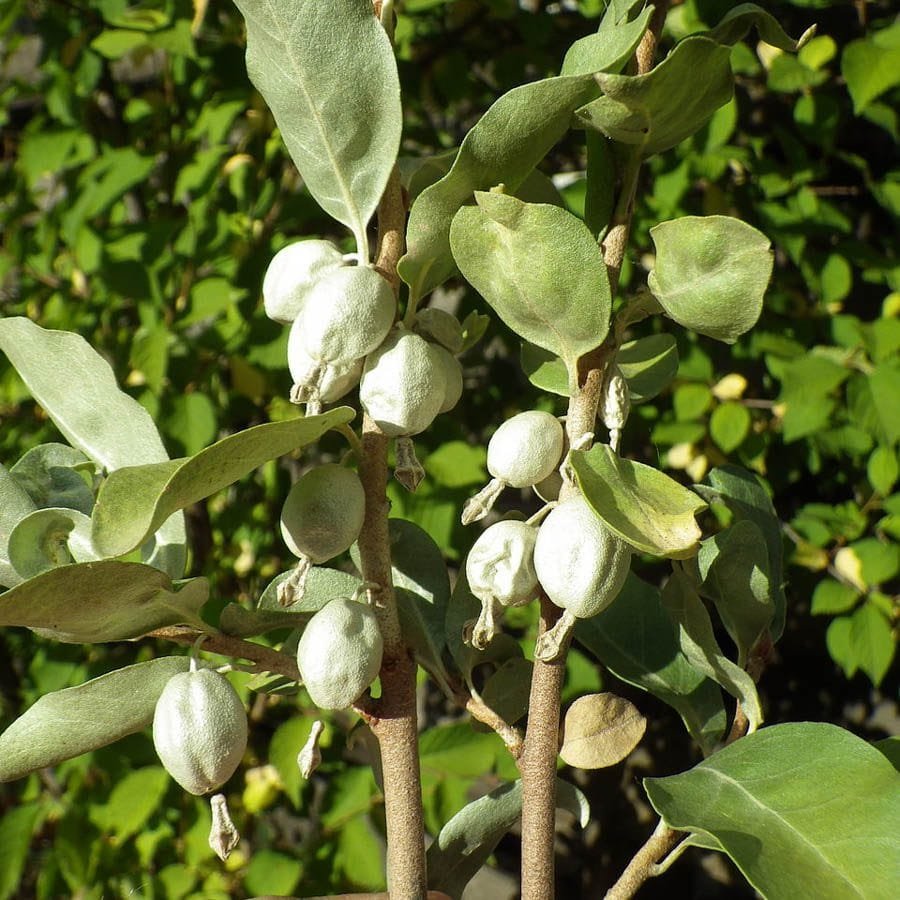
- Fruits turn dull yellow to silvery beige when ripe
- Hand-pick gently to avoid bruising
- Use gloves if branches are thorny
Storage
- Fresh berries keep a few days refrigerated
- Freeze or dry for long-term storage
Common Problems and Maintenance
Silverberry is largely pest-free, but a few issues may appear.
Potential Issues
- Powdery mildew in humid conditions
- Aggressive spreading via suckers
Maintenance Tips
- Prune in late winter to control shape
- Remove unwanted suckers to limit spread
- Minimal fertilization needed
Why Silverberry Deserves a Place in Your Garden
Silverberry (Elaeagnus commutata) is a tough, beautiful, and multifunctional shrub that excels in challenging environments. With its silvery foliage, fragrant blooms, edible fruit, and soil-building abilities, it’s ideal for sustainable gardens, food forests, and native landscapes.
If you’re looking for a low-maintenance plant with high ecological and practical value, silverberry is a standout choice.




&media=https://food-foresting.com/wp-content/uploads/2026/02/olijfwilg-elaeagnus-commutata.avif)