
 paulius.mikoliunas1
| Common Name | Swedish Whitebeam |
| Family | Rosaceae |
| USDA hardiness | 4-8 |
| Known Hazards |  The seeds probably contain hydrogen cyanide. This is the ingredient that gives almonds their characteristic flavour. Unless the seed is very bitter it should be perfectly safe in reasonable quantities. In small quantities, hydrogen cyanide has been shown to stimulate respiration and improve digestion, it is also claimed to be of benefit in the treatment of cancer. In excess, however, it can cause respiratory failure and even death. The seeds probably contain hydrogen cyanide. This is the ingredient that gives almonds their characteristic flavour. Unless the seed is very bitter it should be perfectly safe in reasonable quantities. In small quantities, hydrogen cyanide has been shown to stimulate respiration and improve digestion, it is also claimed to be of benefit in the treatment of cancer. In excess, however, it can cause respiratory failure and even death. |
| Habitats | Not known |
| Range | Europe. Freely naturalized in some areas of Britain. Possibly of hybrid origin. |
| Edibility Rating |   (2 of 5) (2 of 5) |
| Other Uses |   (3 of 5) (3 of 5) |
| Weed Potential | No |
| Medicinal Rating |  (0 of 5) (0 of 5) |
| Care (info) |     |
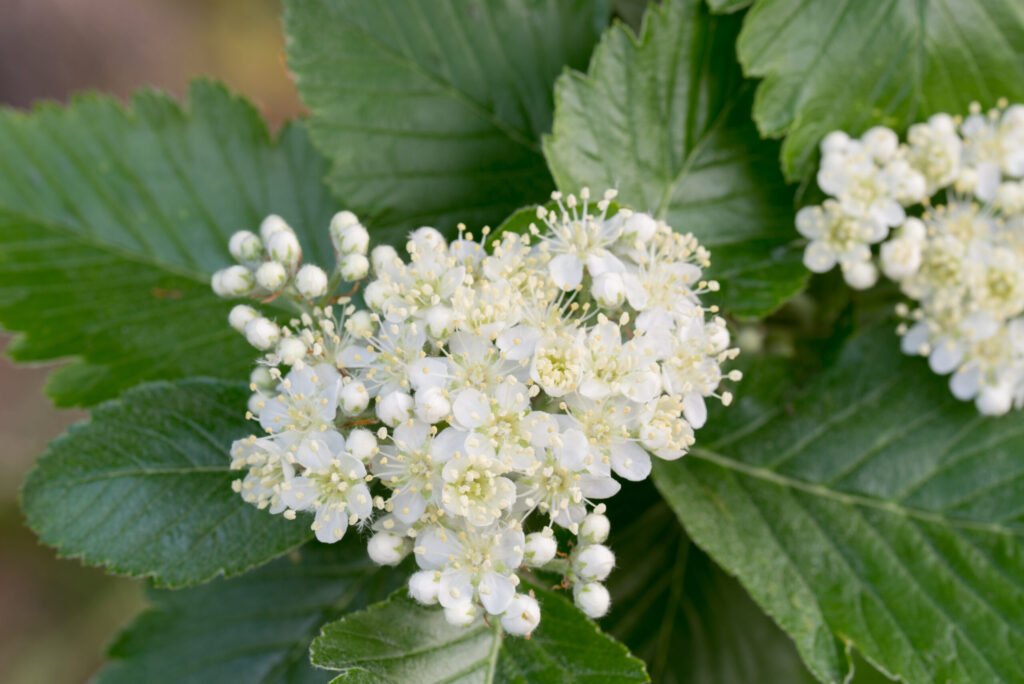
Swedish Whitebeam (Sorbus intermedia): Complete Growing, Care, Propagation & Uses Guide
Swedish Whitebeam (Sorbus intermedia) is a hardy, elegant deciduous tree prized for its silvery foliage, ornamental berries, and exceptional adaptability. Native to Northern Europe, this resilient species is widely planted in urban and rural landscapes thanks to its tolerance of pollution, wind, and poor soils.
If you’re looking for a low-maintenance tree with year-round appeal, Swedish Whitebeam is an excellent choice. This in-depth guide covers everything you need to know—from planting and propagation to harvesting and culinary uses.
🌳 Overview of Swedish Whitebeam
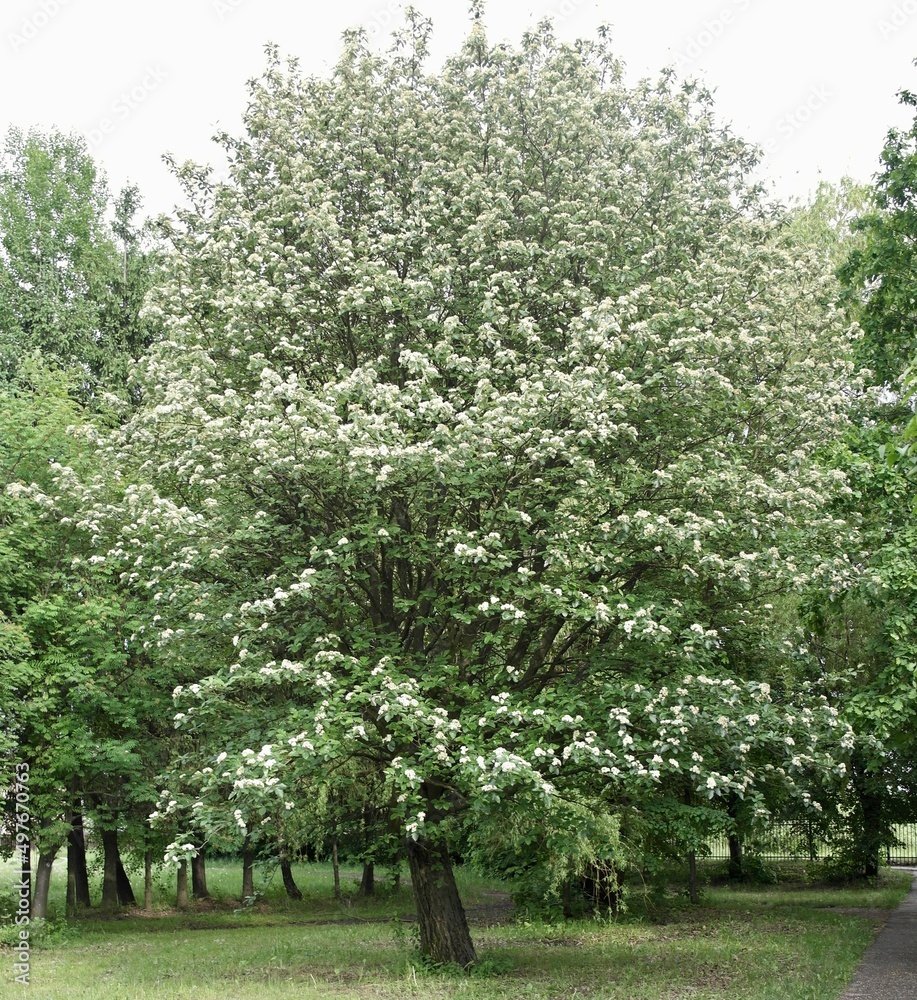
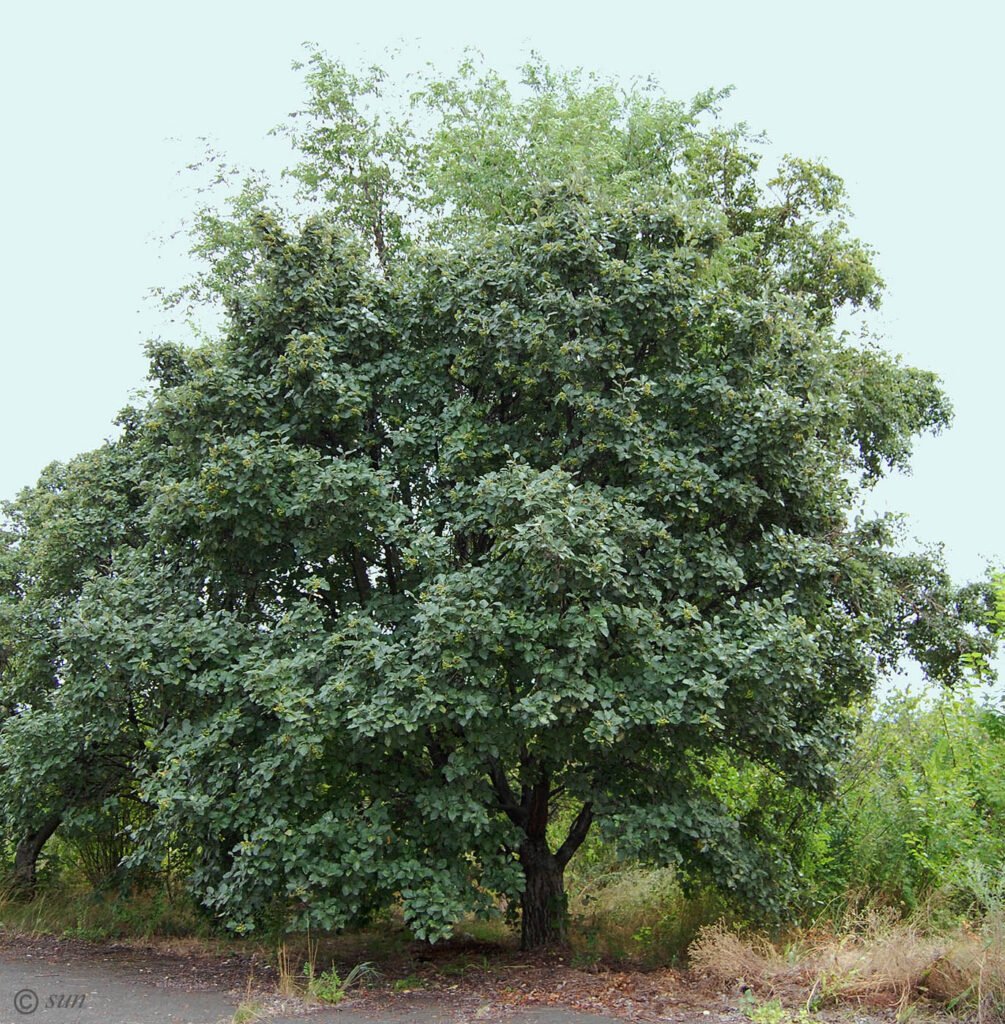
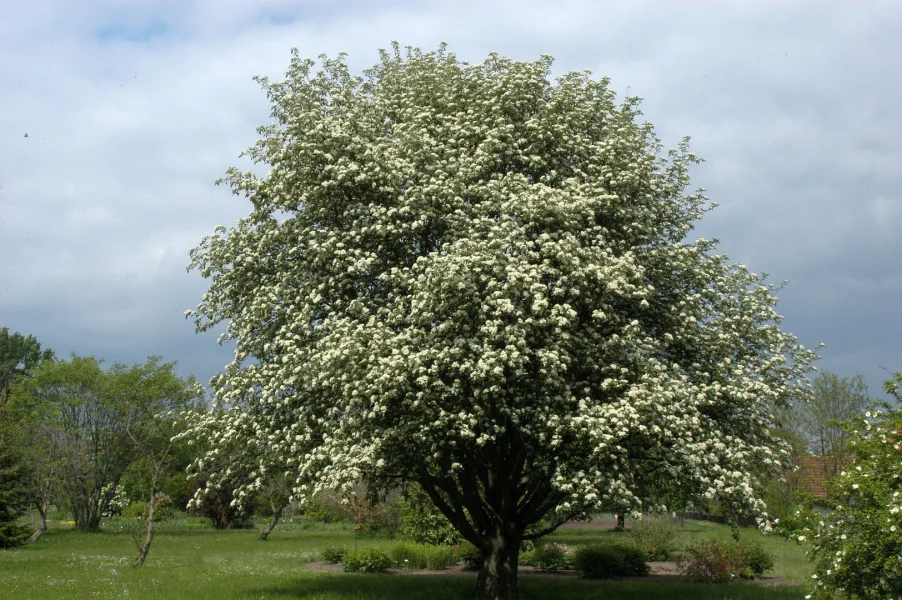
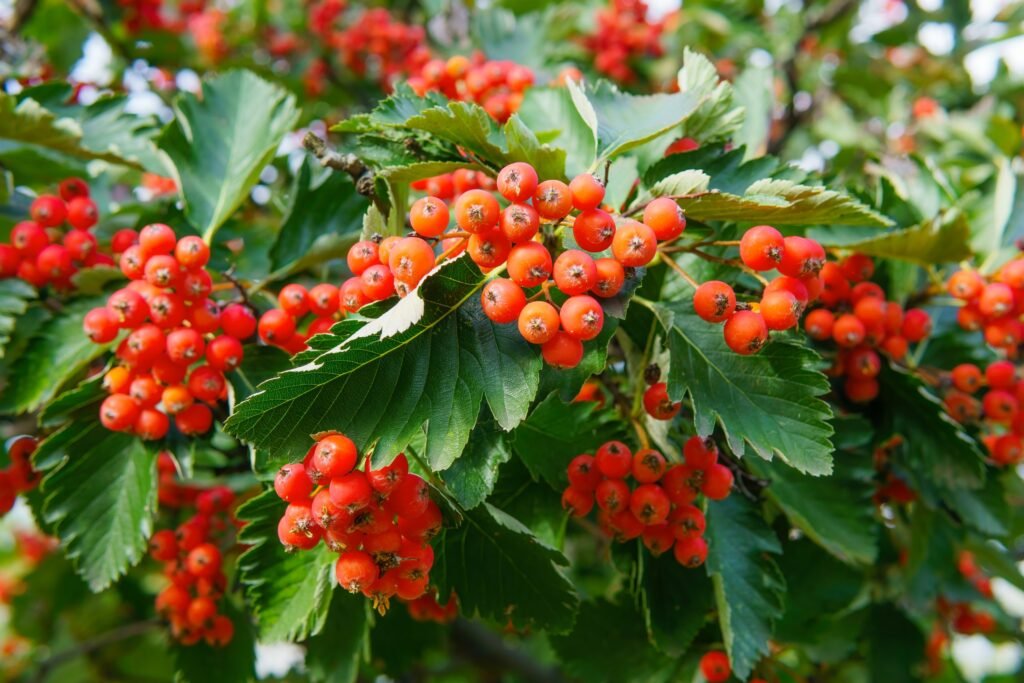
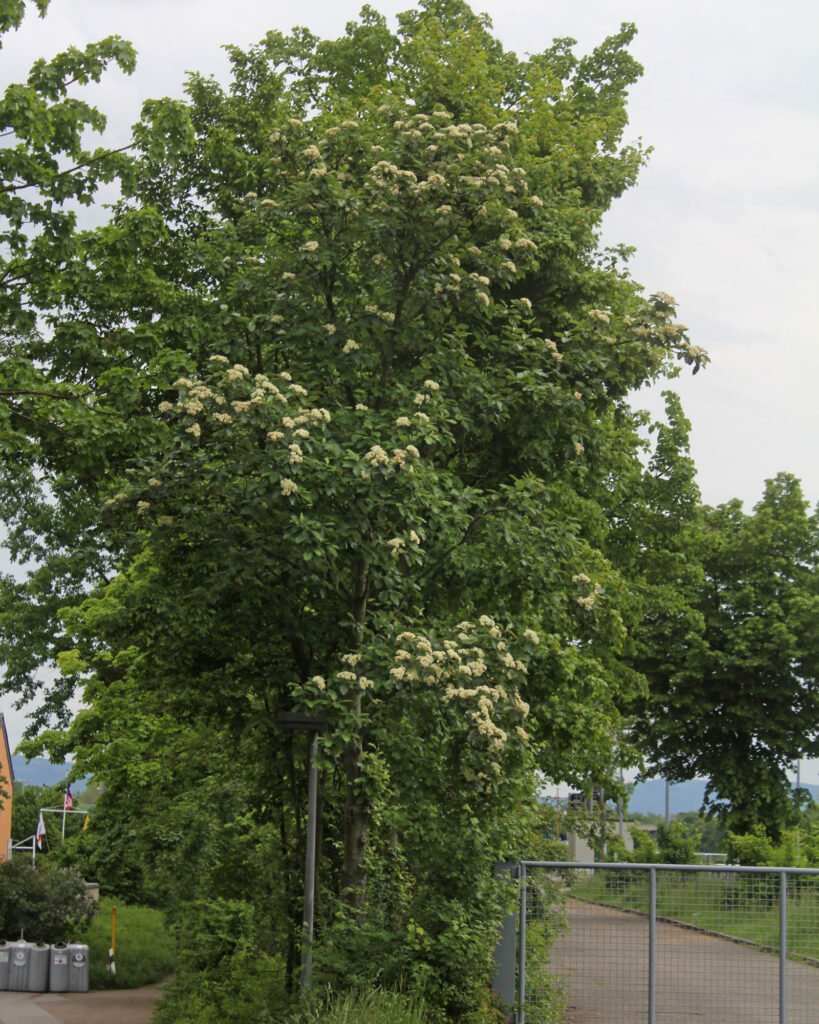
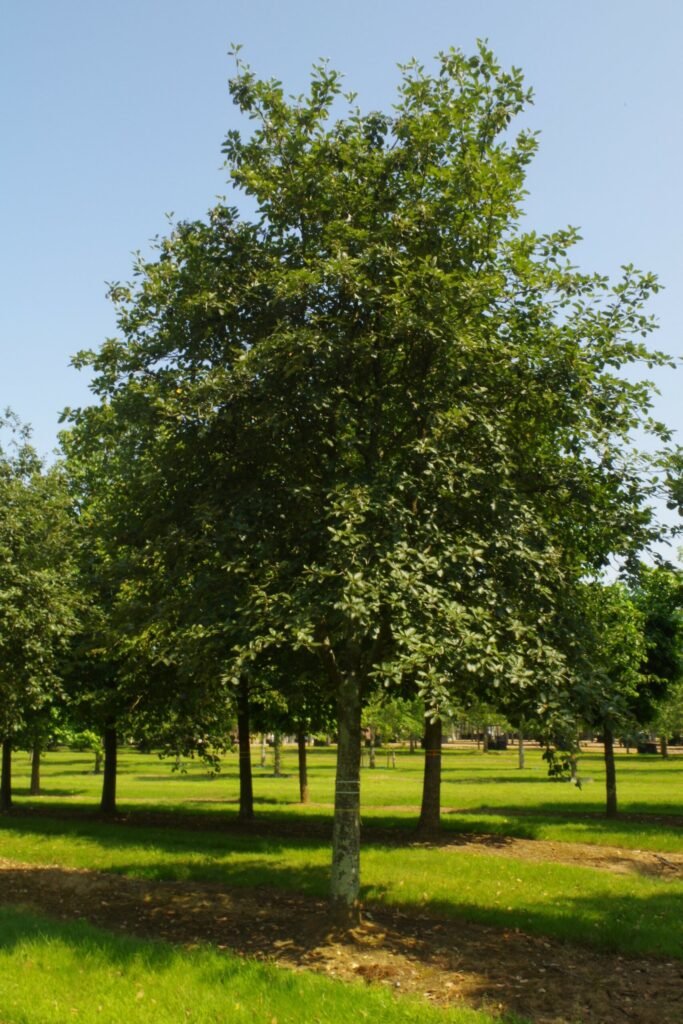
Swedish Whitebeam is a medium-sized tree that typically grows 10–20 meters tall. It features:
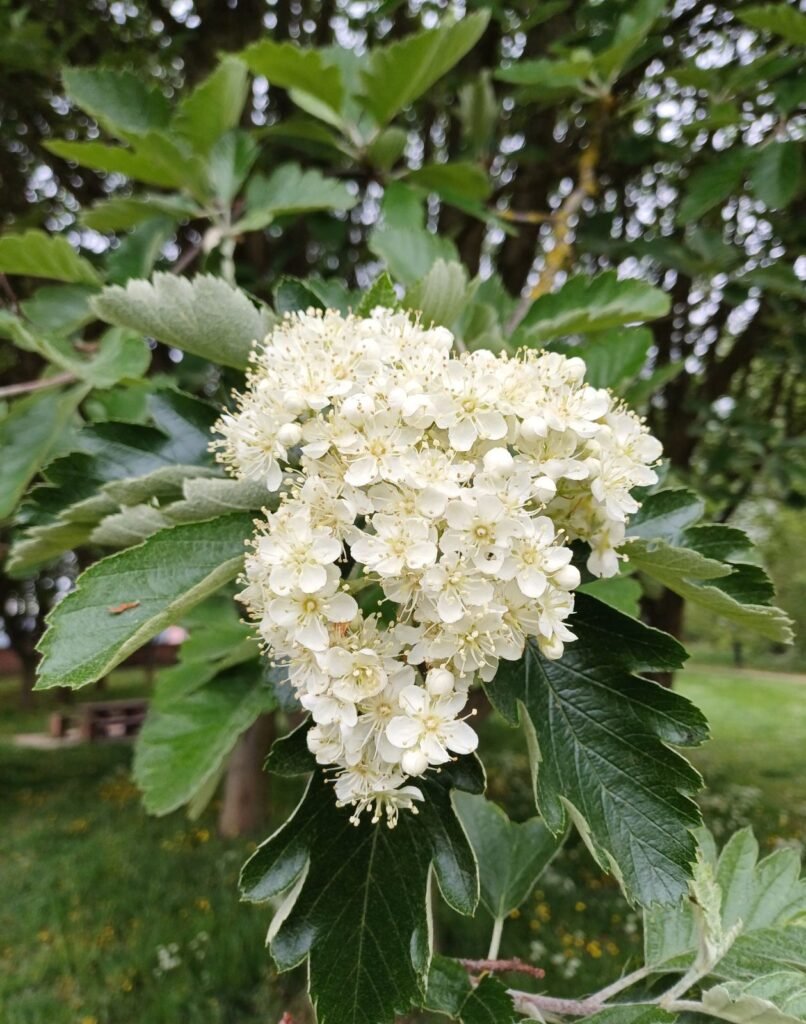
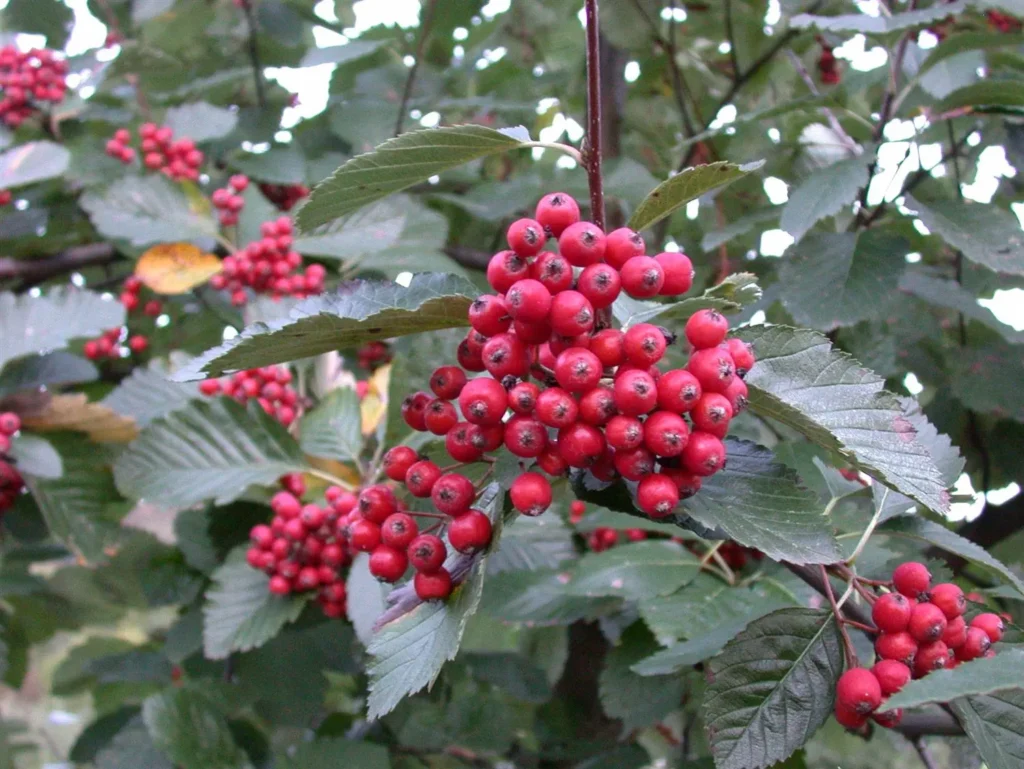
- Dark green leaves with silvery undersides
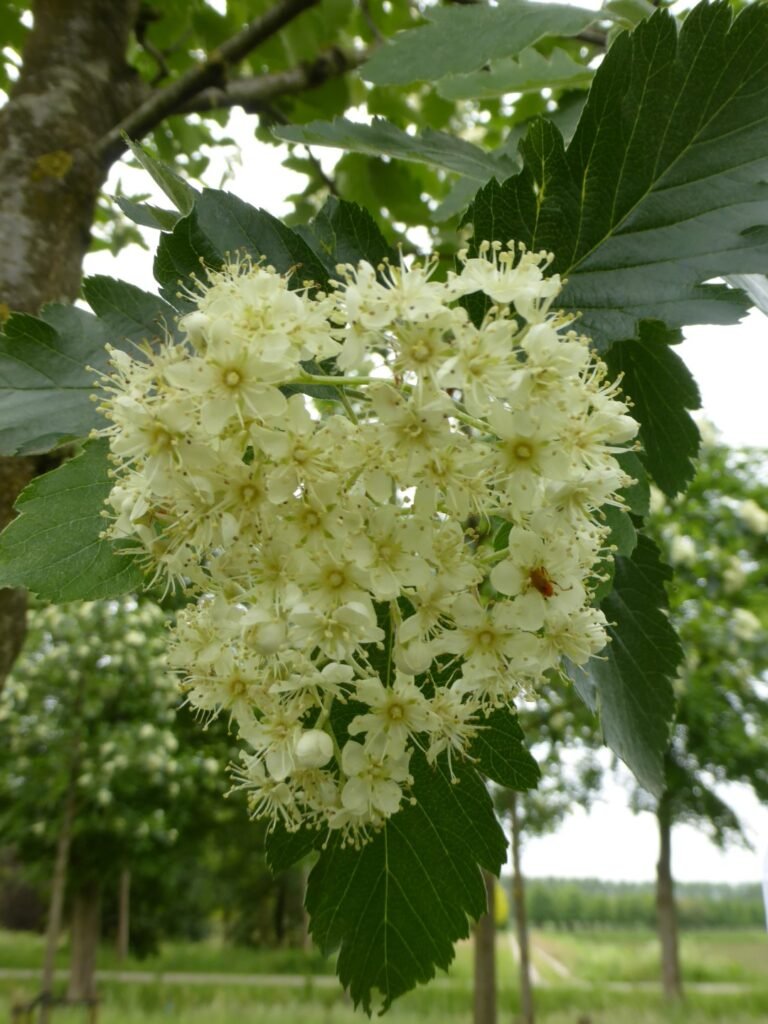
- Clusters of white spring flowers
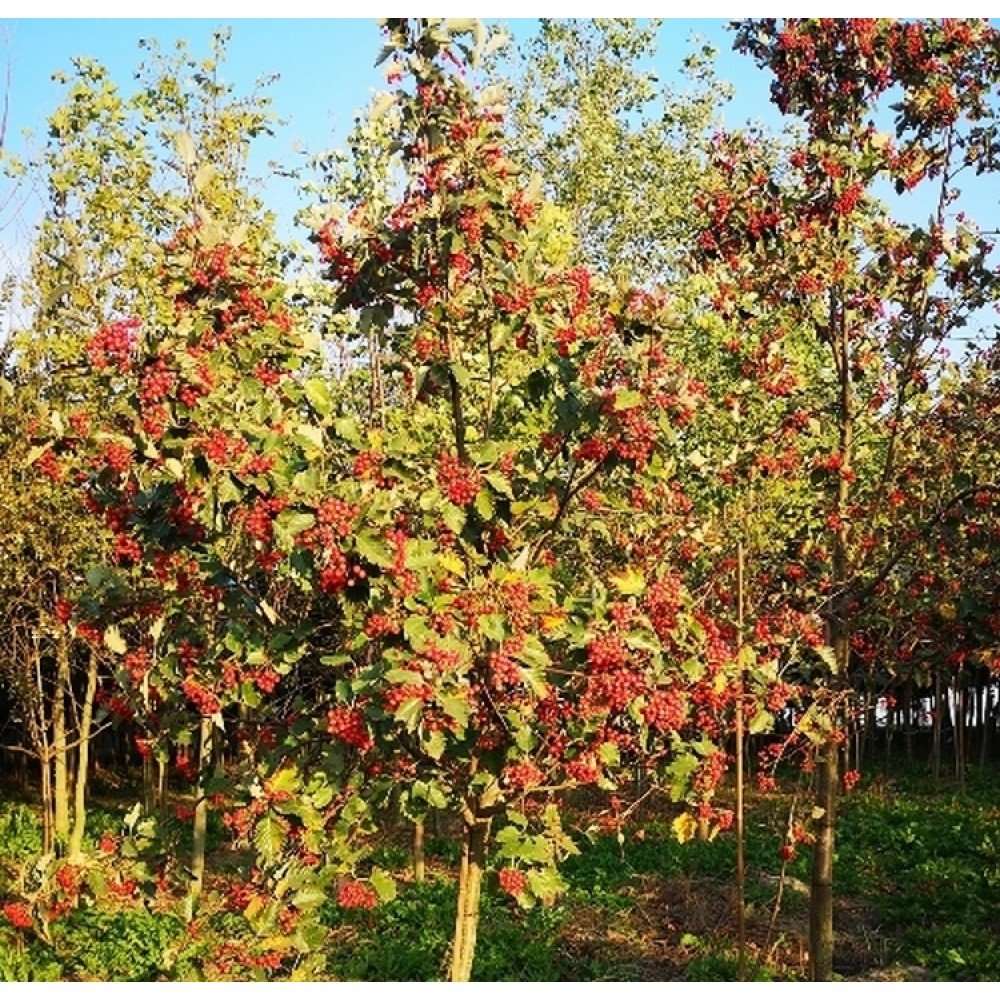
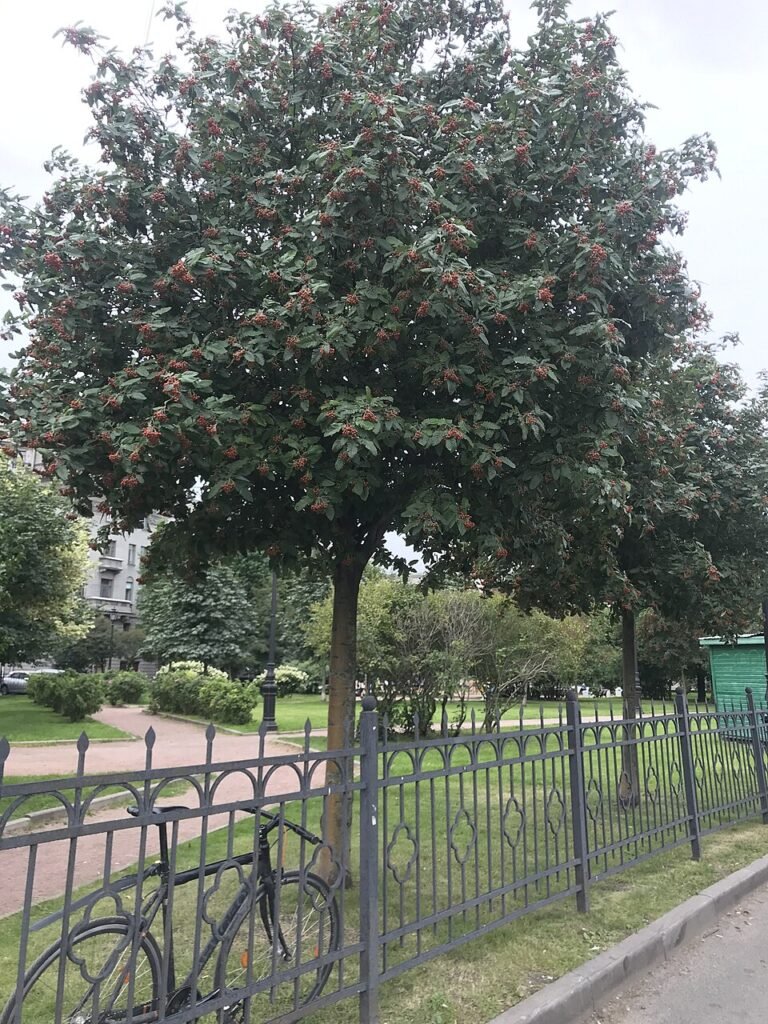
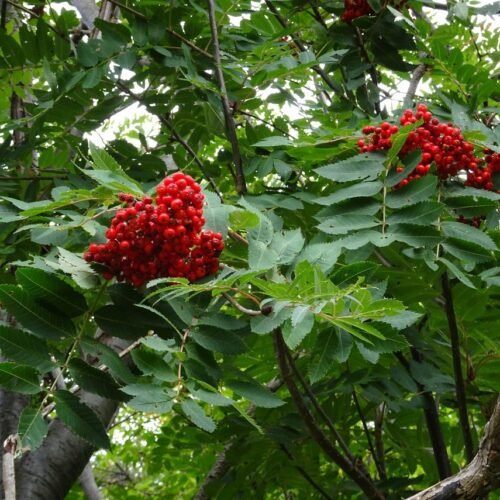
- Orange-red berries in autumn
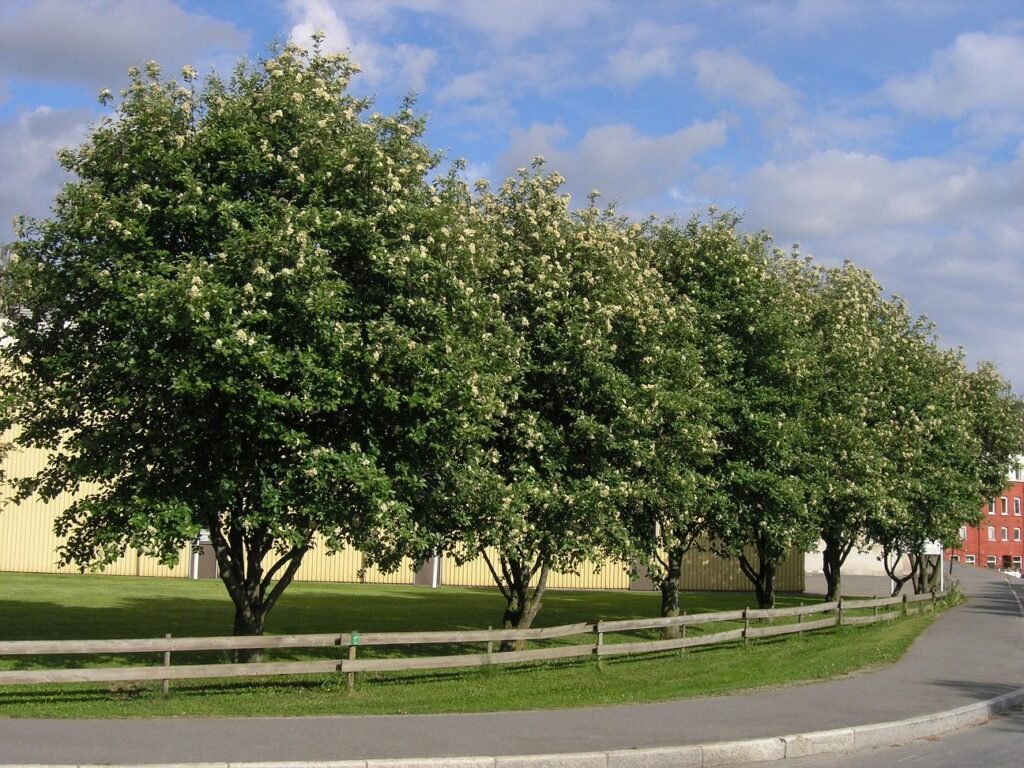
- Rounded, dense crown
Its ability to thrive in challenging conditions makes it popular in streetscapes, gardens, and parks.
🌱 How to Grow Swedish Whitebeam
Climate Requirements
Swedish Whitebeam thrives in temperate climates and is especially suited to Northern and Central Europe.
- Hardiness Zones: 4–7
- Cold tolerance: Very high
- Wind resistance: Excellent
Sunlight
- Prefers full sun to partial shade
- Best berry production occurs in full sun
Soil Conditions
- Adapts to clay, loam, sandy, or chalky soils
- Tolerates poor and compacted soils
- Prefers well-drained soil, but can handle occasional drought
Planting Instructions
- Choose a sunny or partially shaded location
- Dig a hole twice the width of the root ball
- Place the tree at the same depth it was in the nursery pot
- Backfill with soil and water thoroughly
- Apply mulch to retain moisture
💧 Watering and Fertilization
- Young trees: Water regularly during the first 1–2 years
- Established trees: Drought-tolerant, water only during prolonged dry periods
- Fertilize lightly in spring with a balanced fertilizer if growth is slow
✂️ Pruning and Maintenance
- Minimal pruning required
- Remove:
- Dead or damaged branches
- Crossing or overcrowded limbs
- Best time to prune: late winter or early spring
Swedish Whitebeam naturally maintains a pleasing shape, making it a low-maintenance option.
🌿 Propagation Methods
1. Seed Propagation
Growing from seed is possible but requires patience.
Steps:
- Collect ripe berries in autumn
- Extract seeds and clean them
- Cold stratify seeds for 3–4 months
- Sow in spring in well-draining soil
Germination can be slow and irregular.
2. Cuttings
Semi-hardwood cuttings can be used but are less reliable.
Steps:
- Take cuttings in late summer
- Dip in rooting hormone
- Plant in moist, well-drained medium
- Keep in a humid environment
3. Grafting
Most cultivated varieties are propagated through grafting onto rootstocks for consistency.
🌸 Popular Varieties of Swedish Whitebeam
While Sorbus intermedia itself is widely planted, there are selected forms with slight variations:
- Standard Swedish Whitebeam – Most common, hardy and uniform
- Upright forms – Narrow growth habit, ideal for streets
- Improved cultivars – Selected for better berry production or disease resistance
🍽️ Uses of Swedish Whitebeam
1. Ornamental Landscaping
- Ideal for urban planting
- Works well as a street tree or garden focal point
- Attractive in all seasons:
- Spring flowers
- Summer foliage
- Autumn berries and color
2. Wildlife Support
- Berries provide food for birds and small mammals
- Flowers attract pollinators
3. Wood Uses
- Dense hardwood used occasionally for:
- Tool handles
- Small crafts
🍒 Food Uses and Edibility
Swedish Whitebeam berries are technically edible but not commonly eaten raw due to their:
- Bitter taste
- Astringent texture
However, they become more palatable after frost or processing.
Edible Preparations
1. Jams and Jellies
- Combine berries with sugar and other fruits (like apples)
- Cooking reduces bitterness
2. Fermented Beverages
- Traditionally used in some regions to make country wines or liqueurs
3. Dried or Cooked
- Drying or cooking improves flavor and reduces astringency
⚠️ Always consume in moderation and ensure proper preparation, as raw berries may cause mild digestive discomfort.
🍂 Harvesting Swedish Whitebeam
When to Harvest
- Berries ripen in late autumn
- Best harvested after the first frost for improved taste
How to Harvest
- Pick clusters by hand or use pruning shears
- Choose fully colored, soft berries
Storage
- Refrigerate for short-term use
- Freeze for long-term storage
- Process quickly for best flavor
🛡️ Pests and Diseases
Swedish Whitebeam is generally resistant but may occasionally face:
- Aphids
- Leaf spot diseases
- Fire blight (rare)
Prevention Tips
- Ensure good air circulation
- Avoid overwatering
- Remove infected plant material promptly
🌍 Why Choose Swedish Whitebeam?
Swedish Whitebeam is an outstanding choice for gardeners and landscapers looking for a tough yet attractive tree. Its resilience, minimal care requirements, and seasonal beauty make it a standout option for both urban and rural environments.
🌟 Final Thoughts
Whether you’re planting for beauty, wildlife support, or experimentation with unique fruits, Swedish Whitebeam (Sorbus intermedia) offers remarkable versatility. With proper care and a bit of patience, this hardy tree can thrive for decades, enhancing your landscape with its striking foliage and vibrant berries.


&media=https://food-foresting.com/wp-content/uploads/2026/04/Sorbus-intermedia-1-scaled-1.jpg)