
 paulius.mikoliunas1
| Common Name | Texas Walnut, Little walnut, Stewart’s little walnut |
| Family | Juglandaceae |
| USDA hardiness | 5-9 |
| Known Hazards | None known |
| Habitats | Limestone banks of streams, also in valleys and dry rocky ravines. |
| Range | South-western N. America – Texas to Mexico. |
| Edibility Rating |   (2 of 5) (2 of 5) |
| Other Uses |   (3 of 5) (3 of 5) |
| Weed Potential | No |
| Medicinal Rating |  (0 of 5) (0 of 5) |
| Care (info) |    |
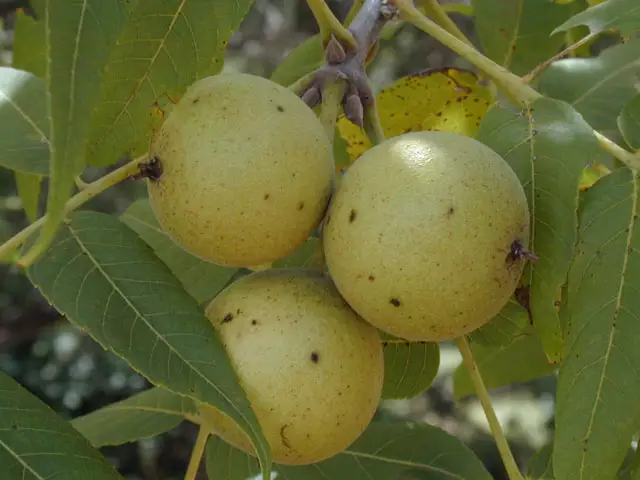
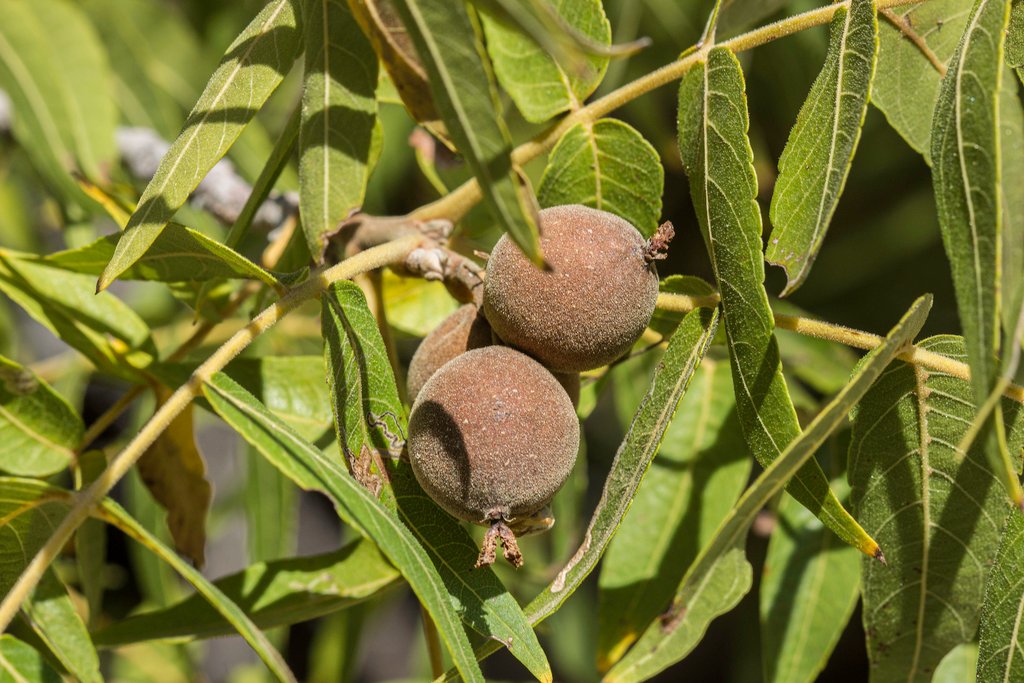
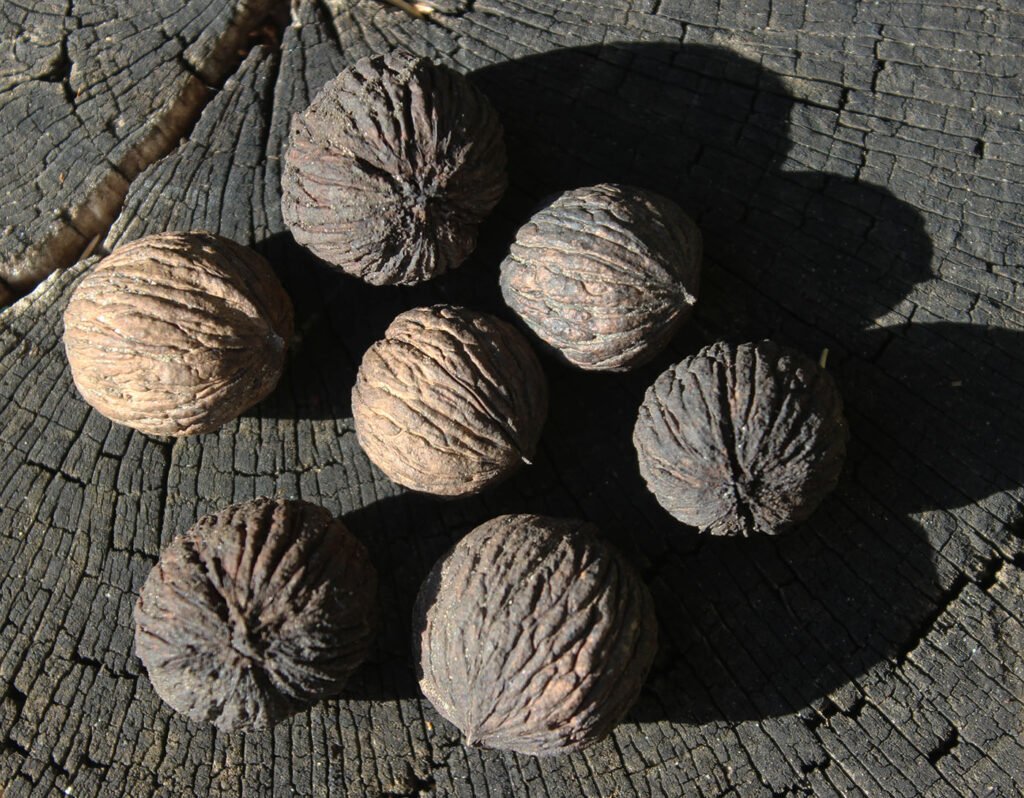
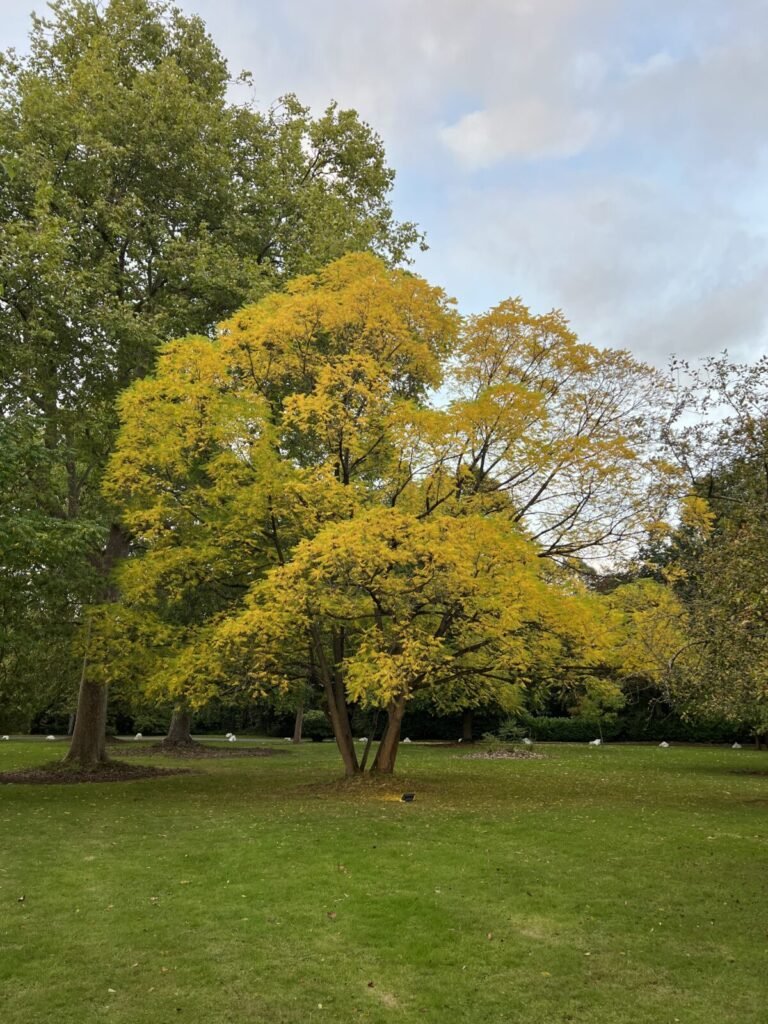
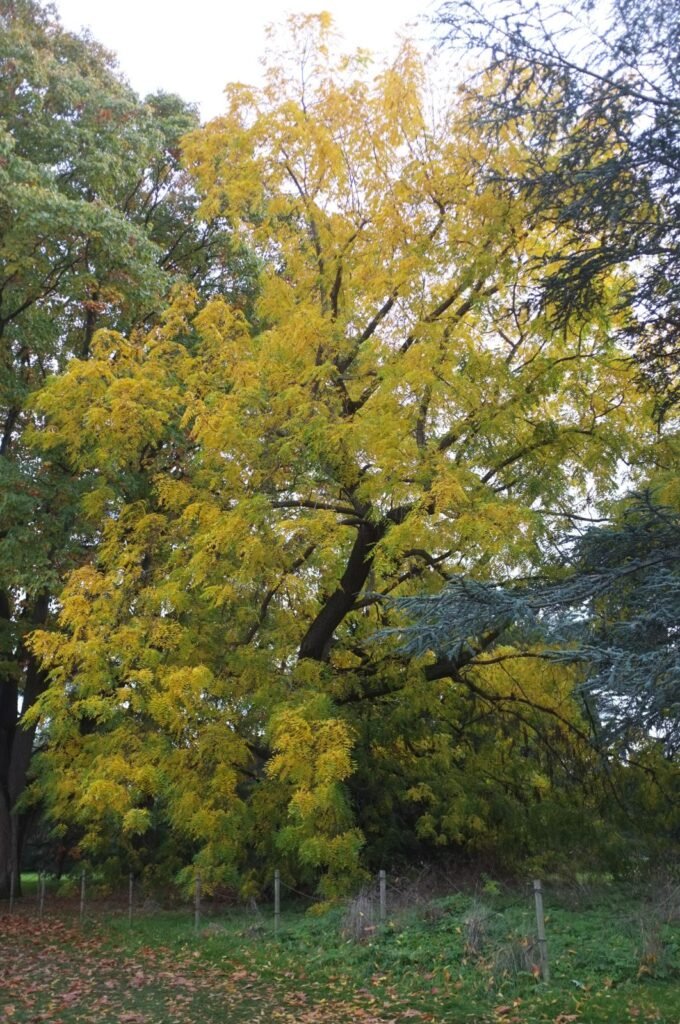

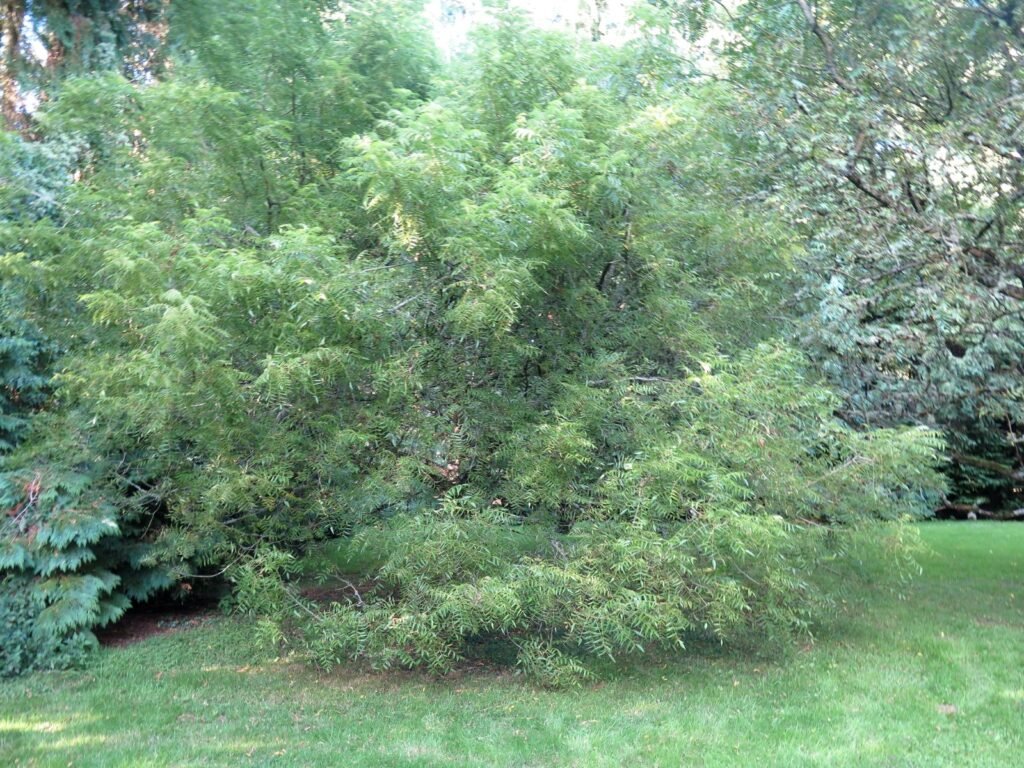
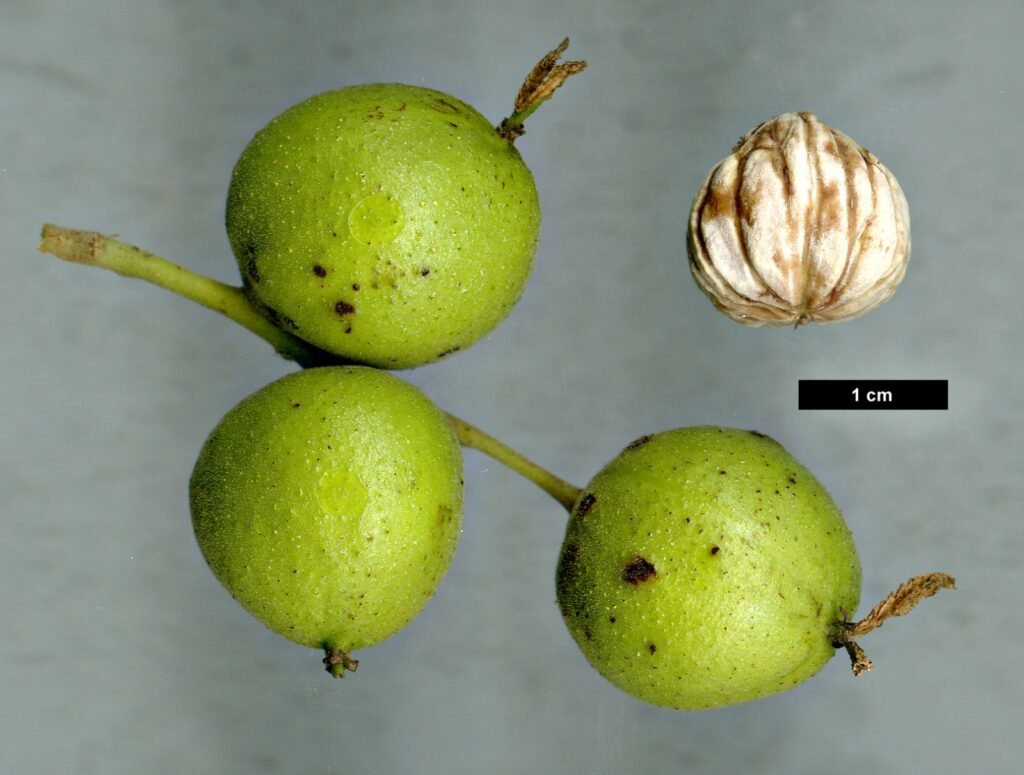

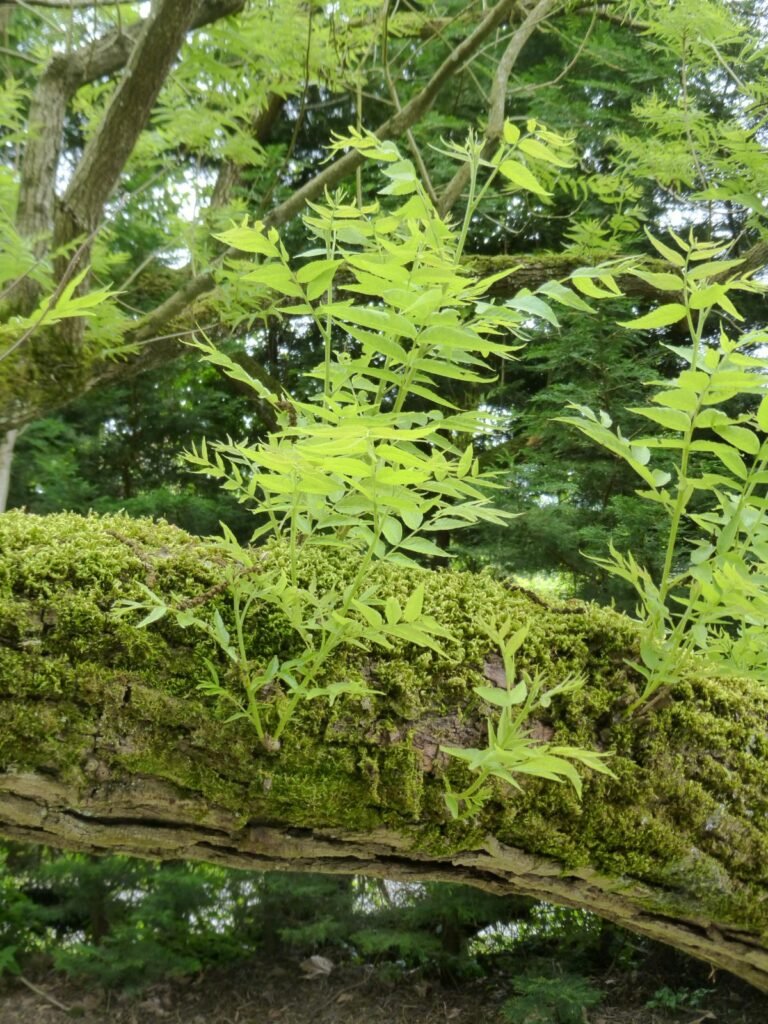
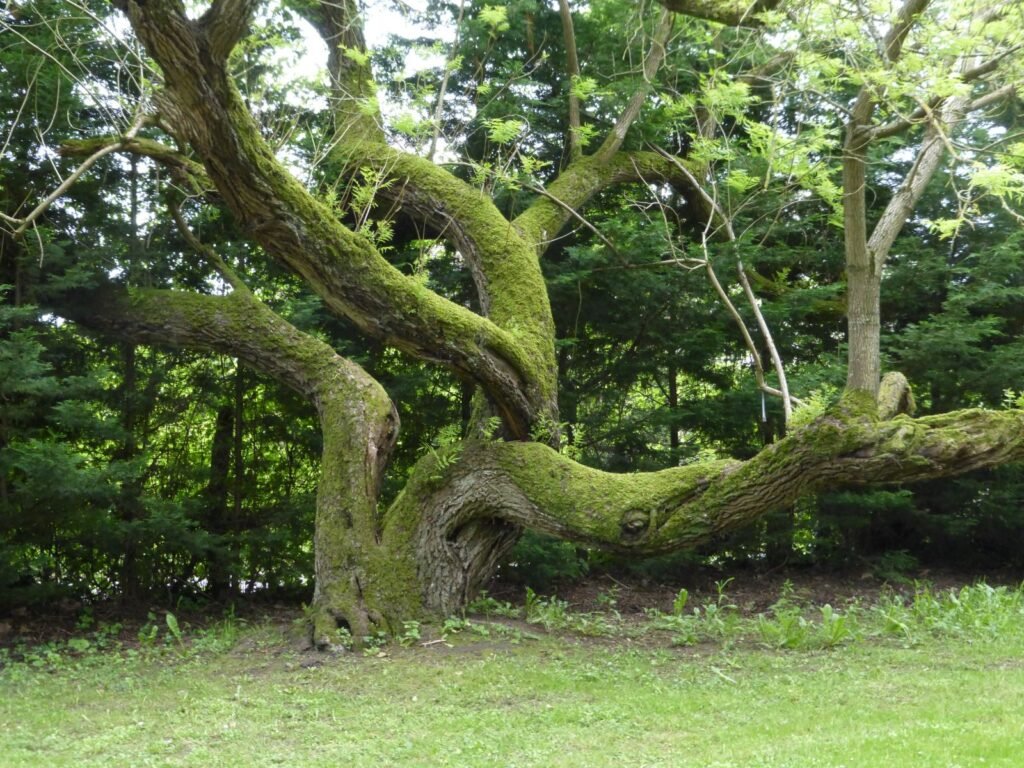
Texas Walnut (Juglans microcarpa): How to Grow, Propagate, Use, and Harvest This Underrated Native Nut Tree
Texas walnut (Juglans microcarpa), also called Little Walnut or River Walnut, is a rugged native tree that thrives in the semi-arid landscapes of Texas, Oklahoma, and the Southwest. Although its nuts are smaller than the common English walnut, its drought tolerance, wildlife value, and culinary potential make it an excellent—and often overlooked—choice for native plant gardeners, permaculture growers, and foragers.
Below is the definitive guide to growing, propagating, using, and harvesting this hardy species.
Overview of Texas Walnut
- Scientific Name: Juglans microcarpa
- Common Names: Little Walnut, Texas Walnut, Dwarf Walnut
- Range: Central & West Texas, Oklahoma Panhandle, New Mexico, Northern Mexico
- Growth Habit: Small deciduous tree or large shrub (10–25 ft)
- Sun Requirements: Full sun to partial shade
- Water Needs: Low–moderate once established
- Soil Preferences: Well-drained, calcareous, rocky, or sandy soils
- Wildlife Value: Nuts for mammals & birds, foliage for insects, dense cover for habitat
Its small form factor makes it suitable for urban yards, xeriscapes, riparian restoration, and naturalized plantings.
How to Grow Texas Walnut
1. Climate Adaptation
Texas walnut thrives in hot summers, periodic drought, and alkaline soils. Unlike English walnut or black walnut, it tolerates shallow soils and intense heat—ideal for Southwestern landscapes.
2. Soil & Site Selection
Choose:
- Sandy, gravelly, or loamy soils
- Fast-draining areas
- Full sun exposure
Texas walnut dislikes poorly drained or heavy clay sites. For best nut production, ensure at least six hours of direct sunlight.
3. Water Requirements
- Seedlings: Regular moisture during first 1–2 years
- Mature trees: Deep watering every 3–4 weeks (if not rain-fed)
- Drought: Naturally tolerant; leaves may shed in extreme heat but will recover
4. Fertilizer & Mulch
Minimal fertilizer is needed. A light compost layer in spring supports growth. Wood chip mulch suppresses weeds and conserves moisture—especially useful in urban settings.
Propagation Methods
Texas walnut can be propagated via seed, wild digging, or nursery grafting.
1. Growing from Seed
This is the most common and cost-effective approach:
- Collect nuts in late summer–early fall
- Remove hulls
- Cold stratify seeds for 60–120 days
- Plant in deep pots or tree tubes (taproot grows fast)
- Transplant in late winter or early spring
Note: This species forms a strong taproot, so seedlings dislike root disturbance—use deep containers or direct sow where you want them.
2. Transplanting Wild Saplings
Wild seedlings occur along washes and dry creek beds.
- Best moved during dormancy
- Dig as deep as possible to preserve taproot
- Water well for first growing season
3. Grafting
Less common but used to create:
- Improved nut producers
- Specialty forms for landscapes
- Disease-resistant rootstocks
Varieties & Related Species
Texas walnut itself has few named cultivars, but it has botanical siblings within the Juglans genus:
| Species | Size | Nut Size | Notes |
|---|---|---|---|
| Juglans microcarpa | Small | Small | Heat/drought tolerant |
| Juglans major (Arizona Walnut) | Medium | Medium | Southwestern riparian species |
| Juglans nigra (Black Walnut) | Large | Large | Timber species, rich flavor |
| Juglans regia (English Walnut) | Medium | Large | Traditional culinary walnut |
Hybridization occurs occasionally, especially between microcarpa and major in overlapping ranges.
Uses of Texas Walnut
1. Wildlife & Ecological Uses
- Nuts feed squirrels, jays, rodents
- Dense canopy shelters birds
- Roots stabilize soil along washes
- Host plant for several moth species
2. Landscaping & Ornamental Value
Texas walnut works well in:
- Xeriscapes
- Native plant gardens
- Riparian restoration
- Small urban lots
- Drought-tolerant food forests
3. Wood & Craft Uses
Though small, the wood is:
- Hard
- Dark brown
- Attractive for small-scale turning
- Used in inlays, handles, and craftwork
Culinary & Food Options
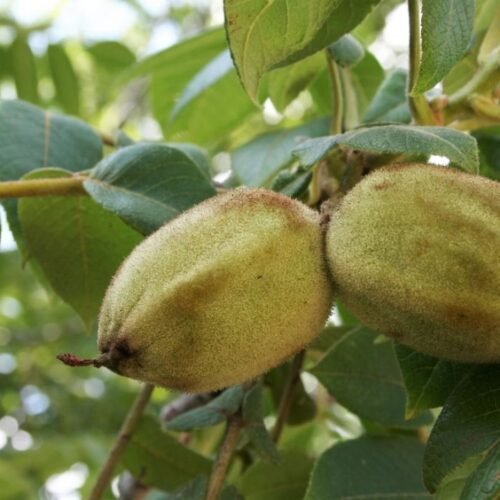
The nuts are edible and have a rich, bold flavor similar to black walnut. Shells are extremely hard, so cracking takes patience.
Food uses include:
✔ Snacking
✔ Nut oils (small yields but aromatic)
✔ Pastry & baking
✔ Nut butters (intense flavor)
✔ Toppings for salads & desserts
Because nuts are small, they are often treated as a specialty ingredient rather than a bulk nut crop.
Traditional & Cultural Uses
Indigenous communities historically utilized:
- Nuts for food
- Husks for dyes
- Bark & leaves for herbal preparations
- Wood for small tools & crafts
Harvesting Texas Walnut
When to Harvest
- July–September depending on heat and rainfall
- Nuts fall or loosen when ripe
Processing
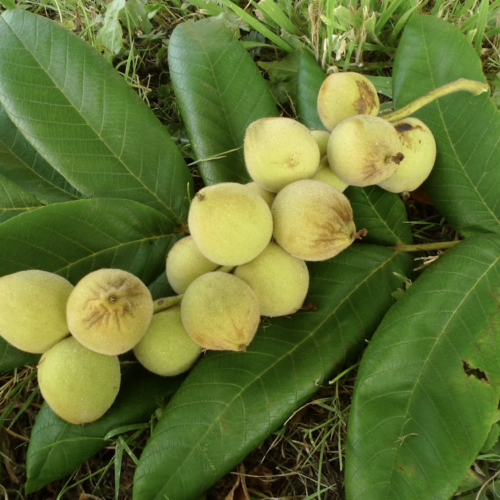
- Remove outer hulls
- Air dry in a warm shaded area
- Cure for 2–4 weeks
- Crack using heavy vice or hammer-style nutcracker
- Store kernels in airtight jars (refrigerated for flavor)
Because of their high oil content, kernels can turn rancid if stored warm.
Challenges & Considerations
Hard Shells
Small nuts with thick shells make commercial production unlikely, but home use is rewarding.
Allelopathy
Like black walnut, this species produces juglone, which can stunt sensitive plants such as:
- Tomatoes
- Peppers
- Apples
- Pines
Native grasses, perennials, and shrubs typically tolerate juglone well.
Why Grow Texas Walnut? (Key Advantages)
- Native and ecologically beneficial
- Wildlife-friendly
- Highly drought tolerant
- Compact for small spaces
- Culinary value despite small size
- Low-maintenance once established
- Resilient to heat and poor soils
- Long-lived perennial food crop
Final Thoughts
Texas walnut is a hidden gem among native food-bearing trees—ideal for gardeners who want resilience, ecological value, and uniquely flavored nuts. While it may never become a commercial powerhouse, its role in home orchards, native landscapes, and permaculture systems is steadily growing.


&media=https://food-foresting.com/wp-content/uploads/2026/01/590096_c354734d-1.jpg)