
 paulius.mikoliunas1
| Common Name | Elaeagnus, Thorny olive, Thorny Elaeagnus, Oleaster, Silverberry, Silverthorn, Pungent Elaeagnus |
| Family | Elaeagnaceae |
| USDA hardiness | 6-10 |
| Known Hazards | None known |
| Habitats | Sunny slopes, road sides and thickets in lowlands, usually below 1000 metres and especially by the sea. |
| Range | E. Asia – China, Japan. |
| Edibility Rating |  (5 of 5) (5 of 5) |
| Other Uses |   (3 of 5) (3 of 5) |
| Weed Potential | Yes |
| Medicinal Rating |   (2 of 5) (2 of 5) |
| Care (info) |       |
Thorny Olive (Elaeagnus pungens): Complete Guide to Growing, Propagating, Varieties, Uses, Food Options, and Harvesting
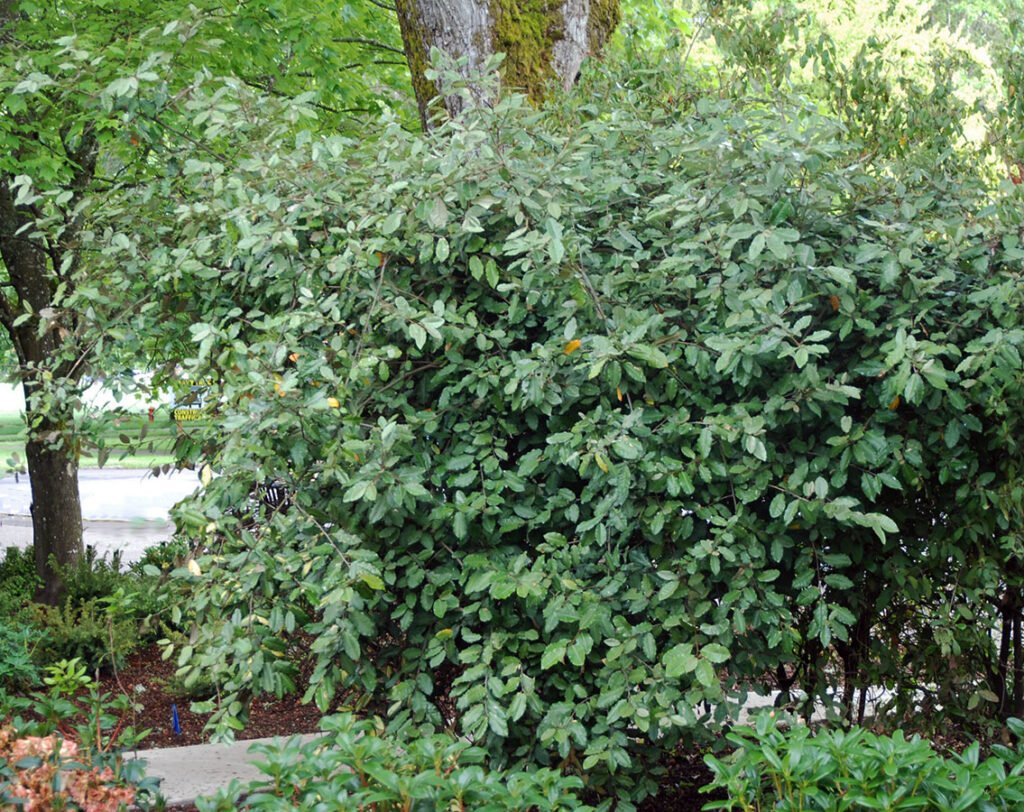
Thorny olive (Elaeagnus pungens) is an evergreen shrub that combines tough resilience, ornamental beauty, and surprising usefulness. Known for its glossy leaves, fragrant fall flowers, and silvery berries, this plant has earned a place in gardens, hedgerows, and windbreaks around the world.
Whether you’re looking to grow a low-maintenance privacy hedge, explore edible wild fruits, or add a hardy evergreen to your landscape, this comprehensive guide covers everything you need to know about thorny olive—from planting to harvest and beyond.
What Is Thorny Olive?
Thorny olive (Elaeagnus pungens) is a dense, spiny evergreen shrub native to East Asia. It thrives in challenging conditions and is valued for:
- Fast growth
- Tolerance to drought, salt, and poor soil
- Fragrant autumn flowers
- Edible berries in late winter to spring
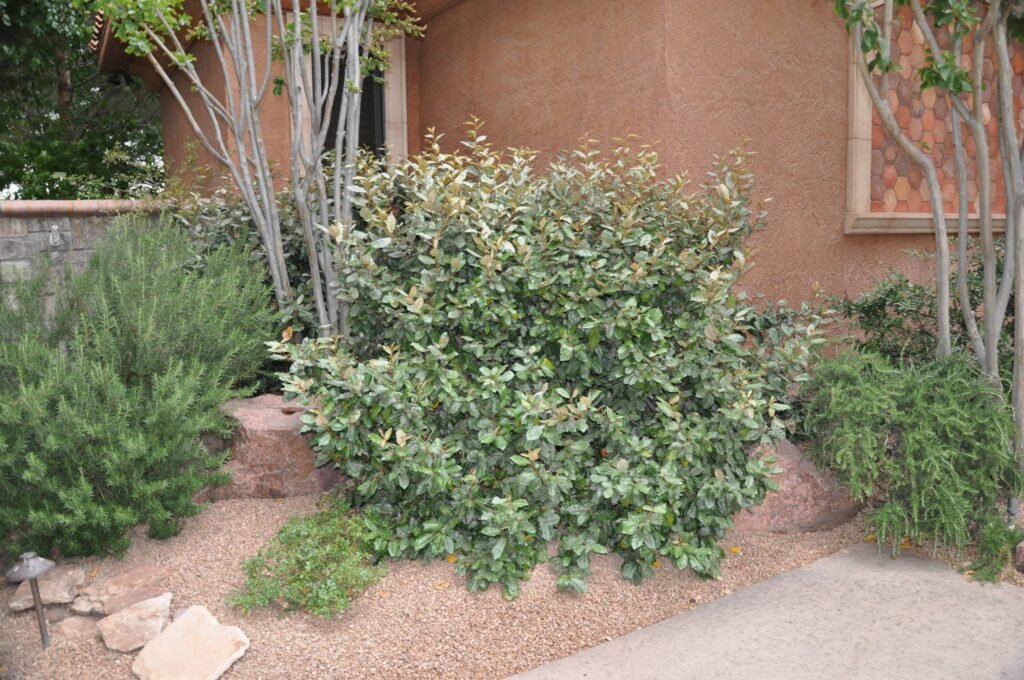
It typically grows 8–15 feet tall, though some varieties can grow larger if left unpruned.
How to Grow Thorny Olive Successfully
Ideal Climate and Hardiness
Thorny olive grows best in USDA hardiness zones 7–10, but it can tolerate cooler regions with some protection.
- Handles heat and humidity well
- Moderately cold-hardy once established
- Resistant to wind and coastal exposure
Soil Requirements
One of the biggest advantages of thorny olive is its adaptability.
- Grows in sandy, loamy, or clay soils
- Tolerates poor and nutrient-deficient soil
- Prefers well-drained soil but survives short flooding
As a nitrogen-fixing plant, it actually improves soil fertility over time.
Light Requirements
- Best growth in full sun to partial shade
- Full sun encourages denser foliage and better flowering
- Shade-tolerant but may grow more open
Watering Needs
- Water regularly during the first growing season
- Once established, it is highly drought-tolerant
- Avoid overwatering; soggy soil can reduce vigor
Propagation Methods for Thorny Olive
Propagation from Seeds
Seed propagation is possible but slower and less predictable.
- Collect ripe berries in late winter or early spring
- Remove pulp and rinse seeds thoroughly
- Cold stratify for several weeks
- Sow in moist, well-draining soil
Seed-grown plants may vary in appearance and fruit quality.
Propagation from Cuttings (Best Method)
Semi-hardwood cuttings are the most reliable method.
- Take cuttings in late summer or early fall
- Use 4–6 inch healthy shoots
- Remove lower leaves and dip in rooting hormone
- Plant in a moist growing medium
- Keep warm and humid until roots develop
This method preserves the characteristics of the parent plant.
Layering
Low-growing branches can be bent to the ground and buried partially until roots form, then separated from the parent plant.
Popular Thorny Olive Varieties
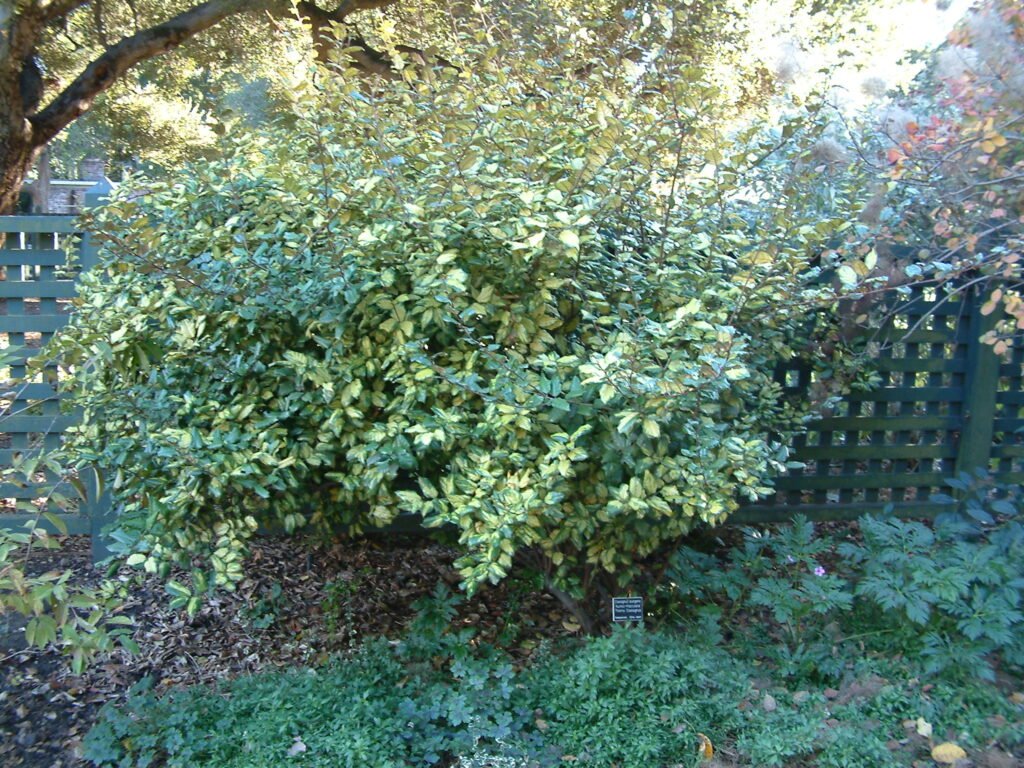
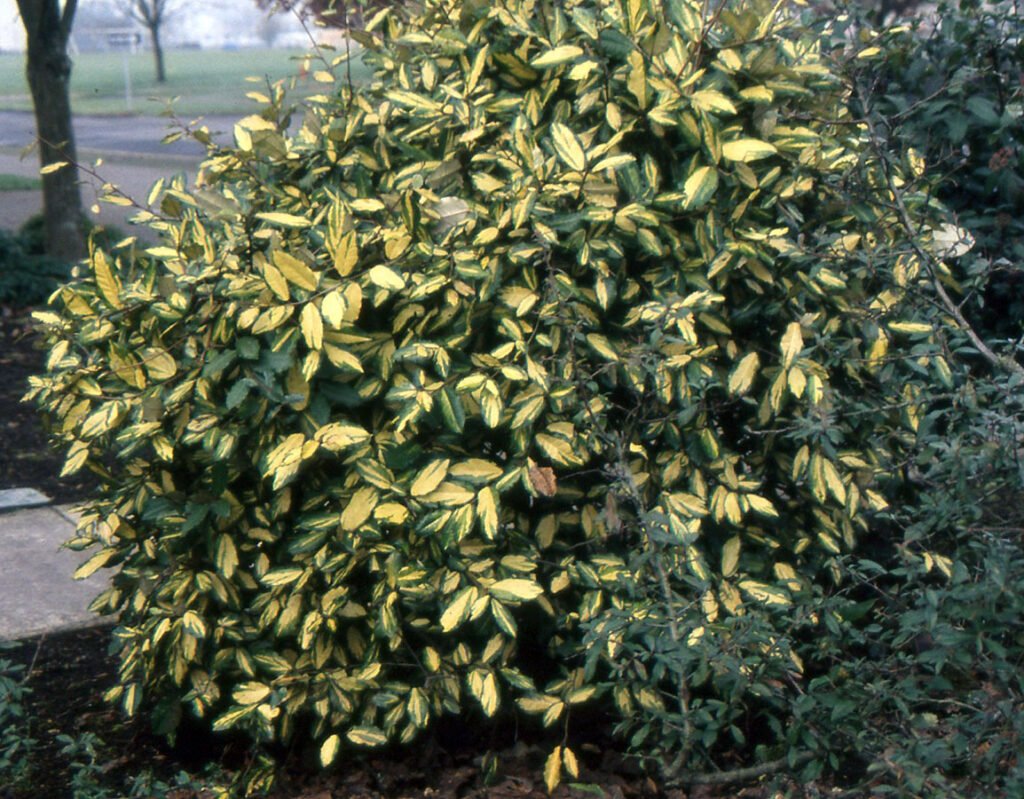
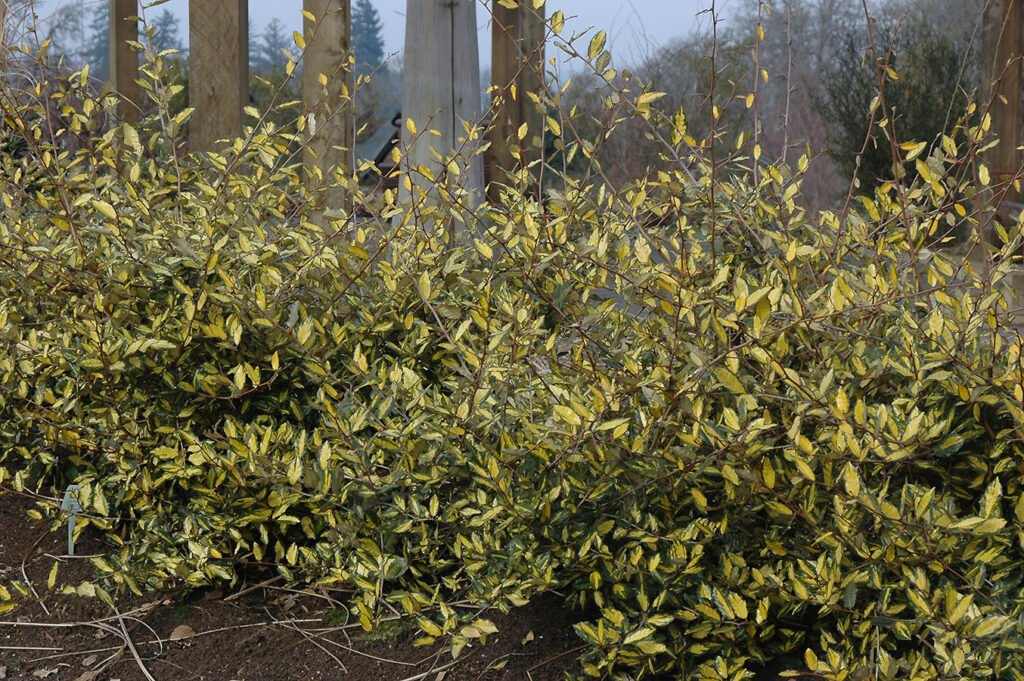
‘Maculata’ (Golden Thorny Olive)
- Green leaves with golden yellow edges
- Highly ornamental
- Popular for hedges and screens
‘Silverthorn’
- More silver-toned foliage
- Excellent for modern landscapes
- Strong salt and wind tolerance
Compact Cultivars
Some newer cultivars stay smaller and are suitable for tight spaces or containers with regular pruning.
Landscaping and Practical Uses of Thorny Olive
Privacy Hedges and Windbreaks
Thanks to its dense growth and thorns, thorny olive is ideal for:
- Living fences
- Wind protection
- Noise reduction
It responds well to pruning and can be shaped easily.
Soil Improvement
As a nitrogen-fixing shrub, it enriches surrounding soil, benefiting nearby plants.
Wildlife Support
- Flowers attract pollinators
- Berries feed birds and small mammals
- Dense foliage provides shelter
Edible and Food Uses of Thorny Olive
Are Thorny Olive Berries Edible?
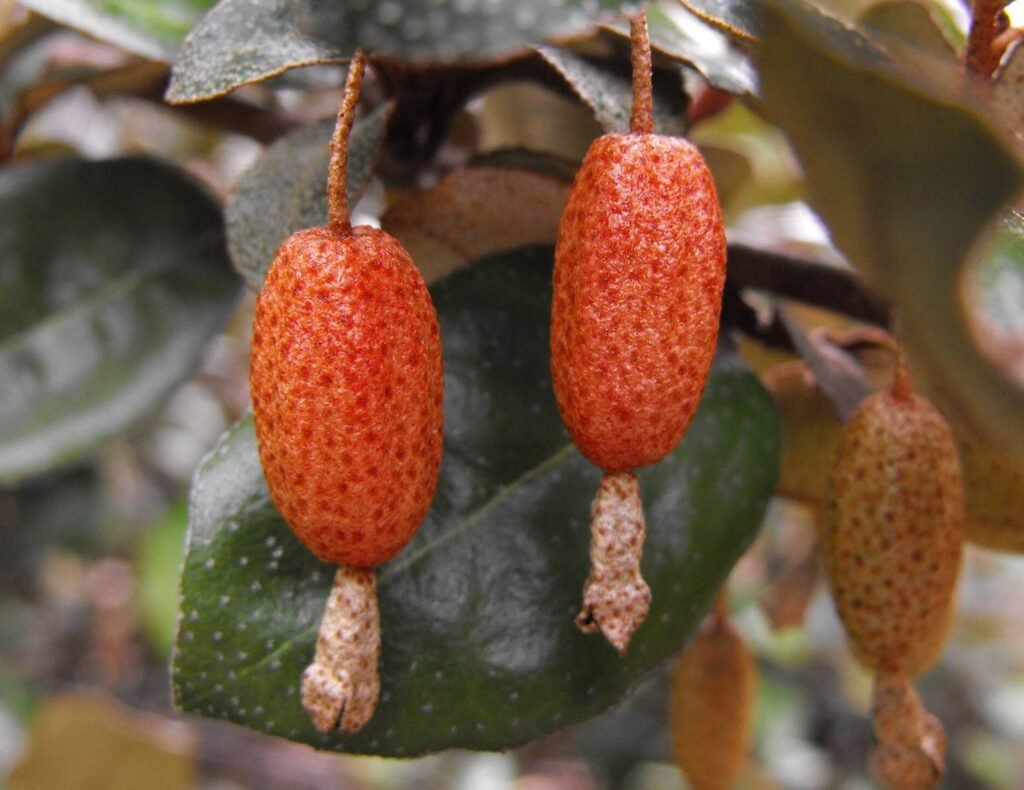
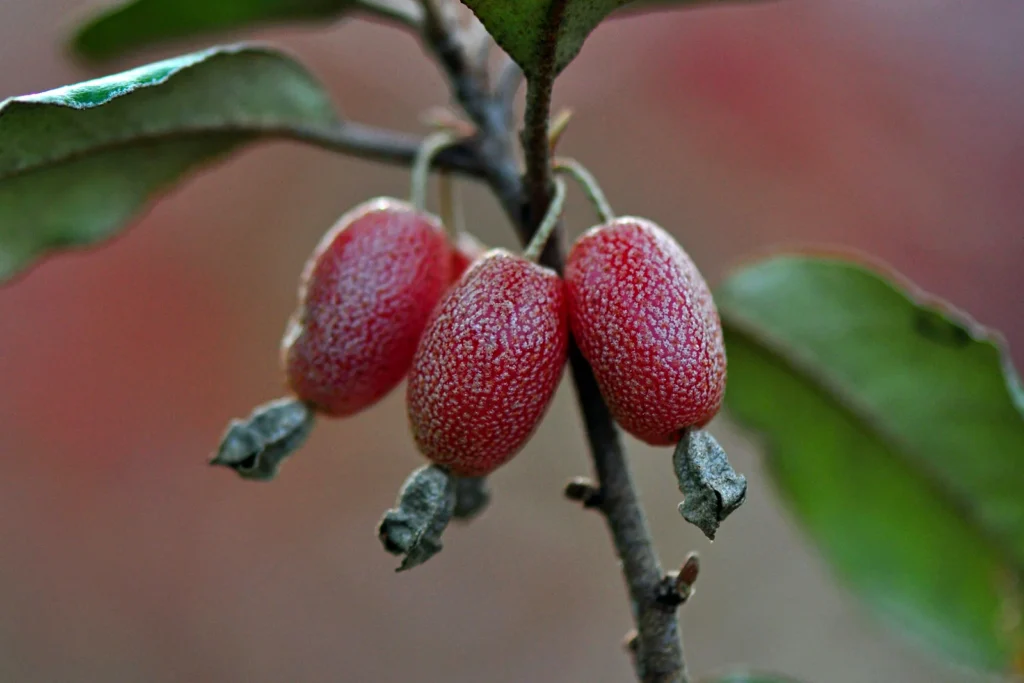
Yes! The berries are edible when fully ripe, though flavor improves after frost exposure.
- Taste ranges from tart to mildly sweet
- Texture is soft and juicy when ripe
Nutritional Value
Thorny olive berries are rich in:
- Vitamin C
- Antioxidants
- Natural sugars
Food Options and Recipes
Ripe berries can be used in several ways:
- Fresh snacking (when fully ripe)
- Jams and jellies
- Fruit sauces
- Fermented drinks
- Dried fruit leather
Cooking often enhances flavor and reduces astringency.
When and How to Harvest Thorny Olive
Harvest Timing
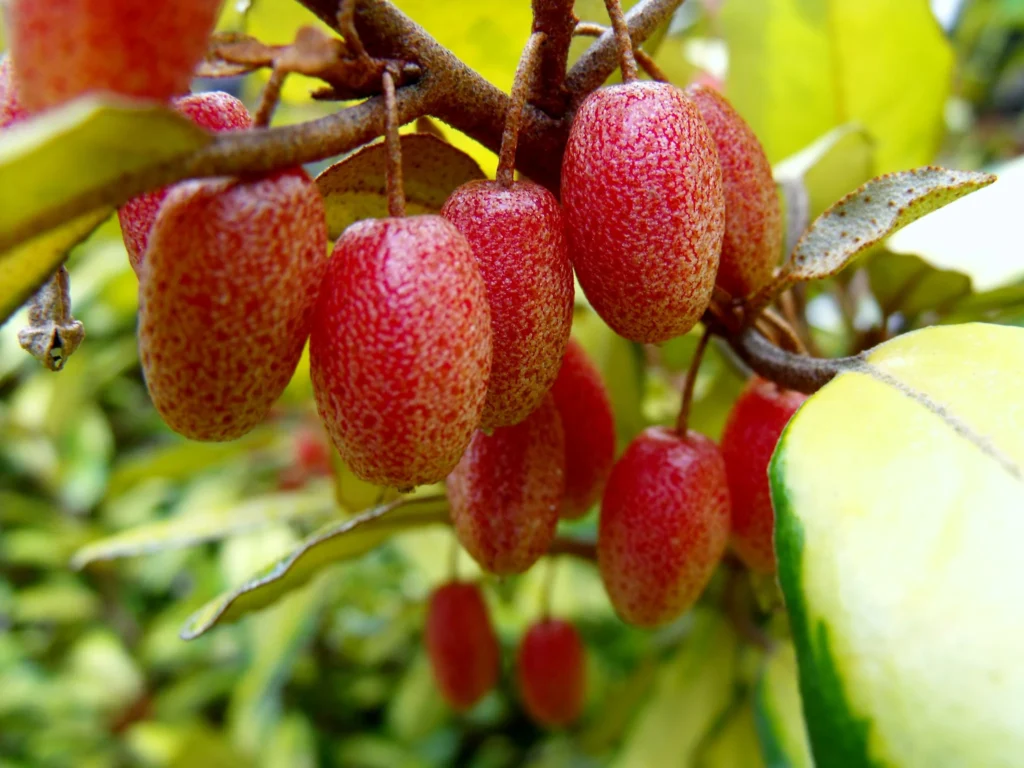
- Berries ripen from late winter to early spring
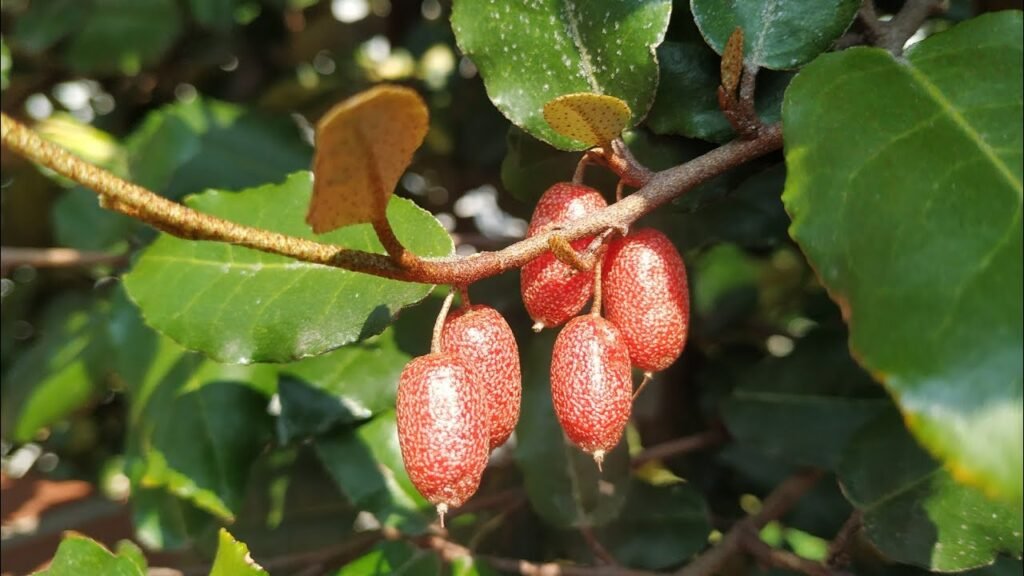
- Color shifts to red or orange with silvery speckles
- Fruit softens when ready
Harvest after frost for best sweetness.
Harvesting Tips
- Wear gloves due to thorns
- Hand-pick berries carefully
- Use shallow containers to avoid crushing
Unripe berries can be very tart, so patience pays off.
Pruning and Maintenance
- Prune in late winter or early spring
- Remove dead, crossing, or overly aggressive branches
- Can be heavily pruned if needed
Regular pruning keeps growth controlled and encourages dense foliage.
Common Problems and Pests
Thorny olive is remarkably resistant to most pests and diseases.
Possible issues include:
- Scale insects
- Aphids on new growth
- Overgrowth if left unmanaged
Good air circulation and occasional pruning prevent most problems.
Is Thorny Olive Invasive?
In some regions, thorny olive can spread aggressively due to bird-dispersed seeds. Always check local guidelines before planting and manage growth responsibly.
Final Thoughts: Is Thorny Olive Worth Growing?
If you’re looking for a tough, evergreen, multifunctional shrub that offers beauty, privacy, wildlife value, and edible fruit, thorny olive is hard to beat.
It thrives where other plants struggle, asks for little maintenance, and rewards patience with fragrant flowers and nutritious berries. With proper care and responsible management, Elaeagnus pungens can be a valuable and productive addition to your landscape.




&media=https://food-foresting.com/wp-content/uploads/2026/02/14088891220_2799c80765_k.webp)