
 paulius.mikoliunas1
| Common Name | Turkish Hazel, Chinese hazelnut, Turkish Filbert, Turkish Hazel |
| Family | Betulaceae |
| USDA hardiness | 4-7 |
| Known Hazards | None known |
| Habitats | Shady mixed forests, 1000 – 1800 metres in E. Asia. Found at altitudes up to 3000 metres in the Himalayas where it is found mainly on northerly aspects and in shady places. |
| Range | S.E. Europe to W. Asia. |
| Edibility Rating |   (3 of 5) (3 of 5) |
| Other Uses |   (3 of 5) (3 of 5) |
| Weed Potential | No |
| Medicinal Rating |   (1 of 5) (1 of 5) |
| Care (info) |     |



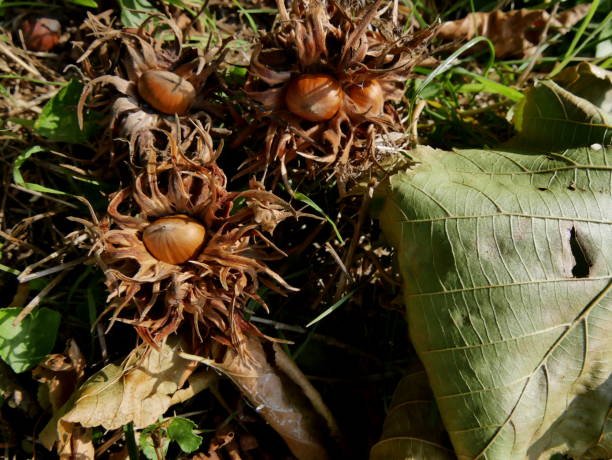
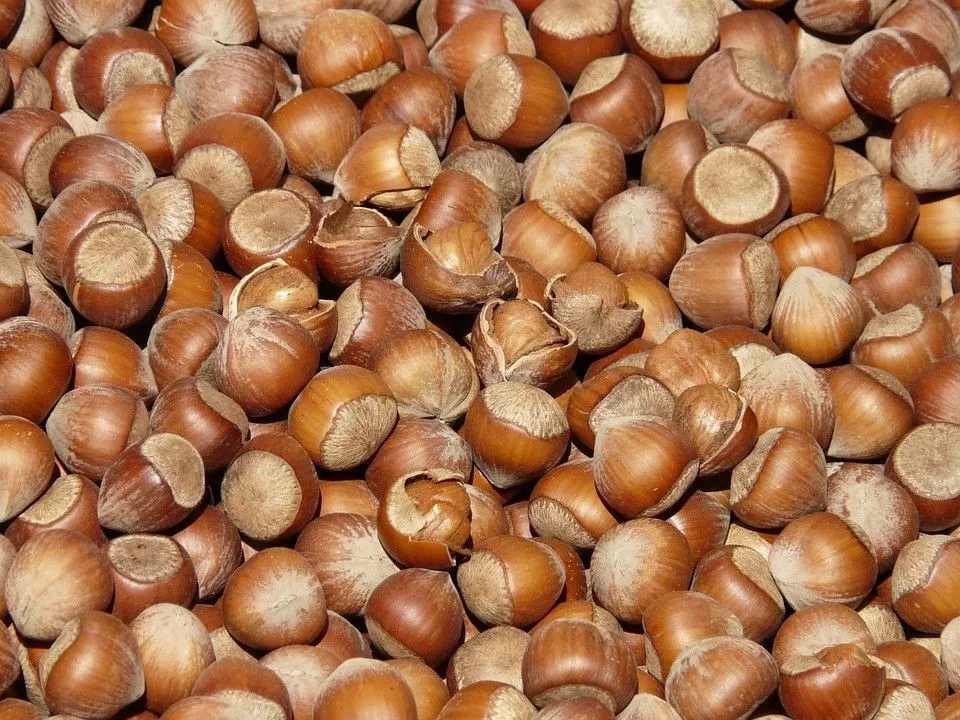

How to Grow, Propagate, Use, Eat, and Harvest Turkish Hazel (Corylus colurna)
A Comprehensive Guide to the Balkan’s Iconic Tree-Nut Species
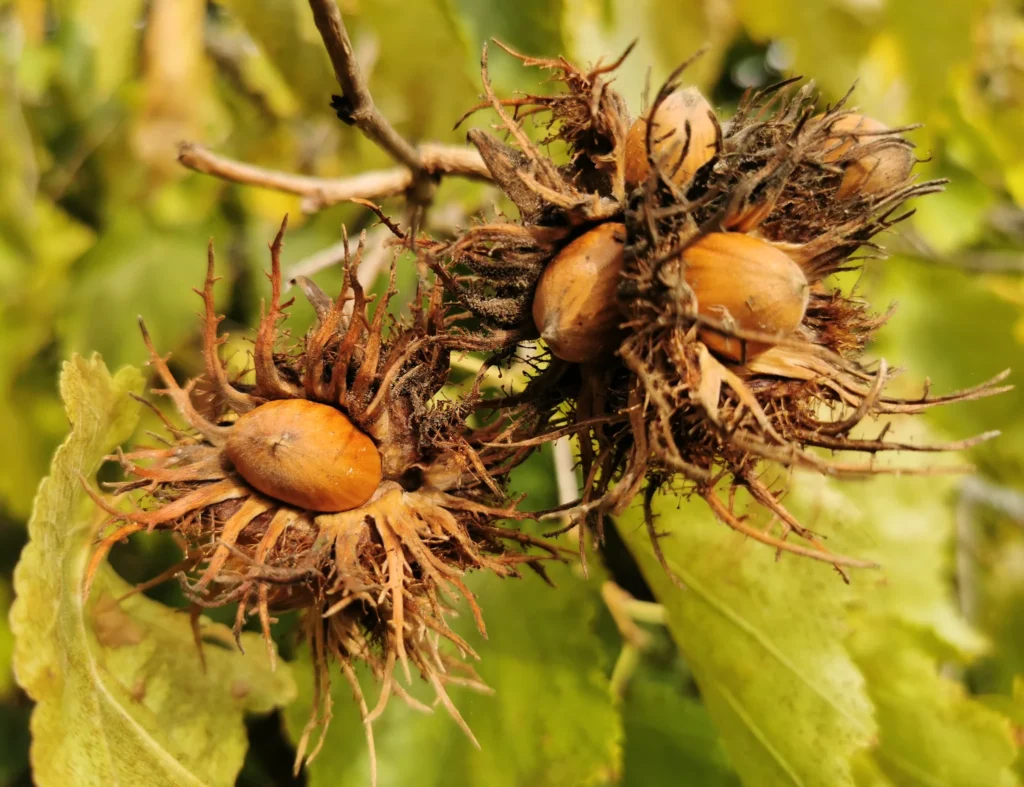
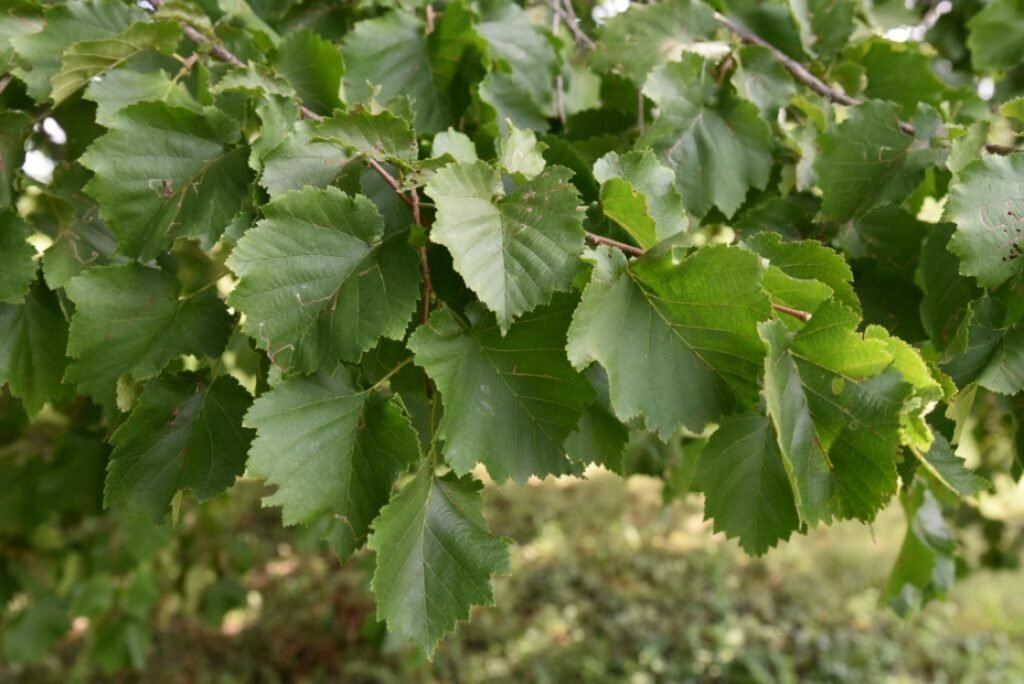
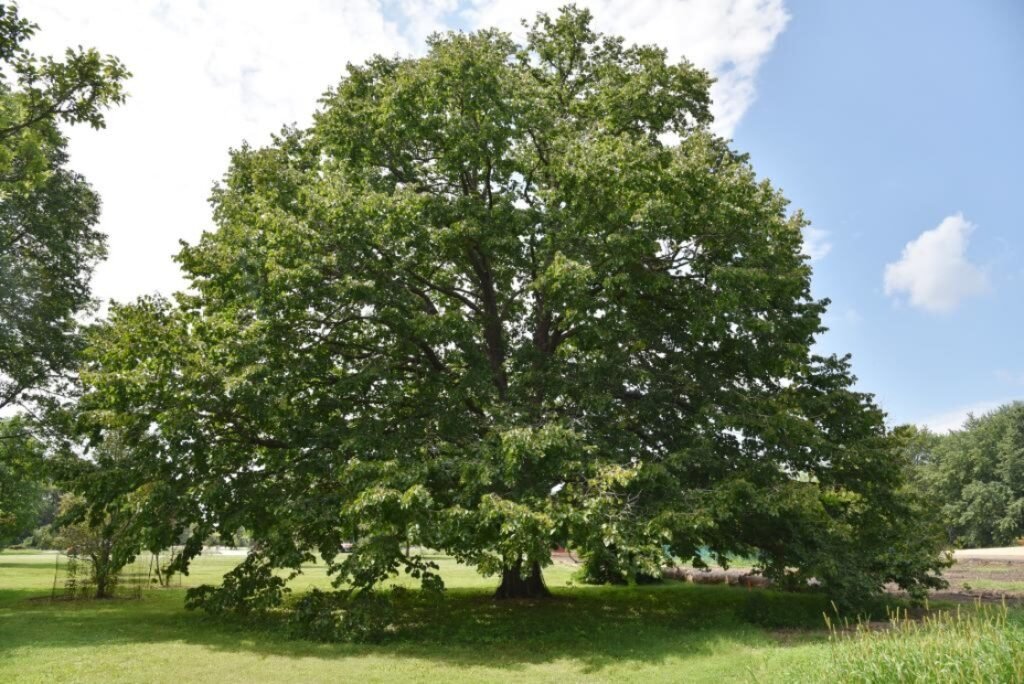
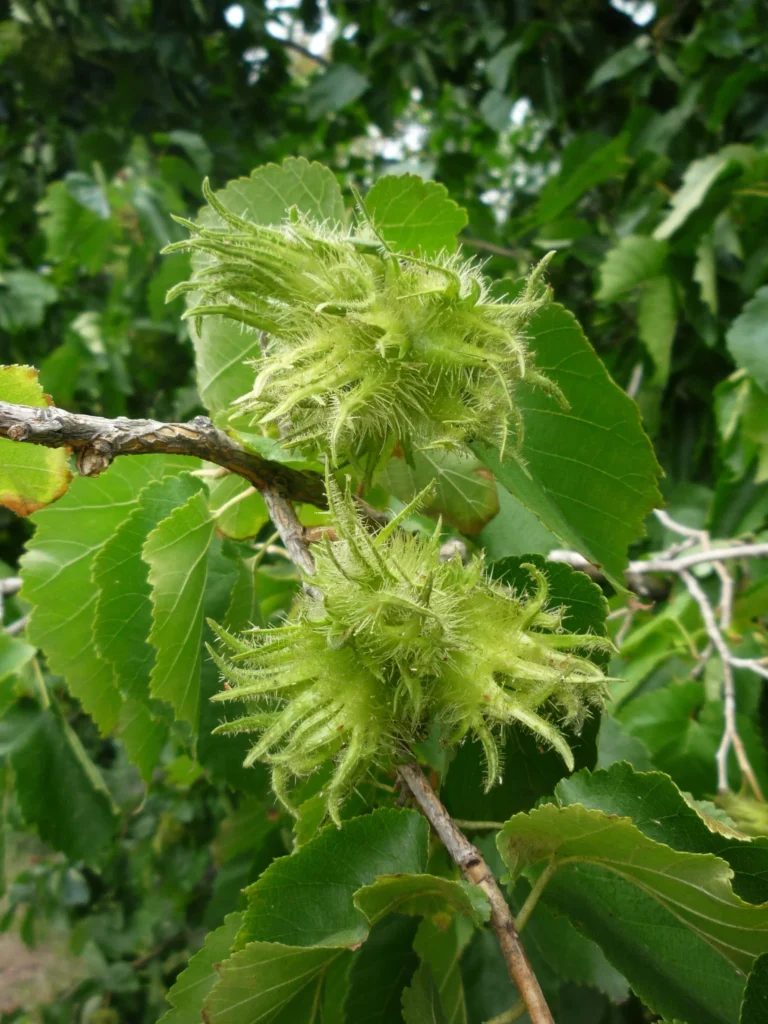
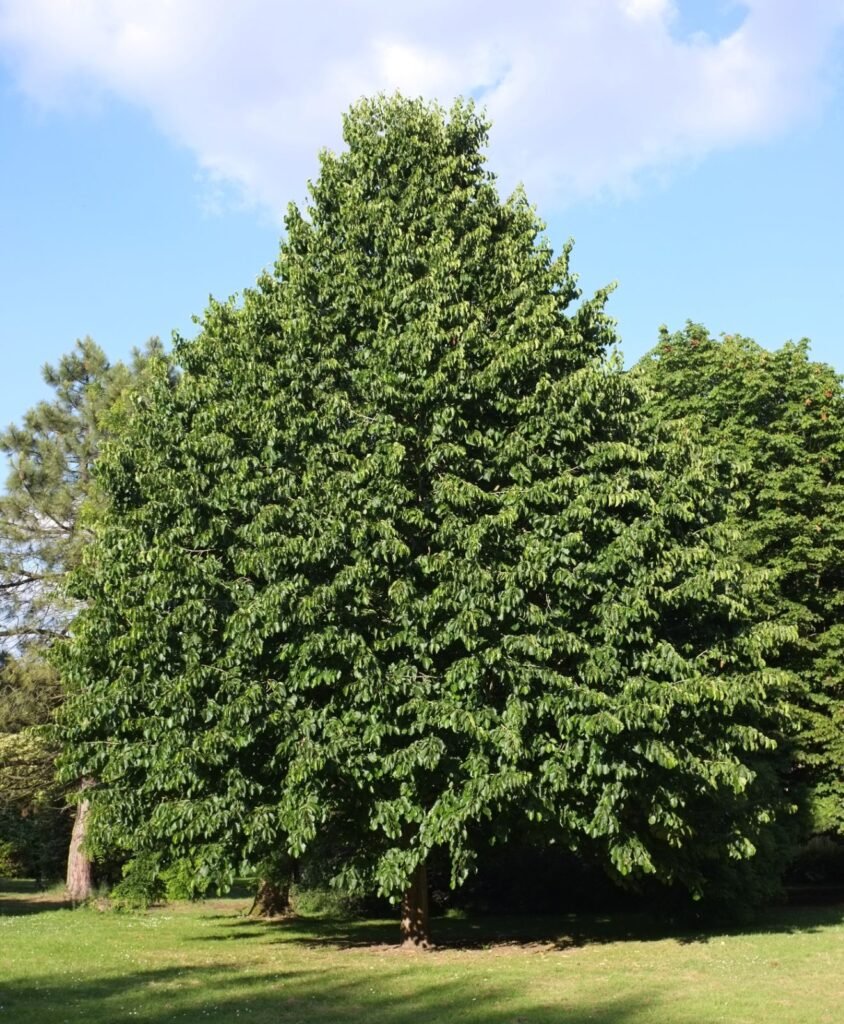
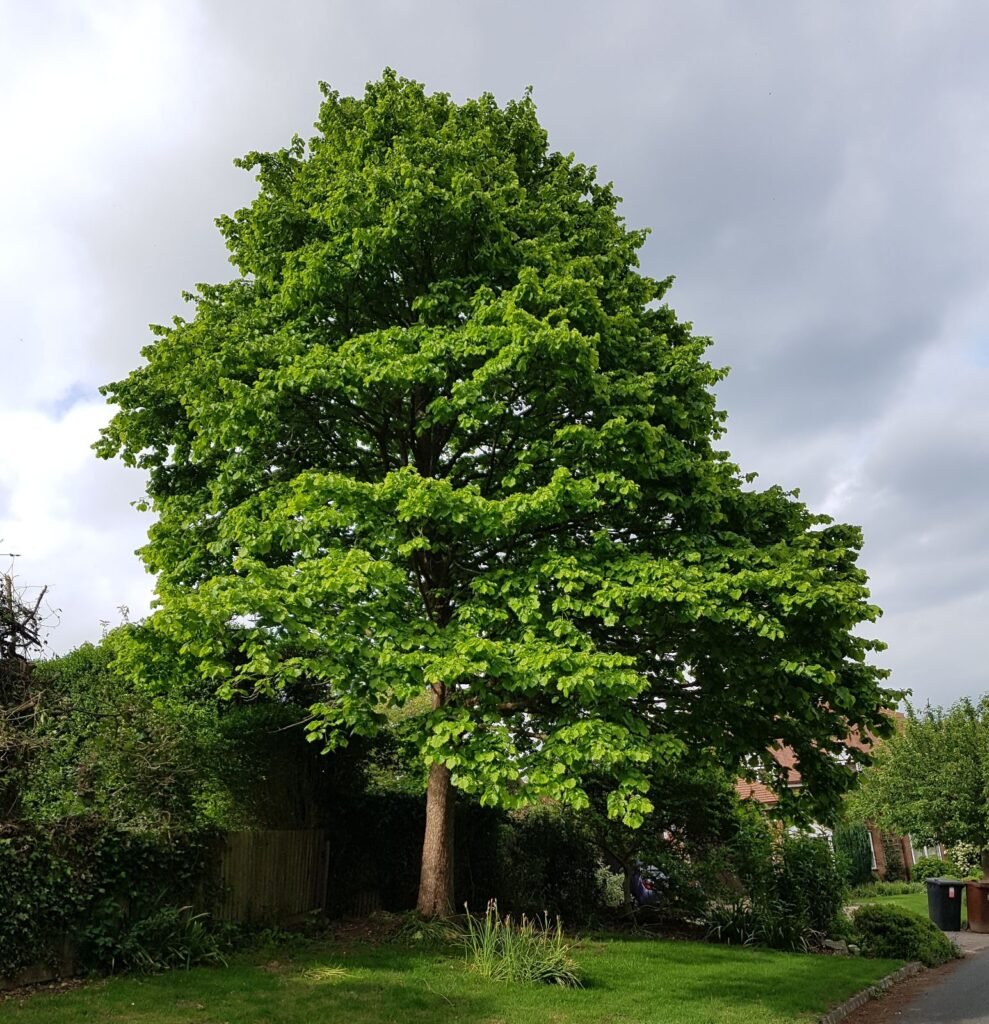
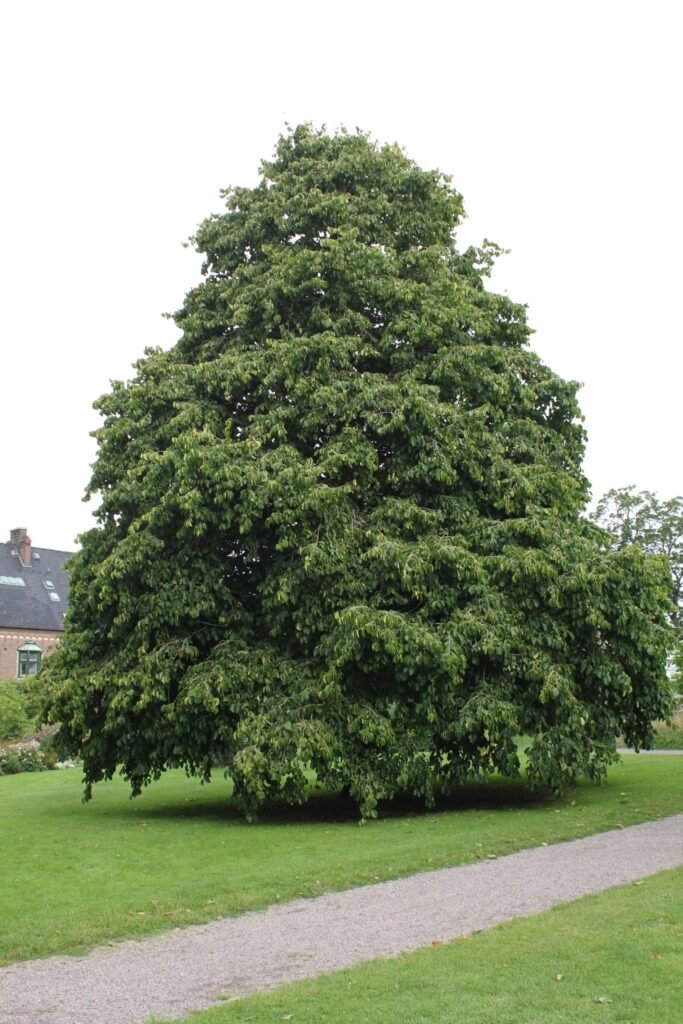
Turkish hazel (Corylus colurna), also known as the Bosnian hazel or tree hazel, is one of the most distinctive members of the hazelnut family. Unlike the more familiar shrub-forming hazelnuts, Turkish hazel grows into a stately, columnar tree, often reaching 15–25 meters (50–80 feet) with a striking pyramidal crown. Beyond its ornamental beauty, this species produces edible nuts and has emerging value in culinary gardens, sustainable landscaping, and climate-resilient orchards.
Whether you’re a horticulture enthusiast, urban gardener, permaculture grower, or nut-loving foodie, this guide breaks down everything needed to cultivate, propagate, and enjoy Turkish hazel.
Botanical Overview
- Scientific Name: Corylus colurna
- Family: Betulaceae
- Native Range: Balkans, Turkey, Caucasus
- Growth Form: Deciduous tree
- Life Span: Long-lived, often 200+ years
- Hardiness Zones: Typically USDA 5–7
Key selling point? It’s stress-tolerant, handles drought once established, and works beautifully in urban landscapes thanks to its pollution resilience.
Growing Turkish Hazel: Conditions & Care
1. Soil Requirements
Turkish hazel thrives in:
- Deep, well-drained loam
- Neutral to slightly alkaline pH
- Moist soils during establishment
It tolerates poorer soils better than European hazel (Corylus avellana), making it a promising candidate for low-input orchards.
2. Climate & Exposure
- Prefers full sun
- Handles cold winters
- Moderate drought tolerance once mature
In hotter climates, supplemental irrigation increases nut yield and kernel size.
3. Planting Tips
- Plant in early spring or fall
- Space 6–8 meters apart
- Use mulch to retain moisture
- Stake young saplings to encourage upright form
4. Growth Speed
A relatively slow grower—expect:
- 30–60 cm (1–2 feet) annually when young
- Full height achieved in 25–35 years
Propagation Methods
Turkish hazel can be propagated via:
1. Seeds (Most Common)
Seed propagation requires cold stratification for 60–120 days. Germination rates improve if:
- Nuts are fresh
- Stored in moist sand
- Wintered outdoors or refrigerated
Seedlings tend to display genetic diversity—great for breeding, less ideal for uniform orchards.
2. Grafting (For Consistency)
Commercial nut growers graft Turkish hazel onto:
- Corylus avellana
- Corylus americana
- Hybrid rootstocks
Reason: improved nut yields, disease resistance, and better orchard consistency.
3. Layering & Stool Beds
While possible, Turkish hazel responds more slowly to vegetative propagation than common hazel.
Varieties & Cultivars
Turkish hazel itself has fewer recognized named cultivars than European hazel, but breeders increasingly use it for:
- Rootstocks
- Hybrids
- Cold-hardy orchards
- Disease-tolerant breeding lines
Notable traits under selection include:
- Kernel size
- Shell thickness
- Yield consistency
- Ornamental form
Hybrid crosses with Corylus avellana show promise for future nut production systems.
Ornamental & Landscape Uses
Turkish hazel earns admiration in urban horticulture due to:
- Straight trunk
- Symmetrical crown
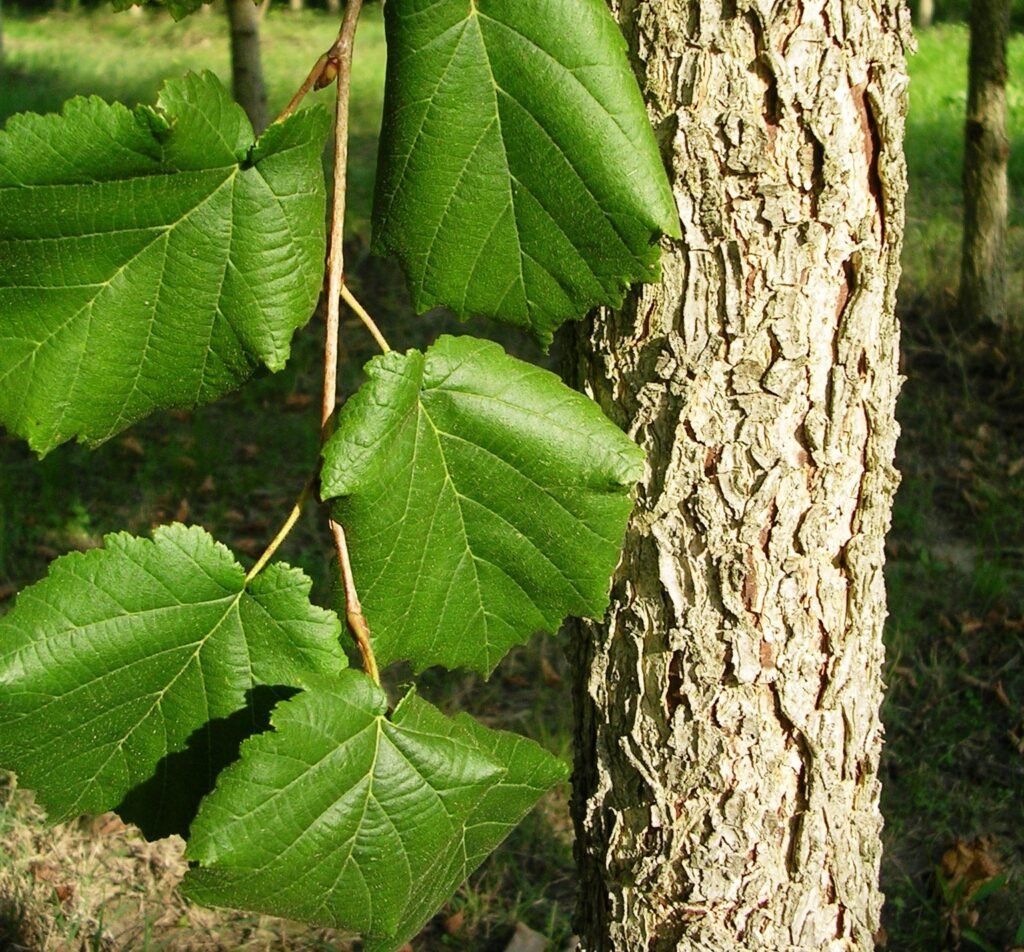
- Deep furrowed bark
- Pollution tolerance
It’s often planted in:
- Streetscapes
- Estate gardens
- Public plazas
- Campus landscapes
Its tidy growth habit and lack of suckering make it easier to manage than shrubby hazels.
Nut & Food Uses
1. Edibility & Flavor
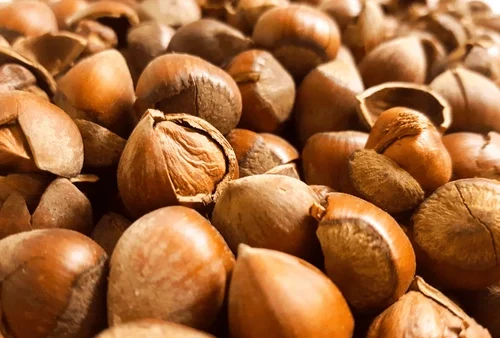
Turkish hazel produces edible nuts with:
- Mild hazelnut flavor
- Firmer texture
- Slightly smaller kernels
- Thicker shells
Kernel-to-shell ratio is lower than commercial filberts, but the taste is excellent.
2. Culinary Applications
The nuts can be:
- Roasted
- Ground into flour
- Added to confectionery
- Pressed for oil
- Eaten raw
Flavor pairs well with:
- Chocolate
- Honey
- Coffee
- Stone fruits
- Baked pastries
Artisanal bakers and chocolatiers are increasingly experimenting with Turkish hazel for uniqueness and terroir identity.
Harvesting & Processing
Harvest Time
Typically harvested in late summer to early autumn depending on latitude and heat accumulation.
Signs of Readiness
Nuts are ripe when:
- Husk browns and loosens
- Nuts drop freely
- Squirrels take sudden interest!
Post-Harvest Steps
- Dry nuts 1–2 weeks for storage
- Crack shells as needed
- Store kernels in airtight jars in cool spaces
Hazelnuts keep best when refrigerated, preserving aromatic oils.
Ecological & Permaculture Value
Turkish hazel supports:
- Wild pollinators (catkins)
- Birds & wildlife (nuts)
- Biodiversity (mixed-canopy systems)
Root system helps stabilize soils, and the tall canopy plays nicely in food forests layered with:
- Currants
- Shade crops
- Woodland berries
Challenges & Pests
Turkish hazel shows strong resilience against many common hazelnut pests. While not immune, it tends to resist:
- Eastern Filbert Blight (EFB)
- Leaf spot diseases
- Bacterial cankers
Shell thickness deters many nut-feeding insects.
Why Turkish Hazel Is Gaining Attention
Interest is rising due to:
- Urban forestry demand
- Climate resilience
- Specialty nut markets
- Breeding potential
- Ornamental qualities
Breeders view it as a solution species for expanding hazelnut agriculture into colder or drier regions.
Final Thoughts
Turkish hazel (Corylus colurna) stands out as:
- A handsome tree
- A hardy nut producer
- A low-maintenance landscape option
- A promising genetic resource for nut breeding
While not as widely cultivated as European filbert, it offers unique horticultural, culinary, and ecological benefits worthy of greater recognition.


&media=https://food-foresting.com/wp-content/uploads/2026/01/istockphoto-2176119006-612x612-1.jpg)