
 paulius.mikoliunas1
| Common Name | Wild Pear, Common pear |
| Family | Rosaceae |
| USDA hardiness | 4-9 |
| Known Hazards | None known |
| Habitats | Hedges, woodland margins etc in Britain. |
| Range | Europe. Naturalized in Britain |
| Edibility Rating |   (2 of 5) (2 of 5) |
| Other Uses |   (3 of 5) (3 of 5) |
| Weed Potential | No |
| Medicinal Rating |   (1 of 5) (1 of 5) |
| Care (info) |     |
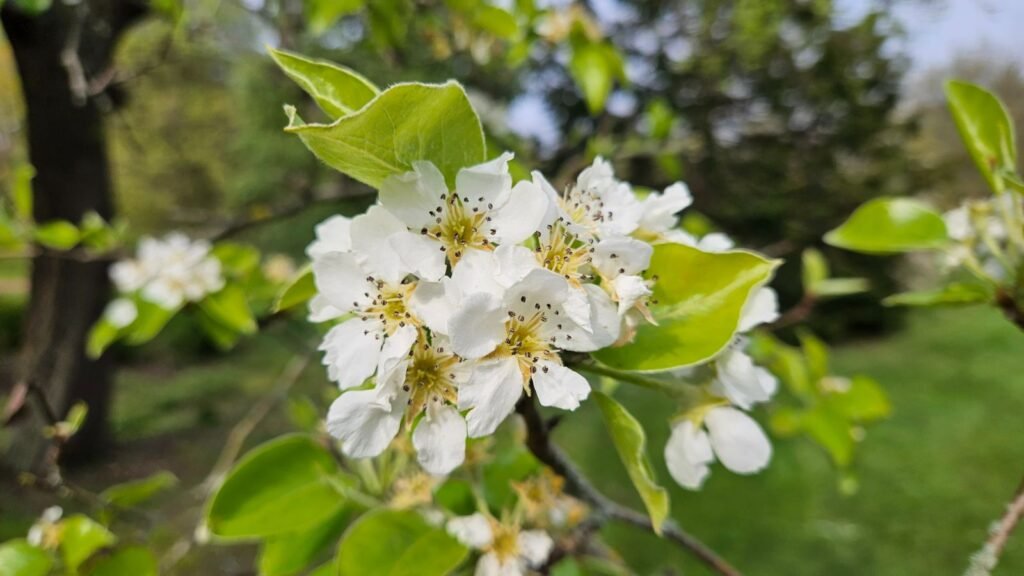
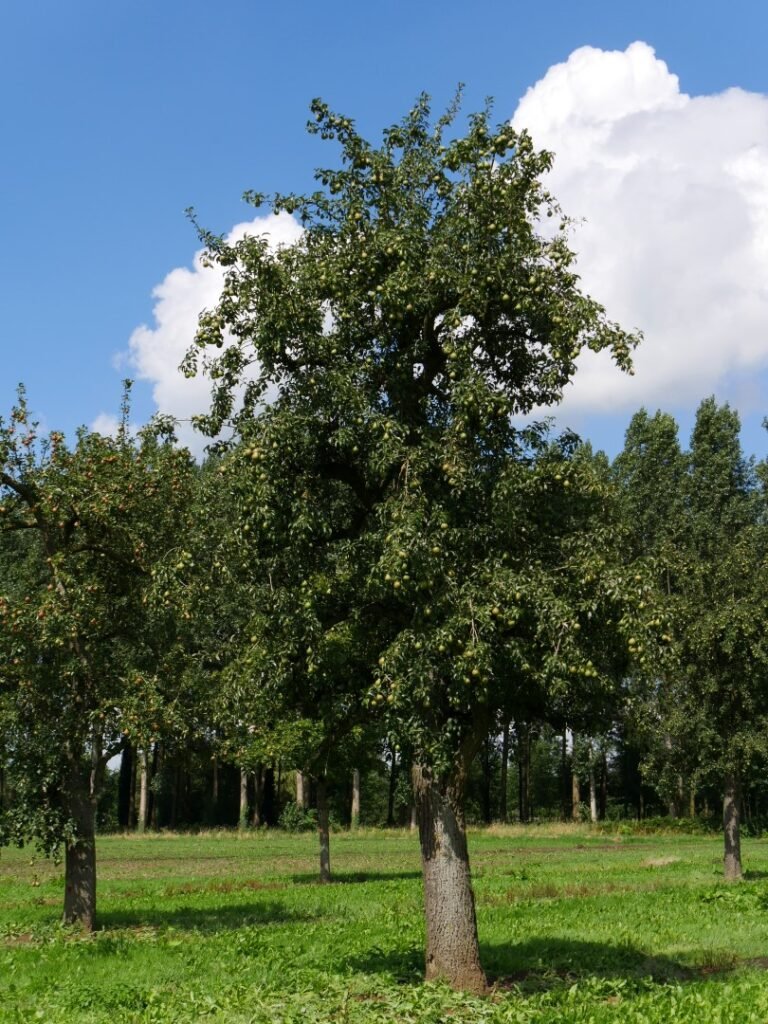
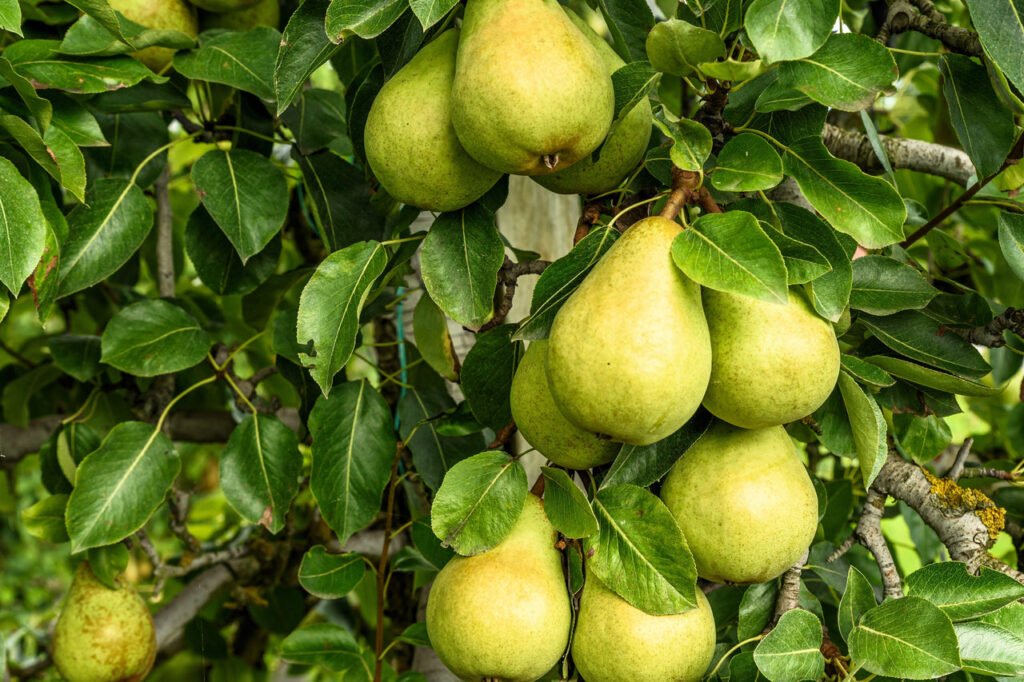
Growing & Using Wild Pear (Pyrus communis): Cultivation, Varieties, Uses, Culinary Options & Harvest Guide
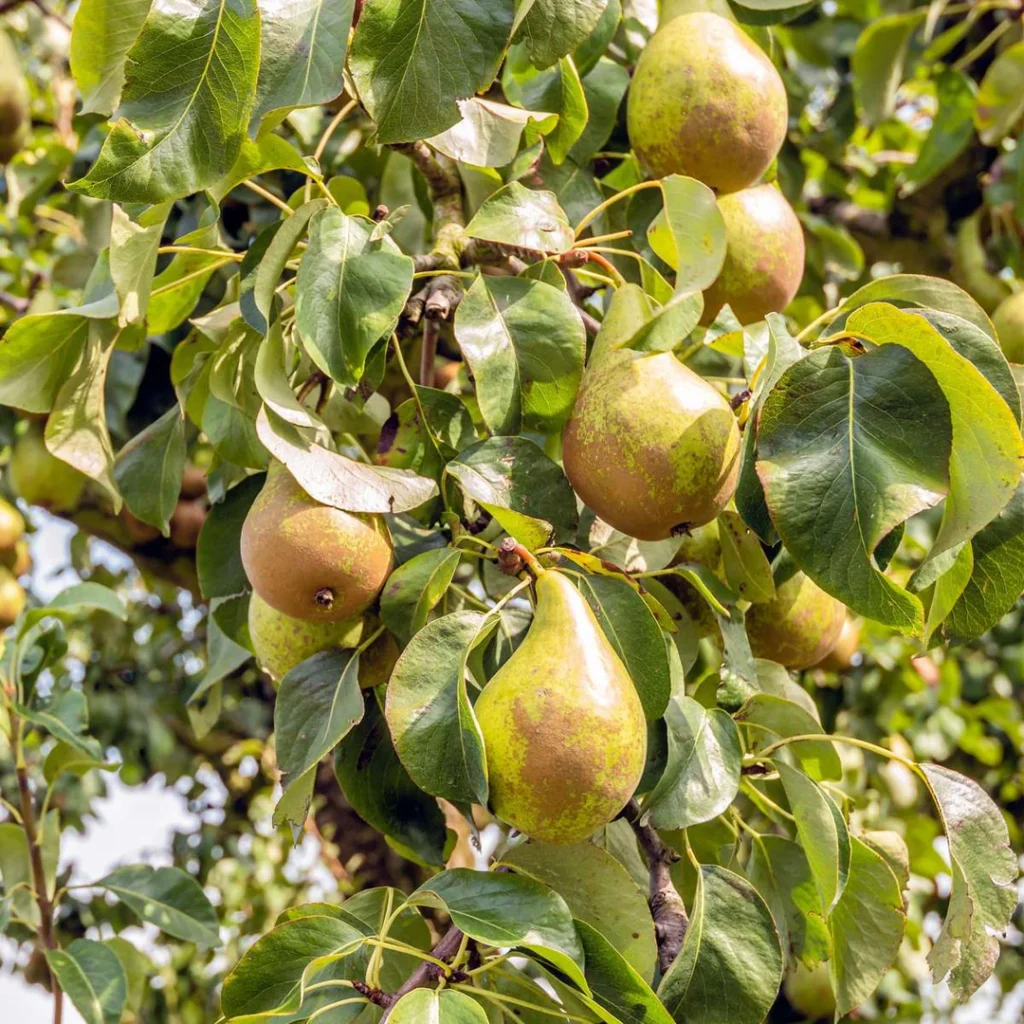
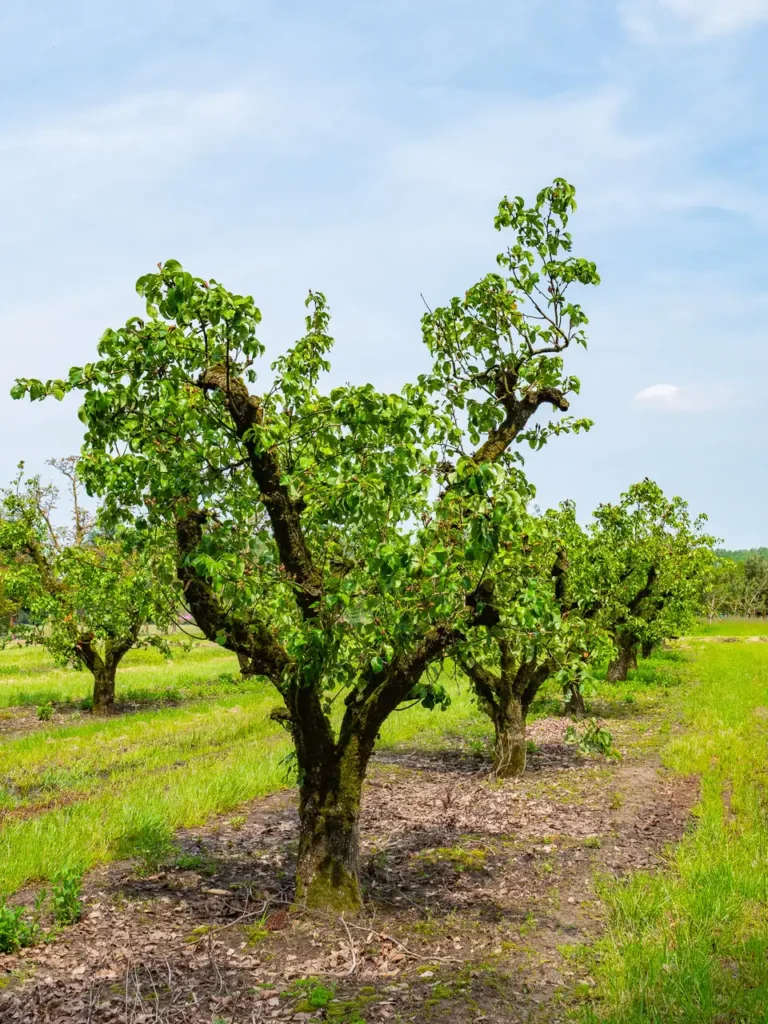
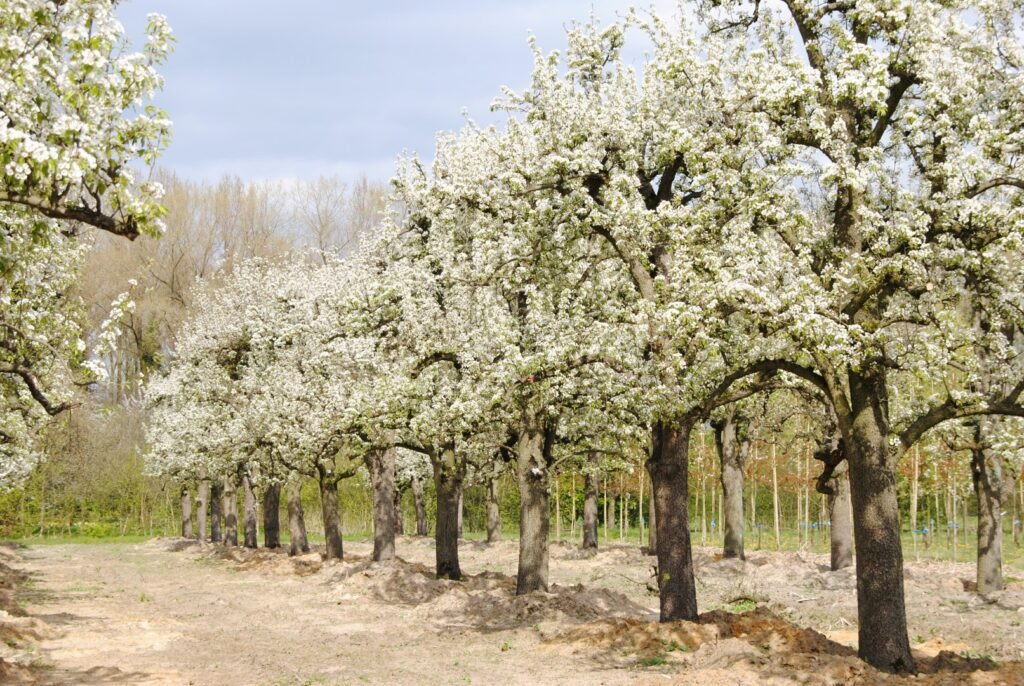
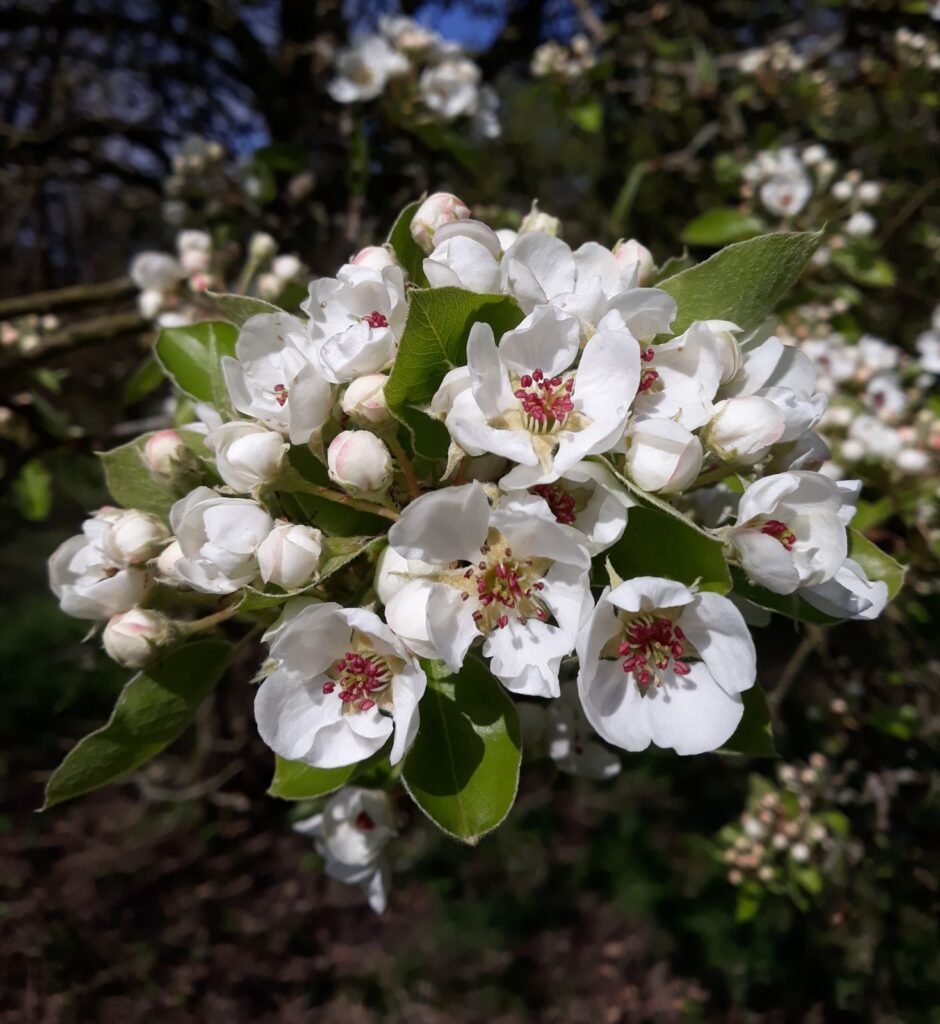
Wild Pear (Pyrus communis) is an underrated fruit-bearing tree with deep historical roots, resilient genetics, and enormous potential for both home gardeners and foragers. Though often overshadowed by commercial pears, wild varieties offer distinctive flavors, impressive disease resistance, and excellent ecological value. This guide covers how to grow and propagate wild pear, the most notable varieties, its usage across cultures, food and preservation ideas, and when/how to harvest.
Overview: What Makes Wild Pear Special
Wild pears are not genetically identical to modern supermarket pears. They tend to be:
- firmer and smaller
- more tannic
- highly aromatic
- longer storing
- more cold-resistant
- more disease-tolerant
Their natural resilience makes them ideal for permaculture, homesteading, and regenerative agriculture projects.
How to Grow Wild Pear (Pyrus communis)
Climate Requirements
Wild pears thrive in temperate climates and tolerate:
- cold winters (chilling helps fruit set)
- moderate rainfall
- clay or loamy soils
Optimal USDA zones: 5–9
Soil Preferences
- pH range: 6.0–7.5
- good drainage, though wild pear tolerates compacted soils better than cultivated types
Planting Guidelines
- Dig a hole twice the diameter of the root ball.
- Amend soil with compost and leaf mould.
- Plant at the same depth as nursery level.
- Water deeply after planting.
- Mulch heavily to retain moisture and suppress weeds.
Spacing: 12–20 ft (4–6 m) depending on growth habit.
Watering & Maintenance
- First 2 years: deep watering weekly.
- Mature trees: drought-tolerant.
- Prune annually in winter to shape and remove suckers.
Pollination
Wild pear trees benefit from cross-pollination. Plant at least two genetically distinct trees for best results.
Propagation Methods
Wild pears can be propagated via:
1. Seeds (Generative Propagation)
Pros: genetic diversity, vigor
Cons: unpredictable fruit quality
Steps:
- Cold stratify seeds 60–90 days
- Sow in spring
- Protect seedlings from rodents
2. Grafting (Vegetative Propagation)
Most reliable method for preserving desired traits. Common rootstocks:
- quince (dwarfing)
- hawthorn (hedgerow uses)
- wild pear (vigorous + drought tolerant)
3. Cuttings
Hardwood cuttings taken mid-winter show moderate success when treated with rooting hormones.
4. Air Layering
Useful for taming exceptionally thorny or hard-to-reach wild specimens.
Notable Wild Pear Varieties & Types
Though “wild pear” refers broadly to naturalized trees, several forms are worth noting:
- Pyrus communis (Wild European Pear) — standard wild type, small fruits, excellent tannins.
- Hedgerow Pears — naturalized in farmland; tough fruits ideal for preserves.
- Fermenting Pear Types — high-sugar, high-tannin pears historically used for perry.
- Ornamental Wild Pears — smaller fruits + ornamental bloom, valued for wildlife.
Wild pears hybridize easily, so fruit characteristics vary widely.
Usage & Cultural Relevance
Wild pears have been valued for:
- livestock feed
- winter storage food
- beverage making (perry + wine)
- medicinal uses (digestive support + astringents)
- timber (dense, fine-grained, excellent for tools and instruments)
Culinary Uses & Food Options
Though often firm or tannic when fresh, wild pears come alive with processing.
Popular Culinary Uses
✔ Perry (Pear Cider) — best use for tannin-rich pears
✔ Preserves & Jams — high pectin improves setting
✔ Ferments & Wines — flavorful + historically common
✔ Poached Pears — poaching softens astringency
✔ Chutneys & Relishes — pairs well with spices
✔ Fruit Leather — dehydrates beautifully
✔ Dried Pear Slices — long shelf life
✔ Syrups & Reductions — concentrated natural sugars
Complementary Flavors
Wild pears pair excellently with:
- cinnamon
- clove
- ginger
- black pepper
- vanilla
- nutmeg
- red wine
- honey
For savory pairings, pears complement:
- game meats
- sharp cheeses
- onions + mustard
- cured meats
Harvesting Wild Pear: When & How
Harvest Time
Varies by region, generally:
- Late August to October
Wild pears often continue ripening off the tree, similar to cultivated varieties.
Signs of Readiness
- fruit detaches with gentle twist
- flesh softens at core first
- aroma increases
- slight color shift depending on type
Post-Harvest Ripening
After harvest, allow pears to ripen indoors:
- warm room for speed
- cool cellar for slow storage (traditional method)
Wild pears store well — some remain edible for 3–4 months if cellared properly.
Health & Nutritional Benefits
Wild pears offer:
- dietary fiber
- natural sugars
- vitamin C
- antioxidants
- tannins (digestive + antimicrobial properties)
They are lower in water content than commercial pears, which enhances flavor during cooking.
Ecological & Permaculture Benefits
Wild pears are excellent ecological assets:
- nectar source for pollinators
- heavy wildlife fruiting for birds + mammals
- excellent for hedgerows
- tolerance to drought and cold
- deep roots improve soil structure
They also serve as genetic reservoirs, aiding breeding programs.
Final Thoughts
If you want a tree that’s:
- robust
- long-lived
- flavorful
- wildlife-friendly
- historically significant
- low maintenance
then Wild Pear (Pyrus communis) is an exceptional choice. From hedgerow snacks to artisanal perry, its uses are far broader than most gardeners realize.


&media=https://food-foresting.com/wp-content/uploads/2026/01/shutterstock_2355739549_1280x.jpg)