
 paulius.mikoliunas1
| Common Name | Birchleaf spirea, birch-leaved spiraea |
| Family | Rosaceae |
| USDA hardiness | 4-8 |
| Known Hazards | None known |
| Habitats | High mountains, N. Japan. |
| Range | E. Asia – Japan. |
| Edibility Rating |   (1 of 5) (1 of 5) |
| Other Uses |  (0 of 5) (0 of 5) |
| Weed Potential | No |
| Medicinal Rating |  (0 of 5) (0 of 5) |
| Care (info) |    |
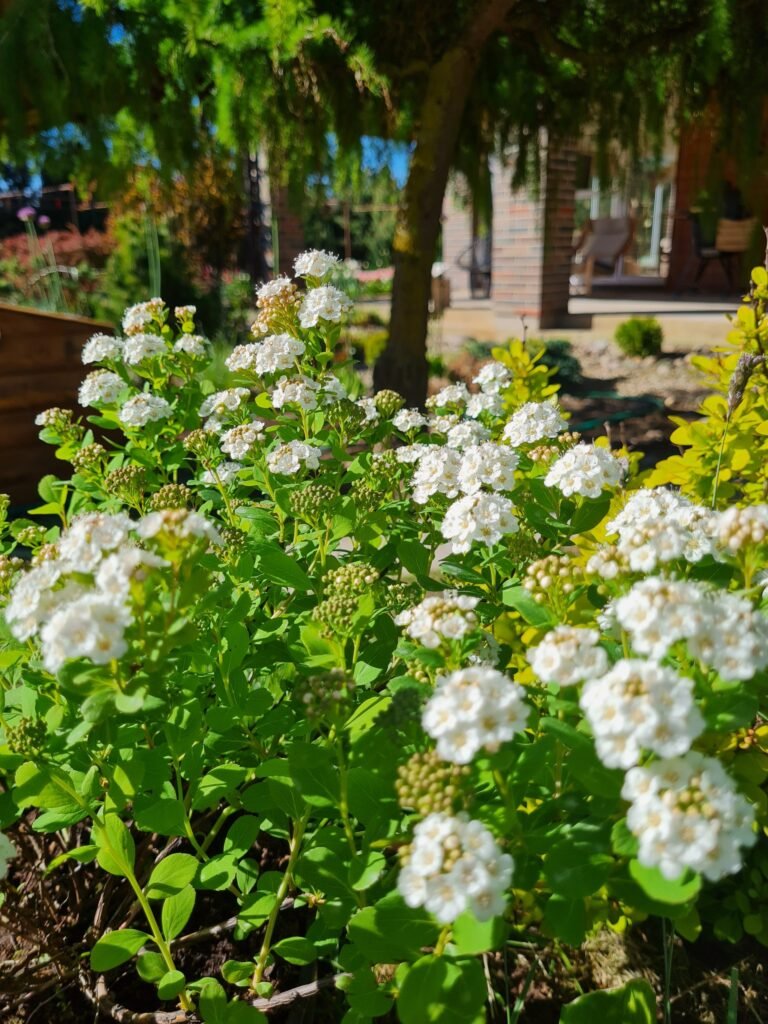

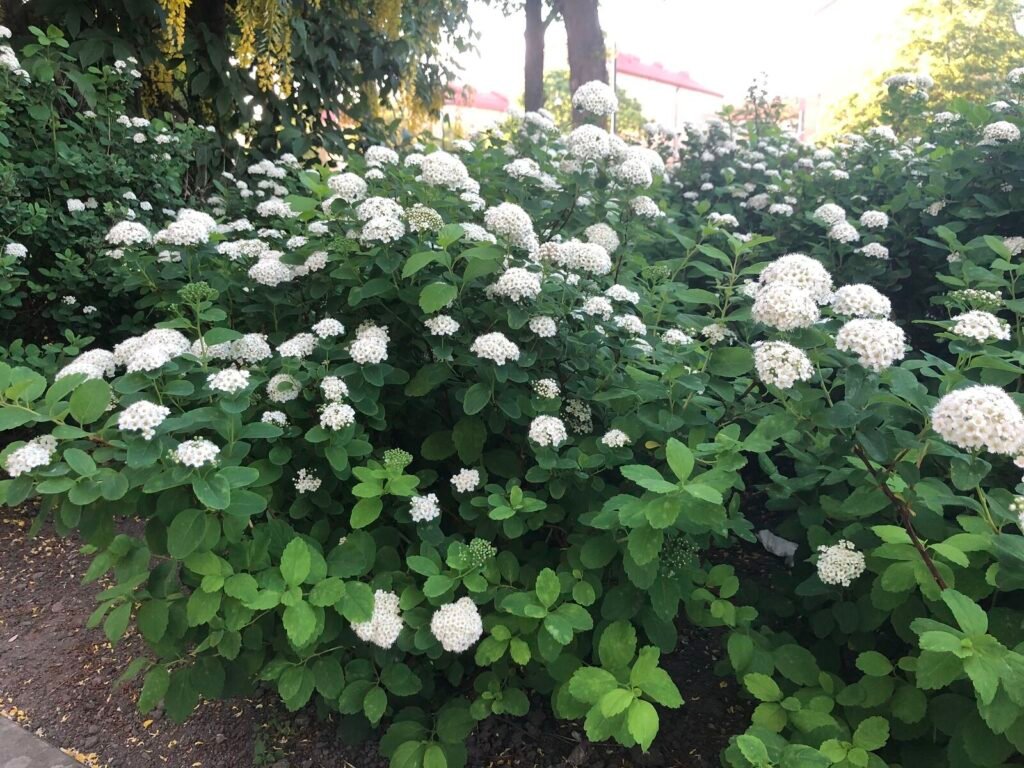
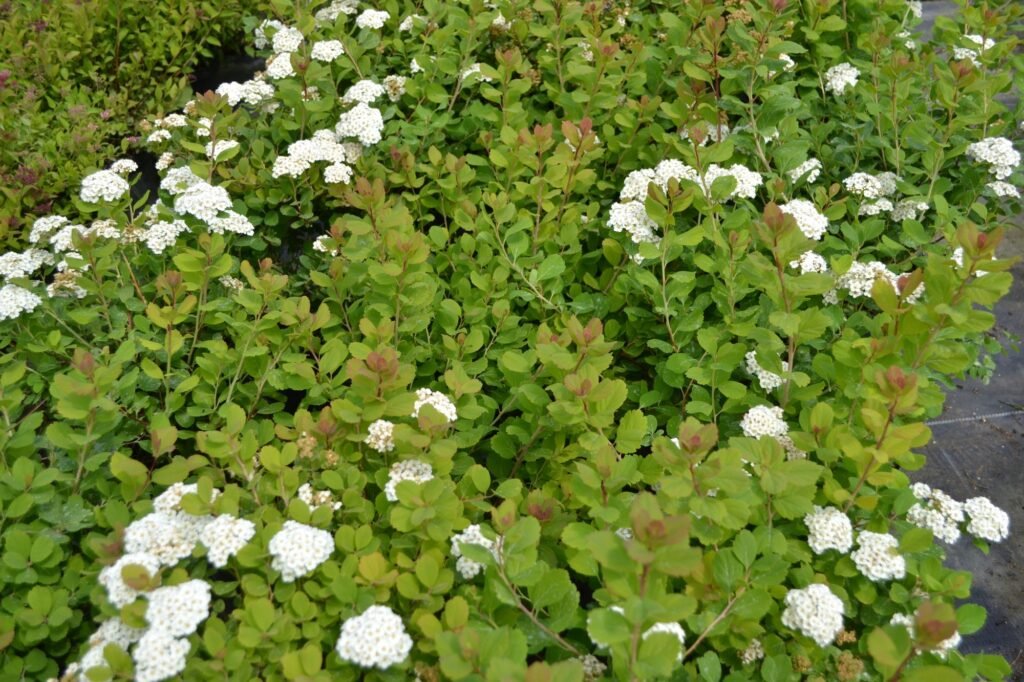
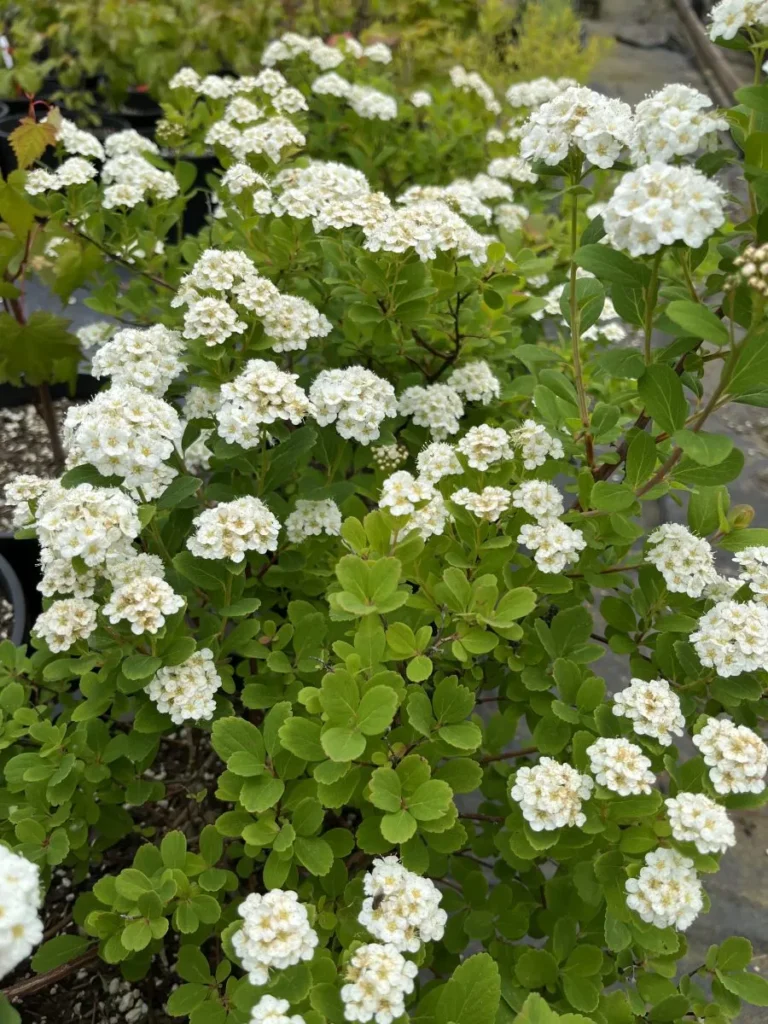




Birchleaf Spirea (Spiraea betulifolia): How to Grow, Propagate, Use, and Harvest This Hardy Ornamental Shrub
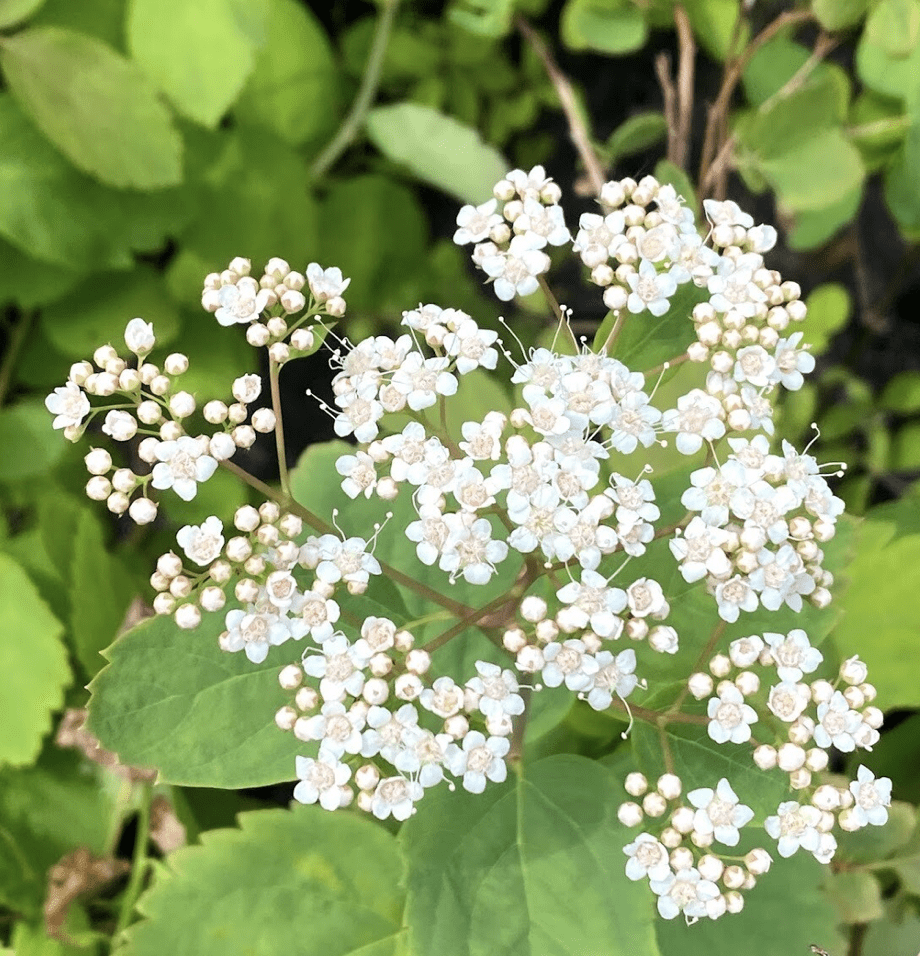
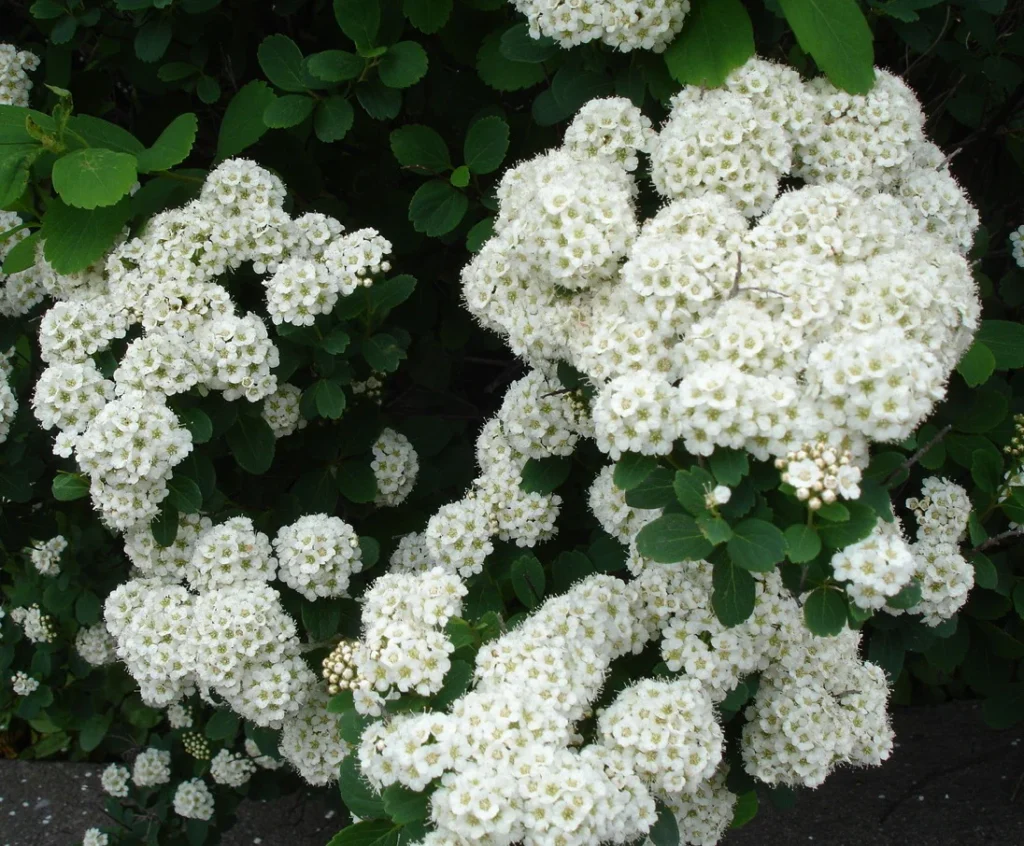
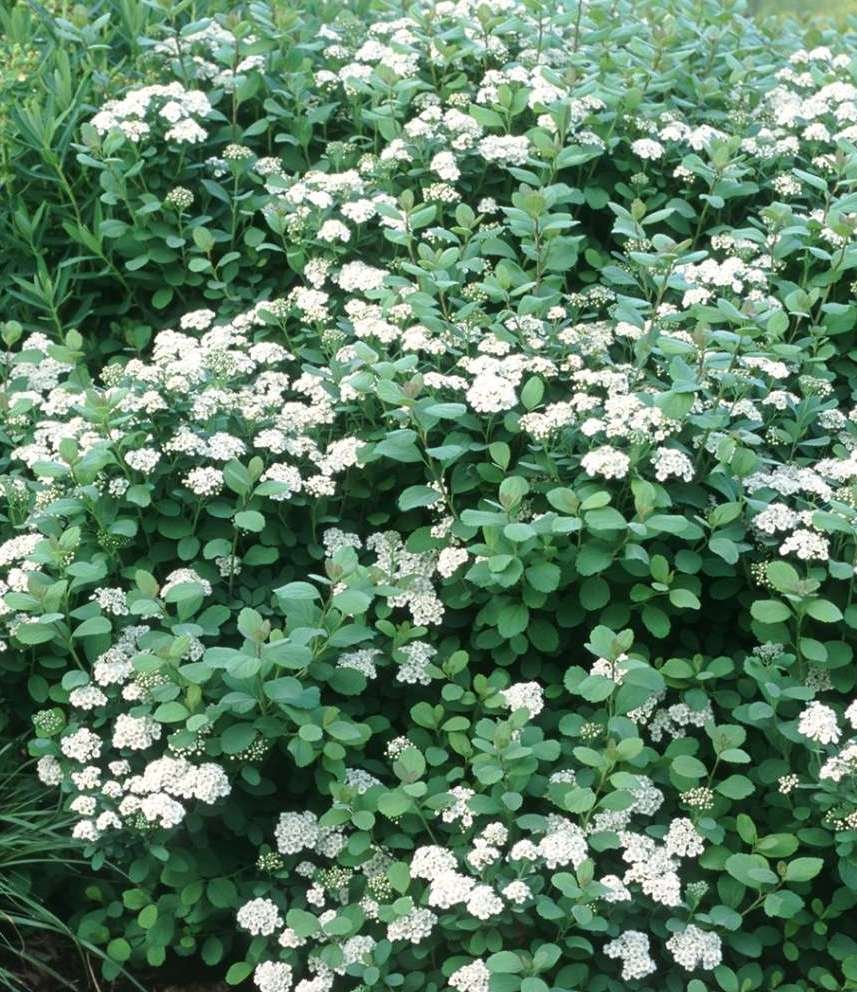
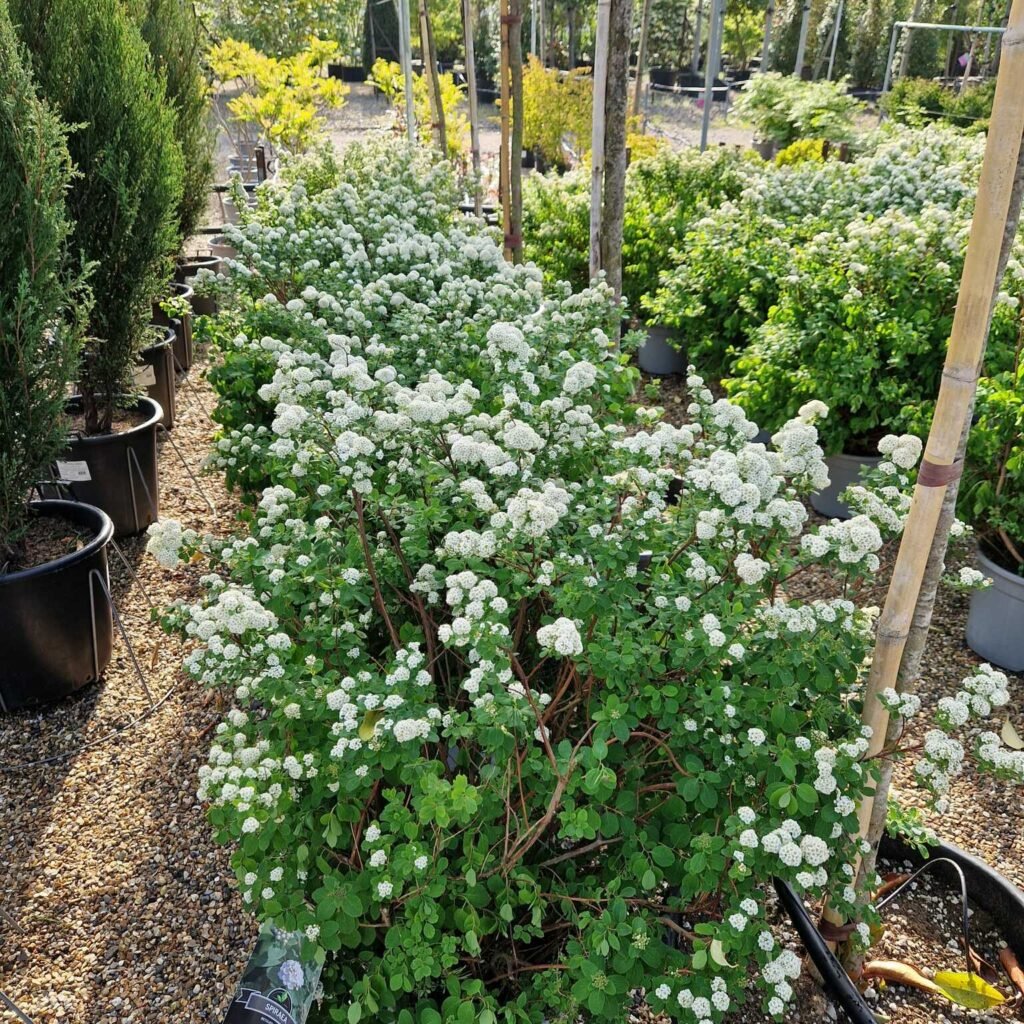
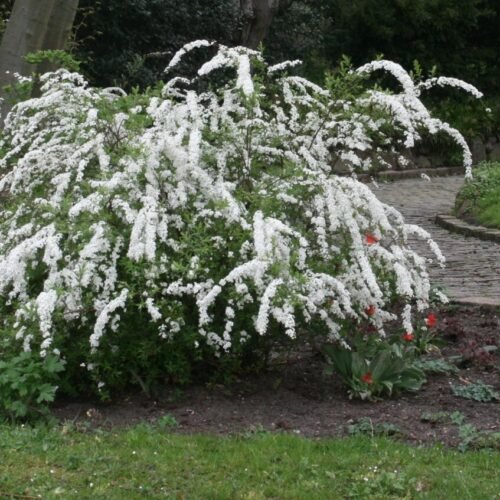
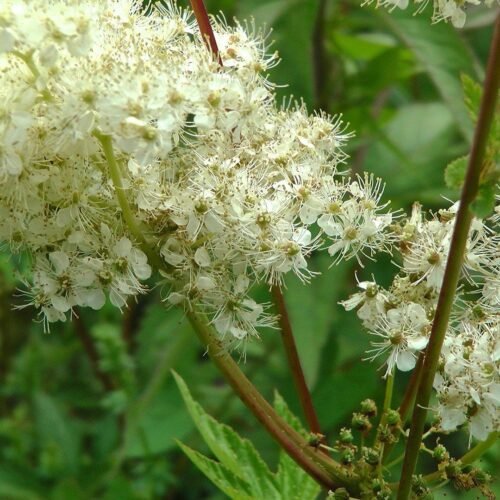
Birchleaf spirea (Spiraea betulifolia) is a compact, cold-hardy shrub prized for its rounded shape, birch-like foliage, and clusters of creamy to white blooms in late spring. While it’s often treated as a landscape ornamental, this versatile shrub also offers surprising ecological and culinary value. Below is a complete guide to growing, propagating, identifying varieties, using, and harvesting the plant efficiently and sustainably.
What Makes Birchleaf Spirea Special?
This species earns admiration among gardeners for several reasons:
- Compact growth habit (typically 2–3 ft tall and wide)
- High cold tolerance (down to zone ~3)
- Blooms early and supports pollinators
- Low maintenance and adaptable to soil types
- Brilliant fall coloration (yellow, orange, or reddish tones)
Because of its small size, Birchleaf spirea fits beautifully into borders, rock gardens, cottage-style designs, and foundation plantings.
Ideal Growing Conditions
Birchleaf spirea thrives best when the following conditions are met:
1. Light Requirements
- Prefers full sun for maximum flowering and foliage color.
- Tolerates partial shade, though blooms may be reduced.
2. Soil Preferences
- Grows in sandy, loamy, or clay soils.
- Prefers well-drained, slightly acidic to neutral soils.
- Can tolerate moderate drought once established.
3. Watering & Moisture
- Water regularly during establishment (first 1–2 years).
- Afterward, apply deep watering during particularly hot or dry stretches.
4. Climate & Hardiness
- Truly cold-hardy, thriving in northern and alpine climates.
- Heat tolerance is moderate; prefers cooler regions.
How to Plant Birchleaf Spirea
Planting time:
- Best in early spring or fall to encourage strong root formation.
Planting steps:
- Dig a hole twice as wide as the root ball.
- Set the shrub with crown level to the soil surface.
- Backfill with native soil; avoid high-nitrogen fertilizers initially.
- Mulch generously to retain moisture and stabilize temperature.
- Water well for the first two weeks.
Maintenance, Pruning & Care
Birchleaf spirea requires minimal ongoing care:
- Annual pruning:
Remove dead or damaged stems in late winter or early spring. - Post-bloom trimming:
Light shaping after flowering encourages branching and occasional rebloom. - Fertilization:
Usually unnecessary; compost applied in spring is sufficient. - Pest & Disease Resistance:
Typically unbothered by pests; deer and rabbits often avoid it.
Propagation: How to Multiply Your Birchleaf Spirea
There are three reliable propagation methods:
1. Softwood Cuttings
Best conducted in early summer.
Steps:
- Take cuttings ~4–6 inches long.
- Remove lower foliage and dip in rooting hormone (optional).
- Plant in sterile propagation mix.
- Maintain humidity using a dome or plastic cover.
Roots typically form in 4–8 weeks.
2. Hardwood Cuttings
Performed in late fall through winter.
- Takes longer to root but requires less humidity control.
3. Division
Suitable for mature shrubs with multi-stemmed crowns.
- Dig and separate sections with intact roots.
- Replant immediately for minimal stress.
Popular Varieties of Birchleaf Spirea
Breeding has led to several compact and colorful cultivars. Notable selections include:
- ‘Tor’ (Spiraea betulifolia ‘Tor’):
Renowned for exceptional fiery fall foliage. - ‘Tor Gold’ (or ‘Glowing Dome’):
Bright yellow leaves in spring that shift to orange or amber in fall. - Native regional forms:
Found across North America, Siberia, and northern Asia with subtle variations in leaf texture and bloom density.
Uses of Birchleaf Spirea
Although mostly planted as an ornamental, there are multiple underrated uses:
1. Landscaping & Design
- Works well in urban plantings, mixed borders, foundation beds, and pollinator gardens.
- Drought and cold tolerance make it ideal for low-maintenance landscapes.
2. Ecological Uses
- Flowers support bees, hoverflies, and early pollinators.
- Dense structure offers cover for small wildlife.
- Useful in erosion control due to fibrous roots.
3. Cultural & Traditional Use
In some northern regions, parts of the plant have been used in folk practices for:
- floral arrangements
- aromatic infusions
- craft material (dried flowers)
Can Birchleaf Spirea Be Eaten? Food & Culinary Notes
While Birchleaf spirea is not commonly cultivated as a food crop, certain historical and regional uses exist:
- The young tender leaves have been used sparingly in herbal teas or aromatic infusions.
- Flowers and seed heads have been added to decorative culinary presentations.
- Some related Spiraea species were used to extract compounds such as salicylic derivatives, once associated with early aspirin-related plant chemistry (though spirea is no longer a pharmaceutical source).
Important Notes:
- Consumption should be minimal and cautious.
- Not recommended as a staple edible plant.
- Always verify local species identification before ingestion, as edible use varies by region.
When & How to Harvest Birchleaf Spirea
For Ornamental or Craft Use
Choose:
- Bloom clusters at peak flowering for bouquets.
- Seed heads for dried arrangements.
Harvest timing: Late spring through mid-summer for flowers; late summer for seed structures.
For Infusions or Light Culinary Use
Harvest:
- Only young, healthy foliage and fresh blossoms.
- Cut in morning after dew evaporates for highest aromatic concentration.
Seasonal Interest & Year-Round Benefits
Birchleaf spirea offers multi-season appeal:
- Spring: Fresh foliage & bud development
- Late spring/summer: Creamy-white blooms
- Fall: Fiery foliage coloration
- Winter: Compact structural form in the garden
Its aesthetic consistency, combined with resilience, makes it a staple among cold-climate gardeners.
Troubleshooting & Common Issues
- Sparse flowering: Usually due to insufficient sunlight
- Leggy growth: Caused by lack of pruning or shade
- Poor fall color: May result from nutrient deficiency or excessive nitrogen
Final Thoughts
For gardeners seeking a compact, hardy, low-maintenance shrub with ornamental flare, Birchleaf Spirea delivers exceptional performance. Whether grown for its blooms, fall color, wildlife value, or subtle traditional uses, this species enhances landscapes with minimal fuss. Its adaptability also makes propagation and expansion within the garden simple and rewarding.


&media=https://food-foresting.com/wp-content/uploads/2026/01/dda188430330ad4d605c956a9fa4a58e.jpg)