 paulius.mikoliunas1
| Common Name | Date Plum |
| Family | Ebenaceae |
| USDA hardiness | 7-9 |
| Known Hazards | None known |
| Habitats | Mixed mountain forests to 1500 metres in China. |
| Range | E. Asia – China, Japan. Himalayas. |
| Edibility Rating |  (5 of 5) (5 of 5) |
| Other Uses |   (3 of 5) (3 of 5) |
| Weed Potential | No |
| Medicinal Rating |   (1 of 5) (1 of 5) |
| Care (info) |     |


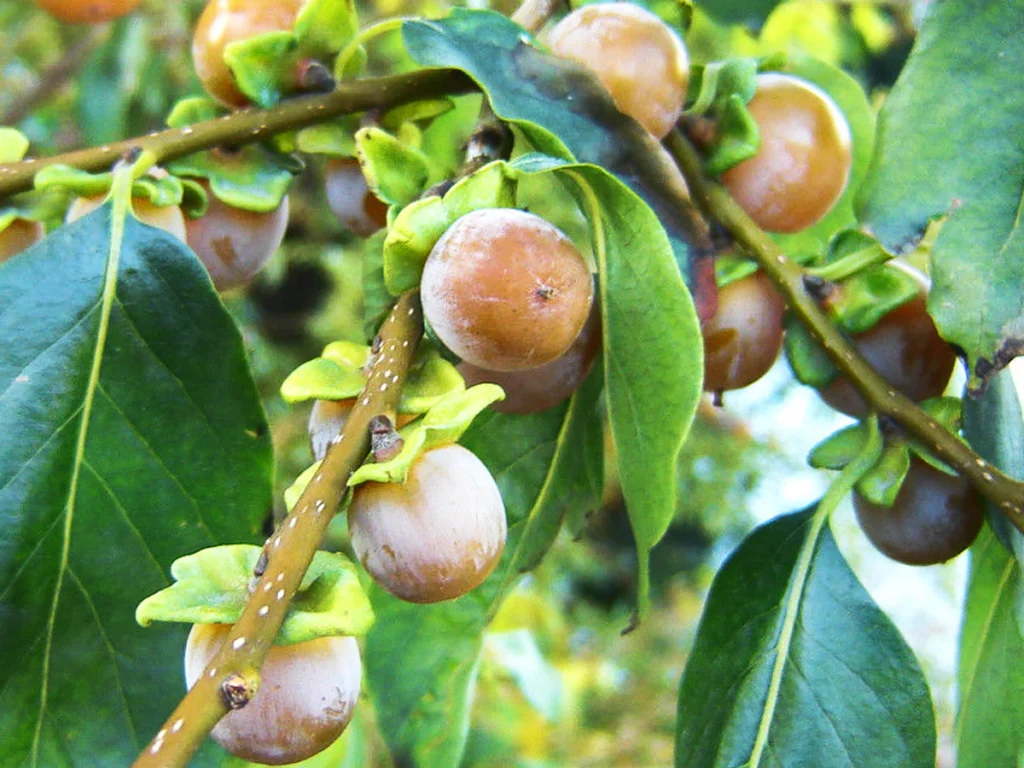

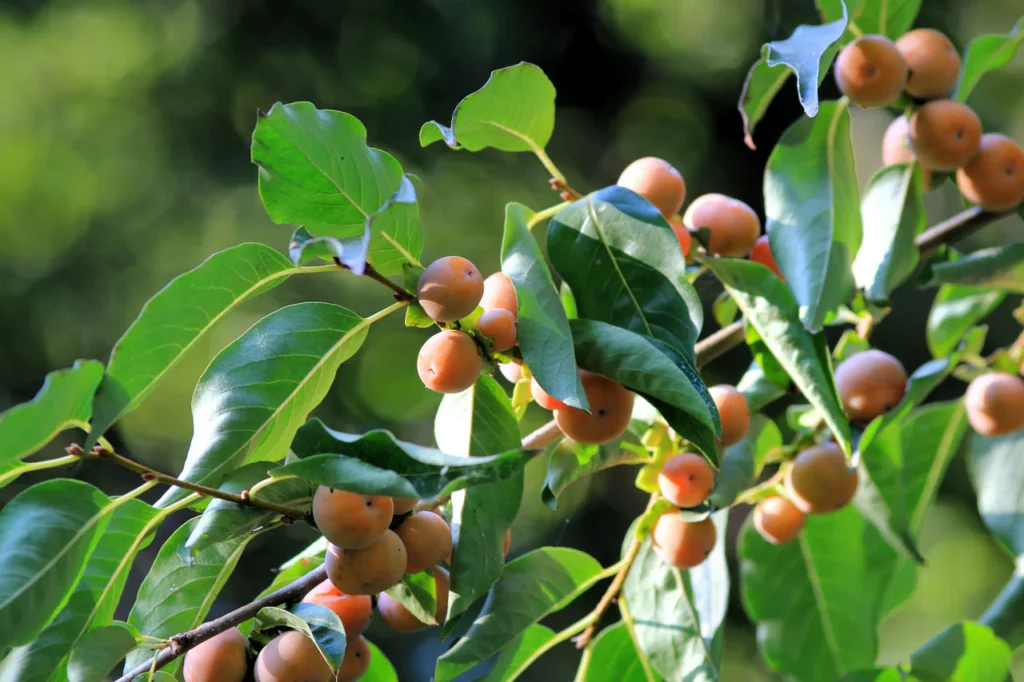
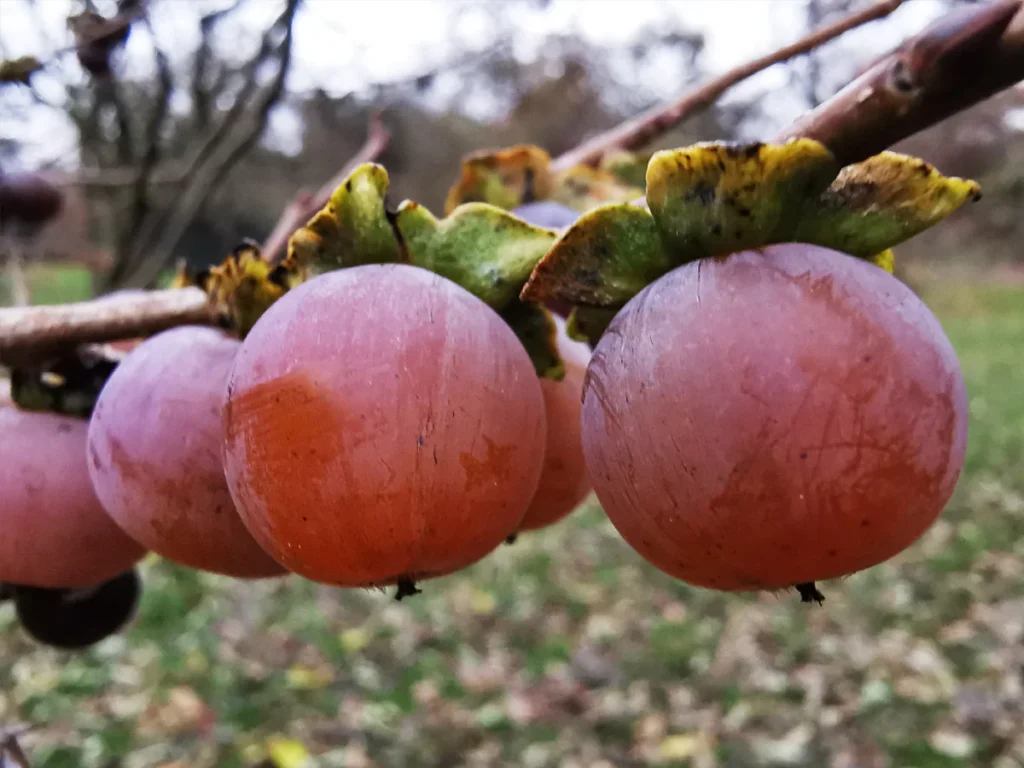
How to Grow, Propagate, Harvest & Use Date Plum (Diospyros lotus): Complete Guide
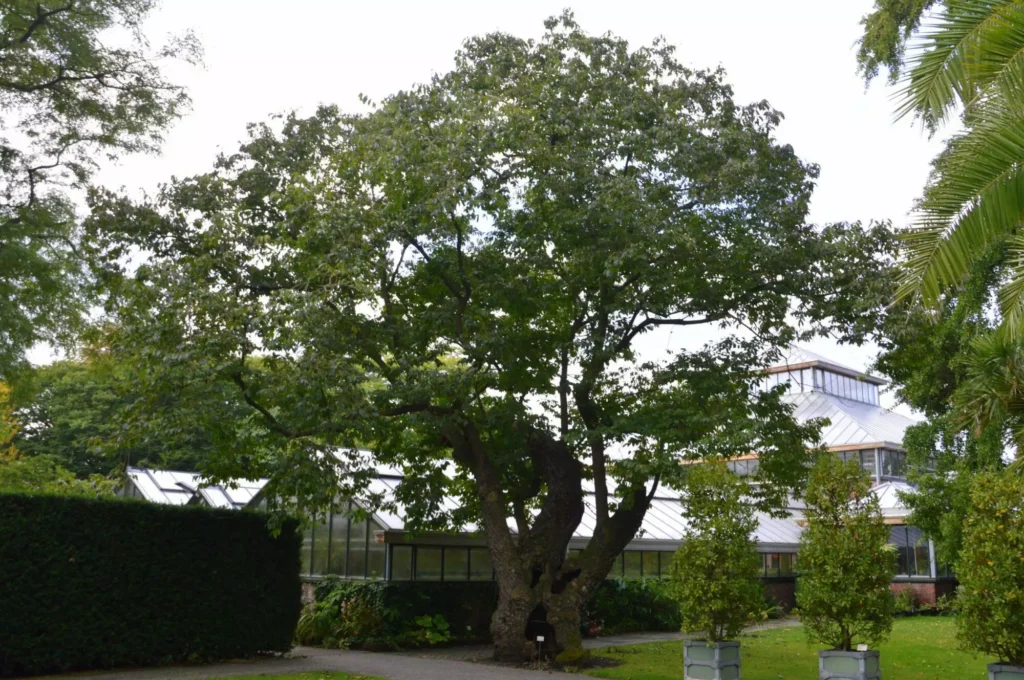
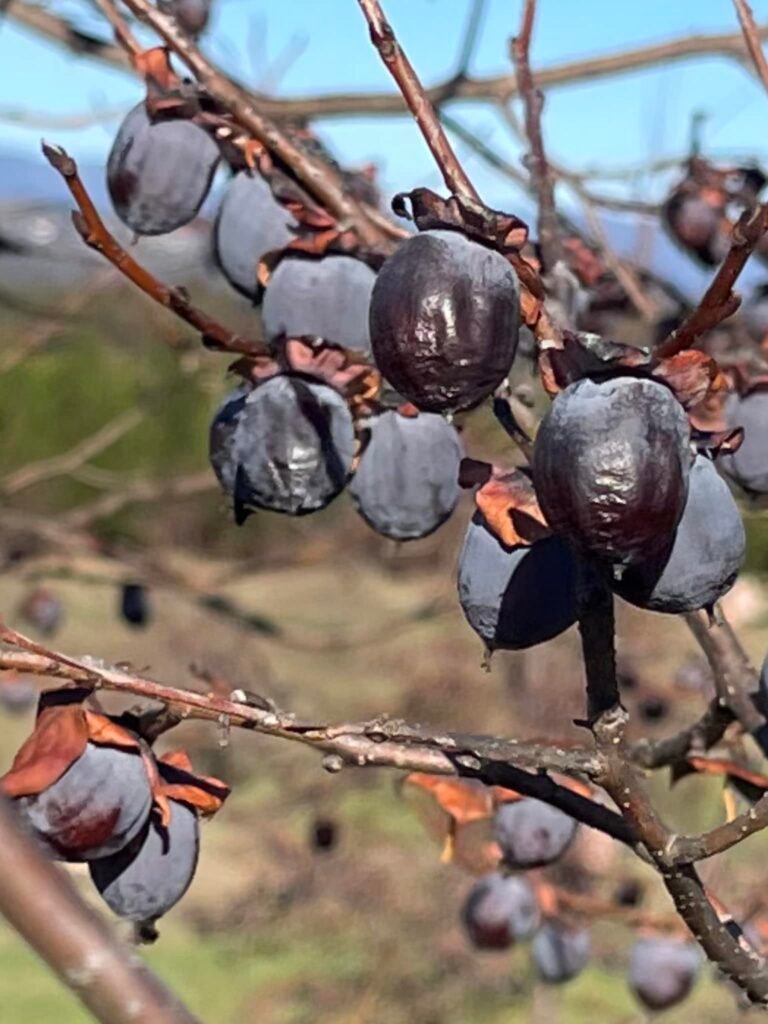
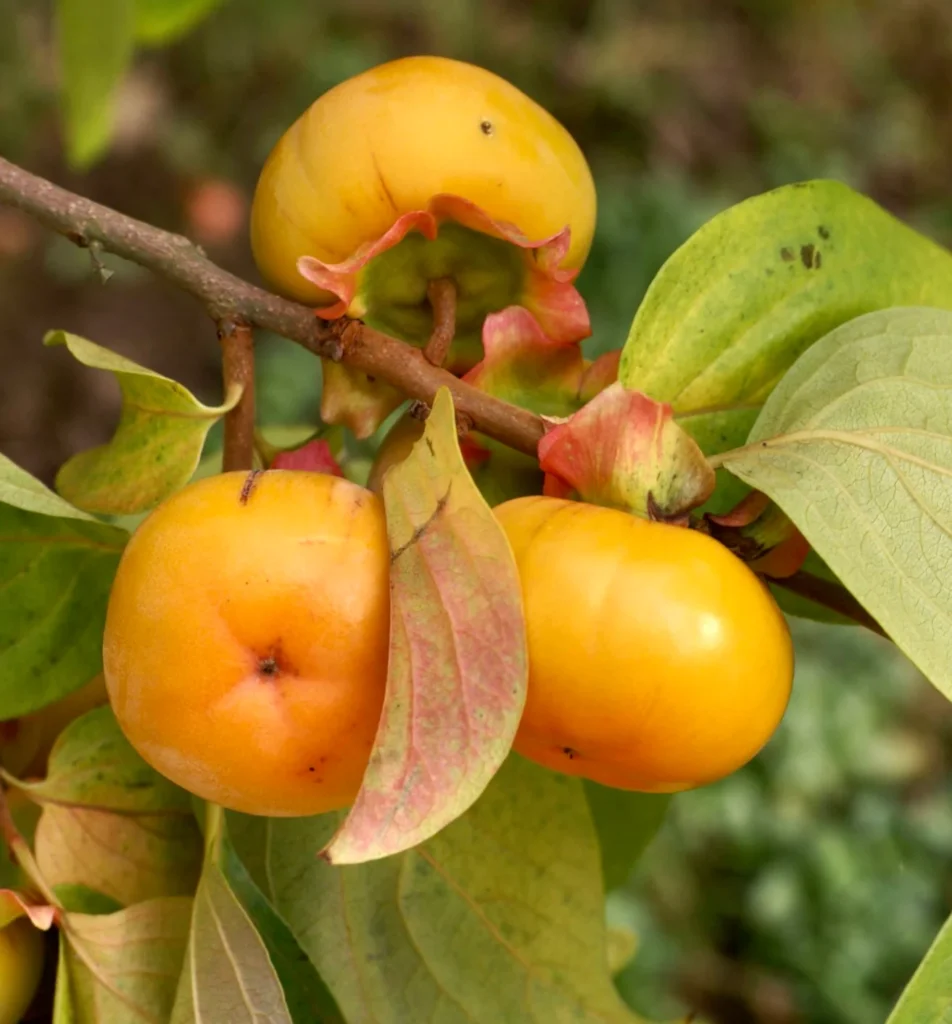
The Date Plum (Diospyros lotus) — often called “Lilac Persimmon,” “Caucasian Persimmon,” or “God’s Fruit” — is an ancient fruit tree beloved for its sweet, date-and-plum-like flavors and glossy blackish fruits. Native to Asia and the Caucasus region, it has been cultivated for centuries for both ornamental beauty and food value.
Below is a detailed guide on cultivation, propagation, varieties, culinary uses, and harvest timing.
What Makes Date Plum Unique
- Flavor profile: Honeyed, date-like sweetness with hints of plum and cocoa.
- Fruit type: Small, usually 1–2 cm diameter.
- Texture: Firm when unripe; melts to jelly-like softness when ripe.
- Botanical family: Ebenaceae (same family as persimmons).
- Tree appeal: Attractive foliage, excellent fall color, high ornamental value.
- Climate use: Performs well in Mediterranean, temperate, and subtropical climates.
Its unique flavor, nutritional density, and adaptability are helping it reemerge in modern specialty orchards and edible landscapes.
How to Grow Date Plum
Hardiness & Climate
- USDA Zones: 6–10
- Best suited for warm summers + mild to moderately cold winters.
- Thrives in continental climates with long growing seasons.
Soil Requirements
- Well-drained loam or sandy loam
- pH: 5.5–7.5
- Moderate organic matter; tolerates poor soil once established
Sun Exposure
- Full sun for superior fruit production
- Partial shade decreases sugar content and overall yield
Watering
- Drought tolerant once mature
- Best yields with deep, infrequent irrigation
- Young trees require consistent moisture
Spacing
- Mature width: 4–6 m
- Plant 4–5 m apart in orchard rows
- Avoid crowded planting for airflow & disease prevention
Fertilization
- Spring nitrogen for vegetative growth
- Compost + potassium toward summer for fruit quality
- Avoid heavy nitrogen late in season to prevent late, frost-sensitive growth
Propagation Methods
Date Plum can be propagated via:
1. Seed Propagation
- Cold stratify seeds for 60–90 days
- Germination rate improves with fresh seed
- Produces variable offspring (not true-to-type)
- Ideal for rootstock production
2. Grafting
Most common commercial method:
- Graft Diospyros lotus scions onto D. kaki or D. virginiana rootstocks for vigor and adaptability.
- Provides predictable fruiting and earlier yields.
3. Cuttings
Hardwood cuttings can root, though with lower success.
- Treat cut ends with rooting hormone
- Keep humid & warm during rooting phase
4. Suckers
Mature trees sometimes produce basal suckers
- Best transplanted during dormancy
- Highest genetic fidelity besides grafting
Common Varieties & Local Selections
Unlike Asian and American persimmons, Date Plum varieties are mostly regional and selected by tradition rather than standardized commercial naming.
Common informal types include:
• Large-Fruited Caucasian Type
- Slightly larger berries
- Rich purple-black coloration
- Higher fresh eating quality
• Central Asian Type
- Superior drying characteristics
- Intense date-like sweetness
- Favorable for confectionery uses
• Mediterranean Ornamental Type
- Selected for foliage & tree form
- Fruit secondary to landscape value
Breeding programs are still emerging, so expect more named cultivars in future specialty orchard markets.
Pests & Diseases
Date Plum is impressively resilient. Common issues include:
- Scale insects
- Mealybugs
- Ants (due to honeydew)
- Leaf spot (wet climates)
- Fruit cracking (irregular irrigation)
Organic strategies include:
- Dormant oil spray in winter
- Mulching for moisture control
- Balanced pruning for airflow
Flowering & Pollination
- Typically dioecious (male & female trees separate)
- Some self-fertile types exist
- Pollination by insects & wind
- Fruit set significantly increased with both sexes present
- Bloom occurs late spring to early summer
Harvesting Date Plum
Fruit ripens late — often September through November depending on climate.
Indicators of readiness:
- Skin turns deep purple to black
- Fruit softens
- Astringency fades with ripeness or drying
- Birds show interest (a classic sign!)
Post-harvest, fruits can:
- Ferment slightly
- Shrivel into date-like candies
- Be cooked into sauces
- Be dried for winter storage
Nutritional & Health Benefits
Date Plum is rich in:
- Polyphenols
- Antioxidants
- Vitamin C
- Fiber
- Natural sugars
- Tannins
Traditionally valued for:
- Digestive support
- Anti-inflammatory effects
- Energy/tonic uses
Culinary Uses & Food Ideas
Date Plum fruit is naturally versatile. Use it:
Fresh
- Eaten fully ripe (jelly-soft!)
- Added to cheese boards
- Used as garnish for desserts
Dried
- Traditionally dried like dates
- Chewy, sugary texture
- Long shelf life; excellent snack food
Cooked
- Jam & preserves
- Syrups
- Pastes for pastries
- Slow-cooked reductions for sauces
Baked
In pies, cakes, and sweet breads:
- Pairs well with chocolate, cinnamon, vanilla, nutmeg
Fermented
Historically used to produce low-alcohol fruit wines or syrups (regional traditions vary)
Landscape & Homestead Uses
Beyond food, Date Plum is appreciated for:
- Ornamental tree form
- Fall foliage
- Pollinator support
- Shade & habitat value
- Windbreak potential (in clusters)
- Rootstock for grafting persimmons
When to Plant Date Plum
Best planted during:
- Late winter to early spring in cold climates
- Fall to early winter in warm climates
Bare root trees perform exceptionally well when planted dormant.
Tips for Maximum Yield & Flavor
To boost fruit quality:
✔ Ensure full sun exposure
✔ Thin excessive fruit in heavy years
✔ Maintain even watering during fruit expansion
✔ Allow full ripening — flavor transforms late
✔ Consider dual planting for pollination support
Final Thoughts
Date Plum (Diospyros lotus) is a low-maintenance, high-reward fruit tree with ancient cultural value and modern culinary potential. From drying into natural “dates” to baking into spiced confections, it offers flavor and nutrition with minimal orchard inputs.
Whether planted for food, ornamental value, or biodiversity, it fits beautifully into home gardens, climate-resilient landscapes, and specialty orchards.

&media=https://food-foresting.com/wp-content/uploads/2026/01/Diospyros-lotus-1.jpg)