
 paulius.mikoliunas1
| Common Name | Toringo crab |
| Family | Rosaceae |
| USDA hardiness | 4-8 |
| Known Hazards |  All members of this genus contain the toxin hydrogen cyanide in their seeds and possibly also in their leaves, but not in their fruits. Hydrogen cyanide is the substance that gives almonds their characteristic taste but it should only be consumed in very small quantities. Apple seeds do not normally contain very high quantities of hydrogen cyanide but, even so, should not be consumed in very large quantities. In small quantities, hydrogen cyanide has been shown to stimulate respiration and improve digestion, it is also claimed to be of benefit in the treatment of cancer. In excess, however, it can cause respiratory failure and even death. All members of this genus contain the toxin hydrogen cyanide in their seeds and possibly also in their leaves, but not in their fruits. Hydrogen cyanide is the substance that gives almonds their characteristic taste but it should only be consumed in very small quantities. Apple seeds do not normally contain very high quantities of hydrogen cyanide but, even so, should not be consumed in very large quantities. In small quantities, hydrogen cyanide has been shown to stimulate respiration and improve digestion, it is also claimed to be of benefit in the treatment of cancer. In excess, however, it can cause respiratory failure and even death. |
| Habitats | Mountains. |
| Range | E. Asia – Japan. |
| Edibility Rating |   (2 of 5) (2 of 5) |
| Other Uses |  (0 of 5) (0 of 5) |
| Weed Potential | No |
| Medicinal Rating |  (0 of 5) (0 of 5) |
| Care (info) |     |
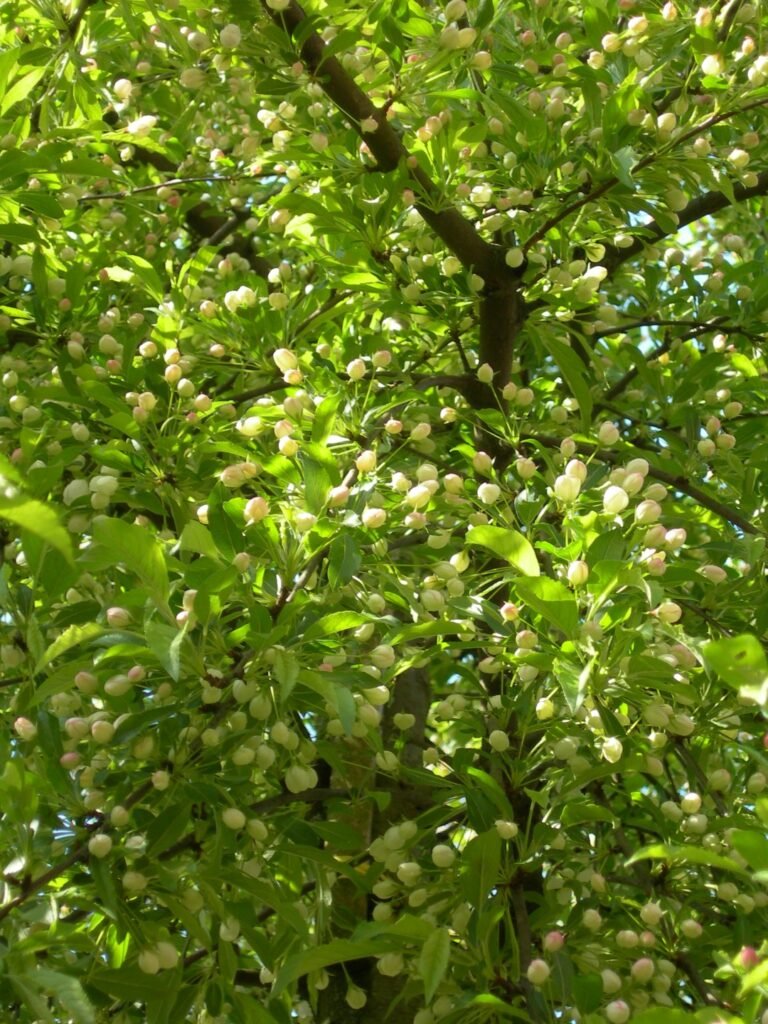
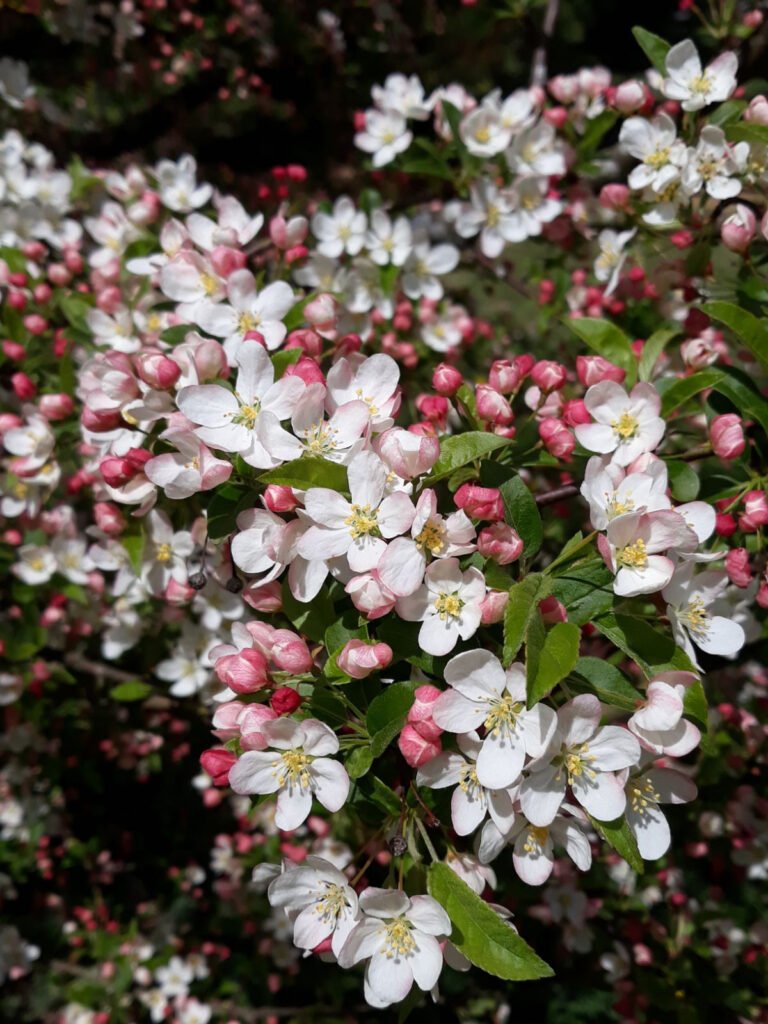
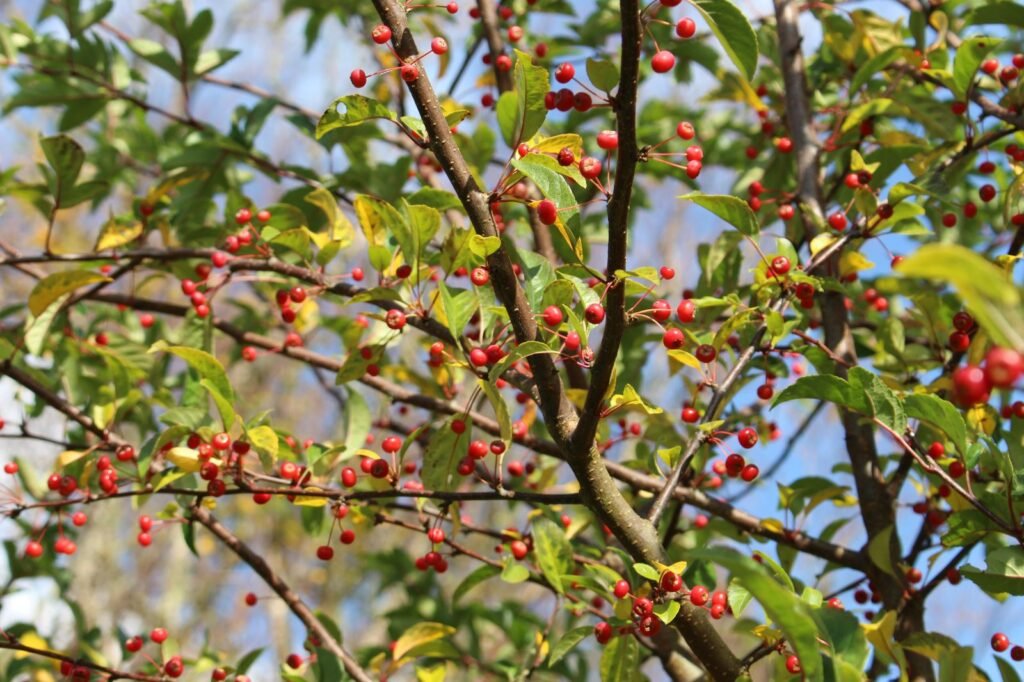
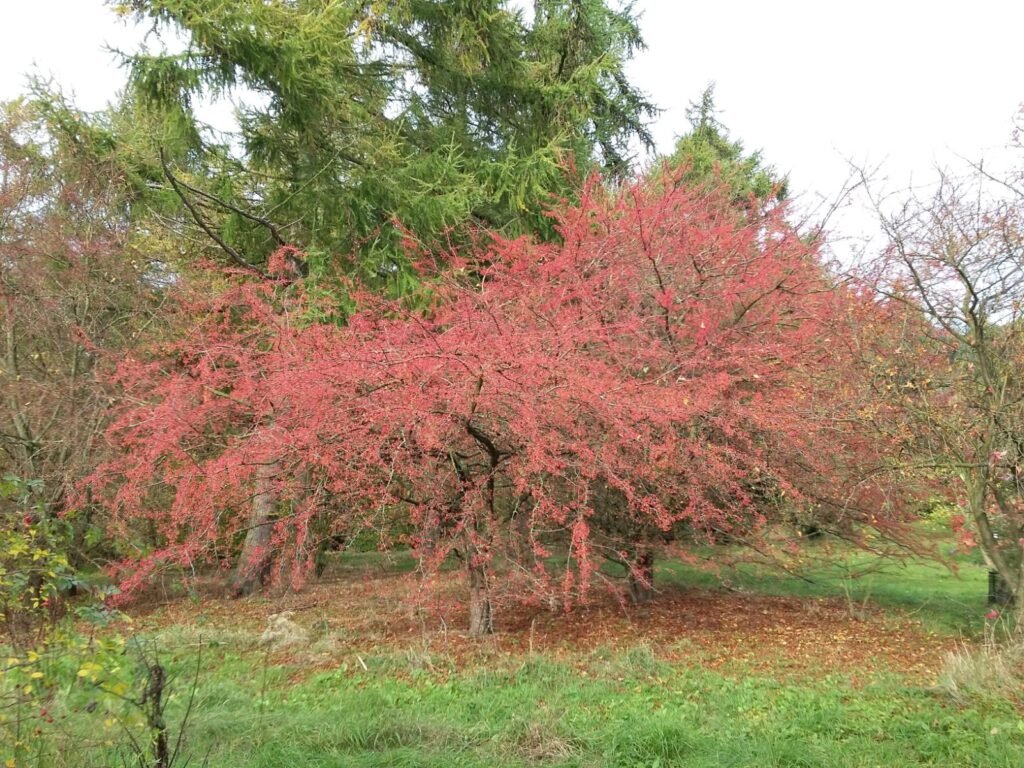
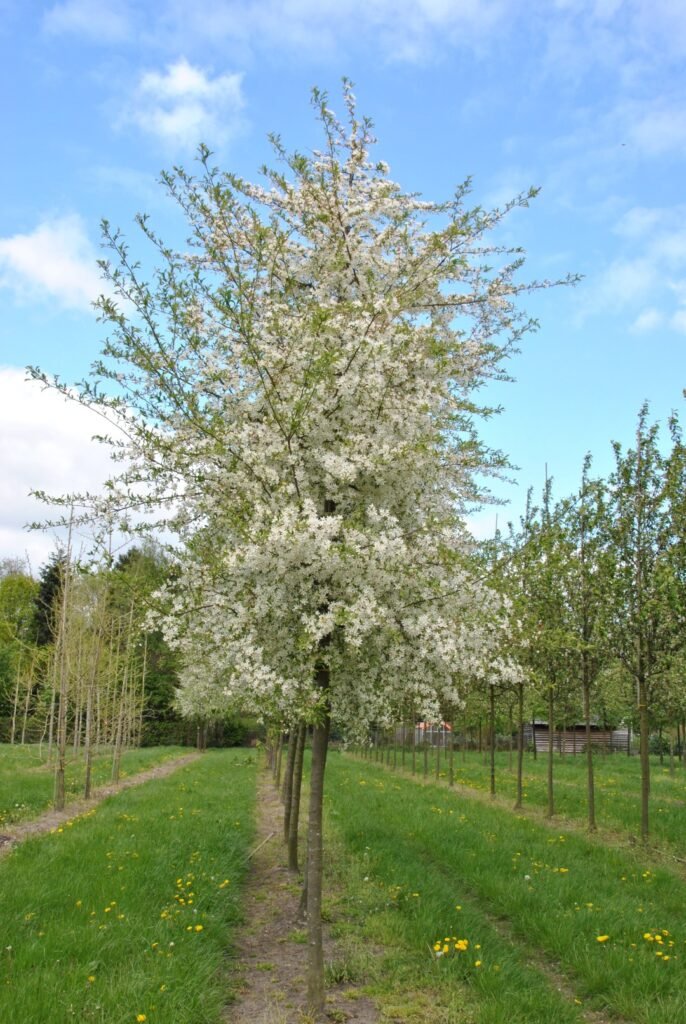
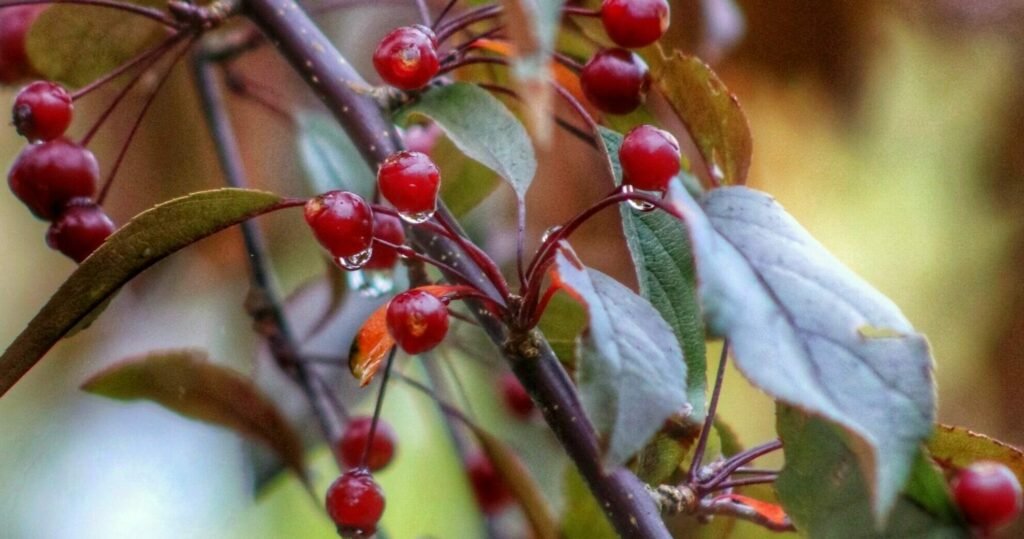
Toringo Crab (Malus toringo): Cultivation, Propagation, Varieties, Uses & Harvest Guide
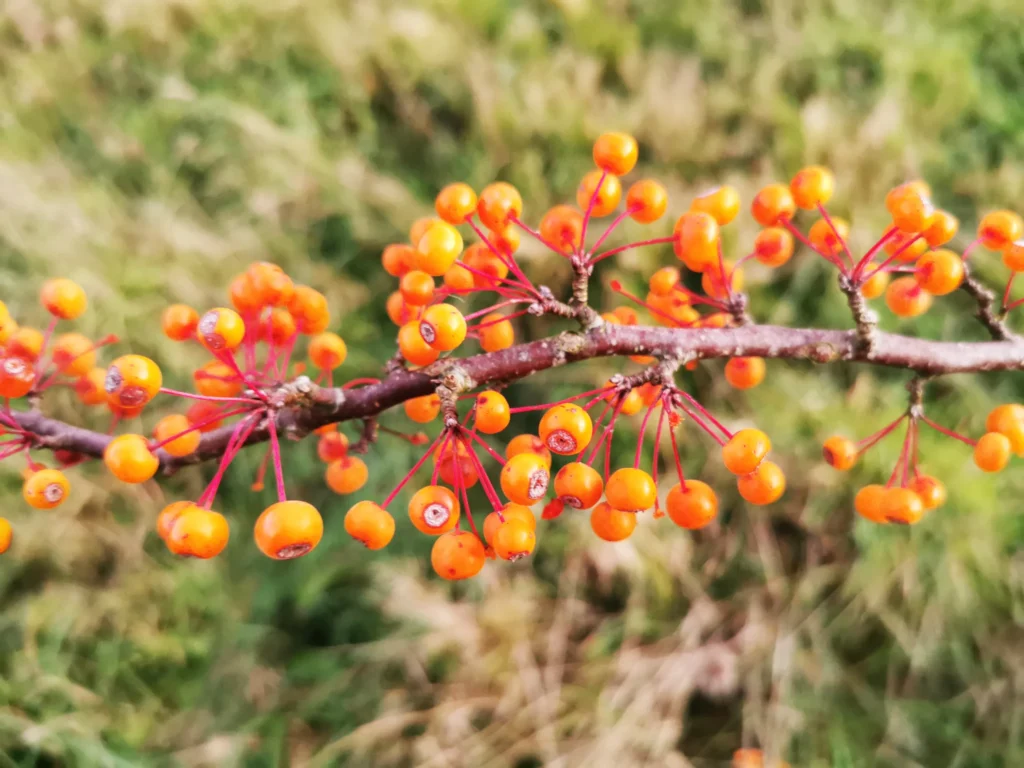
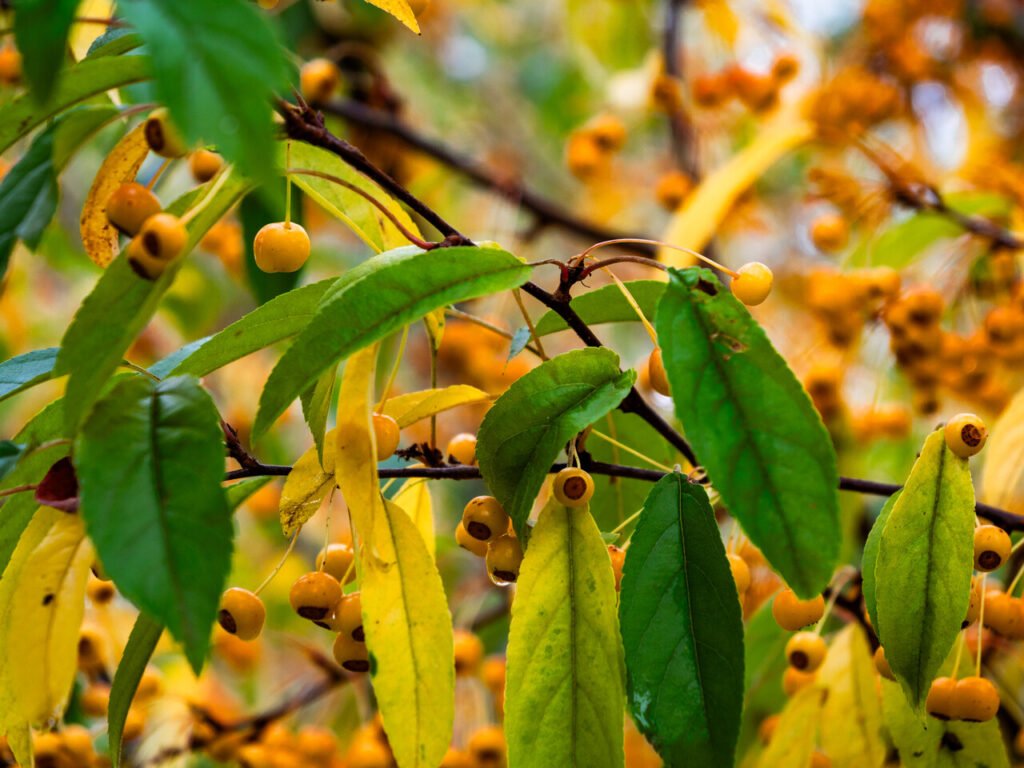
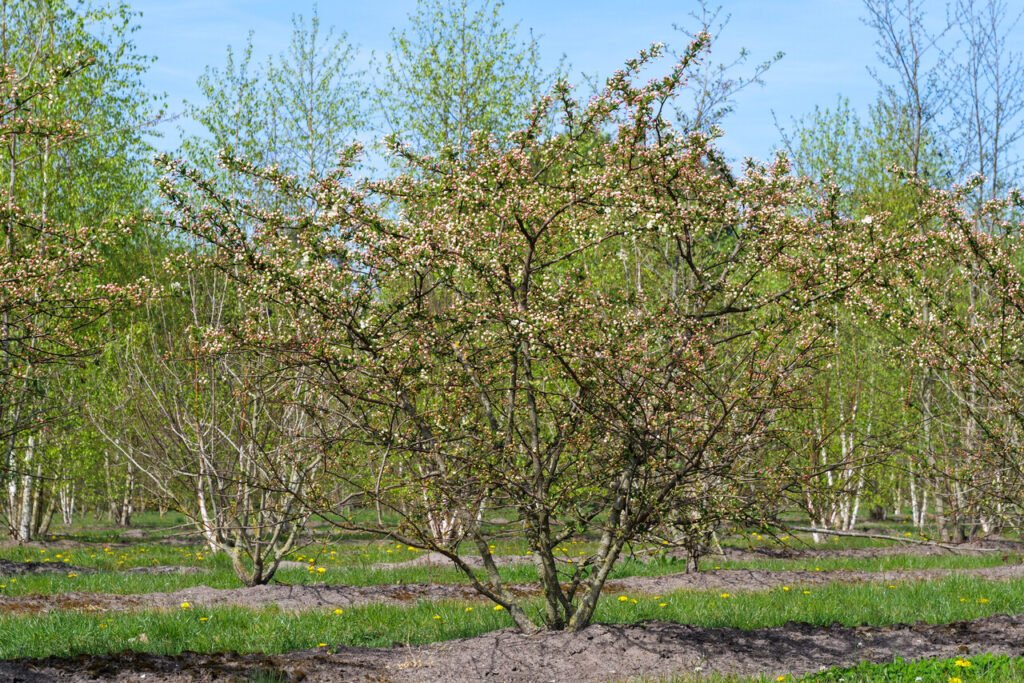
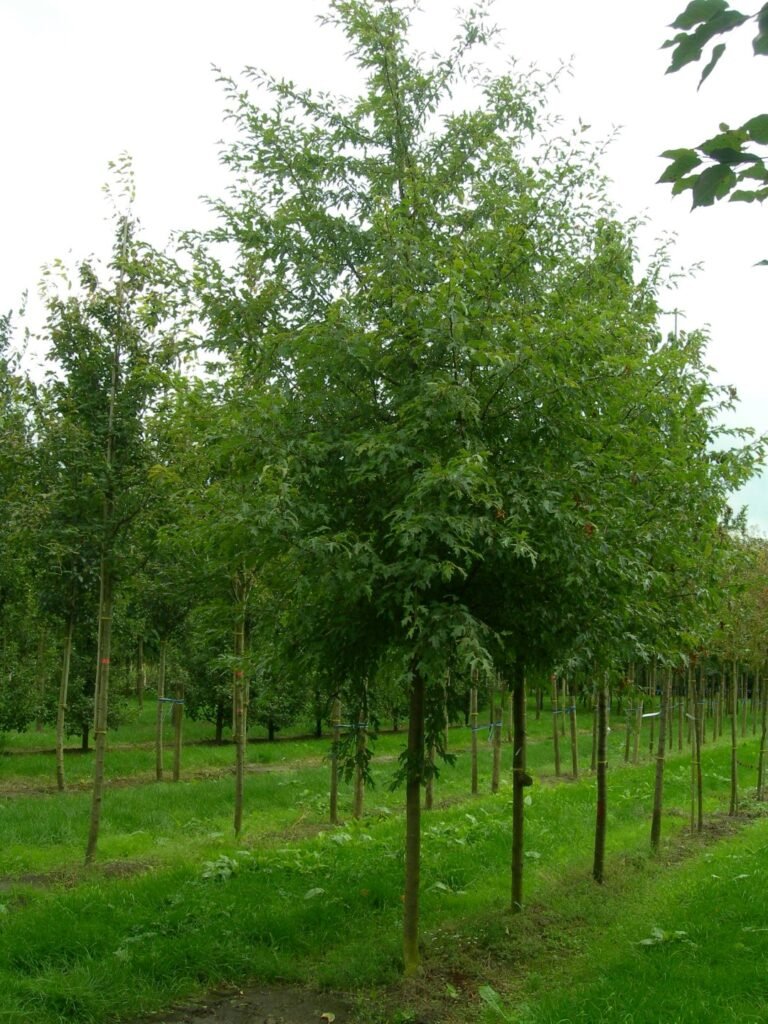
The Toringo crab (Malus toringo), sometimes known as the Siebold crabapple or Toringo crabapple, is a compact, ornamental apple species cherished for its miniature fruit, profuse spring blossoms, and impressive pollinator value. While mostly grown as a decorative tree, its tiny fruits also play surprising roles in culinary, ecological, and medicinal contexts.
This guide explains how to grow, propagate, choose cultivars, use the fruit, harvest efficiently, and incorporate Toringo crabs into food—ideal for home gardeners, orchard designers, and edible landscaping enthusiasts.
What Makes Toringo Crab Unique?
Botanical Snapshot
- Species: Malus toringo
- Family: Rosaceae
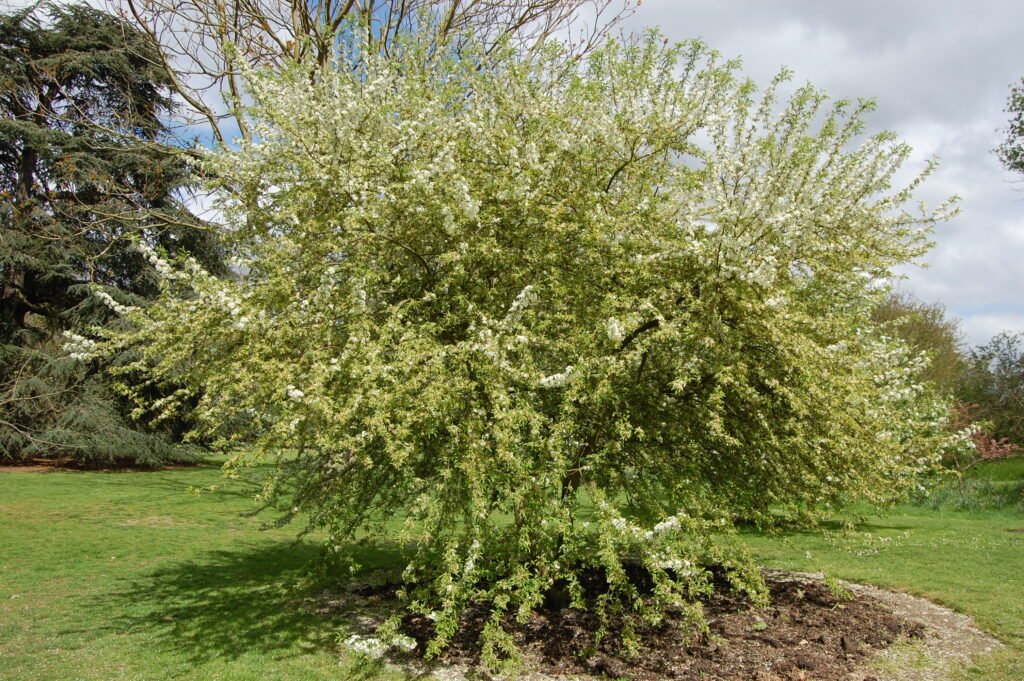
- Type: Deciduous small tree/shrub
- Height: 6–20 ft (compact, naturally rounded)
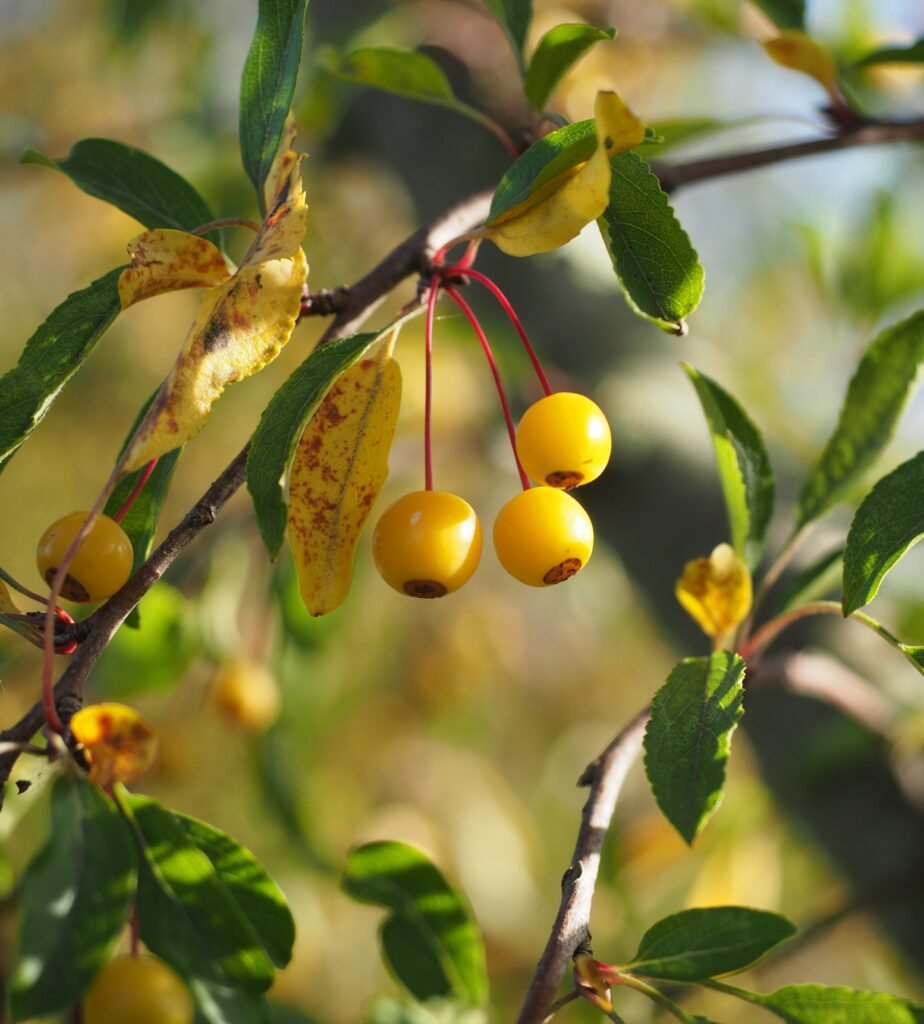
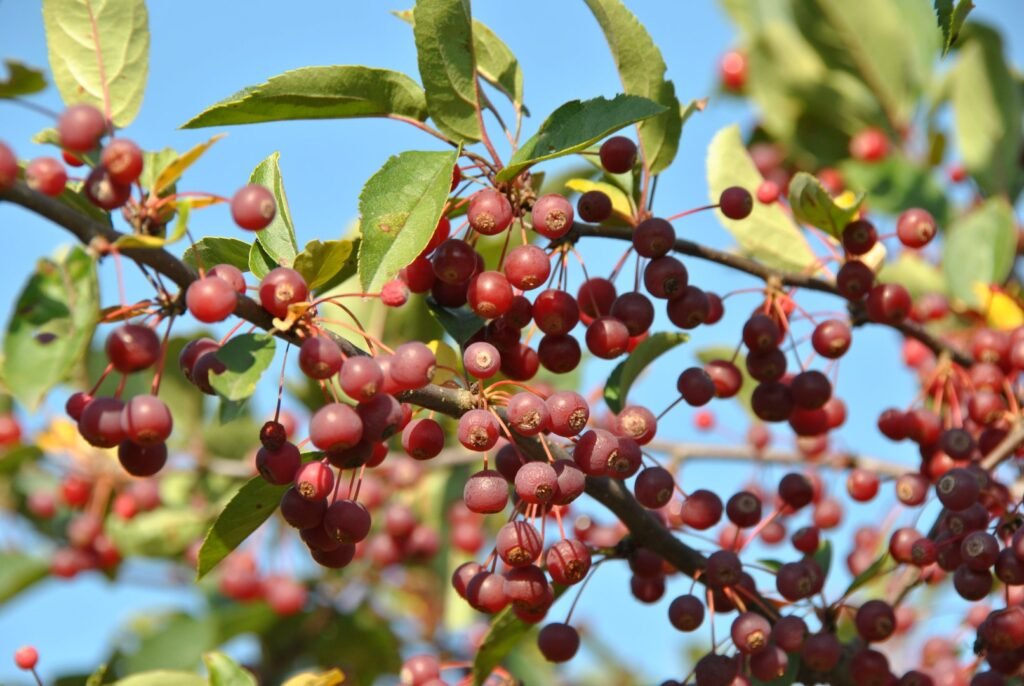
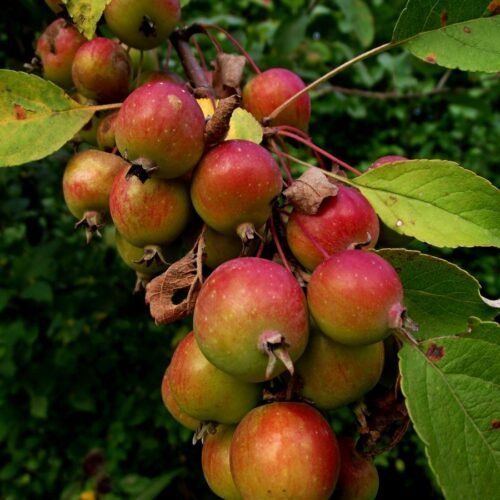
- Fruit: Tiny, tart crabapples (0.25–0.5 in)
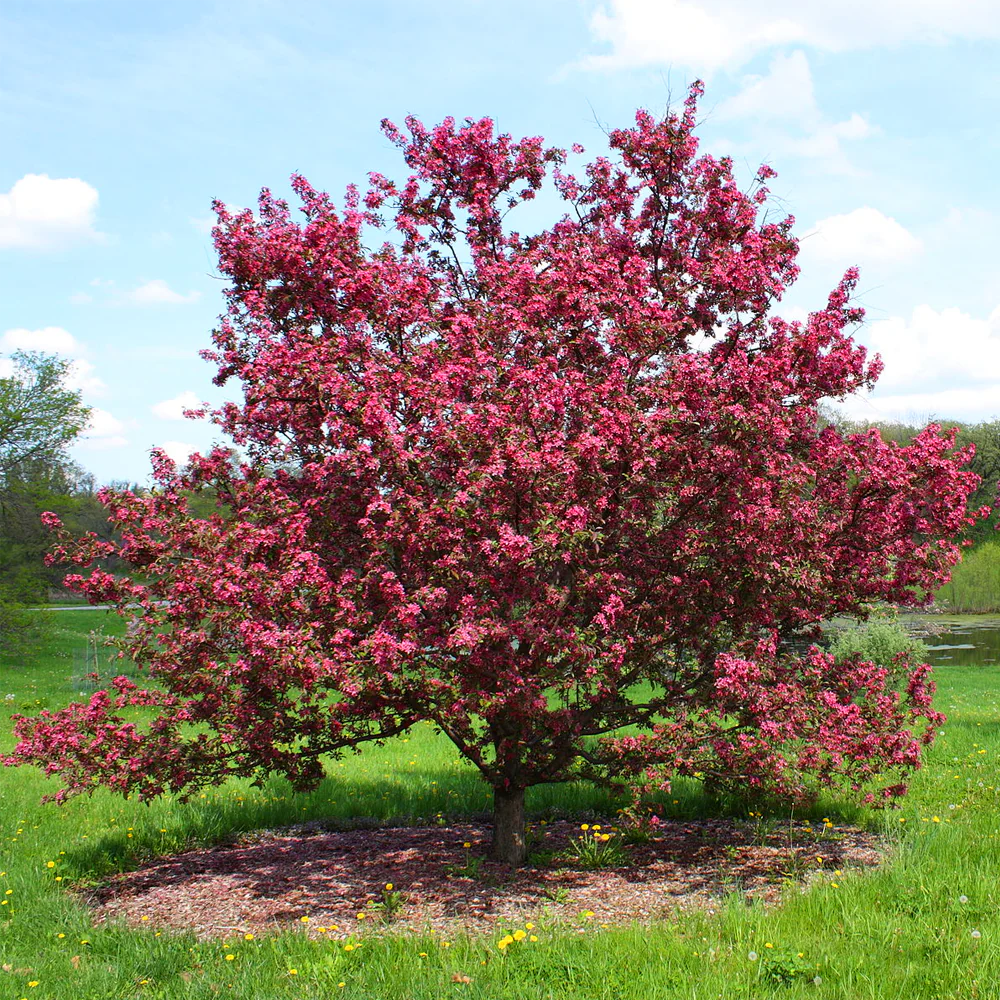
- Bloom Time: Spring, heavy pollinator attraction
- Hardiness: Zones ~4–8 (varies by cultivar)
While not widely commercialized, Toringo crab excels in small gardens, urban orchards, wildlife landscapes, and aesthetic borders.
Growing Toringo Crab: Site, Soil & Care
Ideal Climate & Location
Toringo crab thrives in temperate climates with:
- Cold winters for dormancy
- Moderate moisture
- Full sun exposure (≥ 6 hours/day)
Shaded sites reduce both bloom and fruit set.
Soil Requirements
Best performance occurs in:
- Loamy, well-drained soils
- Slightly acidic to neutral pH (6.0–7.0)
Avoid heavy clay unless amended, as persistent saturation increases apple scab and root issues.
Planting Tips
When planting:
- Dig a hole twice as wide as the root ball
- Loosen surrounding soil for easy root expansion
- Set crown at soil level
- Water deeply to settle soil
Mulch with bark/wood chips to retain moisture and suppress weeds (keep away from trunk to prevent rot).
Watering & Fertilization
- Young trees: Regular watering during first 1–3 years
- Mature trees: Drought tolerant but fruiting improves with consistent moisture
- Fertilizer: Balanced spring organic fertilizer encourages bloom set; avoid heavy nitrogen (can reduce flowering)
Pruning & Maintenance
Toringo crab forms a natural dome shape, requiring minimal pruning beyond:
- Removing crossing/weak branches
- Storm damage cleanup
- Light shaping for airflow
Dormant winter pruning yields best results.
Propagation of Toringo Crab
There are three common propagation pathways:
1. Seed Propagation
Produces genetic variation—useful for breeding or pollinator projects.
- Requires cold stratification
- Not ideal for preserving cultivar uniformity
2. Grafting (Most Common)
Orchard standard method
- Produces consistent fruit, size, and ornamental traits
- Typically grafted onto dwarfing or semi-dwarf apple rootstock
3. Cuttings
Semi-hardwood cuttings can root with hormone assistance, though success rates vary.
Top Varieties & Ornamentals
Toringo-related cultivars & hybrids offer diverse aesthetics:
✔ ‘Scarlett’ — noted for purple foliage & intense pink blooms
✔ ‘Tina’ — dwarf (3–5 ft), heavy fruiting, excellent for pots & bonsai
✔ ‘Jackii’ — stunning spring blossoms, compact
✔ Hybrid Toringo Crabs — common in landscape breeding for color & resilience
Several crabapples marketed as “dwarf ornamental” involve Malus toringo genetics due to its size and form advantages.
Flowering, Pollination & Ecological Benefits
Toringo crabs shine during spring bloom:
- Nectar-rich flowers attract bees, butterflies, and beneficial insects
- Provide cross-pollination benefits to other domestic apples
Even if fruit isn’t harvested, Toringo contributes significantly to urban biodiversity.
Fruit Harvest: Timing & Techniques
When to Harvest
Toringo crab fruits ripen:
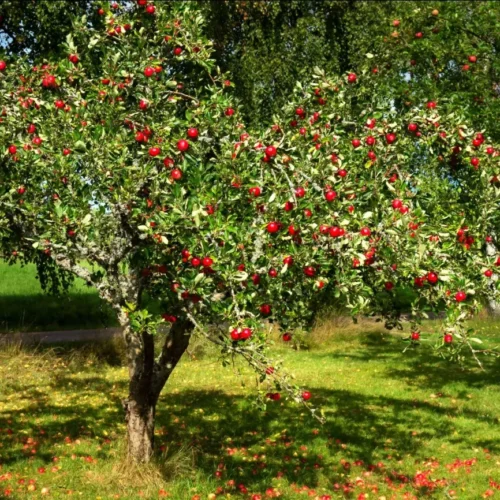
- Late summer to mid autumn (region-dependent)
- Fruits should be firm, colored, and detach easily
How to Harvest
For edible uses:
- Hand pick clusters gently
- Avoid bruising for best quality
For wildlife or decorative use, trees can be left unharvested—birds will gradually clear fruit over winter.
Food Uses & Culinary Applications
Although tiny and tart, Toringo crab fruits are surprisingly versatile.
Common Culinary Uses
✔ Jellies & jams — high natural pectin makes them ideal
✔ Chutneys & relishes — pairs well with spice, vinegar, and sugar
✔ Crabapple butter — similar to apple butter but tangier
✔ Syrups & cordials — concentrated flavor for beverages
✔ Pickled crabapples — traditional in some regions
✔ Fermentation — can supplement cider blends for acidity
Their acidity helps balance sweet dishes, while the vivid red/pink skin imparts natural color.
Nutritional & Medicinal Notes
Crabapples are modest sources of:
- Vitamin C
- Antioxidants
- Polyphenols
- Dietary fiber
Historically, sour crabapples were used for:
- Tannins in traditional medicine
- Digestive tonics
- Flavor extracts
Not widely commercialized today, but interest is returning through artisan preserves and wild-foraged cuisine.
Landscape & Functional Uses
Beyond food, Toringo crab serves as:
✔ Pollinator attractor
✔ Bonsai specimen
✔ Compact hedging tree
✔ Decorative patio container plant
✔ Autumn color accent
✔ Bird & wildlife food source
Its small size allows placement where standard apples do not fit.
Pests & Diseases
Common issues mirror other apples:
- Apple scab
- Cedar apple rust
- Fire blight
- Aphids & caterpillars
Cultivar selection significantly improves disease resistance.
Harvest Storage & Processing
Fresh storage window is short:
- Refrigerate at high humidity
- Ideal for immediate processing into preserves
Freezing whole crabapples for later jelly-making is a popular strategy.
Is Toringo Crab Worth Growing?
For small-space gardeners, edible landscapers, and pollinator supporters, Toringo crab offers a unique blend of:
- Compact growth
- Spectacular blossoms
- Wildlife benefits
- Edible fruit
- Low maintenance
It stands out as a decorative yet practical tree that bridges the gap between ornamental horticulture and edible gardening.
SEO Takeaways (Summary)
Primary Keywords
- Toringo crab
- Malus toringo
- Toringo crabapple
- Crabapple varieties
- Growing ornamental apples
Secondary Keywords
- Edible crabapples
- Bonsai crabapple
- Pollinator trees
- Crabapple jelly
- Dwarf apples for small gardens
Semantic Topics
- propagation
- harvest
- food uses
- pollination
- landscape design
- fruit processing
Optimized for garden, orchard, and culinary search intent.


&media=https://food-foresting.com/wp-content/uploads/2026/01/IMG_20221207_160614_2048x.webp)