
 paulius.mikoliunas1
| Common Name | Grape, Wine grape, Purpleleaf Grape, Common Grape |
| Family | Vitaceae |
| USDA hardiness | 6-10 |
| Known Hazards | None known |
| Habitats | Riversides and damp woods[200]. Grows on the banks of the Thames at Kew in Britain. |
| Range | Central and southern Europe; Northern Africa; Western Asia and the Caucasus. |
| Edibility Rating |  (5 of 5) (5 of 5) |
| Other Uses |   (3 of 5) (3 of 5) |
| Weed Potential | No |
| Medicinal Rating |   (2 of 5) (2 of 5) |
| Care (info) |      |
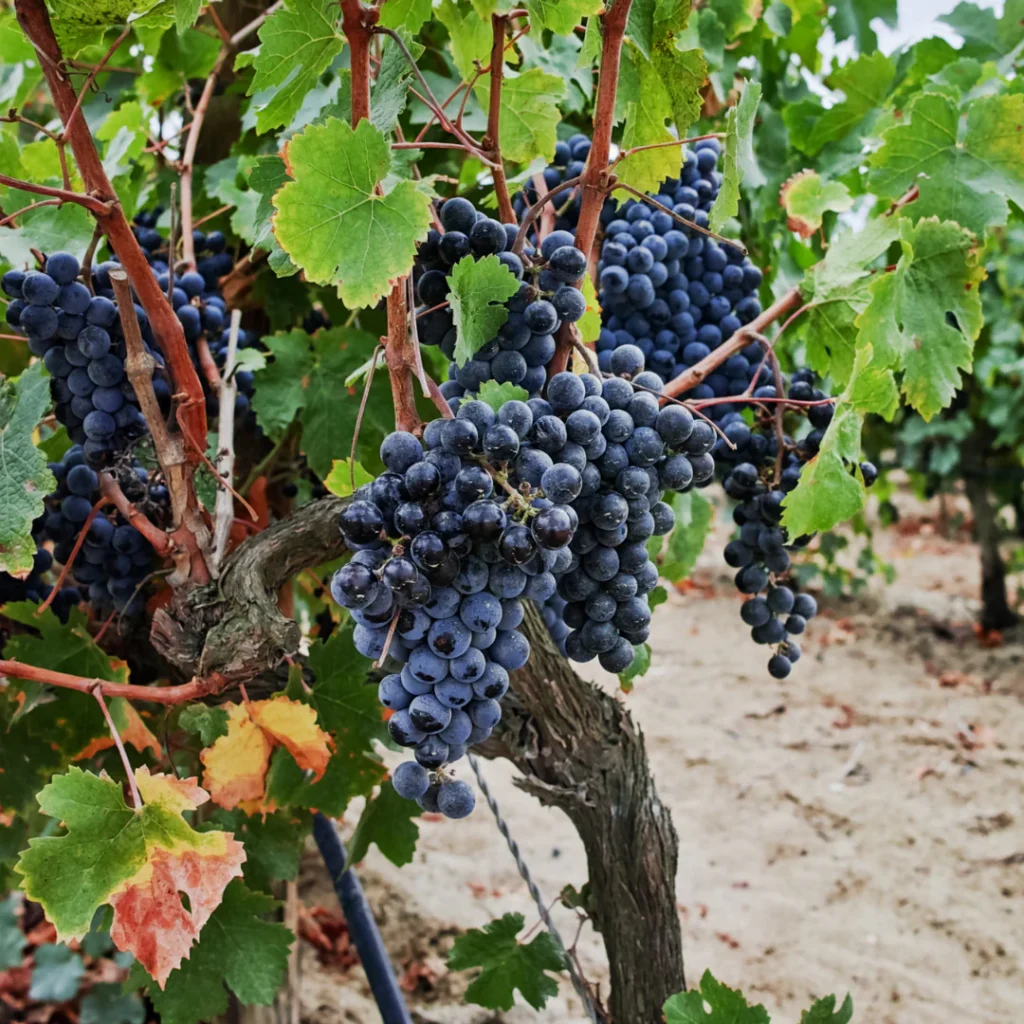
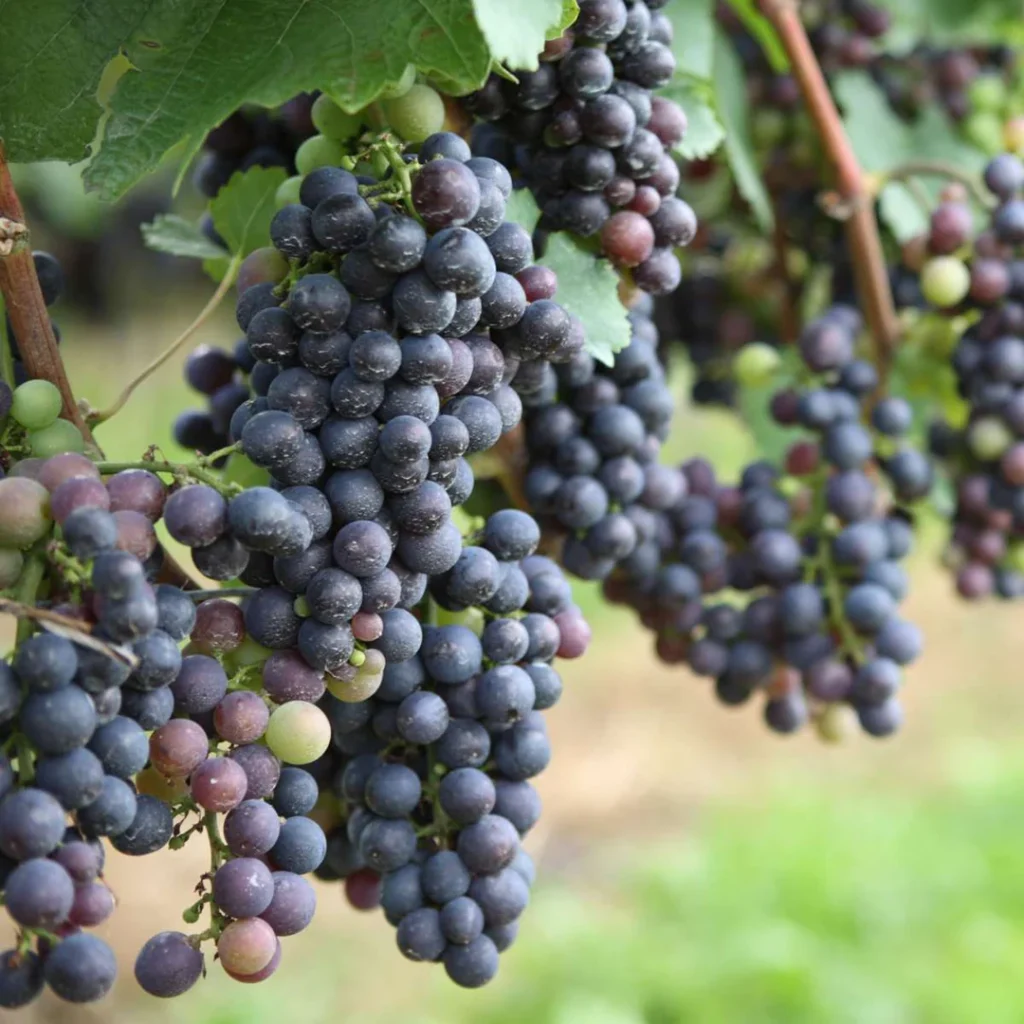
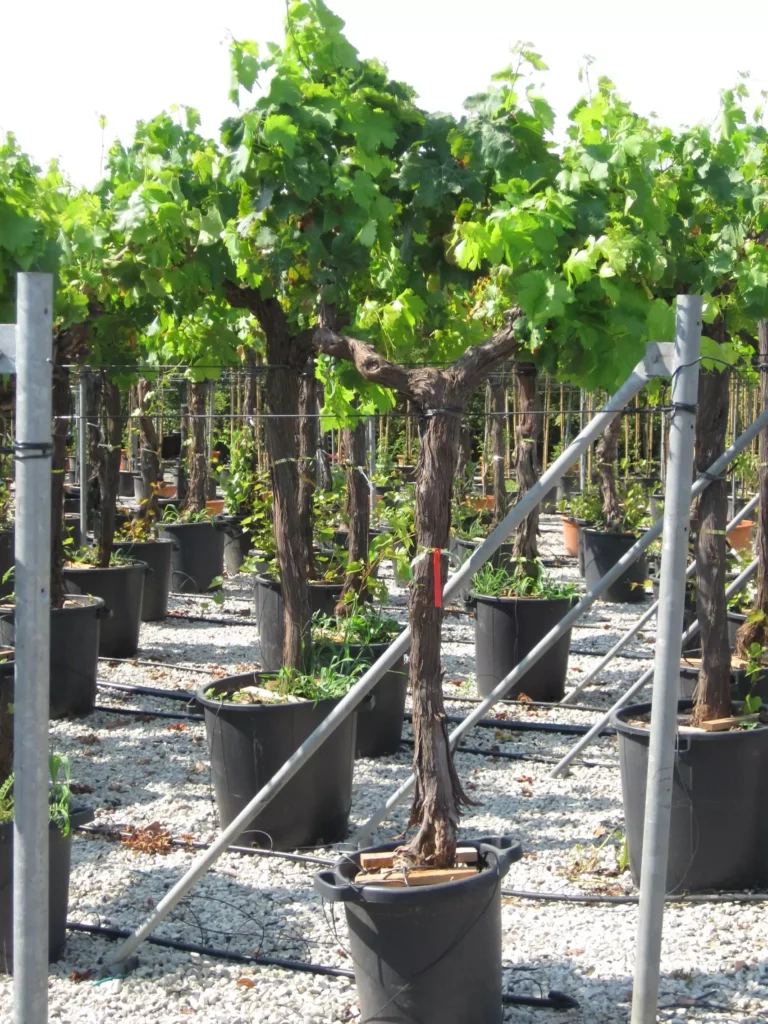
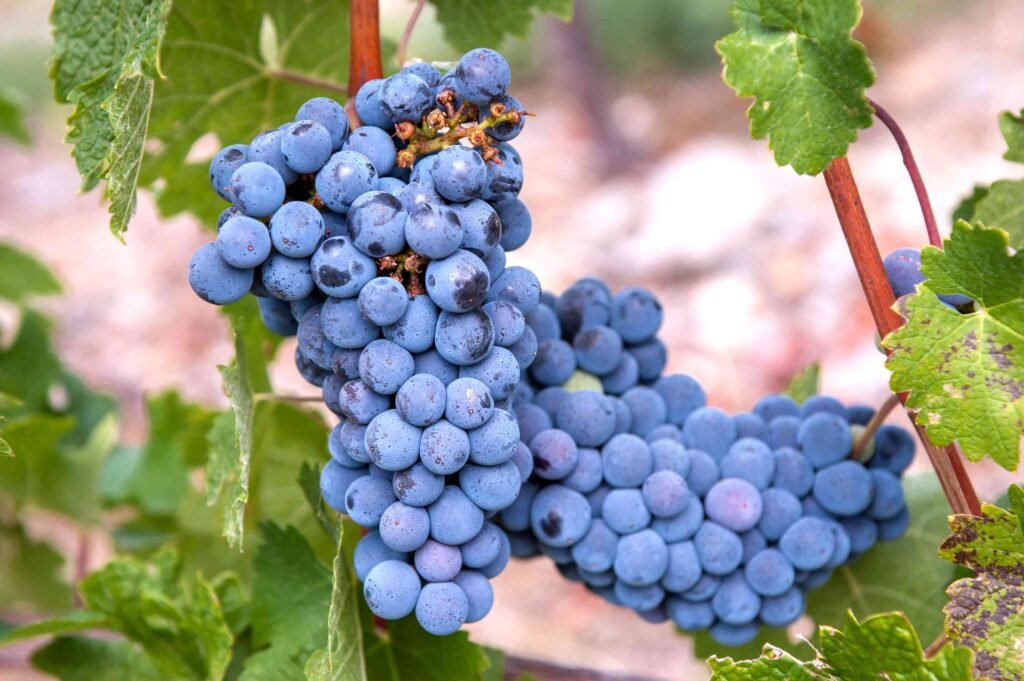
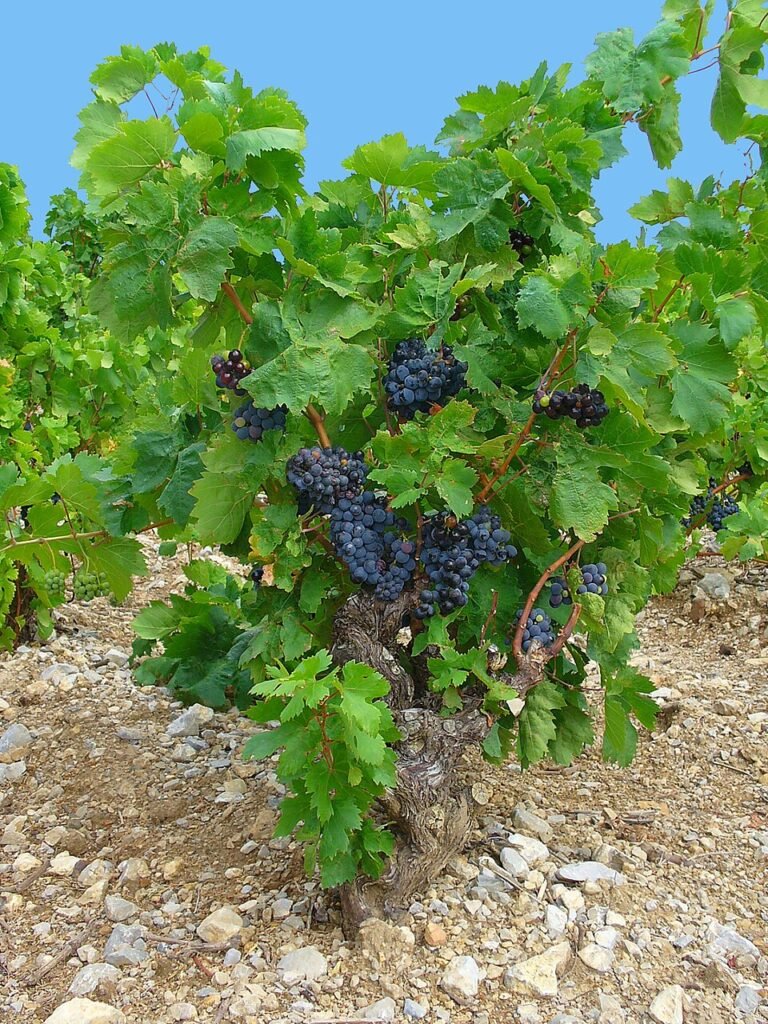
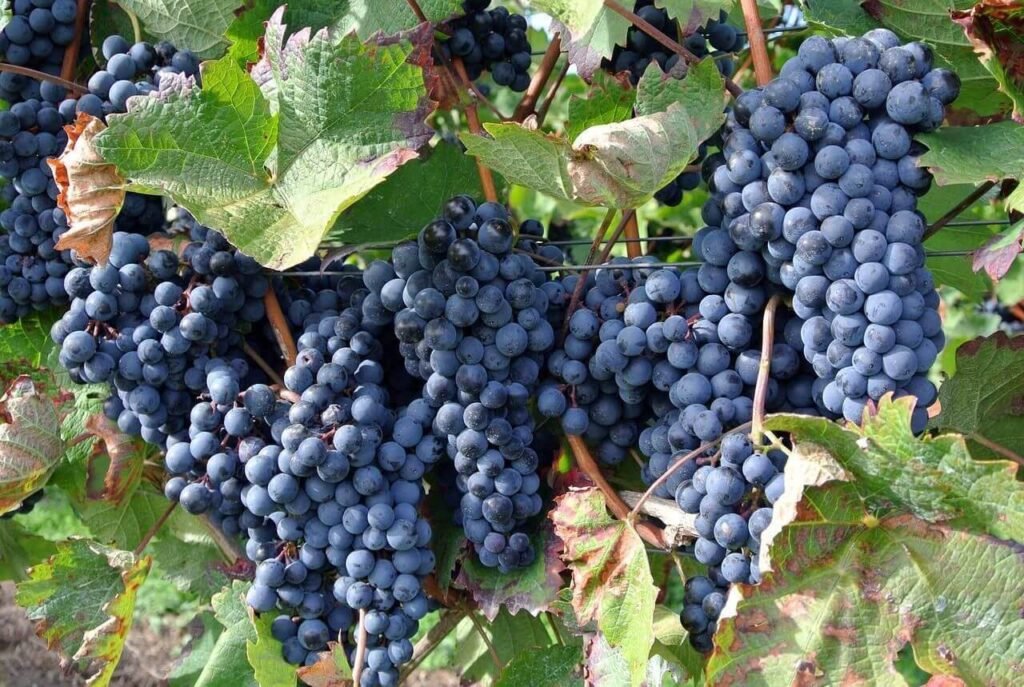
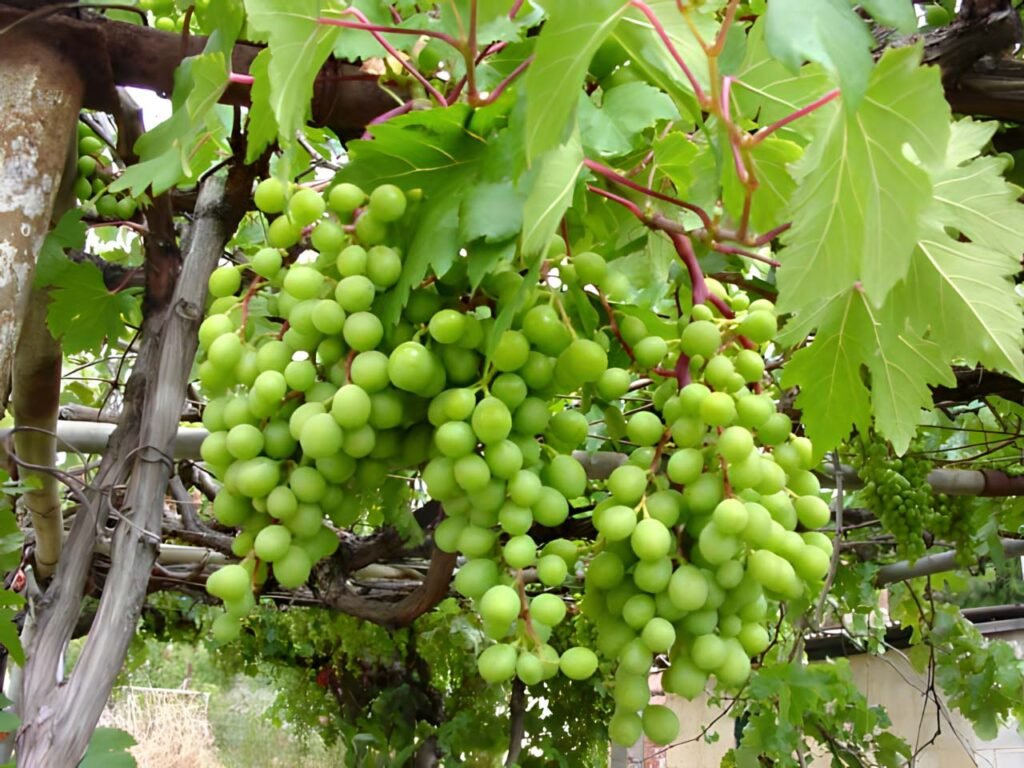
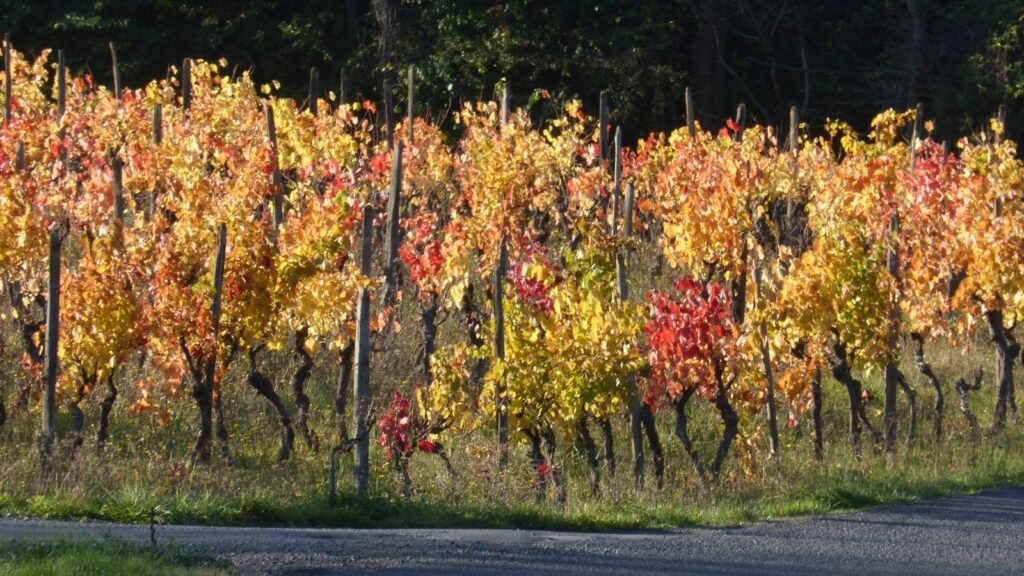
Common Grape (Vitis vinifera): Complete Guide to Growing, Propagation, Varieties, Uses, Food Options, and Harvesting
Common Grape (Vitis vinifera) is one of the world’s most celebrated fruit crops, valued for its versatility, flavor, and cultural importance. From fresh table grapes to wine, raisins, and gourmet dishes, this ancient vine continues to shape agriculture and cuisine across the globe.
In this comprehensive guide, you’ll learn how to grow grapes successfully, propagate grapevines, explore major varieties, understand culinary uses, and master harvesting techniques—everything you need to know about Vitis vinifera in one place.
What Is Common Grape (Vitis vinifera)?
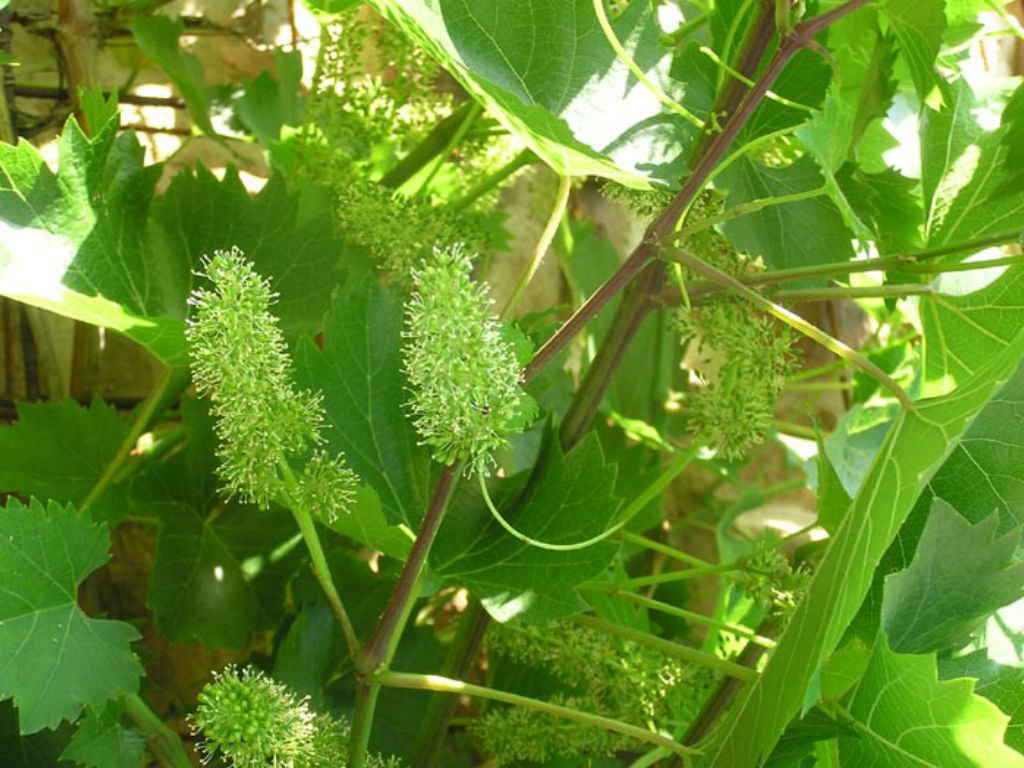
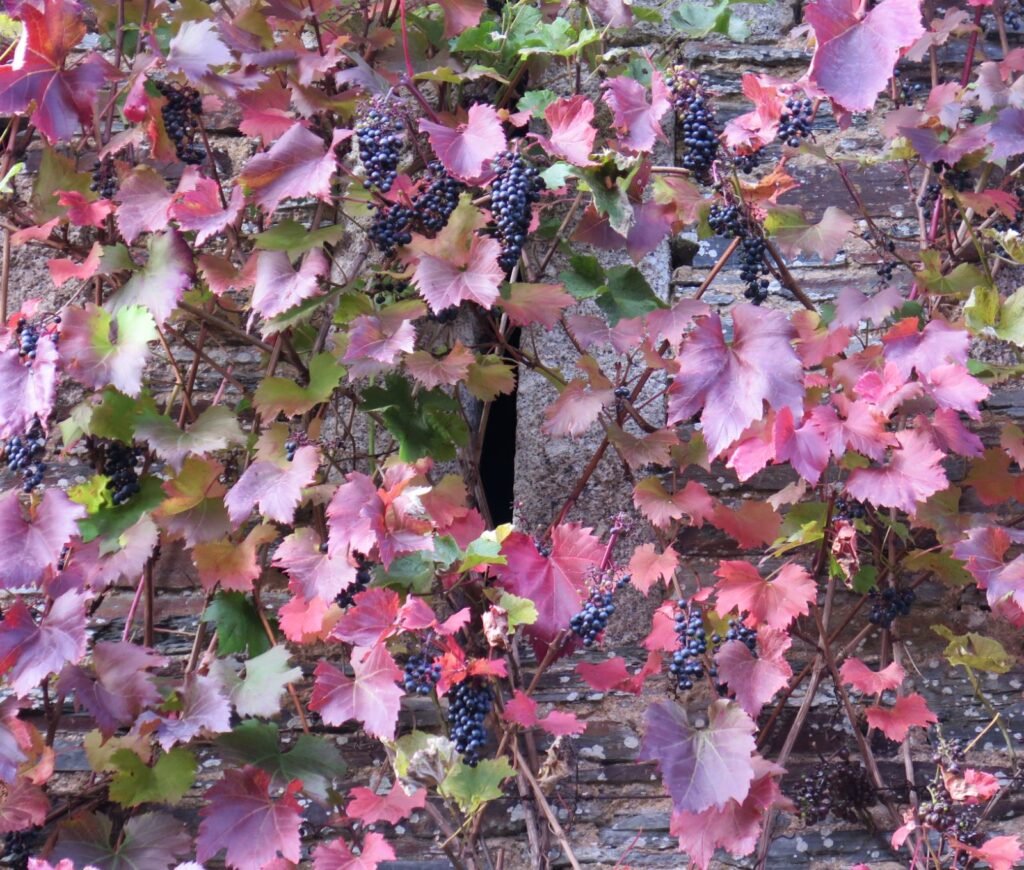
Vitis vinifera is a woody, perennial climbing vine belonging to the Vitaceae family. Native to the Mediterranean region, Central Europe, and parts of Western Asia, it has been cultivated for thousands of years and remains the backbone of global grape production.
Key characteristics:
- Deciduous vine with tendrils for climbing
- Lobed green leaves
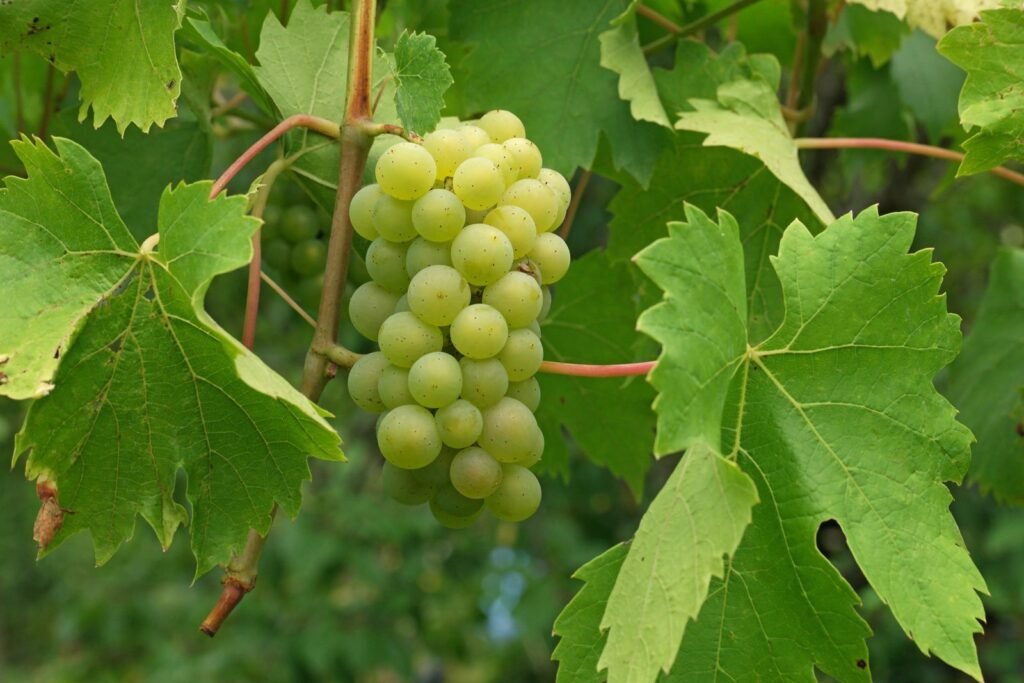
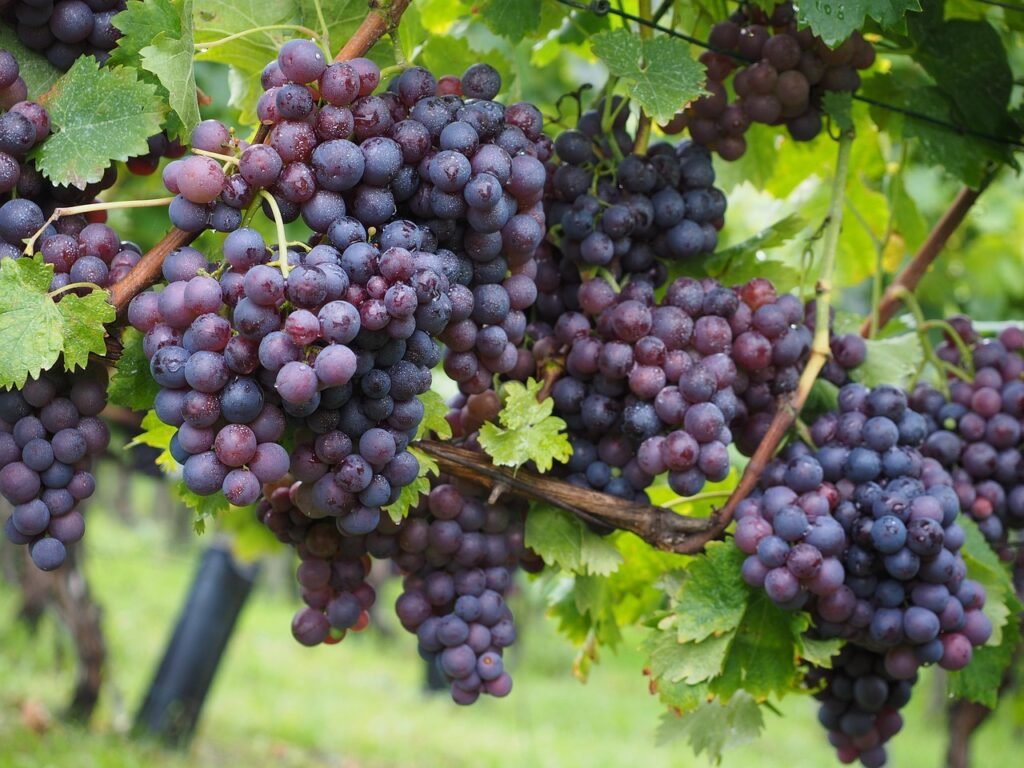
- Clusters of berries (grapes) varying in color, size, and sweetness
- Long lifespan with increasing productivity over time
How to Grow Common Grapes Successfully
Growing grapevines can be incredibly rewarding when the right conditions are met.
Climate Requirements
- Best suited for temperate to Mediterranean climates
- Requires warm summers and mild winters
- Needs 150–180 frost-free days for optimal fruit development
Soil Conditions
- Well-drained soil is essential
- Loamy or sandy-loam soil works best
- Ideal soil pH: 5.5–7.5
- Avoid waterlogged or heavy clay soils
Sunlight
- Full sun exposure is critical
- Minimum 6–8 hours of direct sunlight daily
Planting Grapevines
- Plant dormant vines in early spring
- Space vines 6–10 feet apart depending on variety
- Install trellises or support systems at planting time
Watering
- Regular watering during the first year
- Once established, grapevines are moderately drought-tolerant
- Avoid overwatering to prevent root diseases
Pruning and Training
- Annual pruning is essential for fruit production
- Remove old wood to encourage new fruiting canes
- Popular training systems include vertical shoot positioning and pergola systems
How to Propagate Common Grapes
Grapevines are most commonly propagated vegetatively to preserve variety traits.
Propagation by Hardwood Cuttings
- Select healthy, disease-free canes during dormancy
- Cut sections with 3–4 nodes
- Plant cuttings in moist, well-drained soil
- Roots typically develop within a few weeks
Propagation by Layering
- Bend a low cane to the ground and bury part of it
- Once roots form, separate it from the parent plant
Grafting
- Used commercially to combine desired fruit varieties with disease-resistant rootstocks
Popular Varieties of Vitis vinifera
There are thousands of grape varieties, each bred for specific uses.
Table Grape Varieties
- Large, juicy berries
- Thin skin and mild flavor
- Common colors: green, red, and black
Wine Grape Varieties
- Smaller berries with higher sugar and acidity
- Thick skins for complex flavors
- Used in red, white, and sparkling wines
Raisin Grape Varieties
- High sugar content
- Ideal for drying
- Seedless types are most popular
Dual-Purpose Varieties
- Suitable for both fresh consumption and processing
Uses of Common Grapes
Vitis vinifera is one of the most versatile fruit crops in the world.
Culinary Uses
- Fresh fruit consumption
- Juices and concentrates
- Jams, jellies, and preserves
- Vinegars and sauces
Wine and Beverage Production
- Fermented into red, white, rosé, and sparkling wines
- Used in non-alcoholic grape beverages
Nutritional and Health Uses
- Rich in antioxidants and natural sugars
- Source of dietary fiber, vitamins, and minerals
Industrial and By-Product Uses
- Grape seeds for oil extraction
- Pomace used in animal feed and compost
Food Options and Recipes Using Grapes
Grapes enhance both sweet and savory dishes.
Fresh Food Options
- Fruit salads and snack bowls
- Cheese and grape platters
- Breakfast toppings for yogurt and cereals
Cooked and Baked Dishes
- Roasted grapes with meats and vegetables
- Grape tarts, cakes, and breads
- Stuffed grape leaves (using vine leaves)
Preserved Forms
- Raisins and currants
- Grape syrup and molasses
- Homemade jams and chutneys
When and How to Harvest Common Grapes
Harvesting grapes at the right time is crucial for flavor and quality.
Harvest Season
- Typically late summer to early autumn
- Timing varies by climate and grape variety
Signs of Ripeness
- Full color development
- Sweet taste with balanced acidity
- Firm but juicy berries
Harvesting Method
- Use clean, sharp pruning shears
- Harvest clusters gently to avoid damage
- Pick in the early morning for best quality
Post-Harvest Handling
- Consume fresh grapes immediately or refrigerate
- Process grapes promptly for wine, juice, or drying
Common Problems and Solutions
Pests
- Birds, aphids, and mites
- Use netting and natural pest management methods
Diseases
- Powdery mildew and downy mildew
- Improve air circulation and prune regularly
Nutrient Deficiencies
- Yellowing leaves may indicate nutrient imbalance
- Apply balanced fertilizers as needed
Benefits of Growing Common Grape at Home
- Long-term fruit production
- Low maintenance once established
- High nutritional and economic value
- Enhances garden aesthetics with climbing vines
Frequently Asked Questions About Vitis vinifera
How long does a grapevine take to bear fruit?
Most grapevines begin producing fruit in 2–3 years.
Can grapes grow in containers?
Yes, with large containers, proper pruning, and support.
Are grape leaves edible?
Yes, young grape leaves are widely used in cooking.
Final Thoughts
The Common Grape (Vitis vinifera) is more than just a fruit—it’s a cornerstone of agriculture, cuisine, and tradition. Whether you’re growing grapes in your backyard, exploring different varieties, or enjoying them in diverse food forms, this remarkable vine offers endless possibilities.
With proper care, thoughtful propagation, and timely harvesting, grapevines can reward you for decades—making them one of the most valuable and enjoyable plants to cultivate.



&media=https://food-foresting.com/wp-content/uploads/2026/02/Vitis-vinifera.jpg)