 paulius.mikoliunas1
| Common Name | Bitternut, Bitternut hickory, Swamp Hickory |
| Family | Juglandaceae |
| USDA hardiness | 4-9 |
| Known Hazards | None known |
| Habitats | Low wet to dry woods, stream banks and borders of swamps, tolerating a range of soils. |
| Range | Eastern N. America – Maine to Quebec and south to Florida. |
| Edibility Rating |   (3 of 5) (3 of 5) |
| Other Uses |   (3 of 5) (3 of 5) |
| Weed Potential | No |
| Medicinal Rating |   (1 of 5) (1 of 5) |
| Care (info) |    |
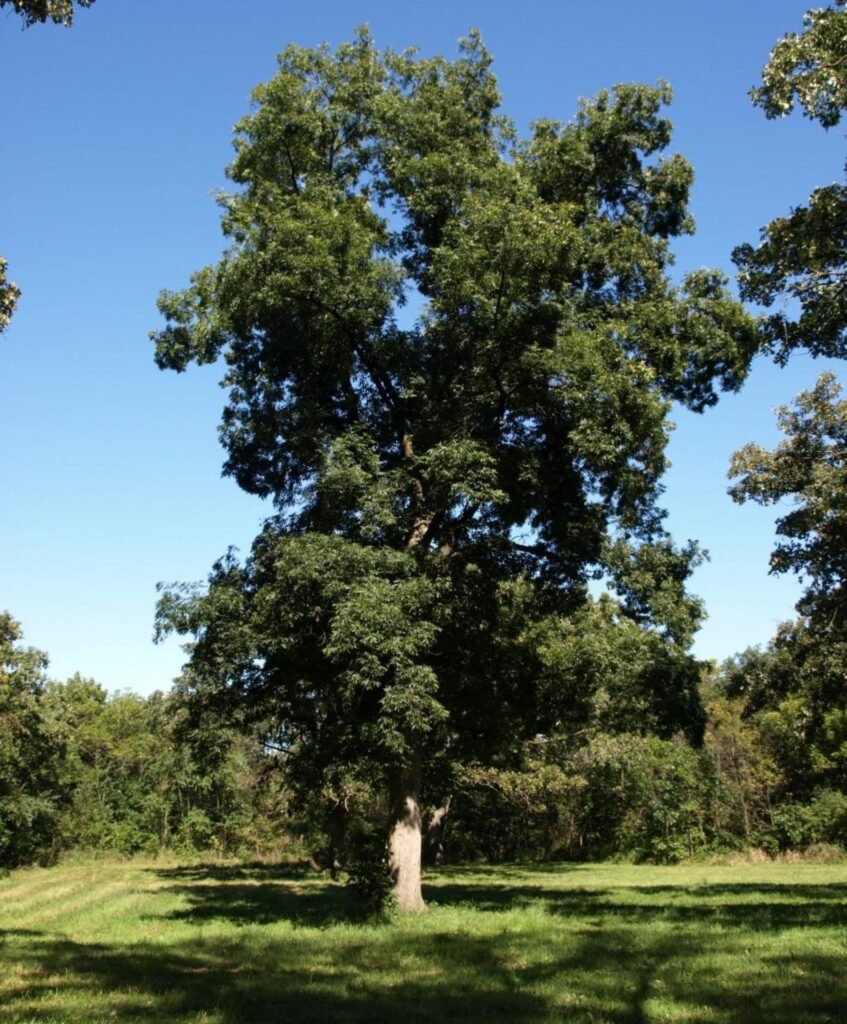
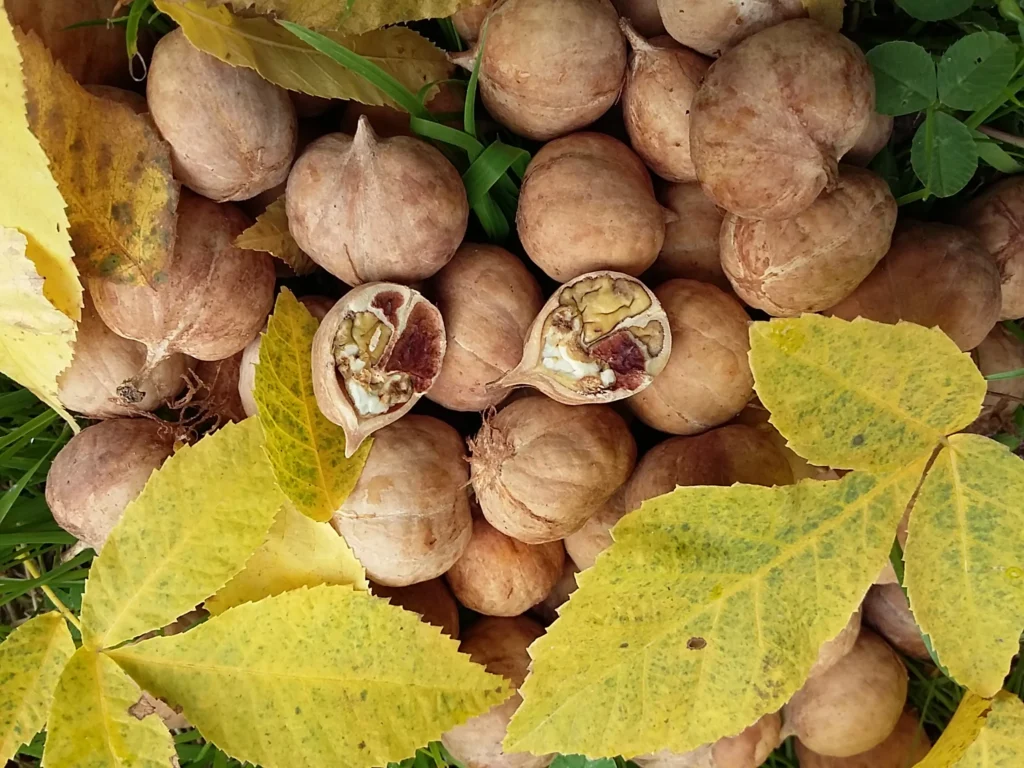
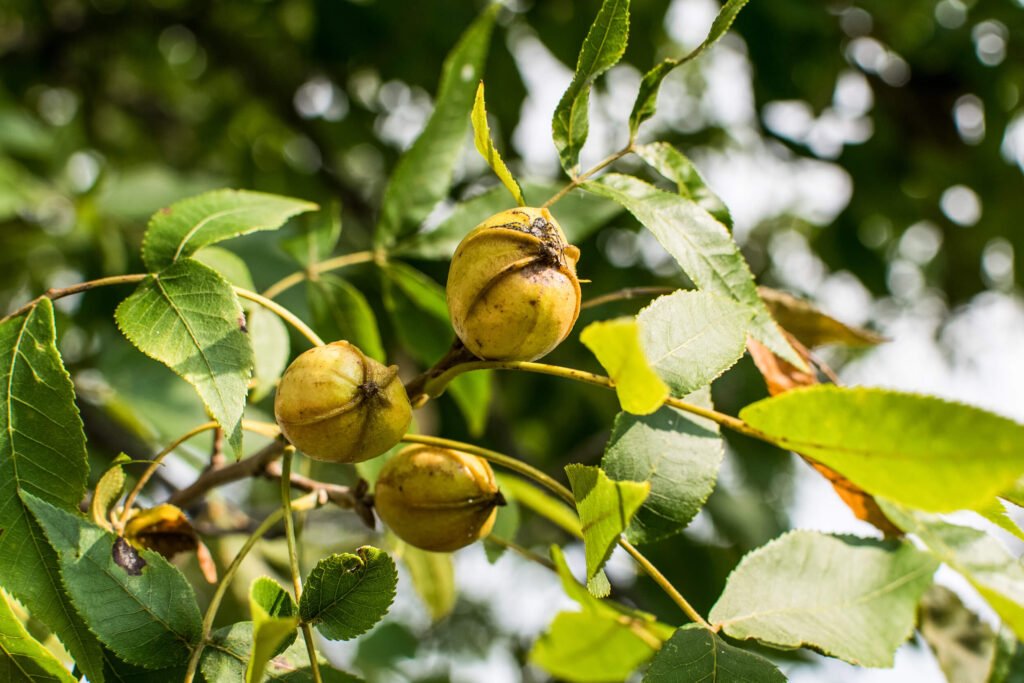
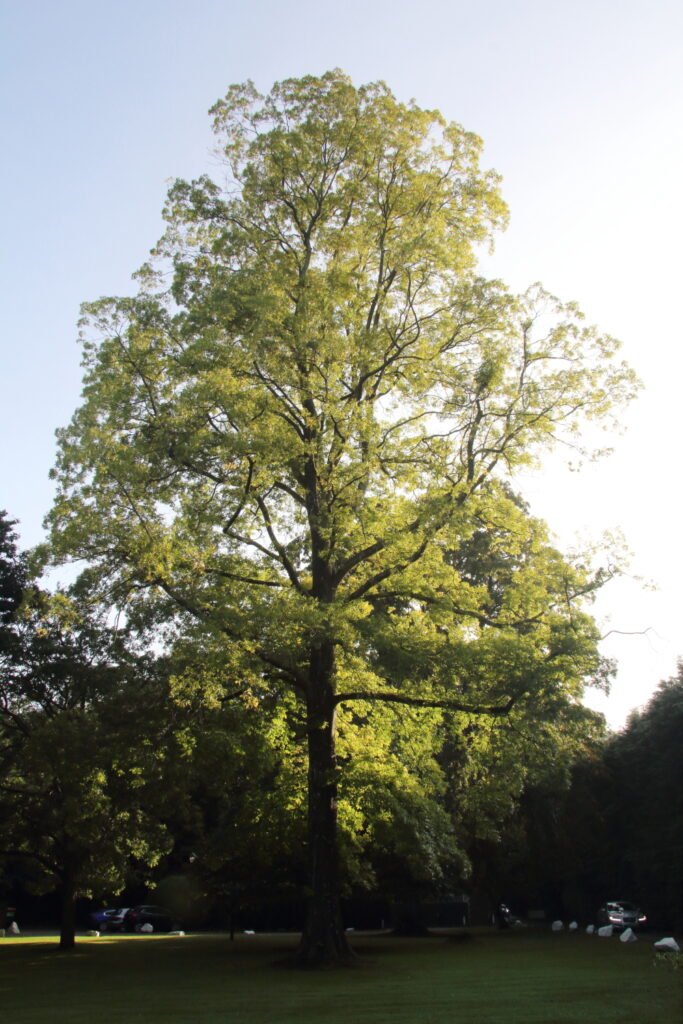
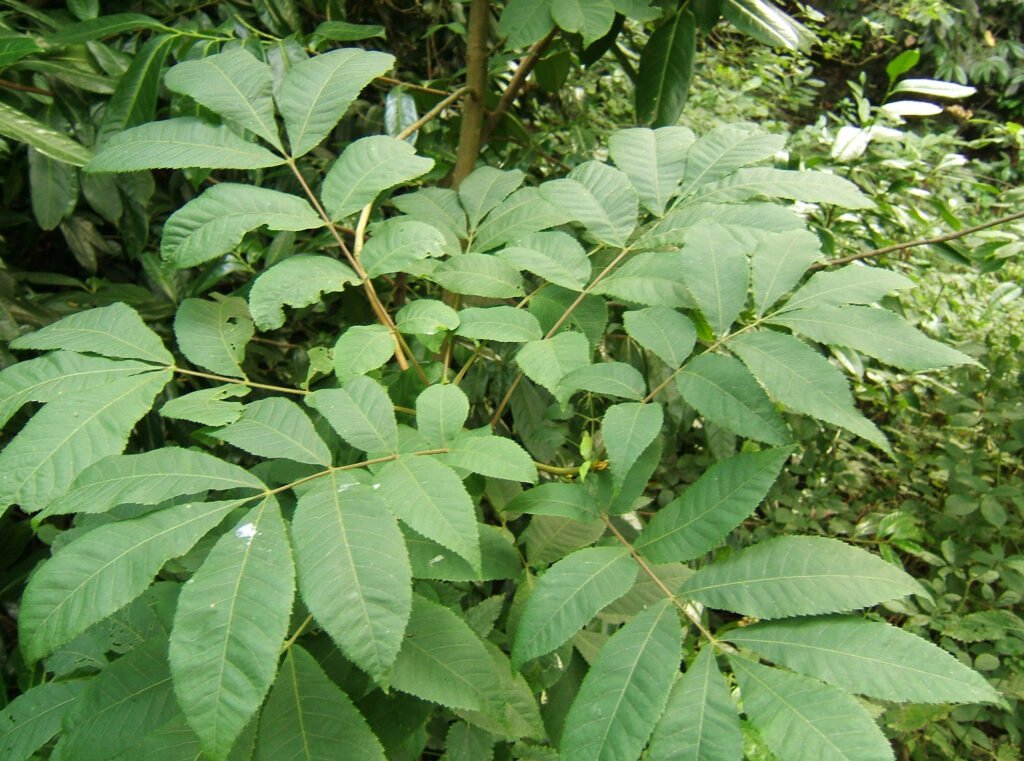
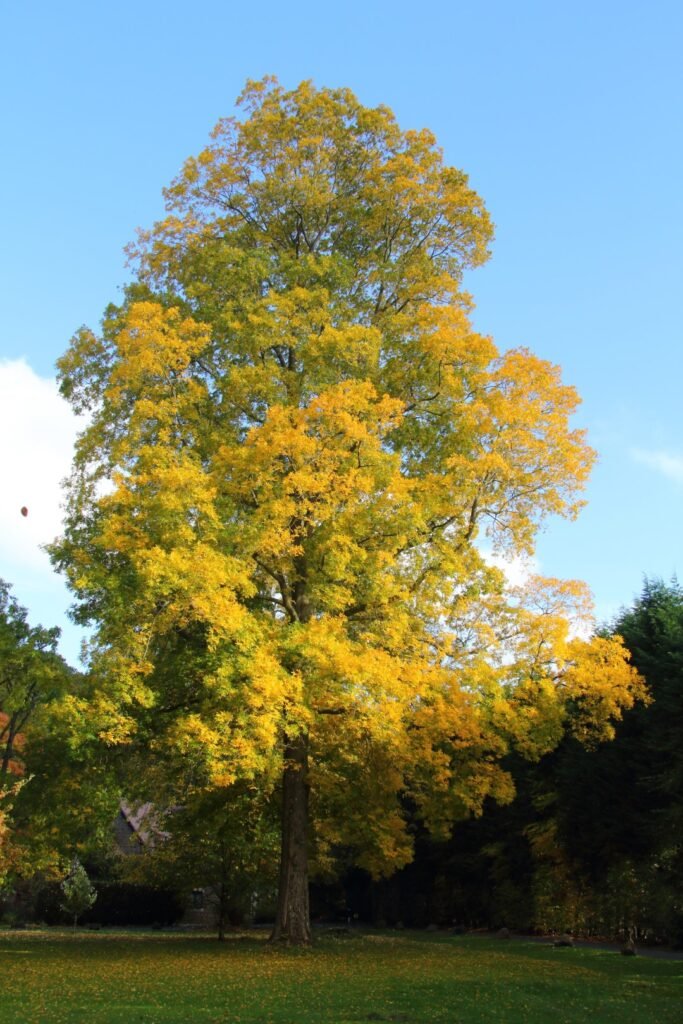
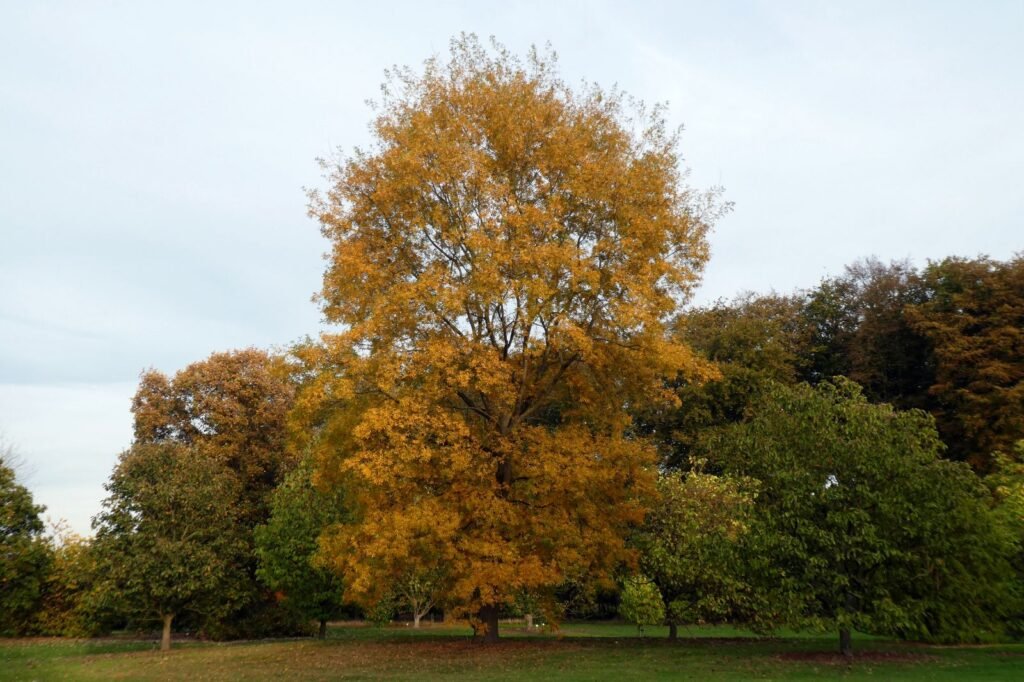
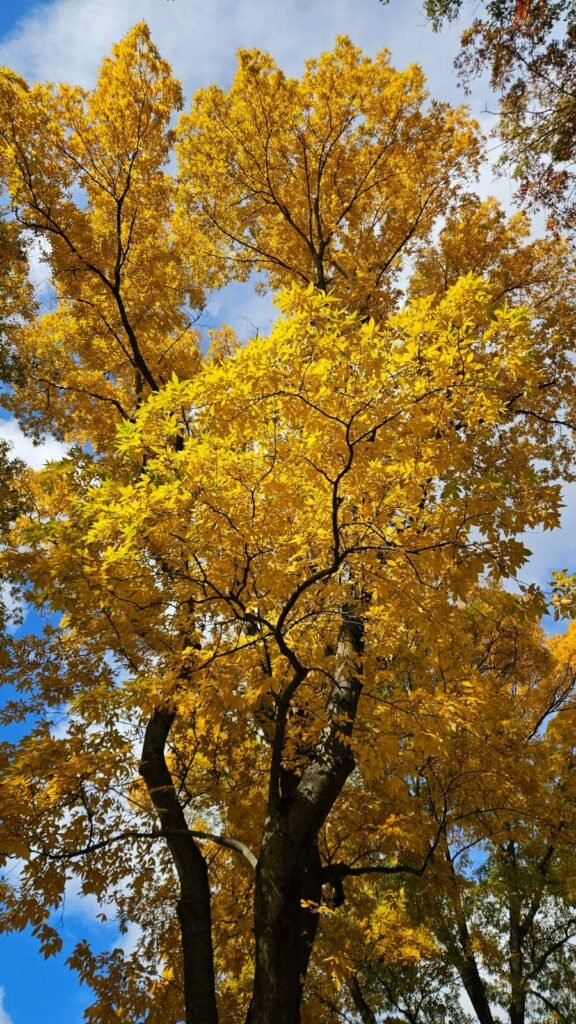
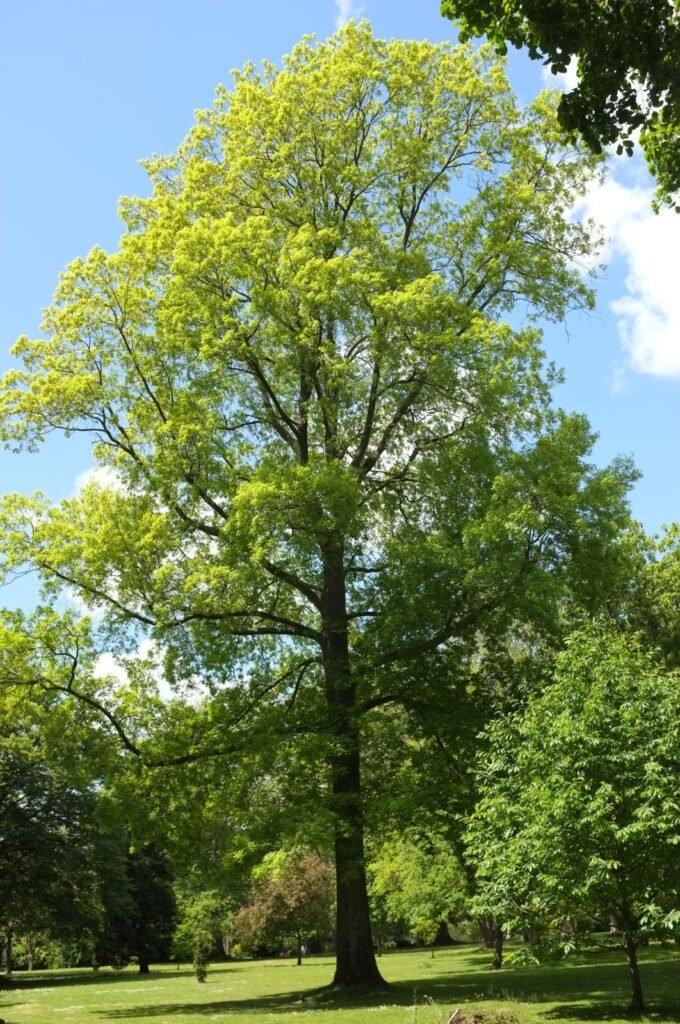

Shellbark Bitternut (Carya cordiformis): Growing, Propagation, Varieties, Culinary Uses & Harvesting Guide
The Shellbark Bitternut, also commonly known as Bitternut Hickory or Swamp Hickory, is a slow-growing hardwood tree admired for its towering stature, durable wood, and wildlife-friendly nuts. While often overshadowed by pecan and shagbark hickory, this species is an excellent choice for the homestead, food forest, restoration project, or long-term nut production.
Below is an in-depth guide on cultivation, propagation, varieties, uses, culinary applications, and harvesting.
What Is Shellbark Bitternut?
Scientific name: Carya cordiformis
Shellbark Bitternut belongs to the walnut family (Juglandaceae). It thrives in moist lowlands, bottomlands, and riparian zones, often found across the Midwest, South, and Eastern parts of North America.
Key Characteristics
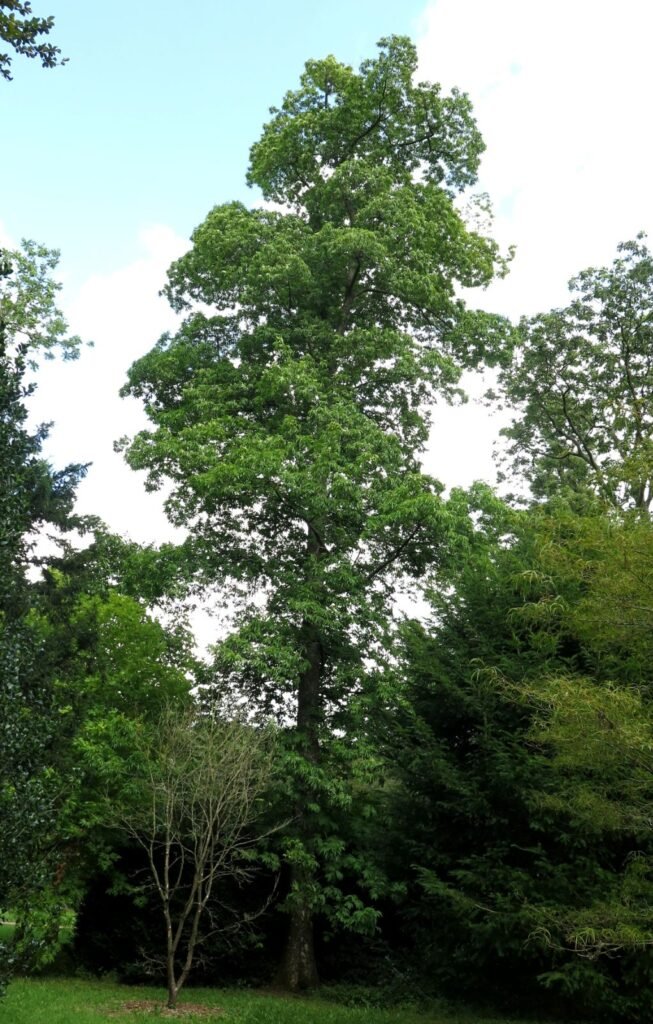
- Height: 60–100+ ft mature
- Lifespan: Several centuries
- Growth rate: Slow to moderate
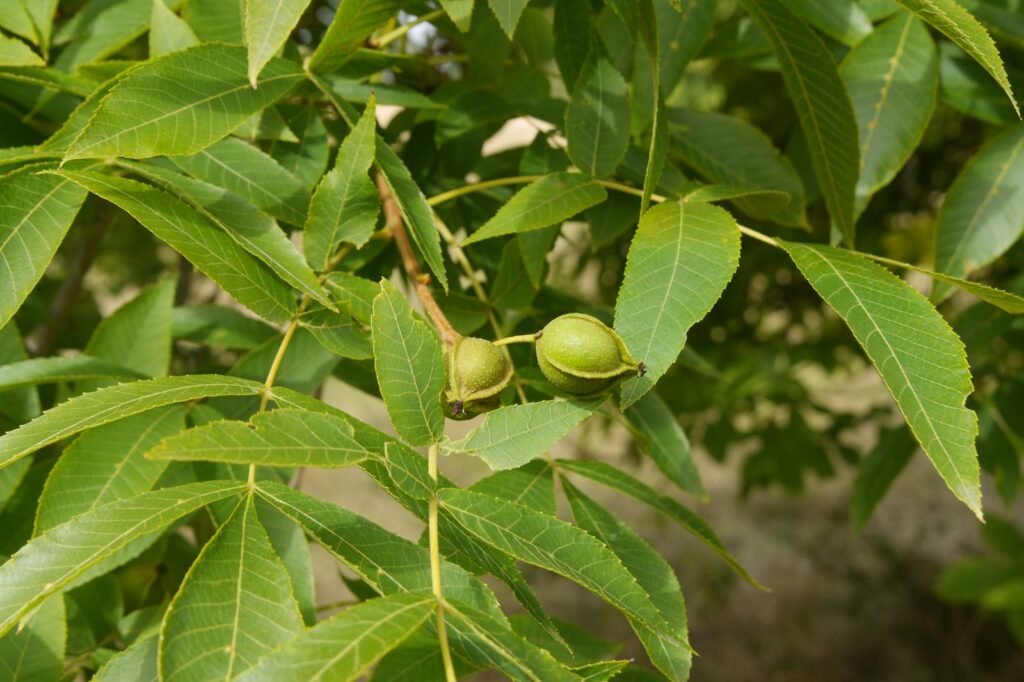
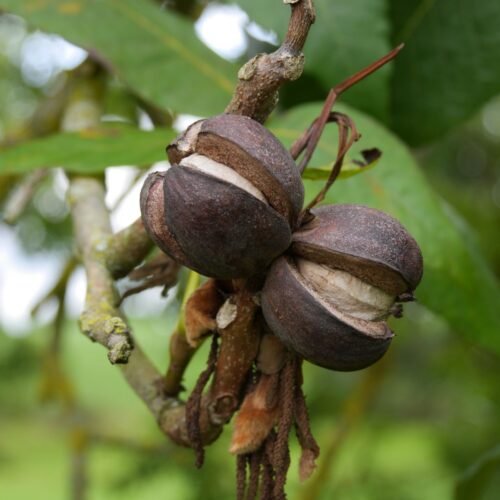
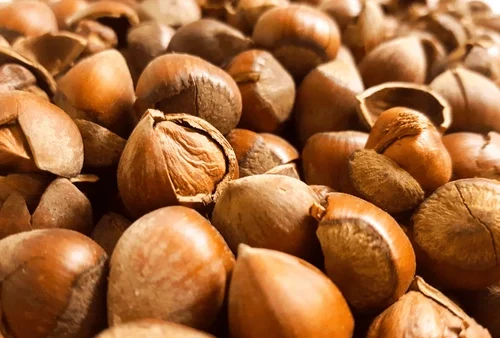
- Nut type: Small, bitter, thick-shelled
- Habitat: Moist, fertile soils
The nuts are notably bitter, hence the name “bitternut,” making them more valuable for wildlife consumption and ecological services than typical culinary use—but they still have specialty food value if properly processed.
How to Grow Shellbark Bitternut
Growing Shellbark Bitternut is a long-term investment. The trees are resilient once established and require minimal intervention.
1. Climate & Zone
- Best USDA zones: 4–8
- Prefers humid temperate conditions
- Handles frost and harsh winters
2. Soil Requirements
Optimal soil offers:
- Good drainage
- Fertile loam or silty textures
- Slight acidity (pH 5.5–6.8)
- Access to moisture throughout the growing season
3. Sunlight Needs
- Full sun for best nut production
- Tolerates partial shade in juvenile years
4. Watering & Care
During the first 3–5 years:
- Keep soil moist but not waterlogged
- Deep watering encourages a strong taproot
Once mature:
- Drought tolerant
- Minimal irrigation required
5. Pest & Disease Considerations
Bitternut is relatively resistant, though it can occasionally experience:
- Hickory bark beetle
- Hickory weevil
- Fungal leaf spots
These rarely threaten mature trees.
Propagation Methods
Bitternut can be propagated through several reliable methods, though patience is essential due to slow growth.
A. Seed Propagation (Most Common)
- Collect nuts in fall as husks split.
- Cold-stratify for 90–120 days at 33–40°F.
- Sow in deep containers or directly outdoors in spring.
The taproot forms early and aggressively—deep pots prevent deformation.
B. Grafting
Less common due to variable nut quality, but grafting ensures genetic consistency. Used where:
- Superior nut traits are desired
- Uniformity is required in orchards or conservation sites
C. Transplanting Seedlings
Wild seedlings can be transplanted if done very young before the taproot becomes extensive.
Varieties, Hybrids & Related Species
While Bitternut itself has few named cultivars, it hybridizes naturally with other hickories, most notably:
- Carya ovata (Shagbark Hickory)
- Carya laciniosa (Shellbark Hickory)
- Carya illinoinensis (Pecan)
Hybrids, known as hican trees, occasionally display improved nut characteristics, such as:
- Thinner shells
- Reduced bitterness
- Larger kernel sizes
Bitternut contributes vigor, disease resistance, and adaptability to wet soils in these crosses.
Uses & Benefits of Shellbark Bitternut
1. Wildlife Support
The nuts feed:
- Squirrels
- Wild turkeys
- Blue jays
- Mice
- Deer
The tree also offers nesting habitat and shelter.
2. Wood & Timber
Bitternut wood is:
- Hard
- Shock-resistant
- Excellent for tool handles and furniture
- Valued for smoking meats (milder than hickory, stronger than fruitwood)
3. Ecological Value
- Improves soil structure
- Stabilizes riparian zones
- Enhances biodiversity in food forests
- Reforestation & restoration use
4. Medicinal & Historical Uses
Native peoples and early settlers used the bark and nut oils for:
- Dyes
- Traditional remedies
- Waterproofing material
Food & Culinary Options for Bitternut
Although the bitternut is typically bitter, its culinary potential is overlooked.
Flavor Profile
- Raw: Bitter, tannic, astringent
- Processed: Nutty, mild after leaching
Preparation Methods
Traditional and modern methods reduce bitterness:
a. Leaching
Soak cracked nuts in water for several days, changing the water often to remove tannins.
b. Roasting
Roasting helps:
- Enhance aroma
- Reduce bitterness
- Improve cracking
c. Oil Extraction
Shellbark Bitternut was historically pressed to produce oil for cooking and lamps.
Culinary Uses
When bitterness is managed, nuts can be used in:
- Nut brittle
- Breads & pastries
- Trail mixes
- Nut flour blends
- Smoked meat rubs
- Specialty nut oils
Harvesting Shellbark Bitternut
When to Harvest
- Nuts ripen in late autumn
- Season depends on region but commonly September–October
Signs of Ripeness
- Husk splits naturally
- Nuts fall freely to the ground
- Shell turns dry and brown
Harvesting Tips
- Collect daily to beat wildlife
- Dry nuts after collection to prevent mold
- Store in breathable sacks or bins
Storage Life
With low moisture and cool temperatures, nuts store for several months.
Growing Shellbark Bitternut for Long-Term Value
Bitternut hickory is not a fast-yielding commercial nut tree, but it excels in:
- Food forests
- Agroforestry projects
- Wildlife orchards
- Heritage homesteads
- Riparian plantings
- Ecological restoration
Its long life, strong genetics, and ecological role make it invaluable for resilient landscapes.
Final Thoughts
Shellbark Bitternut may not be the most famous nut tree, yet its blend of ecological benefits, genetic diversity, historical uses, and specialty culinary potential makes it a hidden gem. For growers willing to think long-term, it offers centuries of value.


&media=https://food-foresting.com/wp-content/uploads/2026/01/VQyAjutjZtlI68nPsulhEaOCqe4O14Y8gvzaRQeZ-780x520-1.jpg)