
 paulius.mikoliunas1
| Common Name | Dogwood, Bloodtwig dogwood |
| Family | Cornaceae |
| USDA hardiness | 4-8 |
| Known Hazards |  Contrary to some reports, the fruit is not poisonous, but the leaves can cause skin irritations to sensitive people. Contrary to some reports, the fruit is not poisonous, but the leaves can cause skin irritations to sensitive people. |
| Habitats | Mixed woods, scrub and hedgerows, especially on calcareous soils. |
| Range | Europe, including Britain, from Scandanavia to Spain, east to Sicily and Greece. Rare in S.W. Asia.. |
| Edibility Rating |   (2 of 5) (2 of 5) |
| Other Uses |   (3 of 5) (3 of 5) |
| Weed Potential | No |
| Medicinal Rating |   (1 of 5) (1 of 5) |
| Care (info) |     |



How to Grow, Propagate, Use, and Harvest Bloodtwig Dogwood (Cornus sanguinea)
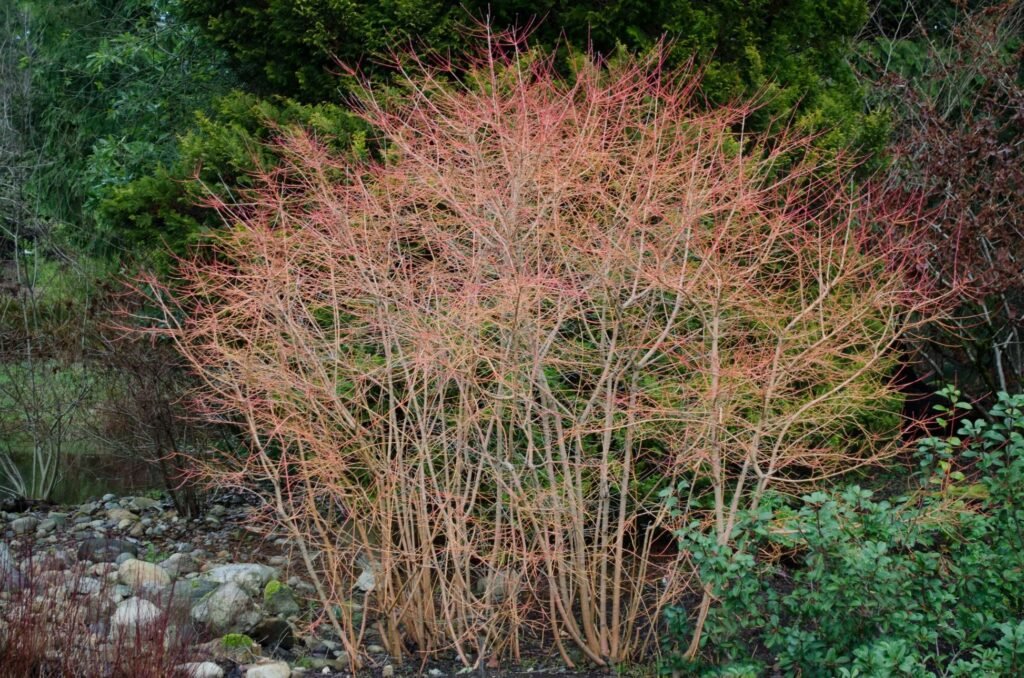
Bloodtwig dogwood (Cornus sanguinea) is a stunning, multi-purpose deciduous shrub native to Europe and Western Asia, prized for its fiery winter stems, wildlife benefits, and surprisingly versatile fruit. Whether you’re gardening for aesthetics, habitat, or potential food uses, this resilient shrub is worth a place in modern landscapes.
Below, you’ll find a comprehensive guide on cultivation, propagation, varieties, culinary applications, ornamental uses, and harvesting techniques.
What Is Bloodtwig Dogwood?
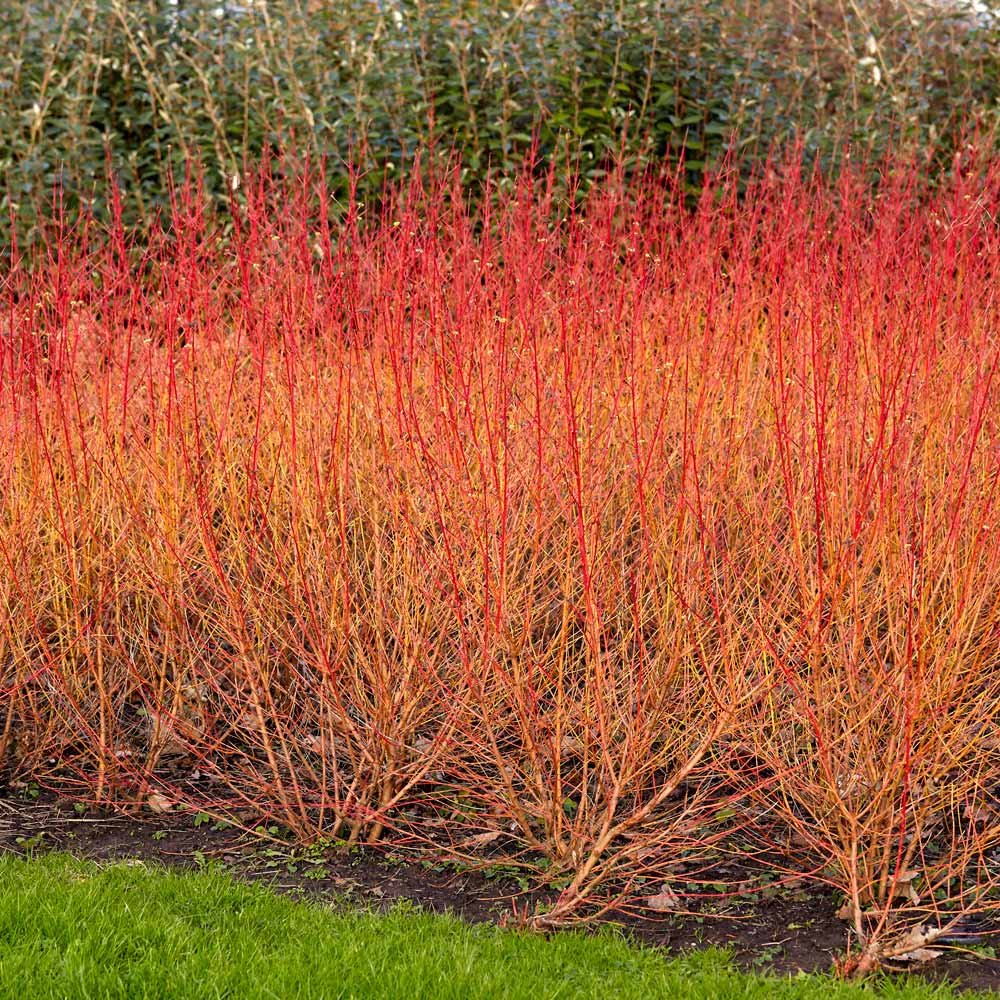
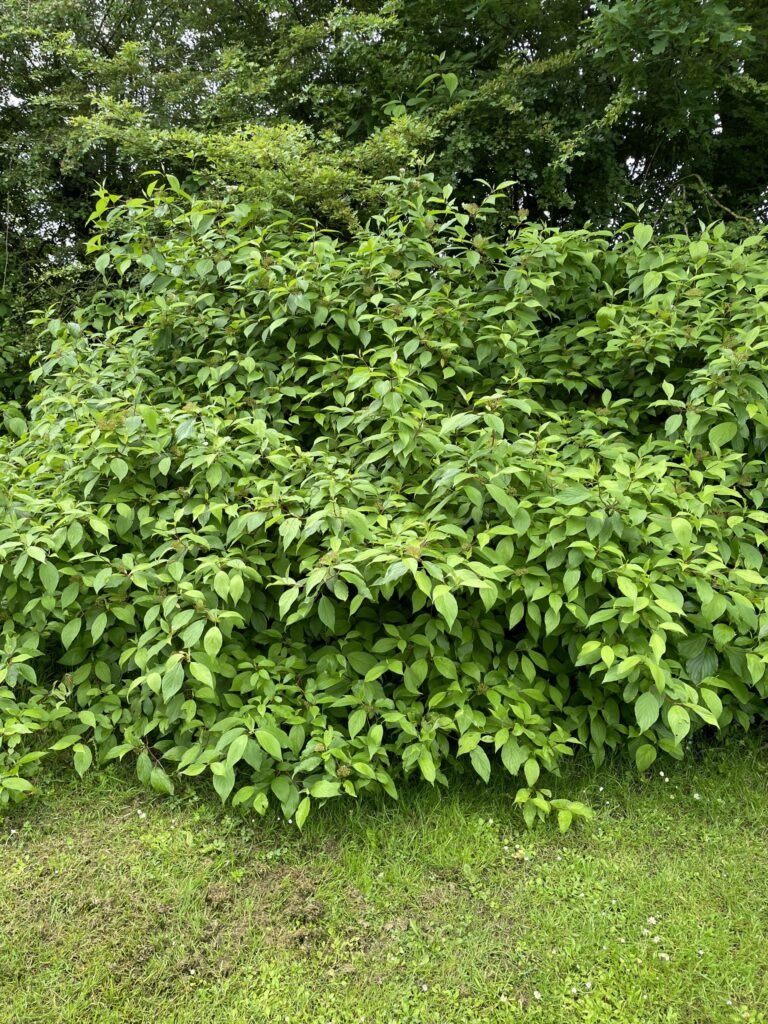
Cornus sanguinea—commonly called bloodtwig dogwood, common dogwood, or European dogwood—is a medium-sized shrub known for:
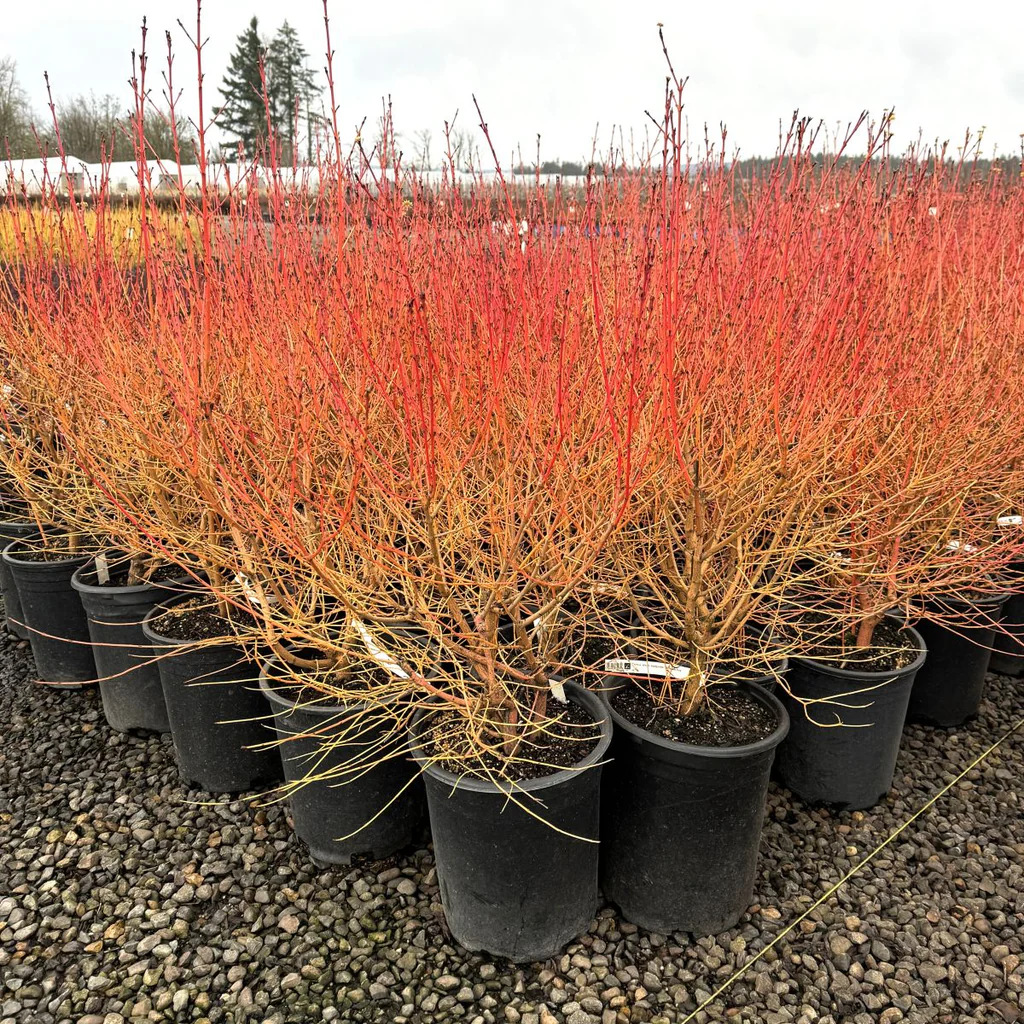
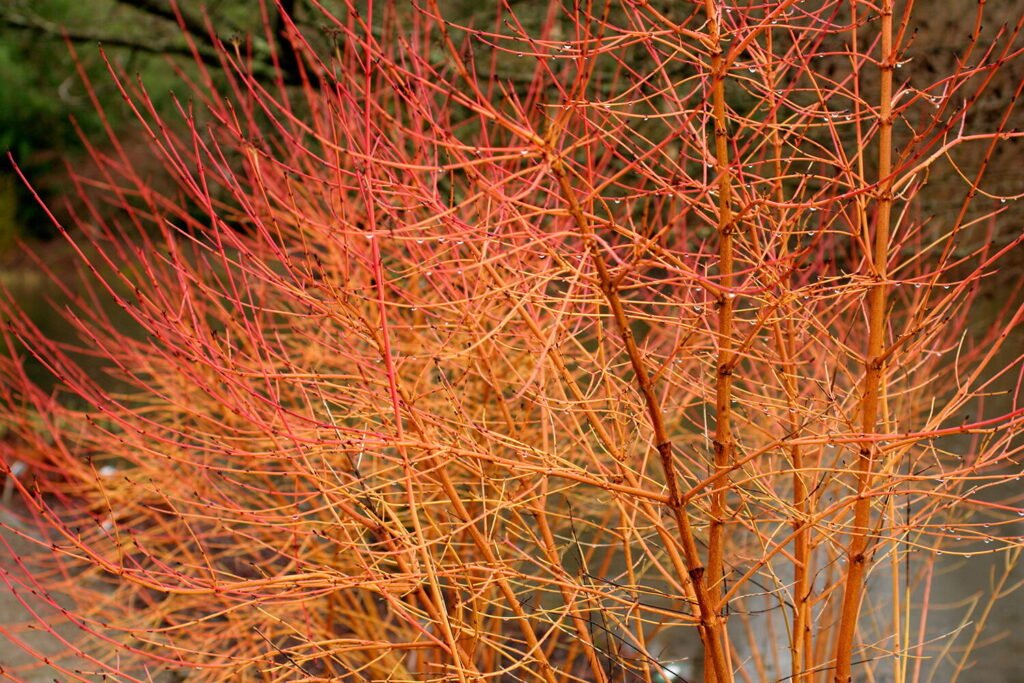
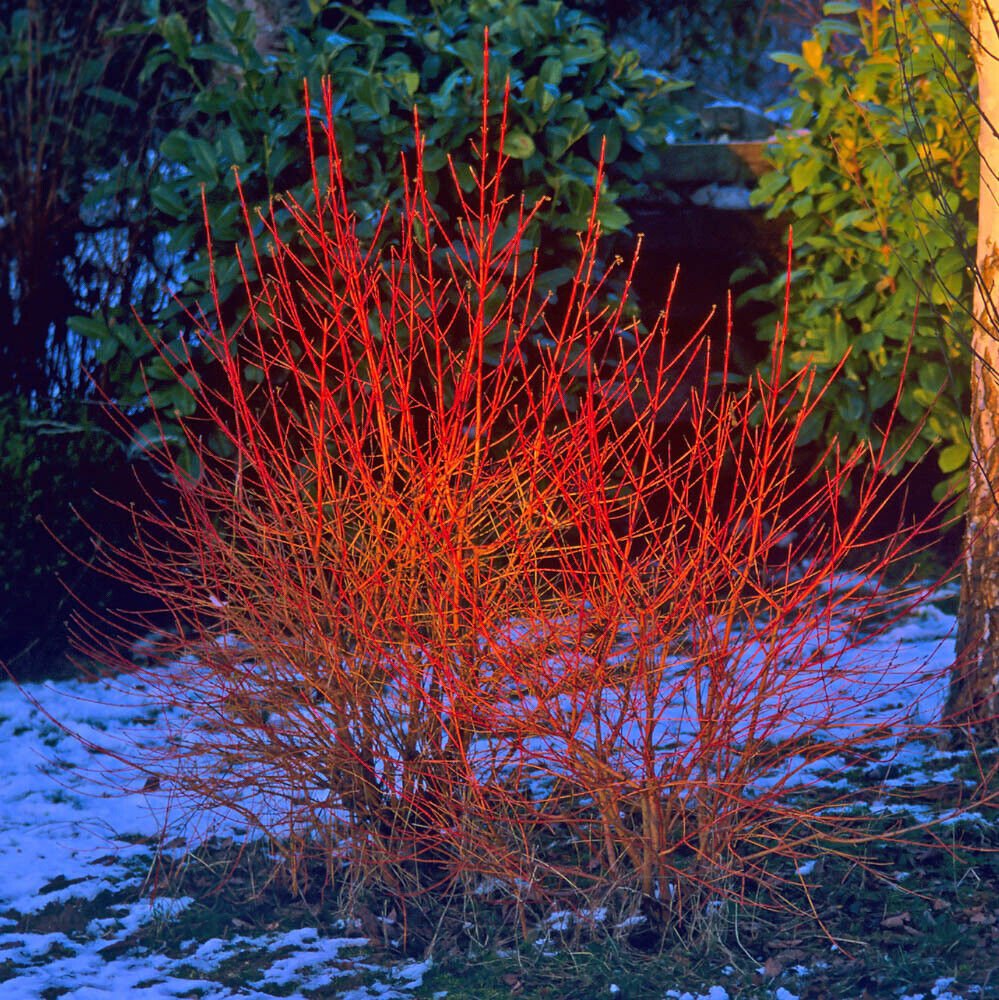
- Bright red to burgundy winter stems
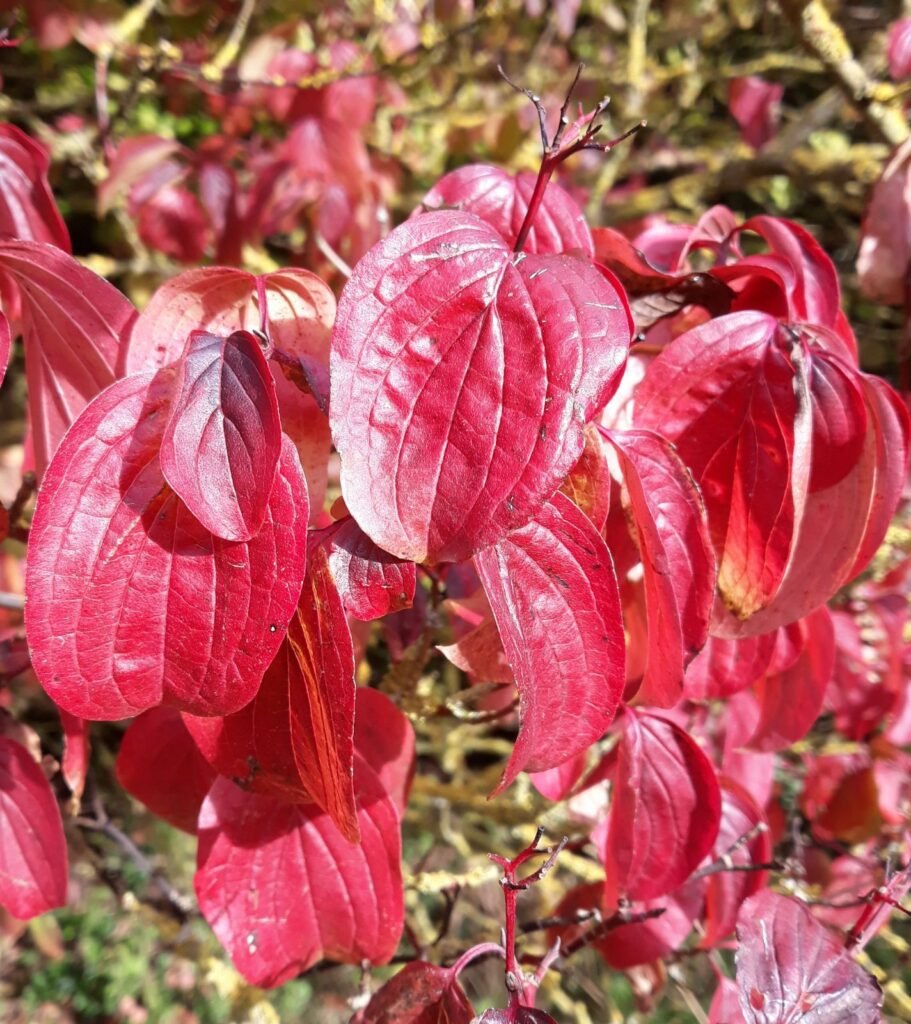
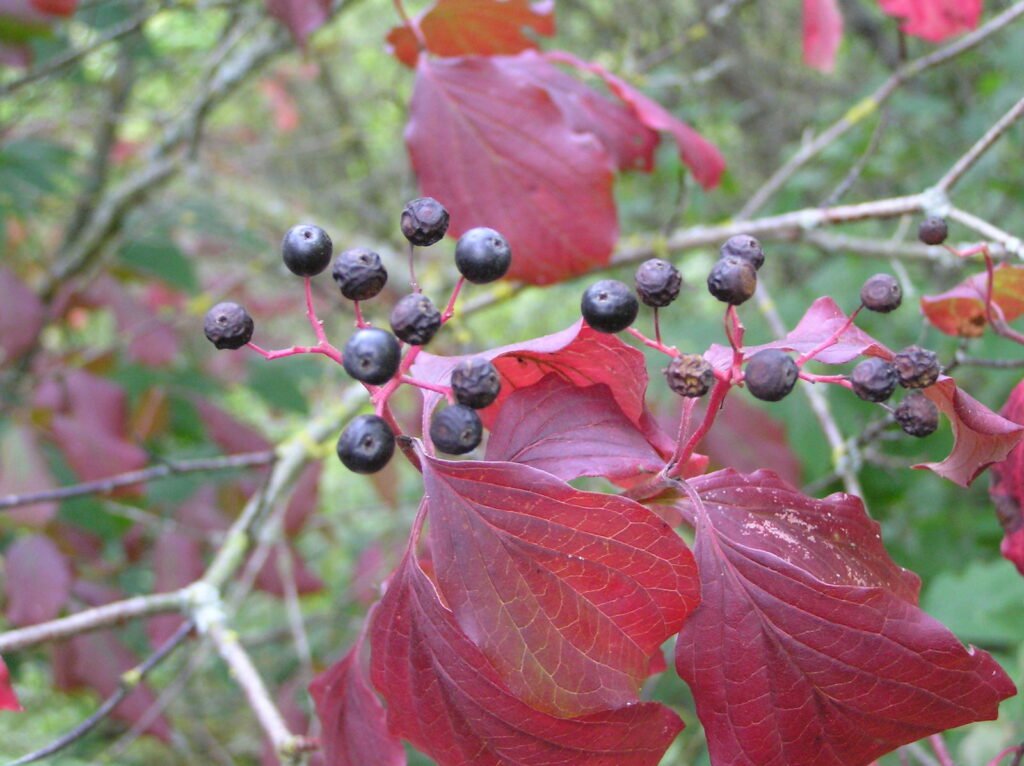
- Dark green oval leaves that turn purple-red in autumn
- Creamy spring flowers (umbel clusters)
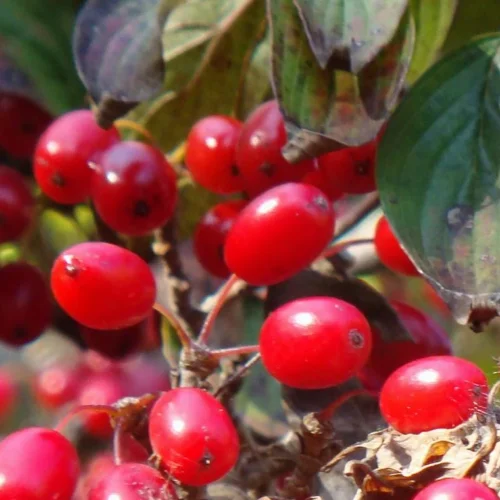
- Small, purplish-black berries called drupes
Its bold seasonal color and ability to thrive in marginal soils make it a standout in both wild hedgerows and structured gardens.
Ideal Growing Conditions
Bloodtwig dogwood is low-maintenance and adapts to various environments. To optimize growth:
Soil
- Prefers moist, fertile soil
- Handles alkaline to slightly acidic pH
- Tolerates clay, loam, chalk, and heavy soils
Sunlight
- Best stem coloration in full sun
- Tolerates partial shade, but with less winter vibrancy
Watering
- Drought-tolerant once established
- Benefits from consistent moisture during first year
Climate & Hardiness
- Hardy to USDA zones 4–8
- Cold winter improves stem color intensity
Planting Bloodtwig Dogwood
For hedging, borders, or winter color displays:
- Spacing: 3–6 feet apart
- Depth: Ensure root ball sits at original depth
- Mulching: Helps conserve moisture and reduces weed pressure
Spring and autumn are the best planting seasons.
Pruning for Color & Shape
Bloodtwig dogwood responds well to pruning. To enhance stem color:
Coppicing (Heavy Pruning)
- Cut stems back to 6–12 inches in late winter
- Encourages vigorous, colorful new growth
- Ideal for ornamental winter displays
Light Shaping
- Remove older stems every 2–3 years for balanced form
Propagation Techniques
Bloodtwig dogwood is easy to propagate—both intentionally and naturally.
1. Hardwood Cuttings (Most Reliable)
- Best taken in late autumn to early winter
- Choose pencil-thick stems
- Root in sand/perlite, then transplant in spring
2. Softwood Cuttings
- Taken early summer
- Faster rooting but higher moisture requirement
3. Layering
- Bend stems to soil and secure
- Roots develop over a season
4. Seed Propagation
- Seeds require cold stratification
- Slow method, but maintains genetic diversity
Popular Varieties & Cultivars
While the species form (Cornus sanguinea) is common, several cultivars offer enhanced ornamental traits:
• ‘Midwinter Fire’
- Famous for brilliant orange-to-red winter stems
- Dense growth habit
• ‘Winter Beauty’
- Multi-color stems: yellow → coral → crimson
• ‘Compressa’
- Compact, variegated foliage
- Suitable for smaller gardens
These varieties are prized for winter garden design, providing color when most shrubs are bare.
Ecological & Landscape Uses
Bloodtwig dogwood isn’t just beautiful—it’s ecologically generous.
Wildlife Benefits
- Flowers feed pollinators
- Berries support birds and small mammals
- Dense structure offers nesting cover
Erosion Control
- Deep root system stabilizes banks and slopes
Hedging
- Works well in mixed native hedgerows with hawthorn, hazel, and blackthorn
Culinary & Food Uses
Bloodtwig dogwood berries are astringent and bitter raw, but become palatable and interesting when processed.
Traditional or Experimental Uses Include:
- Jams & preserves (mixed with sweeter fruits)
- Fermented beverages (wines, liqueurs)
- Wild syrups
- Dried/medicinal-style fruit powders (folk use)
The berries are notably rich in:
- Tannins
- Anthocyanins
- Organic acids
Raw consumption in large amounts is not common due to bitterness and potential gastrointestinal discomfort. Historically, berries were used as a foraged emergency food and medicinally in some regions.
Ornamental & Craft Uses
Beyond culinary potential, the stems have value in:
- Winter floral arrangements
- Wreaths & natural crafts
- Basketry (young shoots)
Their vibrant winter hues make them favorites in modern garden design.
How & When to Harvest
For Fruit
- Harvest late summer through autumn
- Ripe when deep purple to black and easily detach
Freezing improves breakdown for jelly/wine production.
For Stems
- Harvest in late winter
- Cut before new spring sap rises
- Use coppiced stems for crafts
Common Pests & Diseases
Bloodtwig dogwood is generally robust, but occasional issues include:
- Dogwood anthracnose
- Leaf spot
- Scale insects
- Aphids
Good air circulation and proper pruning help reduce disease risk.
Companion Planting Suggestions
Pairs well with:
- Willows
- Elder
- Hazels
- Hawthorn
- Ornamental grasses
- Winter-flowering shrubs (witch hazel, viburnum)
These combinations produce striking four-season landscapes.
Final Thoughts
Bloodtwig dogwood (Cornus sanguinea) is a powerhouse shrub for gardeners seeking winter color, wildlife value, low maintenance care, and useful berries. Its versatility—from hedgerows to food experiments—makes it an underrated gem in modern ecological planting.


&media=https://food-foresting.com/wp-content/uploads/2026/01/cornus-winter-beauty-red-stems.jpg)