
 paulius.mikoliunas1
| Common Name | Chinese Boxthorn, Chinese desert-thorn |
| Family | Solanaceae |
| USDA hardiness | 5-9 |
| Known Hazards |  Some caution should be exercised with this species, particularly with regard to its edible leaves, since it belongs to a family that often contains toxins. However, use of the leaves is well documented and fairly widespread in some areas. Some caution should be exercised with this species, particularly with regard to its edible leaves, since it belongs to a family that often contains toxins. However, use of the leaves is well documented and fairly widespread in some areas. |
| Habitats | Thickets and river banks in lowland C. and S. Japan. |
| Range | E. Asia – China, Japan. Naturalized in Britain, especially by the sea. |
| Edibility Rating |   (4 of 5) (4 of 5) |
| Other Uses |   (3 of 5) (3 of 5) |
| Weed Potential | No |
| Medicinal Rating |   (3 of 5) (3 of 5) |
| Care (info) |    |
Chinese Boxthorn (Lycium chinense): Complete Guide to Growing, Propagation, Varieties, Uses, Food Ideas, and Harvesting
Chinese Boxthorn (Lycium chinense), often confused with its famous cousin goji berry (Lycium barbarum), is a resilient, multifunctional plant valued for its edible berries, leaves, and roots. Widely cultivated in East Asia for centuries, this hardy shrub is gaining global attention for its adaptability, nutritional value, and ornamental appeal.
In this comprehensive guide, you’ll learn how to grow Chinese Boxthorn successfully, propagate it with confidence, explore popular varieties, discover traditional and modern uses, find delicious food options, and master proper harvesting techniques.
What Is Chinese Boxthorn (Lycium chinense)?
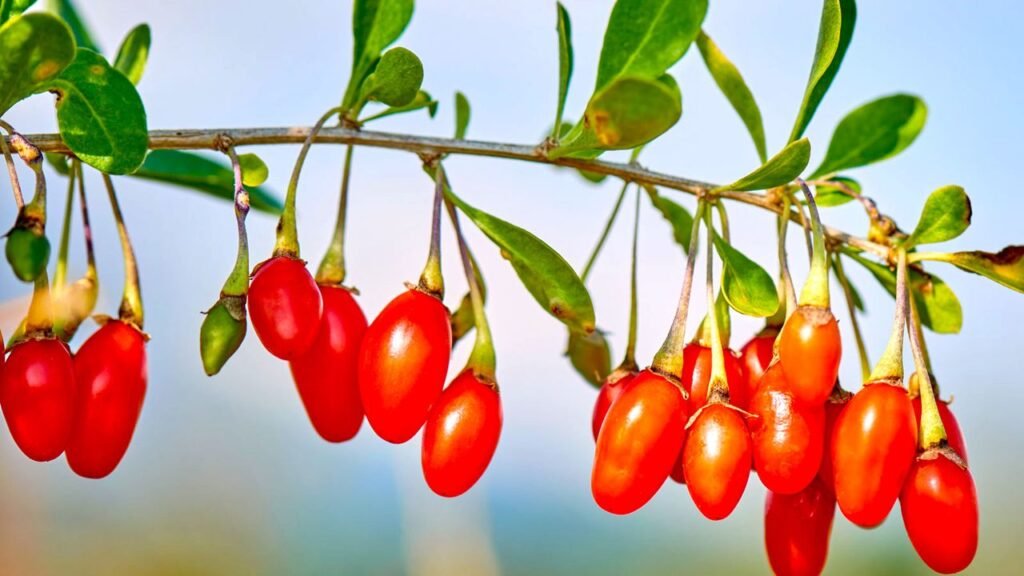
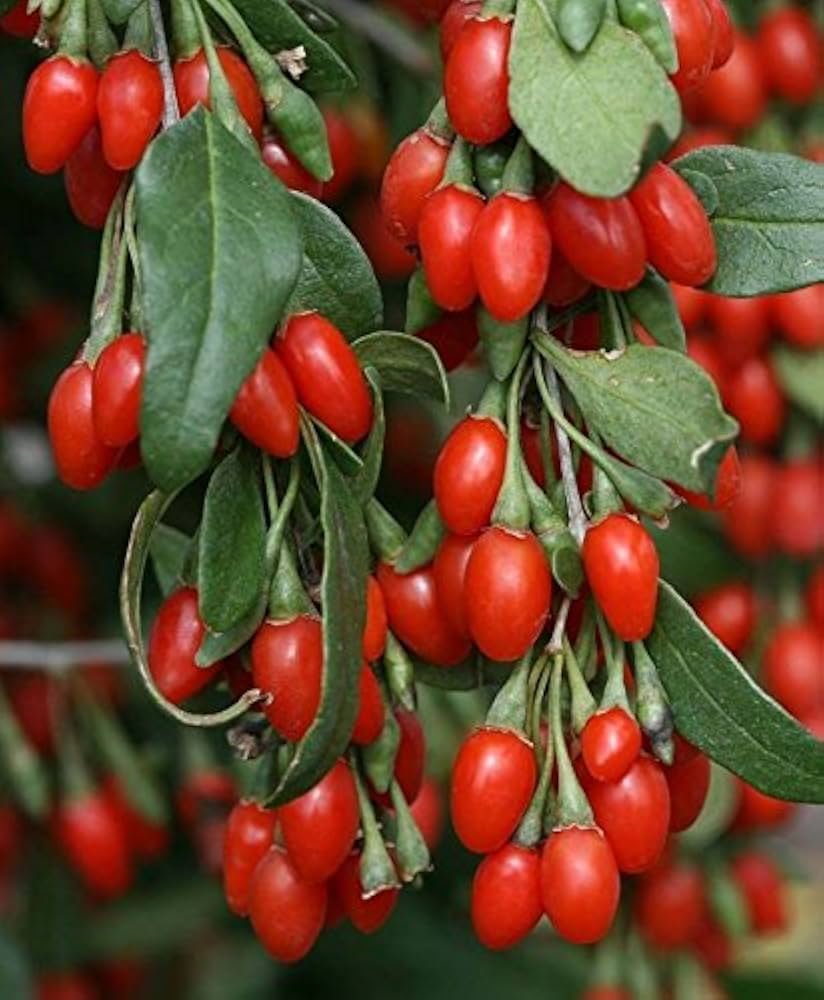
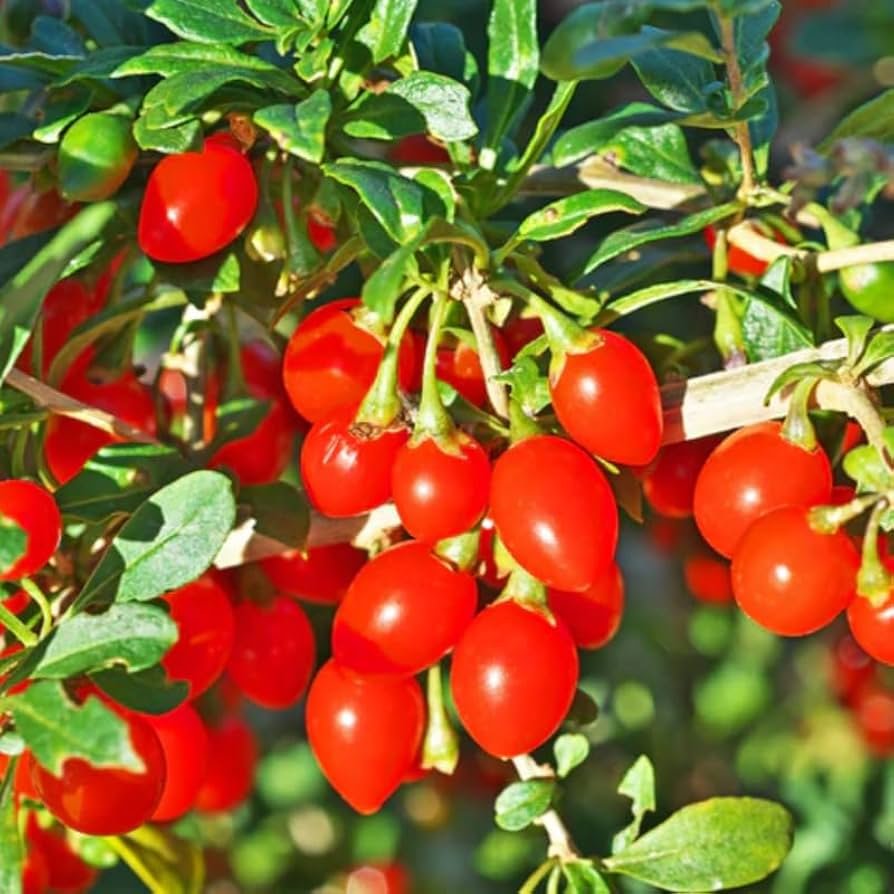
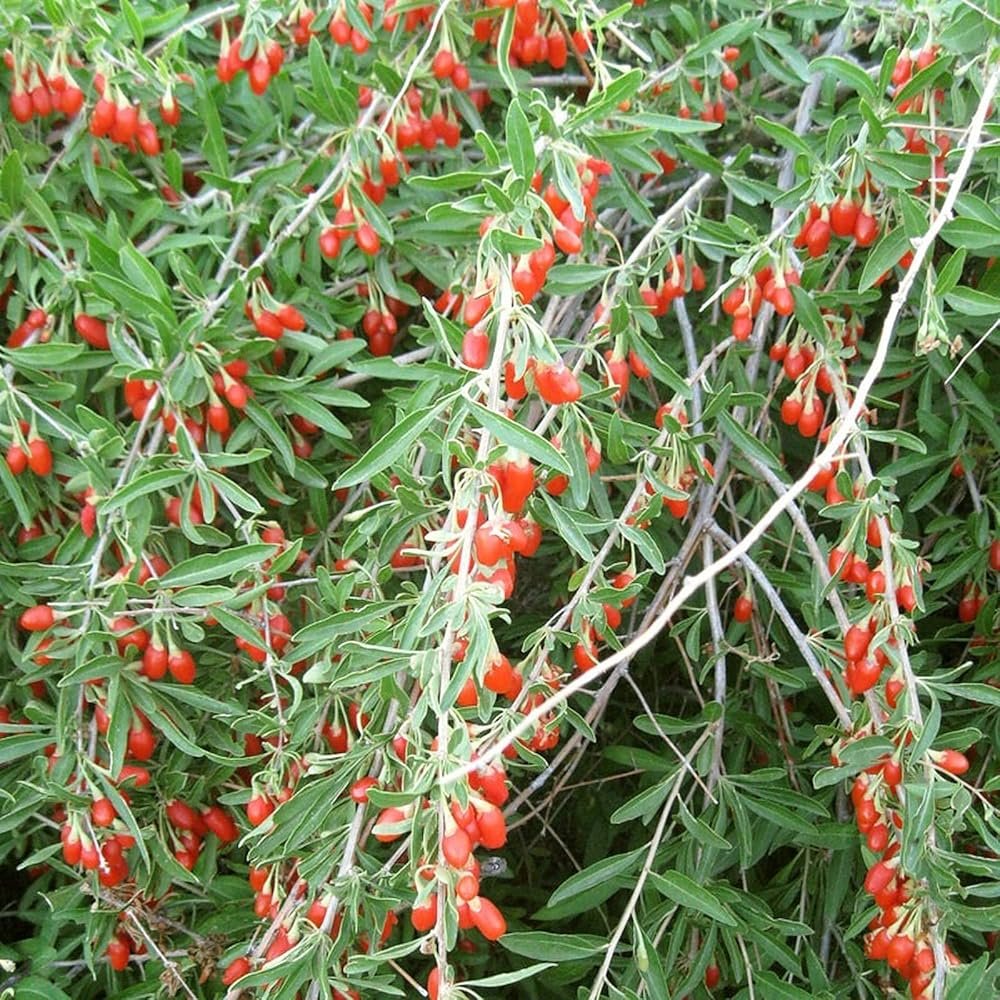
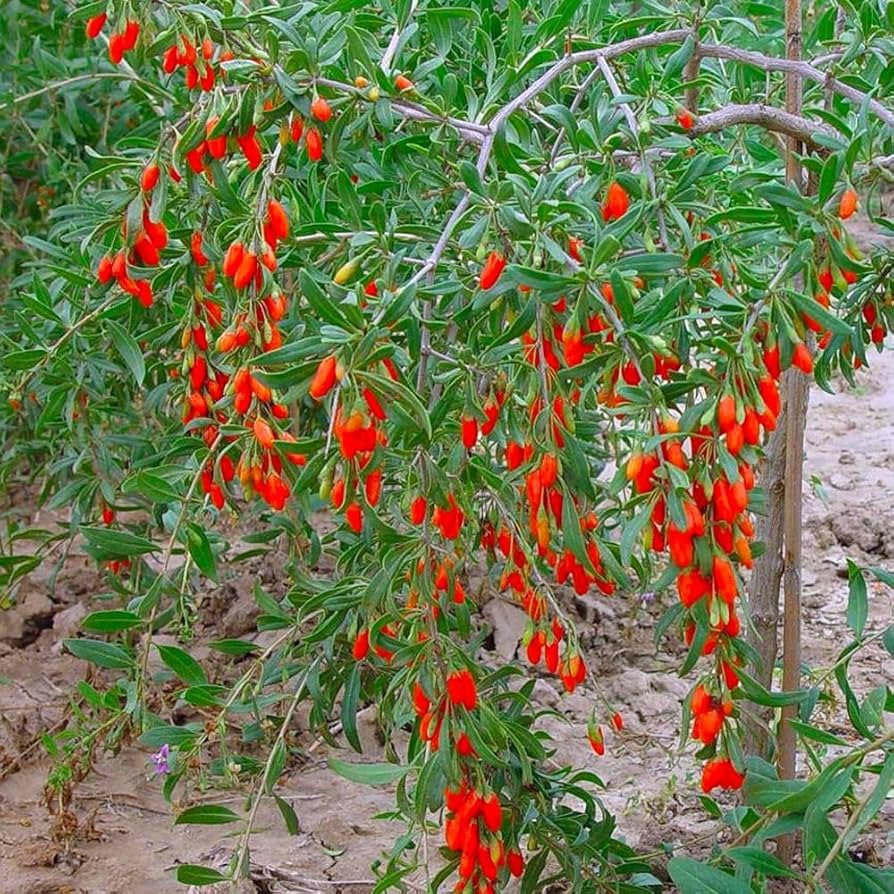
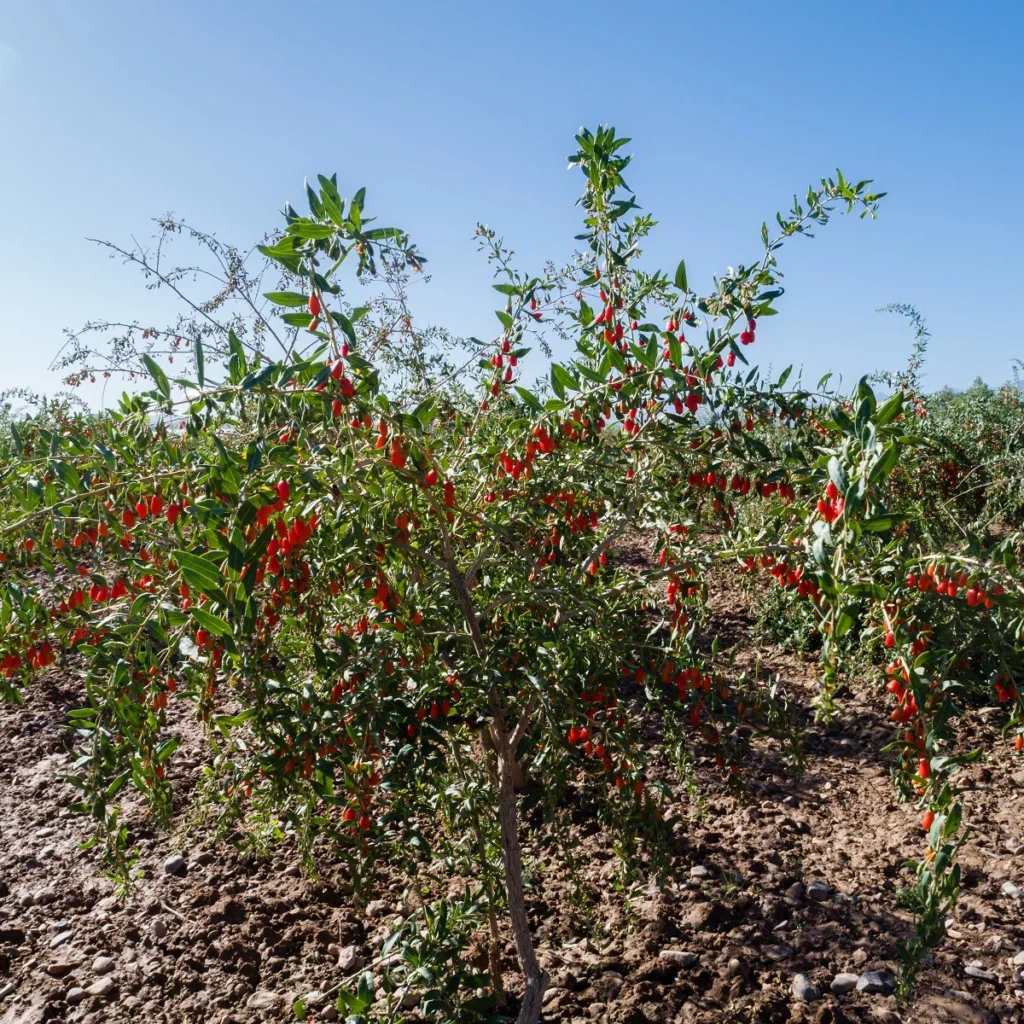
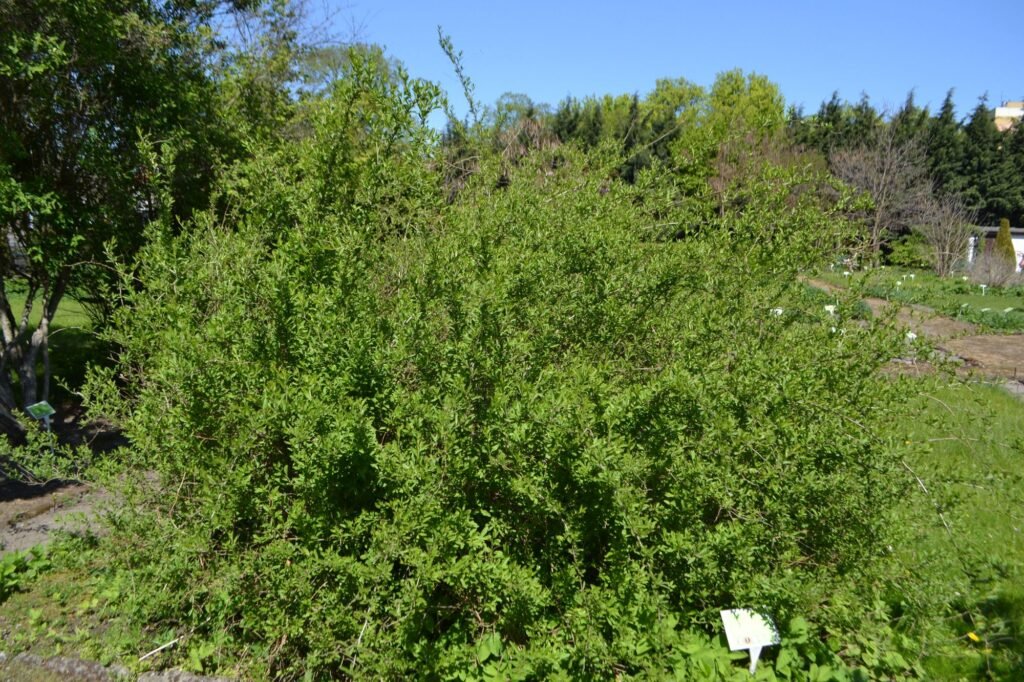
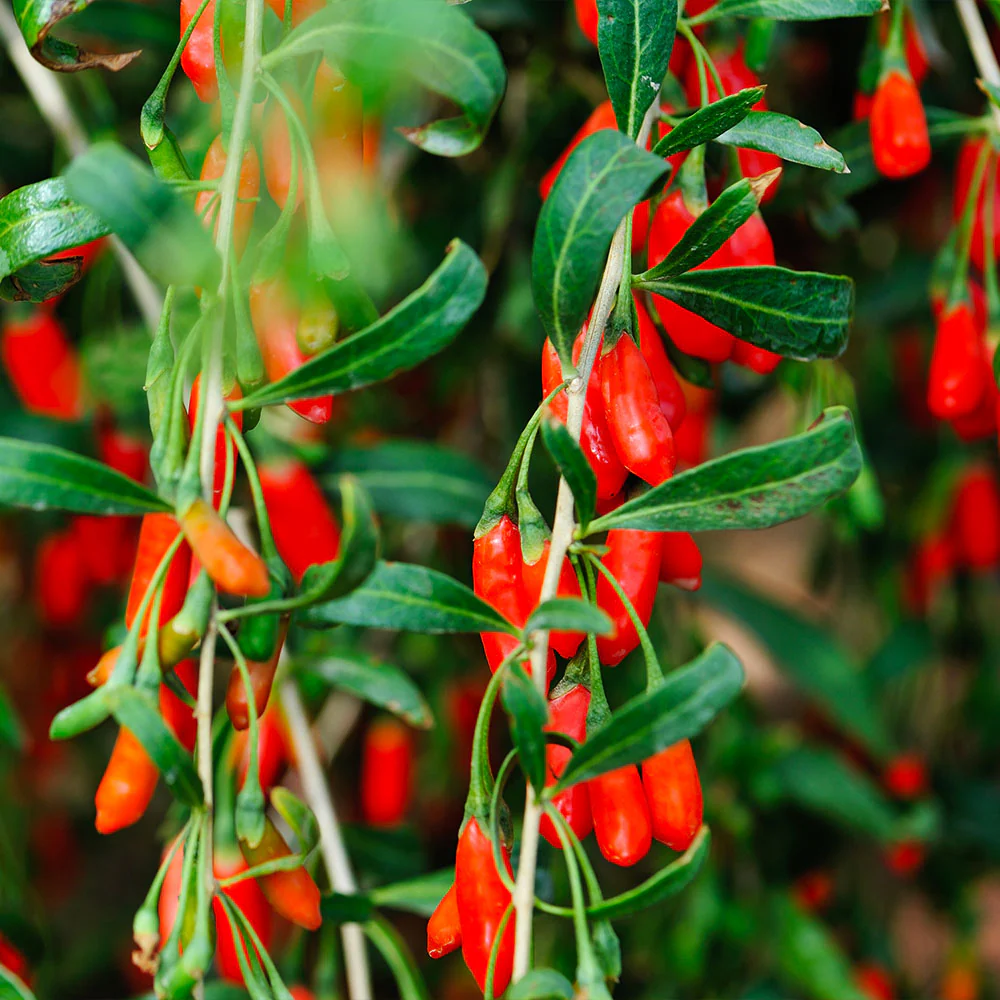
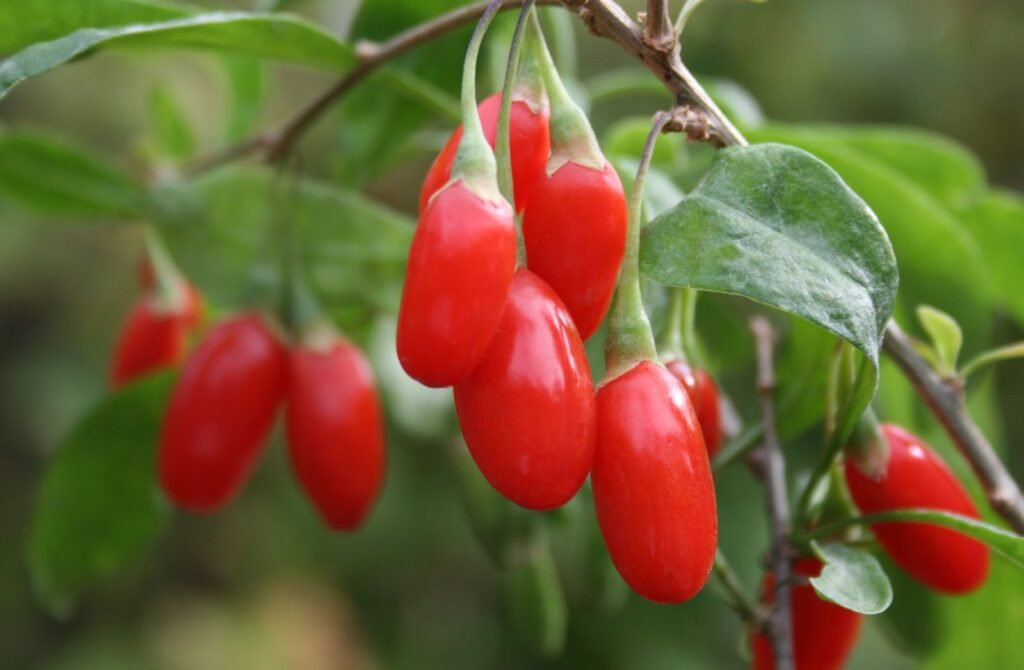
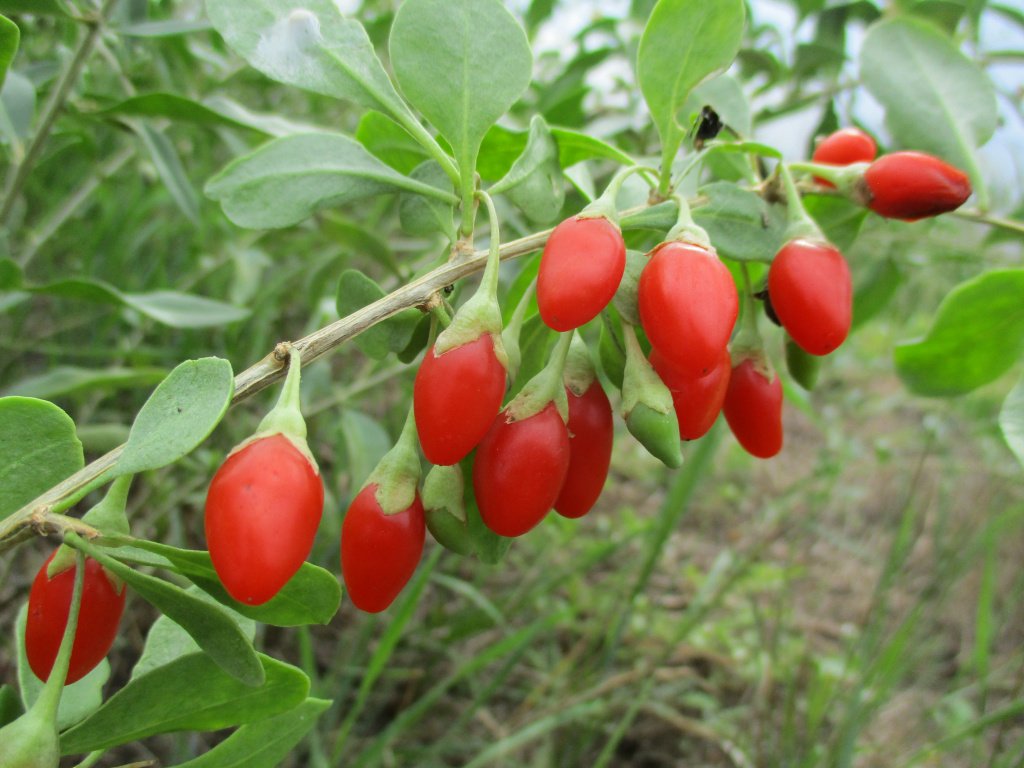
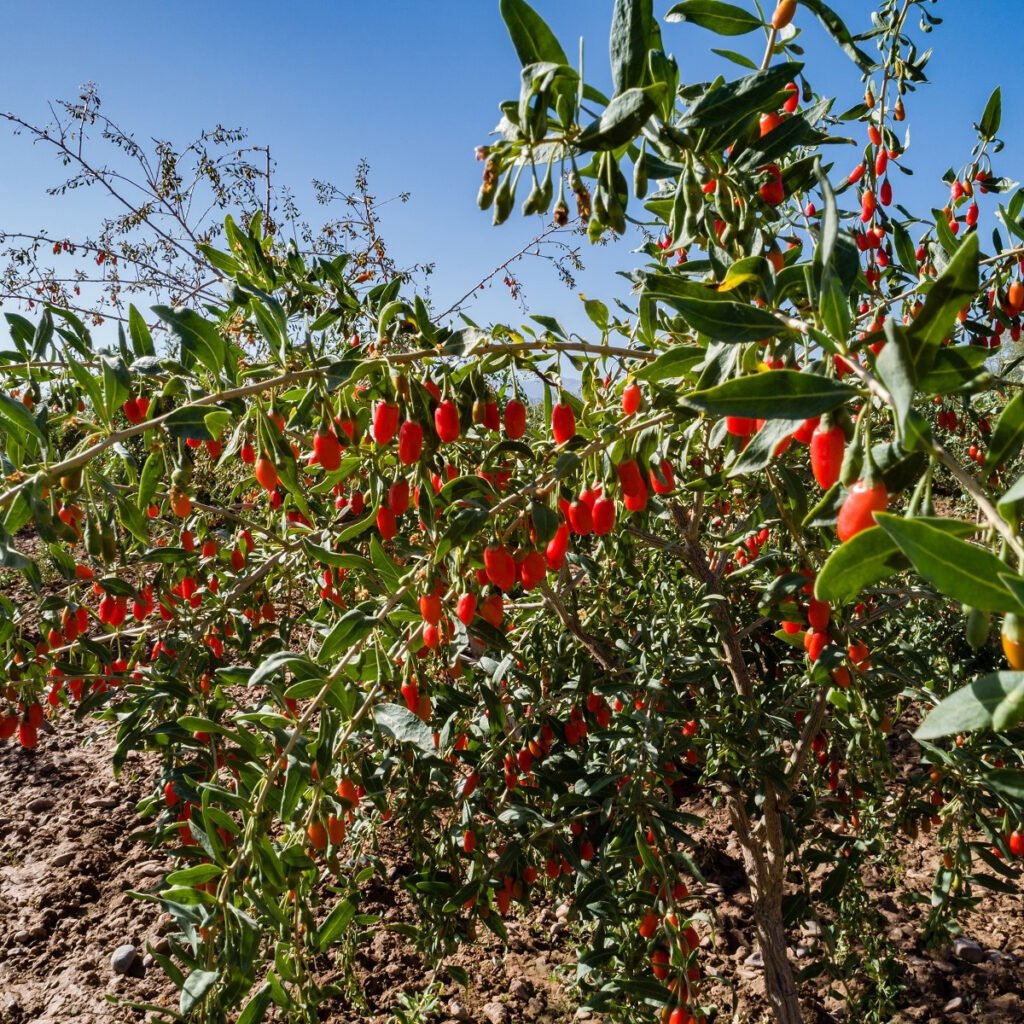
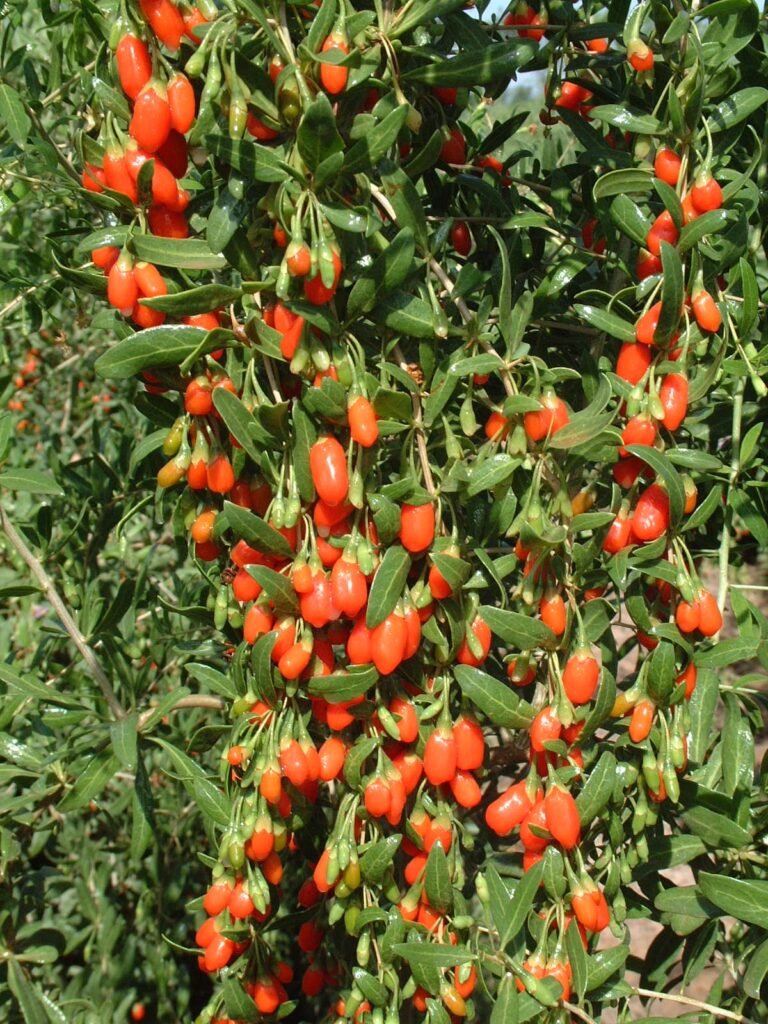
Chinese Boxthorn is a deciduous, woody shrub belonging to the nightshade family (Solanaceae). It typically grows 1–2 meters tall and features arching branches, narrow green leaves, small purple flowers, and bright red berries.
Unlike common ornamental shrubs, nearly every part of this plant has value—making it a favorite among gardeners interested in edible landscaping, permaculture, and traditional food plants.
Key characteristics:
- Fast-growing and drought-tolerant
- Produces edible berries and leaves
- Thrives in diverse climates
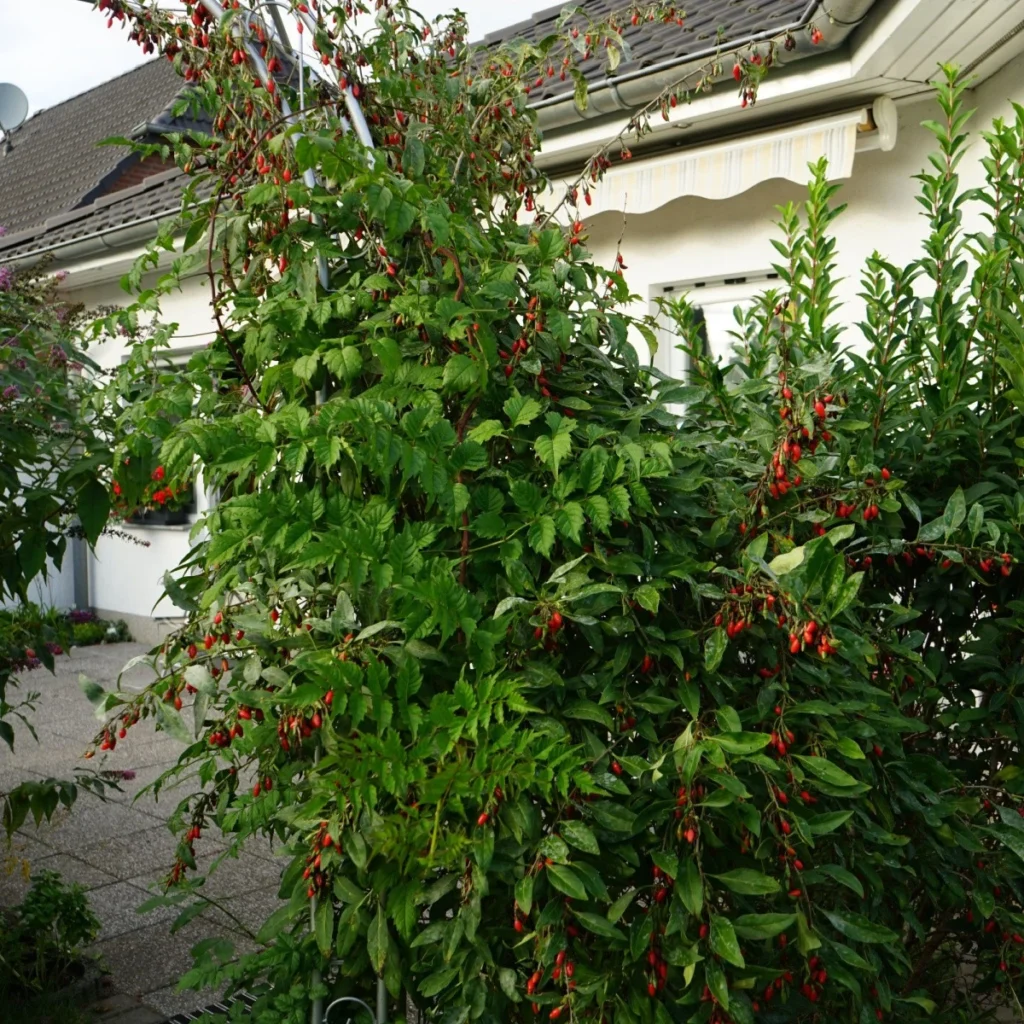
- Suitable for hedges, borders, and containers
How to Grow Chinese Boxthorn Successfully
Climate and Hardiness
Chinese Boxthorn thrives in temperate to subtropical regions and tolerates a wide temperature range. Once established, it handles frost, heat, wind, and mild drought with ease.
- Ideal growing zones: mild winters, warm summers
- Frost tolerance: established plants handle light to moderate frost
- Heat tolerance: excellent, especially in dry climates
Sunlight Requirements
For maximum berry production, plant Chinese Boxthorn in full sun.
- Best results: 6–8 hours of direct sunlight daily
- Partial shade: acceptable but may reduce flowering and fruiting
Soil Preferences
One of the plant’s biggest advantages is its soil adaptability.
- Prefers: well-draining loamy or sandy soil
- Tolerates: poor, rocky, or slightly saline soil
- Avoid: waterlogged or heavy clay soils
A neutral to slightly alkaline pH encourages strong growth.
Watering Needs
Chinese Boxthorn is drought-tolerant once mature but benefits from consistent watering during establishment.
- Young plants: water regularly for the first growing season
- Mature plants: occasional deep watering during dry spells
- Overwatering: avoid to prevent root rot
Fertilization
This plant does not require heavy feeding.
- Apply compost or aged manure in early spring
- Light organic fertilizer boosts berry production
- Excess nitrogen encourages leaf growth at the expense of fruit
Propagation Methods for Chinese Boxthorn
Chinese Boxthorn is easy to propagate, making it ideal for gardeners who want multiple plants.
Propagation from Seeds
Seed propagation is straightforward but slower than cuttings.
Steps:
- Extract seeds from ripe berries
- Clean and dry them
- Sow in moist, well-draining seed mix
- Keep warm until germination (2–4 weeks)
Seed-grown plants may vary slightly in growth and fruit quality.
Propagation from Cuttings (Best Method)
Cuttings provide faster, more reliable results.
- Take semi-hardwood cuttings in late spring or summer
- Cut 10–15 cm healthy stems
- Remove lower leaves
- Plant in moist propagation medium
- Keep lightly shaded until roots form
Rooting usually occurs within a few weeks.
Propagation by Root Suckers
Mature plants often produce suckers.
- Dig and separate suckers in early spring
- Replant immediately
- Water well until established
Popular Varieties of Chinese Boxthorn
While Lycium chinense has fewer named cultivars than goji berry, several regional strains stand out.
Common Lycium chinense Types
- Traditional Chinese Boxthorn – Balanced berry flavor and strong medicinal reputation
- Large-berry strains – Selected for improved fruit size and yield
- Leaf-focused varieties – Grown primarily for edible leaves
Each variety performs well under similar growing conditions, so selection usually depends on intended use.
Pruning and Maintenance Tips
Regular pruning improves plant shape and berry production.
- Prune in late winter or early spring
- Remove dead, weak, or crossing branches
- Thin older stems to encourage new growth
- Light summer pruning controls size
Chinese Boxthorn can become sprawling if left unpruned, especially in fertile soil.
Uses of Chinese Boxthorn
Chinese Boxthorn is prized for both culinary and traditional uses.
Edible Uses
- Fresh or dried berries
- Young leaves cooked or used in soups
- Shoots used as leafy greens
Traditional Uses
For centuries, Chinese Boxthorn has been used in traditional food systems where it is valued as a nourishing plant ingredient rather than a quick remedy.
Garden and Landscape Uses
- Edible hedges
- Wildlife-friendly planting
- Erosion control on slopes
- Low-maintenance permaculture systems
Food Options and Culinary Ideas
Chinese Boxthorn is incredibly versatile in the kitchen.
Using the Berries
- Eaten fresh when fully ripe
- Sun-dried for long-term storage
- Added to teas and herbal infusions
- Mixed into porridge, rice dishes, or soups
- Used in jams, sauces, and baked goods
The flavor is mildly sweet with earthy undertones.
Using the Leaves
- Stir-fried like spinach
- Added to broths and soups
- Used in omelets or dumpling fillings
- Blended into green smoothies (young leaves only)
Simple Food Ideas
- Boxthorn berry rice bowl
- Leaf and vegetable stir-fry
- Dried berry herbal tea
- Savory soups with leaves and berries
When and How to Harvest Chinese Boxthorn
Harvesting Berries
Timing is critical for flavor and quality.
- Harvest when berries turn bright red and slightly soft
- Late summer through early autumn is ideal
- Pick gently to avoid bruising
Fresh berries are delicate and best consumed quickly.
Harvesting Leaves
- Pick young, tender leaves in spring and early summer
- Avoid overharvesting to maintain plant health
- Leaves can be used fresh or lightly dried
Harvesting Roots (Optional)
In some traditional systems, roots are harvested from mature plants after several years. This practice is optional and not necessary for home growers.
Drying and Storing Chinese Boxthorn
Drying Berries
- Spread berries in a single layer
- Air-dry in a shaded, well-ventilated area
- Alternatively, use low-temperature dehydration
Store dried berries in airtight containers away from light and moisture.
Storing Leaves
- Use fresh when possible
- Dry gently for later use in soups and teas
Common Pests and Problems
Chinese Boxthorn is generally pest-resistant.
Possible issues include:
- Aphids on new growth
- Spider mites in hot, dry conditions
- Root rot from overwatering
Good airflow, proper spacing, and moderate watering prevent most problems.
Why Grow Chinese Boxthorn at Home?
Chinese Boxthorn is an excellent choice for gardeners seeking:
- A low-maintenance edible plant
- Nutrient-dense homegrown food
- Drought-tolerant landscaping
- A multifunctional shrub with cultural heritage
Its adaptability and productivity make it suitable for beginners and experienced growers alike.
Final Thoughts
Chinese Boxthorn (Lycium chinense) is more than just a berry plant—it’s a resilient, productive, and versatile shrub that rewards minimal care with abundant harvests. Whether you grow it for its berries, leaves, ornamental value, or culinary potential, this plant deserves a place in modern edible gardens.
By understanding its growing needs, propagation methods, varieties, uses, food options, and harvesting techniques, you can enjoy Chinese Boxthorn for years to come—straight from your own garden.




&media=https://food-foresting.com/wp-content/uploads/2026/02/IMG_95740.jpg)