
 paulius.mikoliunas1
| Common Name | Mountain Ash, European mountain ash |
| Family | Rosaceae |
| USDA hardiness | 3-6 |
| Known Hazards |  Large quantities of the raw fruit can cause vomiting, especially if people are not used to the fruit. Seeds probably contain hydrogen cyanide. this is the ingredient that gives almonds their characteristic flavour. Unless the seed is very bitter it should be perfectly safe in reasonable quantities. In small quantities, hydrogen cyanide has been shown to stimulate respiration and improve digestion, it is also claimed to be of benefit in the treatment of cancer. In excess, however, it can cause respiratory failure and even death. Large quantities of the raw fruit can cause vomiting, especially if people are not used to the fruit. Seeds probably contain hydrogen cyanide. this is the ingredient that gives almonds their characteristic flavour. Unless the seed is very bitter it should be perfectly safe in reasonable quantities. In small quantities, hydrogen cyanide has been shown to stimulate respiration and improve digestion, it is also claimed to be of benefit in the treatment of cancer. In excess, however, it can cause respiratory failure and even death. |
| Habitats | Woods, scrub and mountain rocks, mainly on lighter soil, rare or absent on clays or soft limestones. It is found at higher elevations than any other native tree. |
| Range | Europe, including Britain, south and east from Iceland to Spain, Macedonia and the Caucasus. |
| Edibility Rating |   (2 of 5) (2 of 5) |
| Other Uses |   (3 of 5) (3 of 5) |
| Weed Potential | No |
| Medicinal Rating |   (2 of 5) (2 of 5) |
| Care (info) |     |
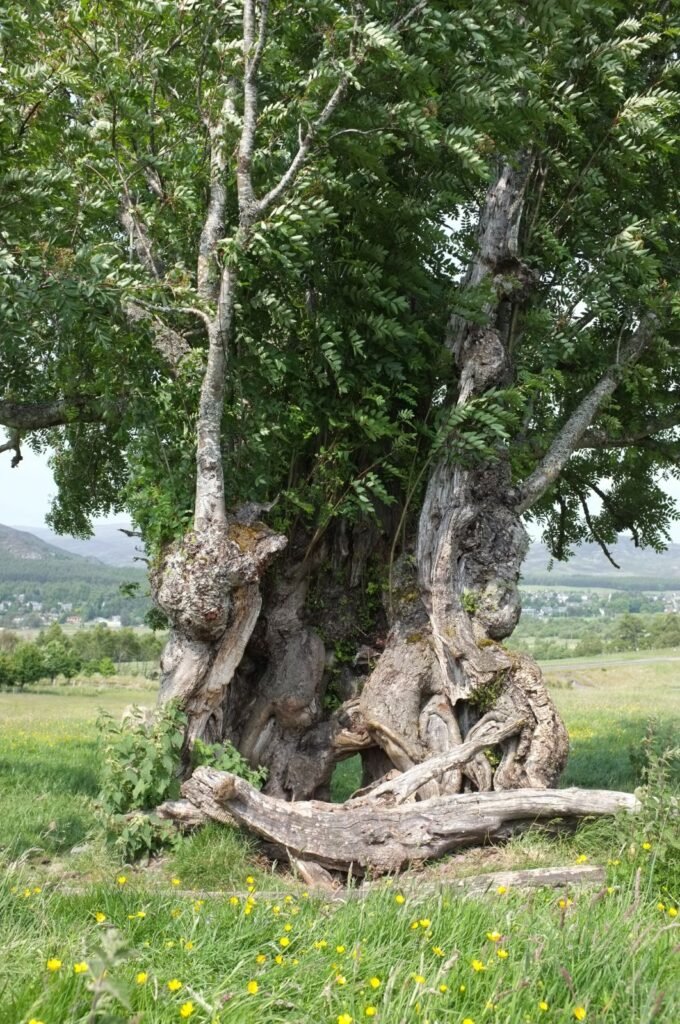
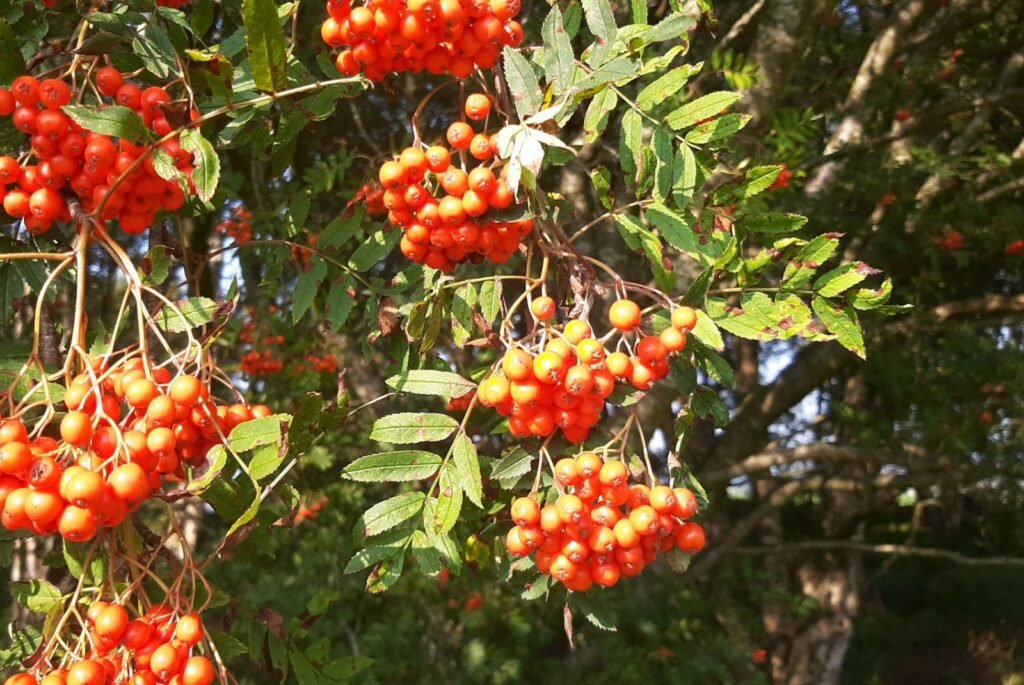
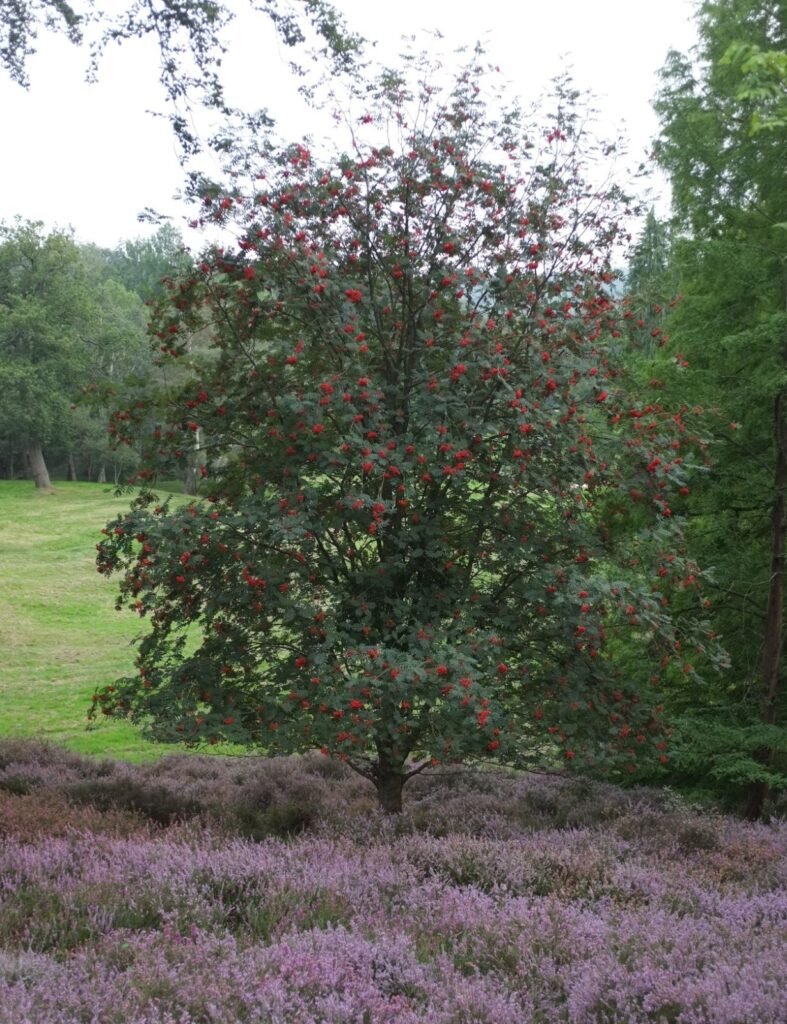
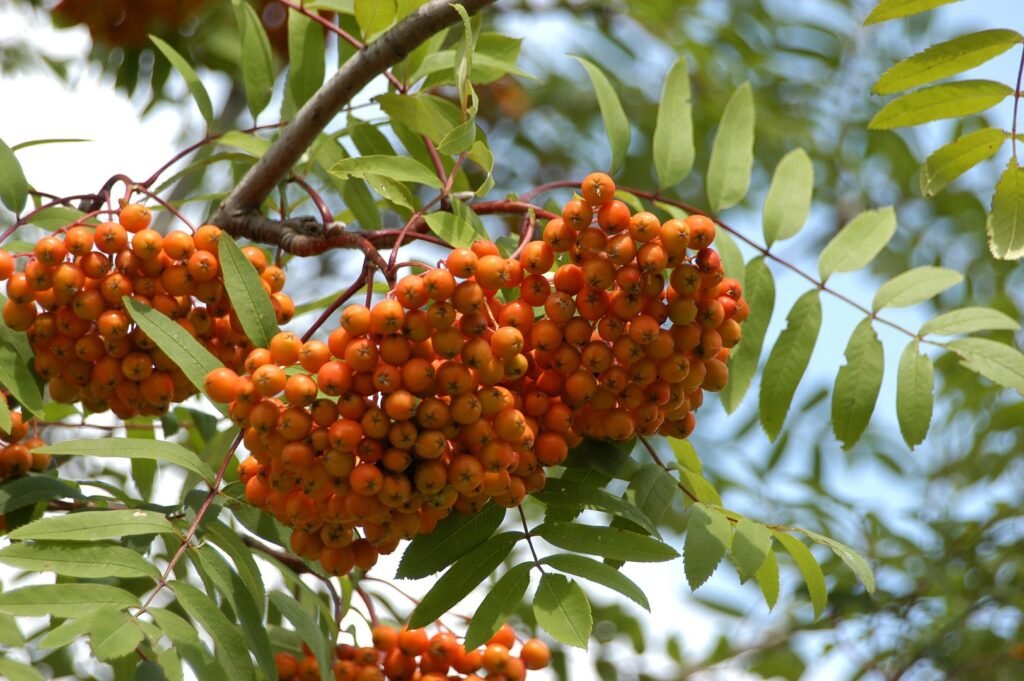
Mountain Ash (Sorbus aucuparia): Complete Growing, Care, Propagation, and Harvest Guide
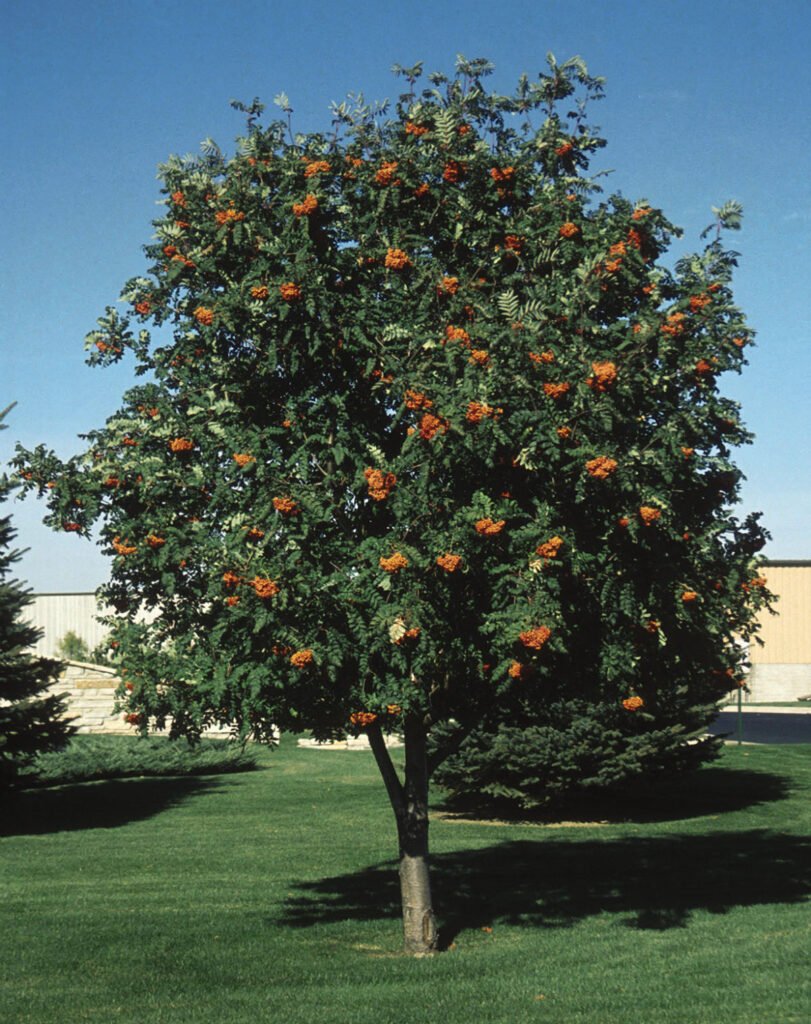
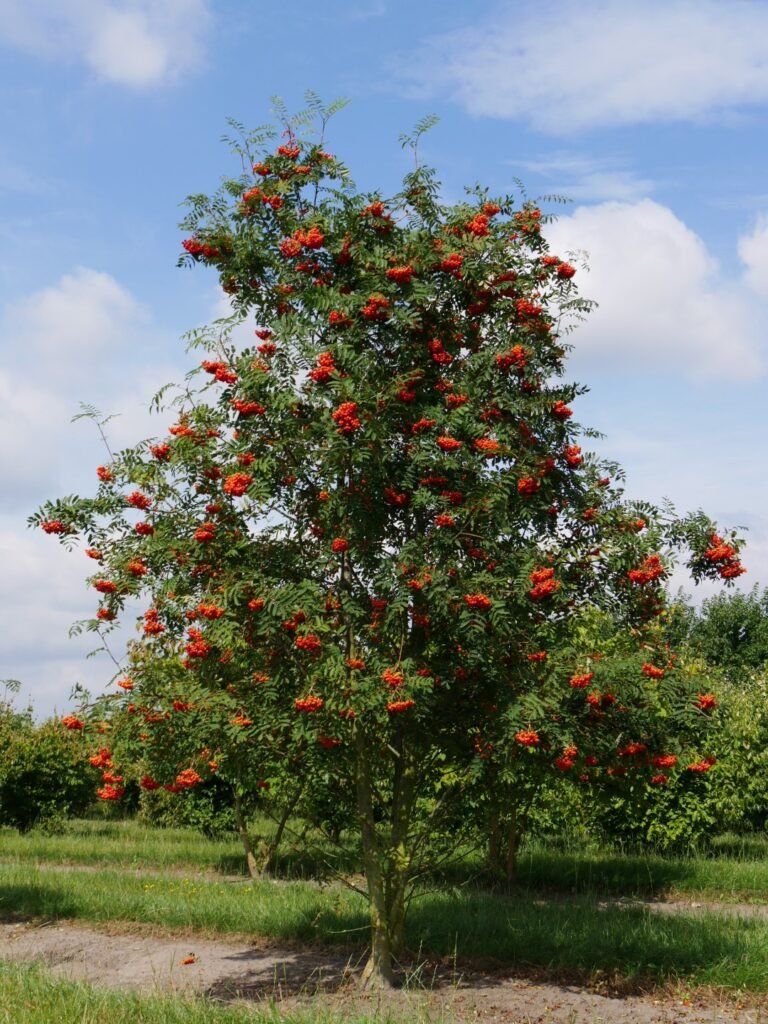
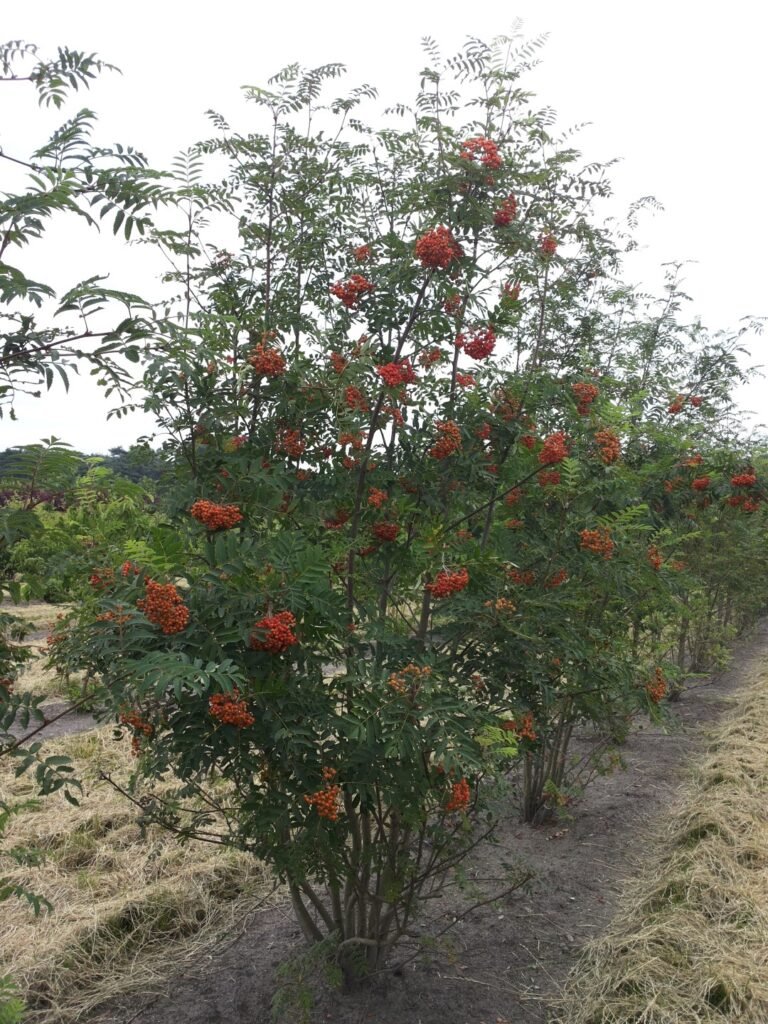
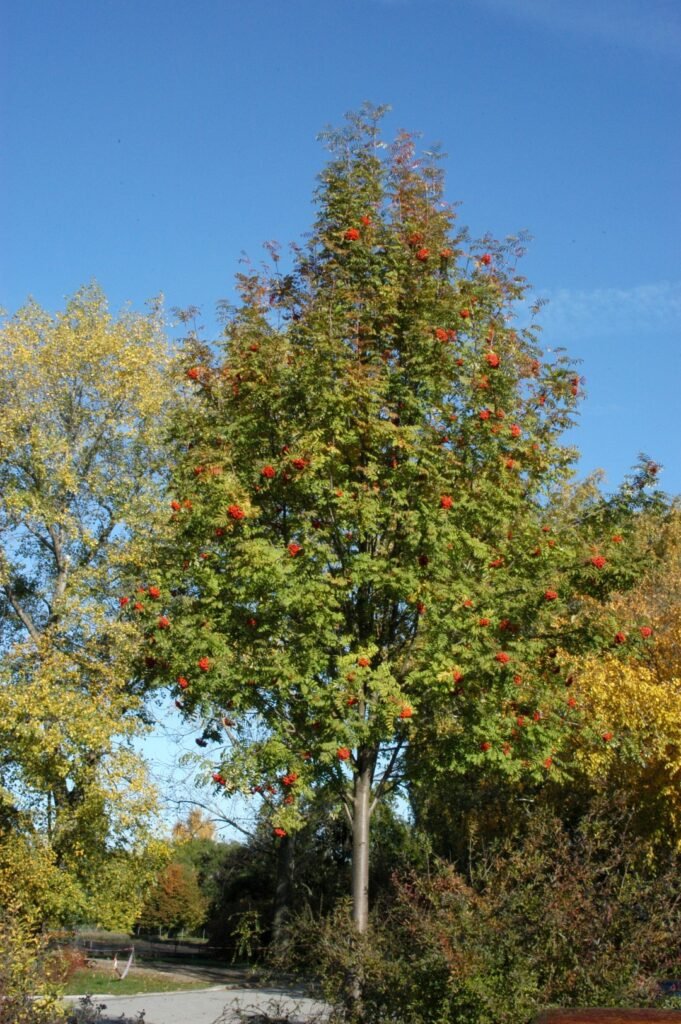
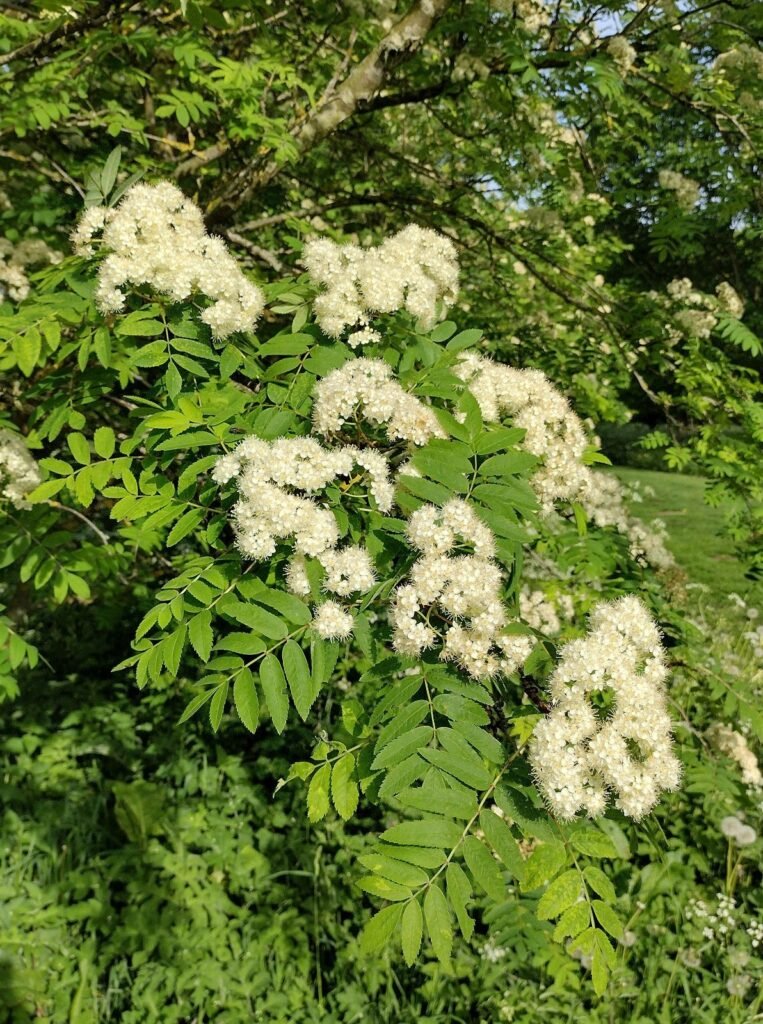
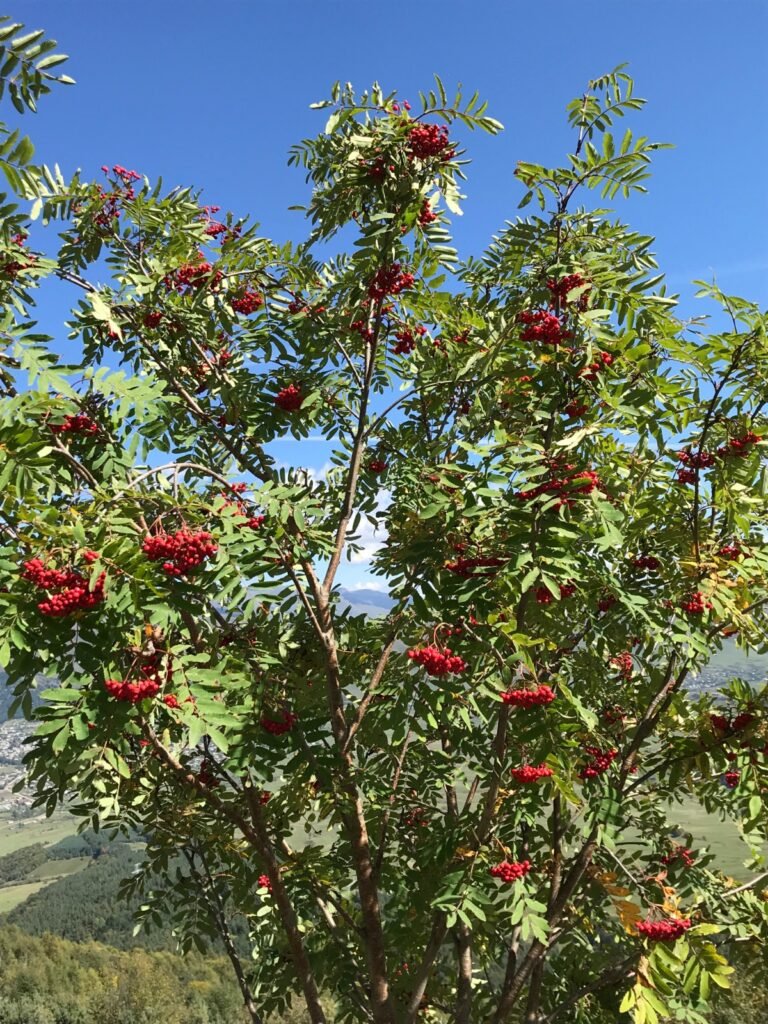
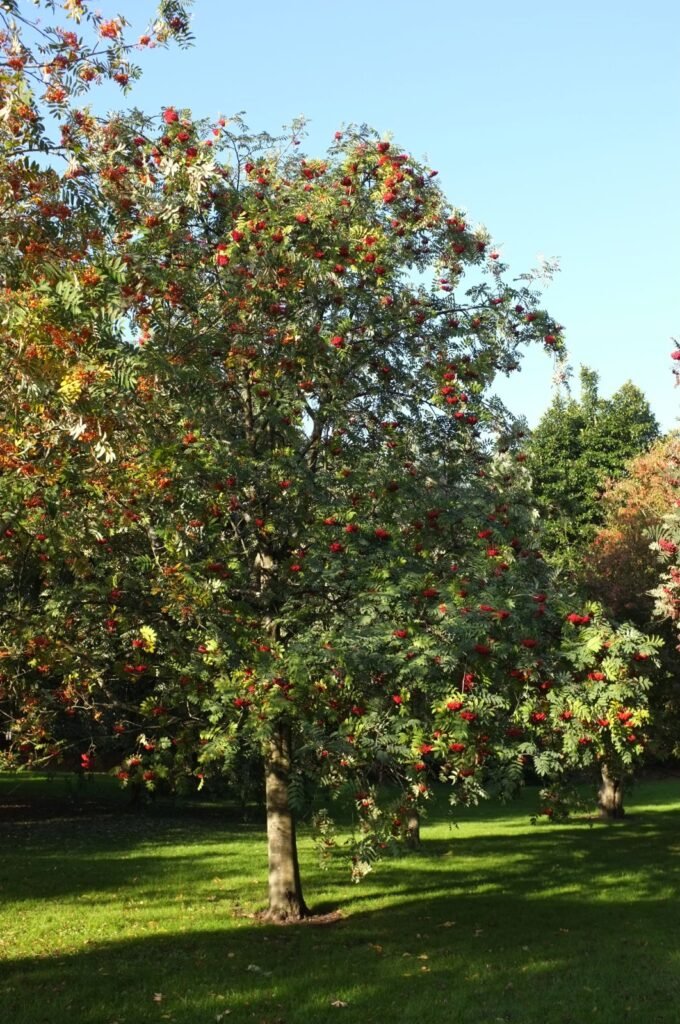
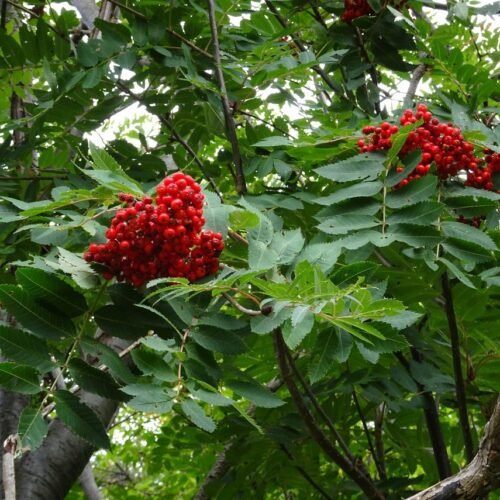
The Mountain Ash (Sorbus aucuparia), often called European Rowan, is a beautiful deciduous tree known for its clusters of bright red berries, delicate fern-like leaves, and ornamental appeal. Native to much of Europe and parts of Asia, this hardy tree thrives in cool climates and is widely planted in gardens, parks, and landscapes for its decorative value and wildlife benefits.
Beyond its beauty, Mountain Ash also produces edible berries used in traditional foods, preserves, and beverages. In this complete guide, you’ll learn how to grow Mountain Ash, propagate it, choose varieties, harvest the berries, and use them in cooking.
Overview of Mountain Ash (Sorbus aucuparia)
Mountain Ash belongs to the rose family (Rosaceae) and grows naturally in forests, hillsides, and mountainous areas. Despite the name, it is not a true ash tree but was named for its similar leaf shape.
Key characteristics
- Botanical name: Sorbus aucuparia
- Common names: Rowan, European Mountain Ash, Rowanberry Tree
- Plant type: Deciduous ornamental tree
- Mature height: 20–50 ft (6–15 m)
- Spread: 15–30 ft (4–9 m)
- Sun requirements: Full sun to partial shade
- Soil preference: Moist, well-drained soil
- Hardiness: USDA zones 3–7
The tree produces white flower clusters in spring followed by bright orange-red berries in late summer and autumn.
How to Grow Mountain Ash
Growing Mountain Ash is relatively easy because the tree is adaptable and tolerant of cold climates.
Climate Requirements
Mountain Ash thrives in cool temperate climates and tolerates frost extremely well. It prefers areas with mild summers and cold winters.
Ideal conditions include:
- Cool to moderate summer temperatures
- Winter dormancy period
- Moderate rainfall or irrigation
Hot, dry climates can stress the tree, especially young specimens.
Sunlight
For the best flowering and fruit production:
- Plant in full sun (6–8 hours daily)
- Partial shade is tolerated but may reduce berry yield
Trees planted in full sunlight develop stronger growth and more vibrant berry clusters.
Soil Requirements
Mountain Ash prefers fertile, slightly acidic soil, though it adapts to many soil types.
Best soil characteristics:
- Well-drained loamy soil
- pH between 5.5 and 7
- Good organic matter content
Avoid waterlogged soils because excessive moisture can lead to root diseases.
Planting Mountain Ash
Step-by-Step Planting
- Choose a sunny location with enough space for the mature canopy.
- Dig a hole twice as wide as the root ball.
- Mix compost with the removed soil.
- Place the tree at the same depth it grew in the nursery container.
- Backfill the hole and water deeply.
- Apply mulch around the base to conserve moisture.
Water regularly during the first growing season to establish strong roots.
Propagation Methods
Mountain Ash can be propagated using several methods depending on your gardening experience.
Growing From Seeds
Seeds are the most common propagation method.
Steps
- Collect ripe berries in autumn.
- Remove the pulp from the seeds.
- Cold stratify seeds for 3–4 months in moist sand in a refrigerator.
- Sow seeds in seed trays in early spring.
- Keep soil moist until germination.
Seed-grown trees may take 5–8 years to produce berries.
Propagation by Cuttings
Semi-hardwood cuttings can also grow new trees.
Steps include:
- Take 6–8 inch cuttings in summer.
- Remove lower leaves.
- Dip the base in rooting hormone.
- Plant in moist propagation soil.
- Keep humidity high until roots develop.
Rooting success varies but is faster than seed propagation.
Grafting
Commercial nurseries often propagate Mountain Ash through grafting, ensuring identical traits to the parent tree. This method is mainly used for ornamental cultivars.
Popular Mountain Ash Varieties
Several cultivated varieties of Mountain Ash exist, each with unique features.
1. Sorbus aucuparia ‘Fastigiata’
- Narrow upright growth
- Ideal for small gardens
- Attractive column shape
2. Sorbus aucuparia ‘Edulis’
- Larger berries
- Milder flavor
- Better for culinary use
3. Sorbus aucuparia ‘Sheerwater Seedling’
- Heavy berry production
- Good resistance to disease
- Popular ornamental tree
4. Sorbus aucuparia ‘Autumn Spire’
- Upright growth habit
- Strong fall color
- Compact landscape tree
These varieties offer options for both decorative landscaping and fruit harvesting.
Caring for Mountain Ash Trees
Once established, Mountain Ash requires relatively little maintenance.
Watering
- Young trees: water weekly during dry periods
- Mature trees: generally drought tolerant but benefit from occasional deep watering
Fertilization
Feed in early spring using:
- Balanced slow-release fertilizer
- Organic compost or manure
Avoid excessive nitrogen which may reduce berry production.
Pruning
Prune during late winter or early spring.
Remove:
- Dead or diseased branches
- Crossing limbs
- Weak growth
Light pruning maintains shape and improves air circulation.
Pest and Disease Management
Mountain Ash may occasionally encounter pests and diseases.
Common issues include:
- Aphids
- Sawfly larvae
- Fire blight
- Leaf spot
- Powdery mildew
Preventive measures include good spacing, proper pruning, and maintaining tree health.
Harvesting Mountain Ash Berries
Mountain Ash berries typically ripen from late summer to early autumn.
Signs of Ripeness
- Bright red or orange color
- Soft texture
- Easily detach from clusters
Harvest by cutting whole clusters with pruning shears.
Post-Harvest Handling
Fresh berries are very bitter due to natural compounds, but the bitterness decreases after frost or freezing.
Common methods to improve flavor include:
- Freezing berries for several days
- Cooking or processing them
- Combining with sweeter fruits
Culinary Uses of Rowan Berries
Although rarely eaten raw, rowan berries have been used in traditional European cuisine for centuries.
Rowan Berry Jam
A popular preserve made by combining rowan berries with sugar and apples to balance the bitterness.
Rowan Jelly
Rowan jelly pairs well with roasted meats and cheeses and is widely used in traditional British and Scandinavian dishes.
Rowan Berry Syrup
The berries can be boiled with sugar and water to create a flavorful syrup used in drinks and desserts.
Rowan Berry Wine and Liqueurs
Fermented rowan beverages have long been produced in Northern Europe and offer a unique tart flavor.
Wildlife Benefits
Mountain Ash is extremely valuable for wildlife.
The berries provide food for:
- Thrushes
- Waxwings
- Blackbirds
- Many other bird species
The tree also supports pollinators during its spring bloom.
Landscaping Uses
Gardeners frequently plant Mountain Ash for its ornamental qualities.
Landscape benefits include:
- Spring flowers
- Bright autumn berries
- Vibrant fall foliage
- Attractive bark and structure
It works well in:
- Cottage gardens
- Wildlife gardens
- Woodland edges
- Urban landscaping
Health and Nutritional Value
Rowan berries contain several beneficial nutrients including:
- Vitamin C
- Antioxidants
- Organic acids
- Pectin
However, raw berries contain parasorbic acid, which can cause stomach discomfort. Cooking or freezing neutralizes this compound.
Final Thoughts
Mountain Ash (Sorbus aucuparia) is a versatile and hardy tree that combines ornamental beauty, wildlife support, and culinary potential. With its graceful foliage, spring blossoms, and vibrant berry clusters, it brings year-round interest to gardens and landscapes.
By choosing the right growing location, practicing proper propagation techniques, and harvesting berries at the right time, gardeners can enjoy both the aesthetic and edible benefits of this remarkable tree for decades.
Whether planted as a decorative feature, wildlife tree, or traditional fruit source, Mountain Ash remains one of the most rewarding trees for temperate climates.


&media=https://food-foresting.com/wp-content/uploads/2026/03/sorbus-aucuparia-var-edulis.jpg)