
 paulius.mikoliunas1
| Common Name | Bunya-Bunya, Monkey Puzzle Tree, False Monkey Puzzle |
| Family | Araucariaceae |
| USDA hardiness | 9-11 |
| Known Hazards | None known |
| Habitats | Rich volcanic soils in moist valleys at low elevations near the coast. |
| Range | Australia – Queensland. |
| Edibility Rating |   (3 of 5) (3 of 5) |
| Other Uses |   (2 of 5) (2 of 5) |
| Weed Potential | No |
| Medicinal Rating |  (0 of 5) (0 of 5) |
| Care (info) |     |
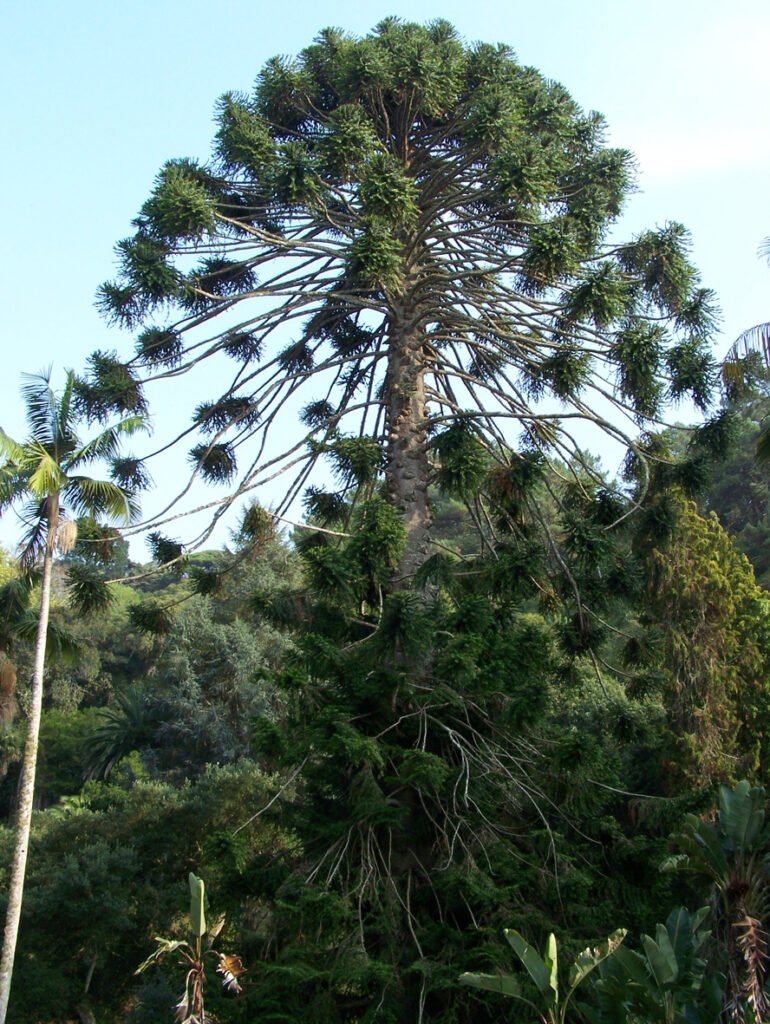
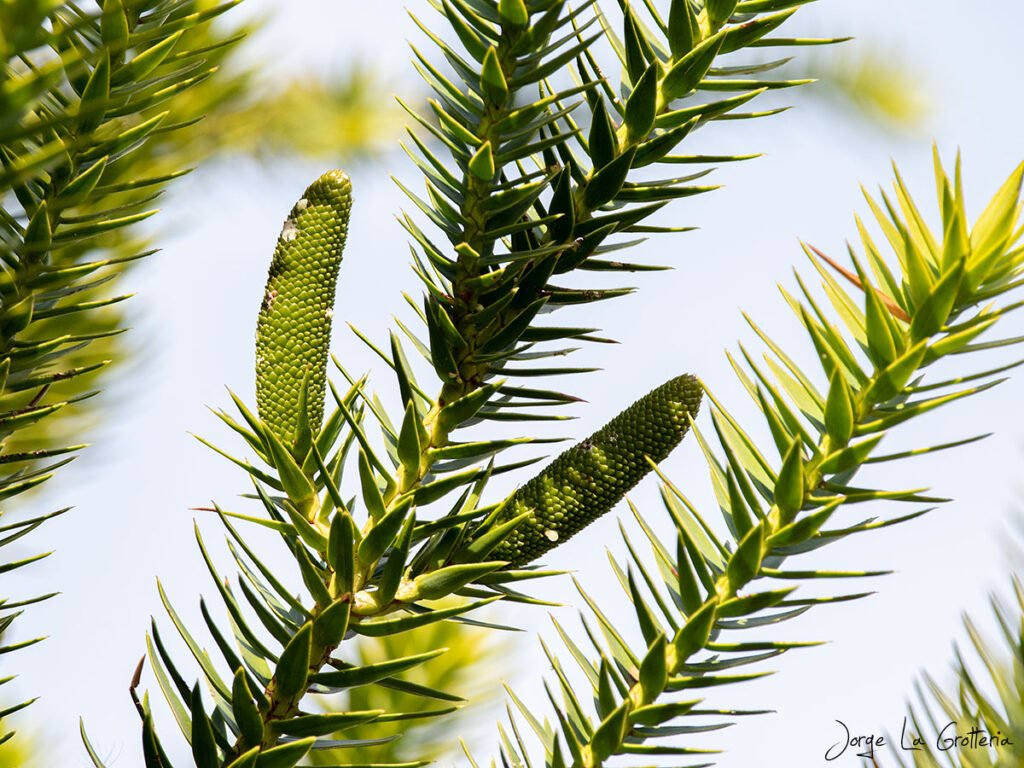
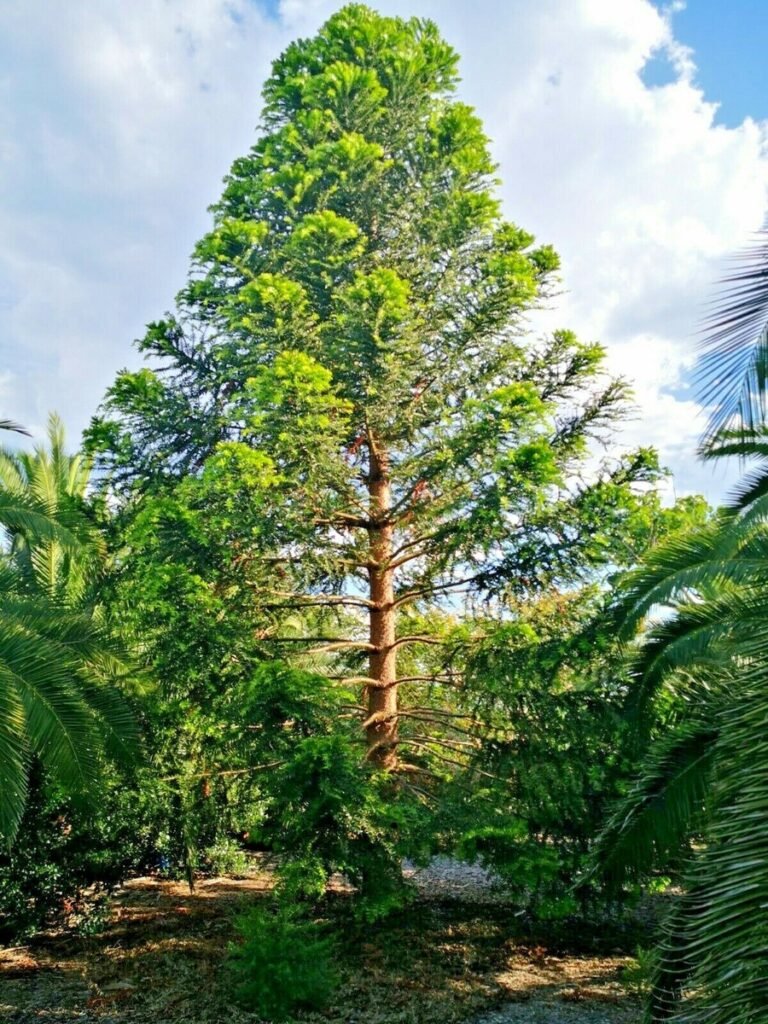
Bunya Pine (Araucaria bidwillii): Complete Guide to Growing, Propagation, Varieties, Uses, Food & Harvest
Introduction to Bunya Pine
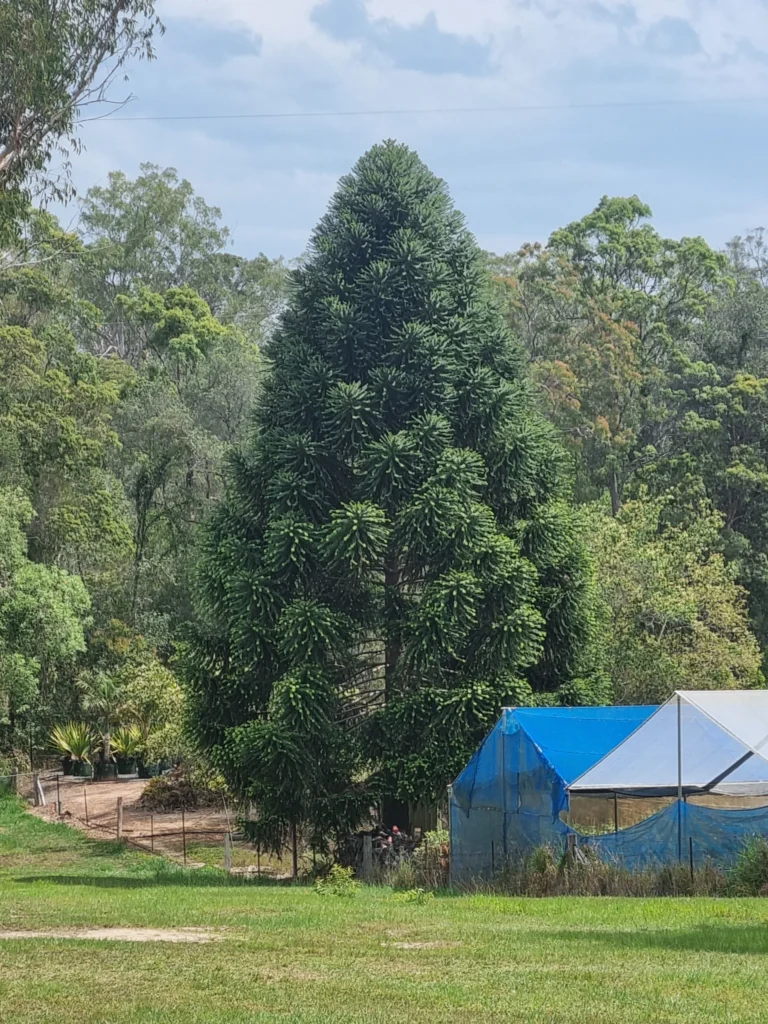
The Bunya Pine (Araucaria bidwillii) is a majestic, long-lived evergreen conifer native to Australia and revered for its cultural, ecological, and nutritional value. Known for its massive cones, architectural form, and edible nuts, the Bunya Pine has become increasingly popular among landscape designers, permaculture growers, and rare tree collectors worldwide.
This SEO-optimized, in-depth guide covers everything you need to know about how to grow Bunya Pine successfully—propagation methods, varieties, uses, food options, harvesting techniques, and long-term care.
Botanical Overview
- Scientific name: Araucaria bidwillii
- Common names: Bunya Pine, Bunya-Bunya, Bunya Tree
- Family: Araucariaceae
- Tree type: Evergreen conifer
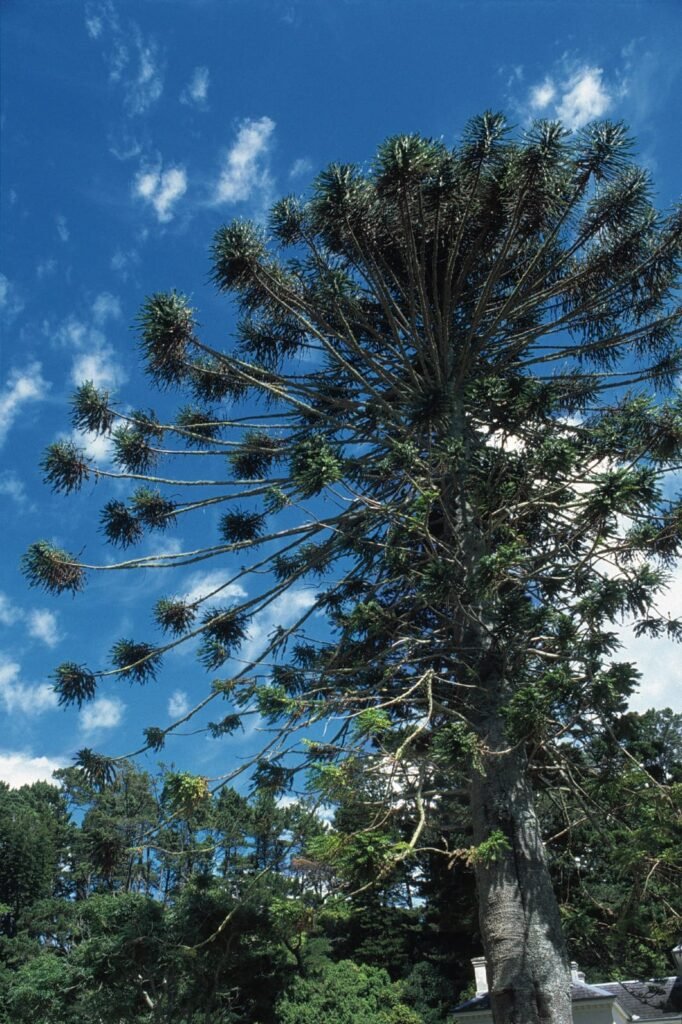
- Mature height: 30–45 meters (100–150 feet)
- Lifespan: Several hundred years
- Growth rate: Slow to moderate
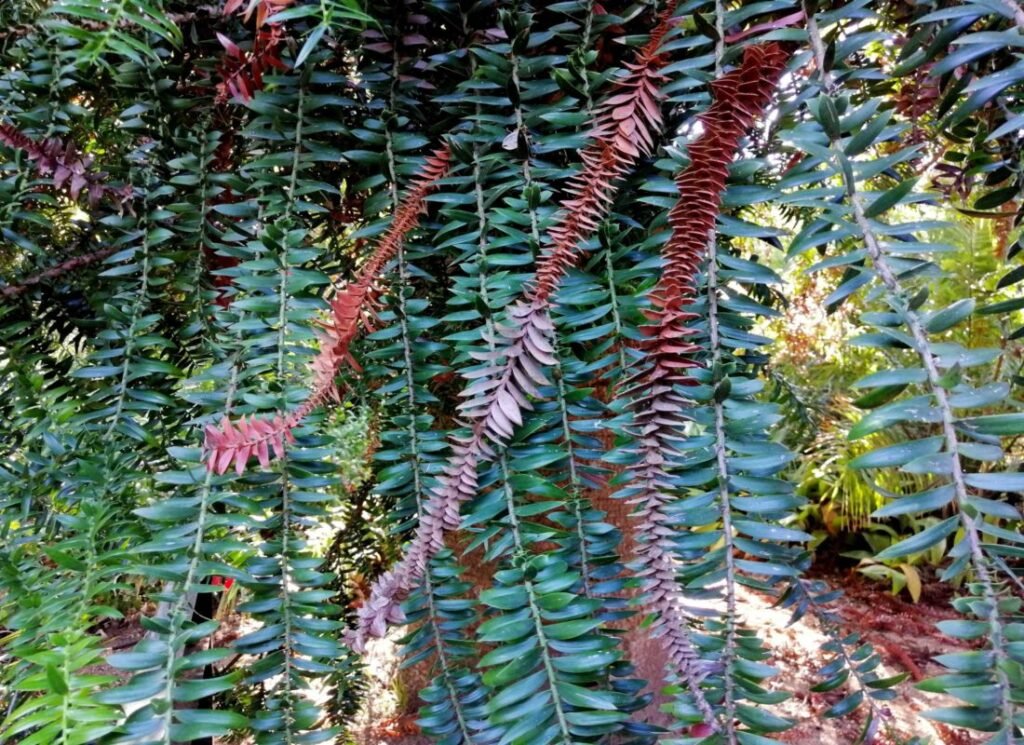
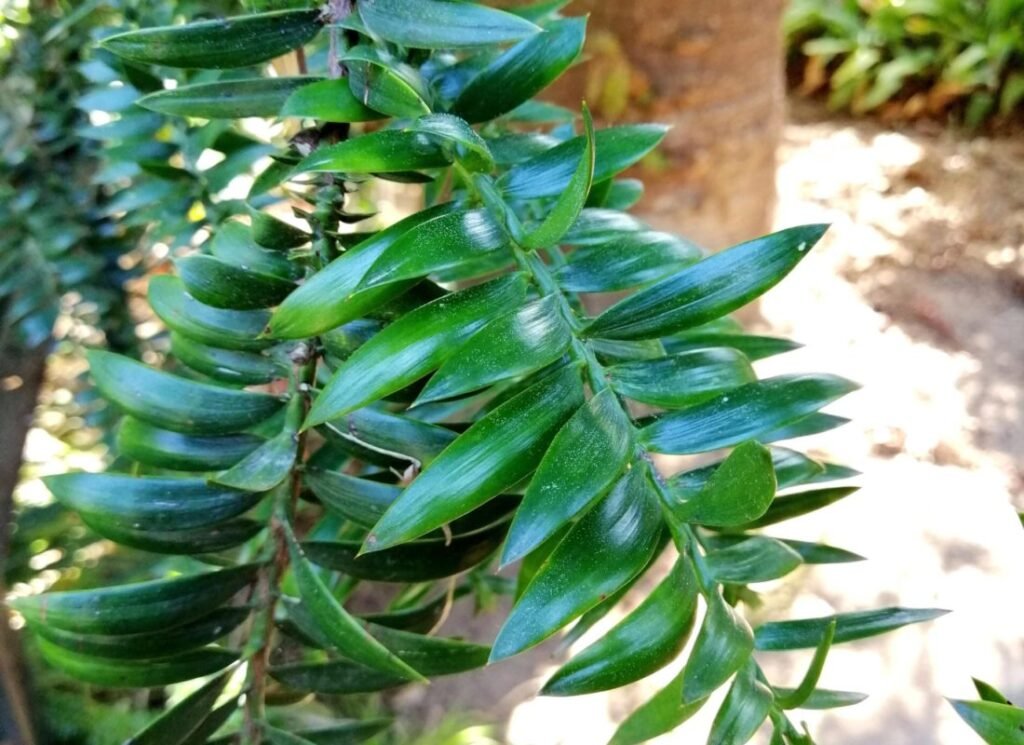
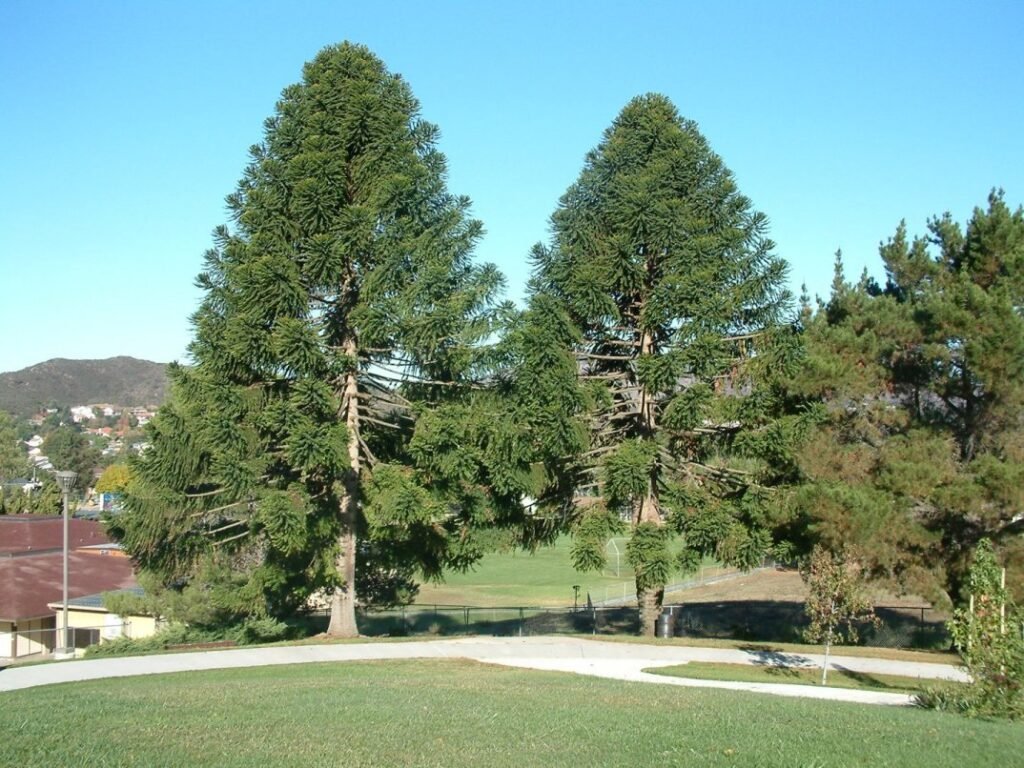
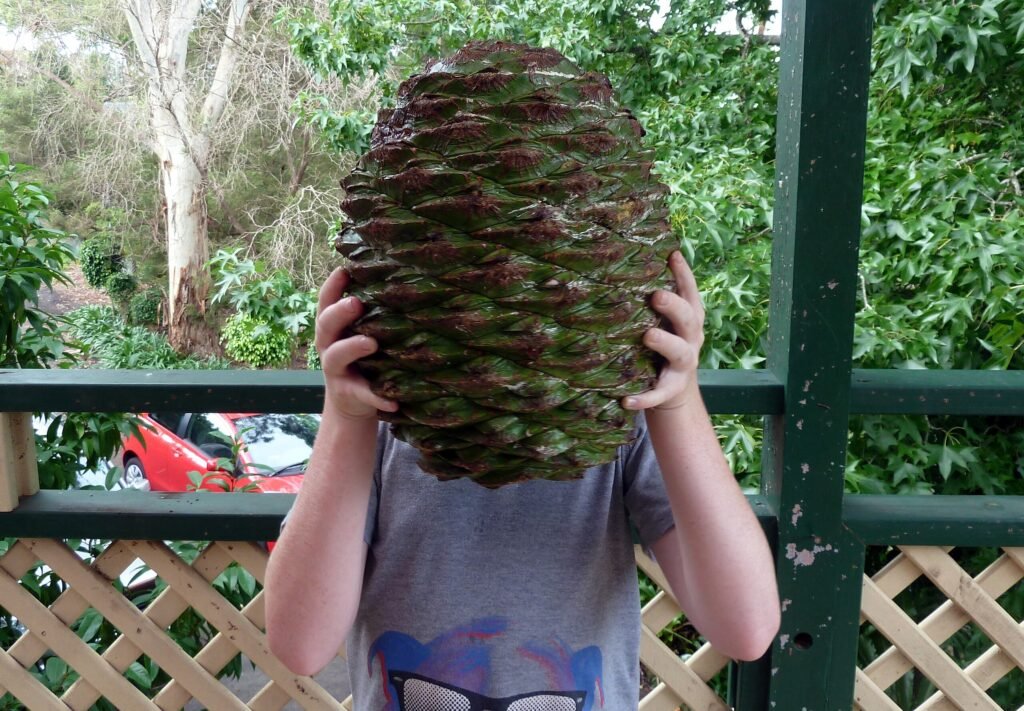
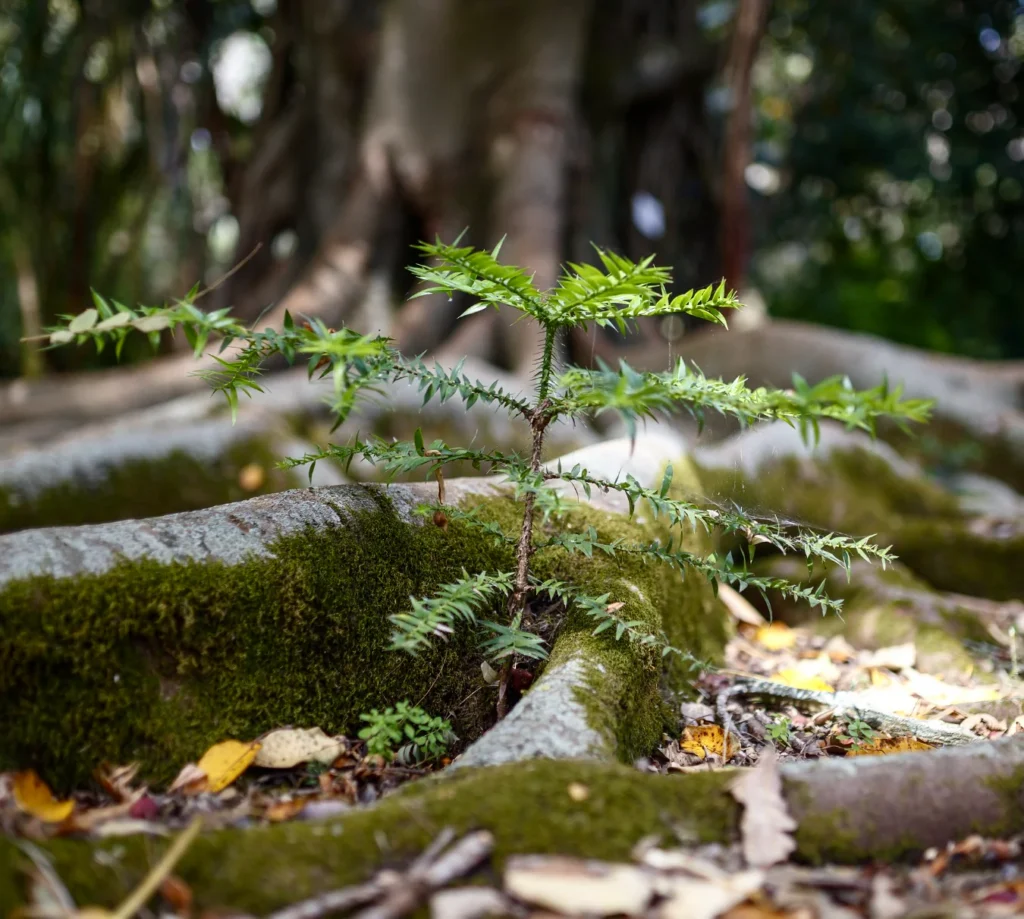
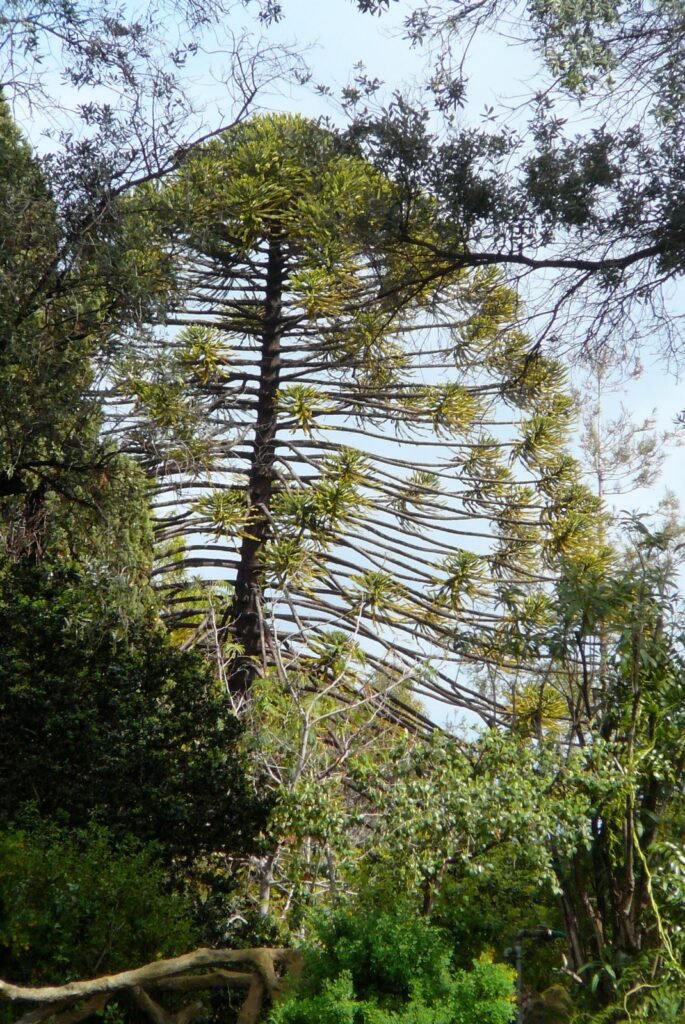
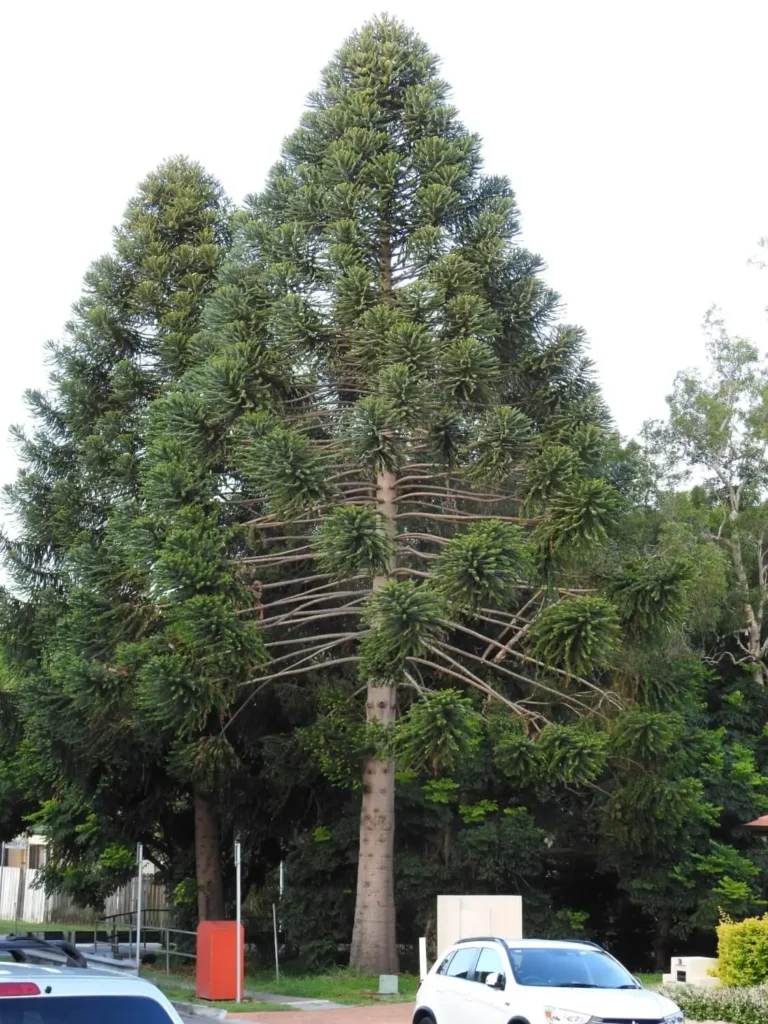
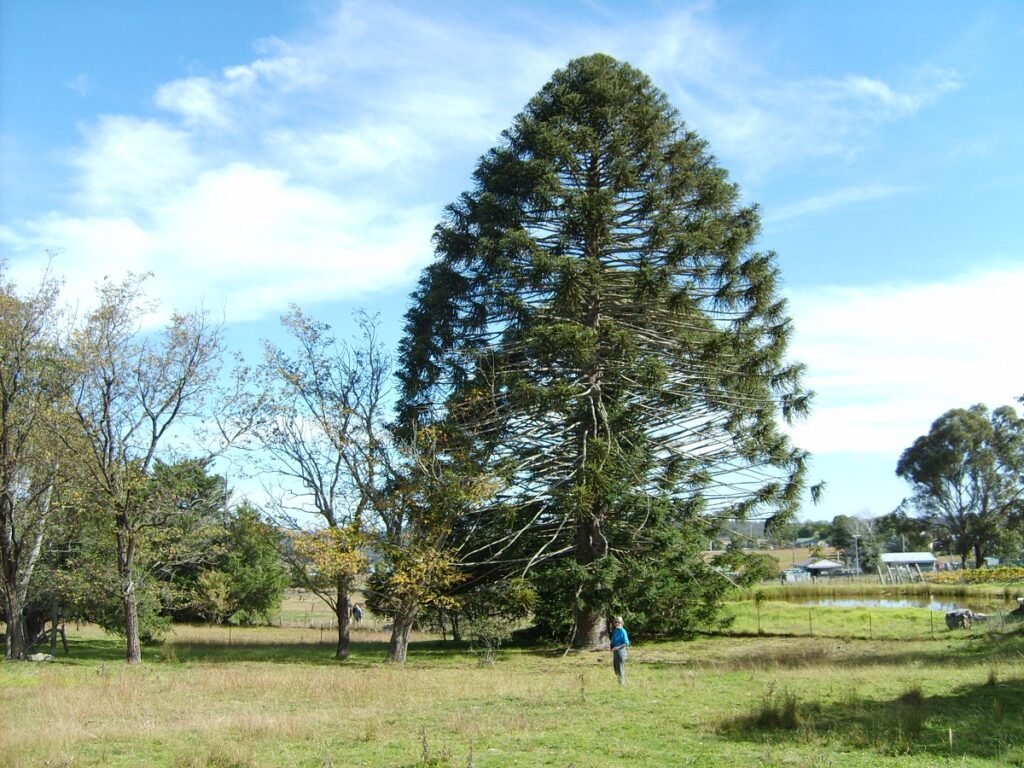
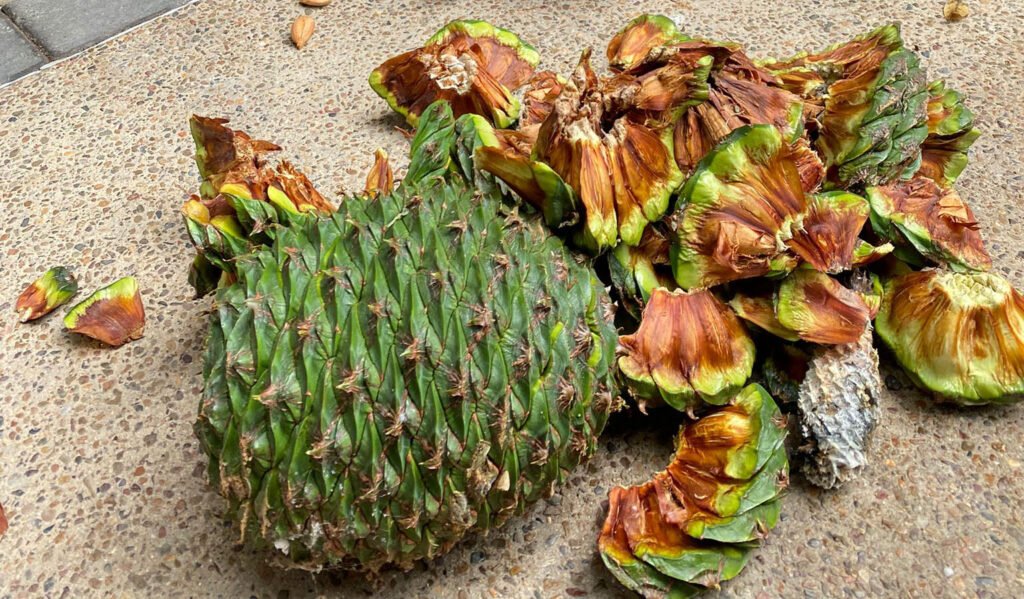
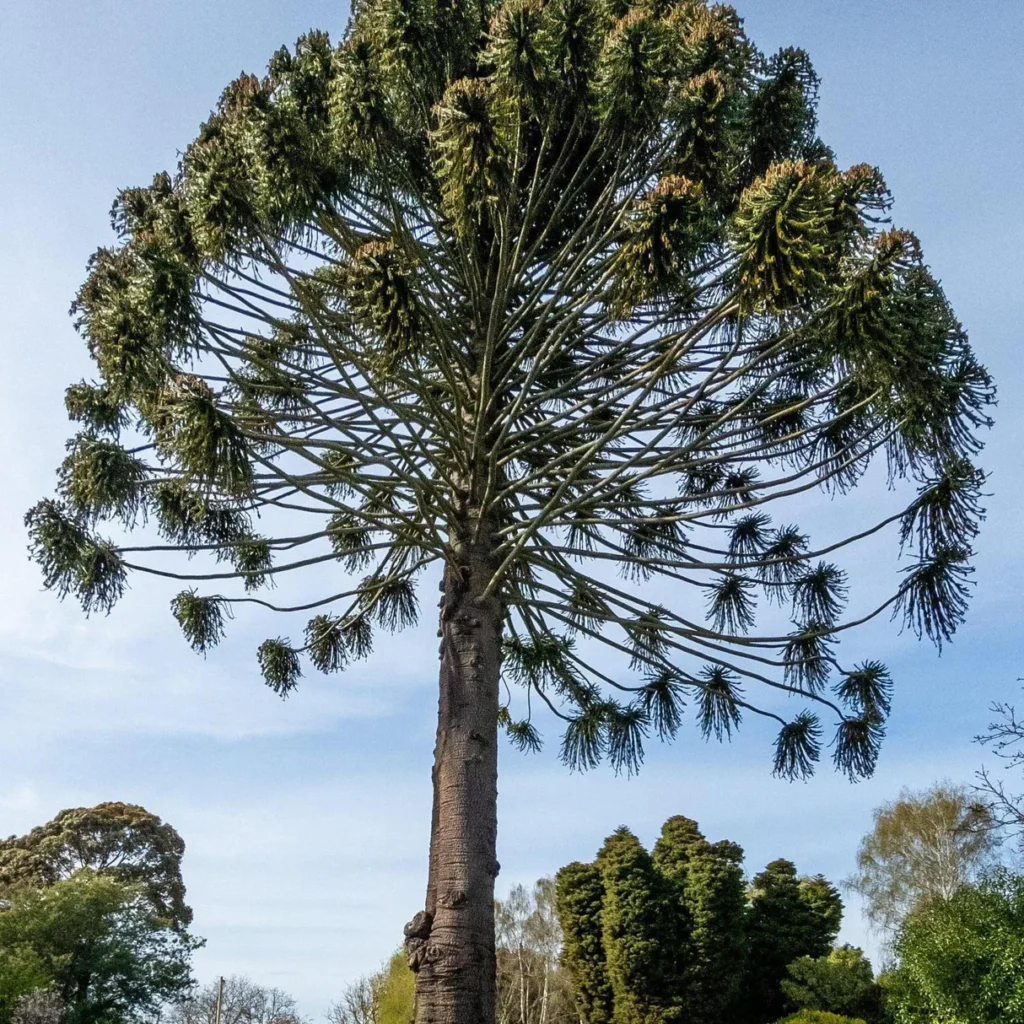
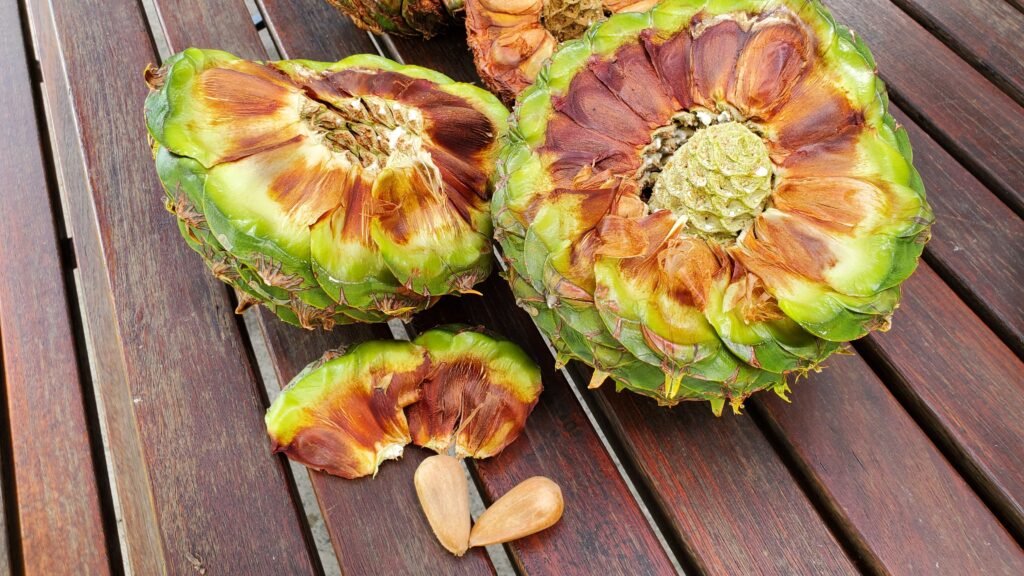
The Bunya Pine is instantly recognizable by its symmetrical dome-shaped canopy, spiny juvenile foliage, and enormous seed cones that can weigh several kilograms.
Climate & Growing Conditions
Ideal Climate
Bunya Pine thrives in subtropical to warm temperate climates, but it can adapt to mild Mediterranean and frost-free regions.
- Optimal temperature range: 10–30°C (50–86°F)
- Frost tolerance: Light frost once established
- Heat tolerance: High with adequate moisture
Sunlight Requirements
- Full sun to partial shade
- Young trees benefit from light shade during early years
Soil Preferences
- Deep, well-draining loam or sandy loam
- Slightly acidic to neutral pH (5.5–7.0)
- Rich in organic matter
Avoid compacted clay soils or waterlogged conditions, as these may lead to root rot.
How to Grow Bunya Pine
Planting Location
Because of its massive size and heavy cones, Bunya Pine must be planted in a spacious, permanent location away from buildings, paths, and power lines.
Planting Steps
- Dig a hole twice the width of the root ball
- Position the tree at the same depth as the nursery container
- Backfill with native soil mixed with compost
- Water deeply after planting
- Apply mulch while keeping it away from the trunk
Watering Schedule
- Young trees: Regular deep watering
- Established trees: Drought-tolerant but benefit from seasonal irrigation
Fertilization
- Use slow-release organic fertilizer annually
- Avoid high-phosphorus fertilizers
Propagation Methods
Seed Propagation (Most Common)
Bunya Pine is most successfully grown from fresh seeds.
Steps for Seed Propagation
- Collect seeds immediately after cone drop
- Sow seeds horizontally in well-draining medium
- Cover lightly with soil
- Keep moist but not waterlogged
- Germination occurs in 4–8 weeks
Important: Seeds lose viability quickly and must be planted fresh.
Vegetative Propagation
- Cuttings and grafting are difficult and rarely successful
- Typically used only for conservation or research
Varieties & Related Species
Bunya Pine has no major cultivated varieties, but it belongs to the broader Araucaria genus, which includes:
- Araucaria heterophylla (Norfolk Island Pine)
- Araucaria araucana (Monkey Puzzle Tree)
- Araucaria cunninghamii (Hoop Pine)
Each species has unique growth habits, but Araucaria bidwillii is distinguished by its edible seeds and enormous cones.
Cultural & Landscaping Uses
Ornamental Value
- Iconic specimen tree for large estates and parks
- Symmetrical form and dramatic foliage
- Evergreen year-round structure
Ecological Benefits
- Habitat for birds and wildlife
- Carbon sequestration
- Soil stabilization
Cultural Significance
Bunya Pine holds deep cultural importance for Indigenous Australian communities, traditionally serving as a gathering tree during seasonal nut harvests.
Edible Uses & Food Options
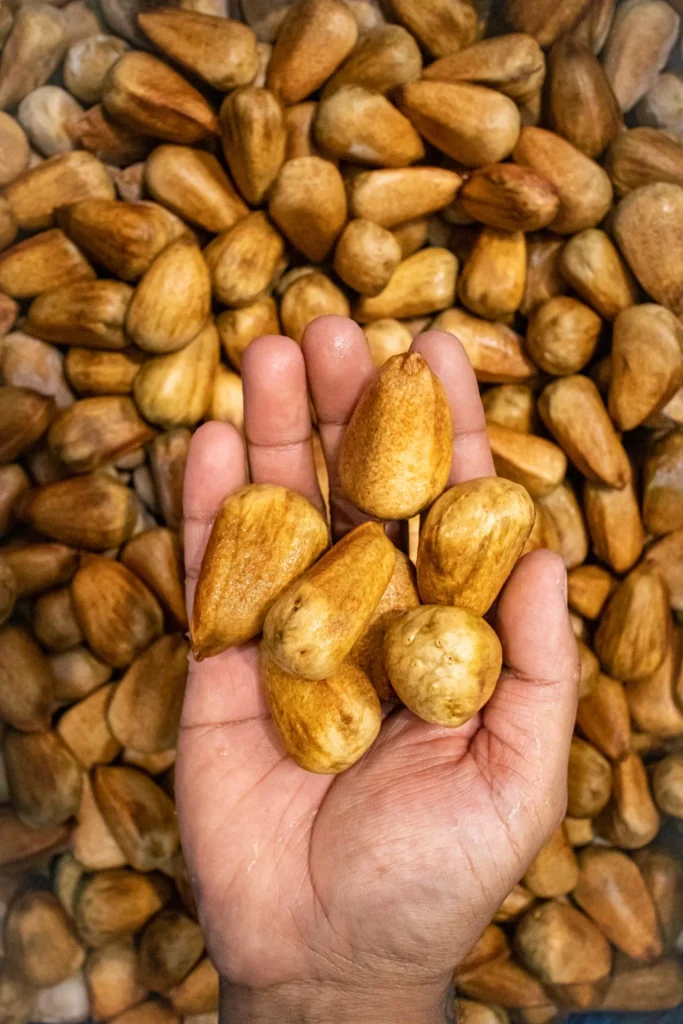
Bunya Nuts (Seeds)
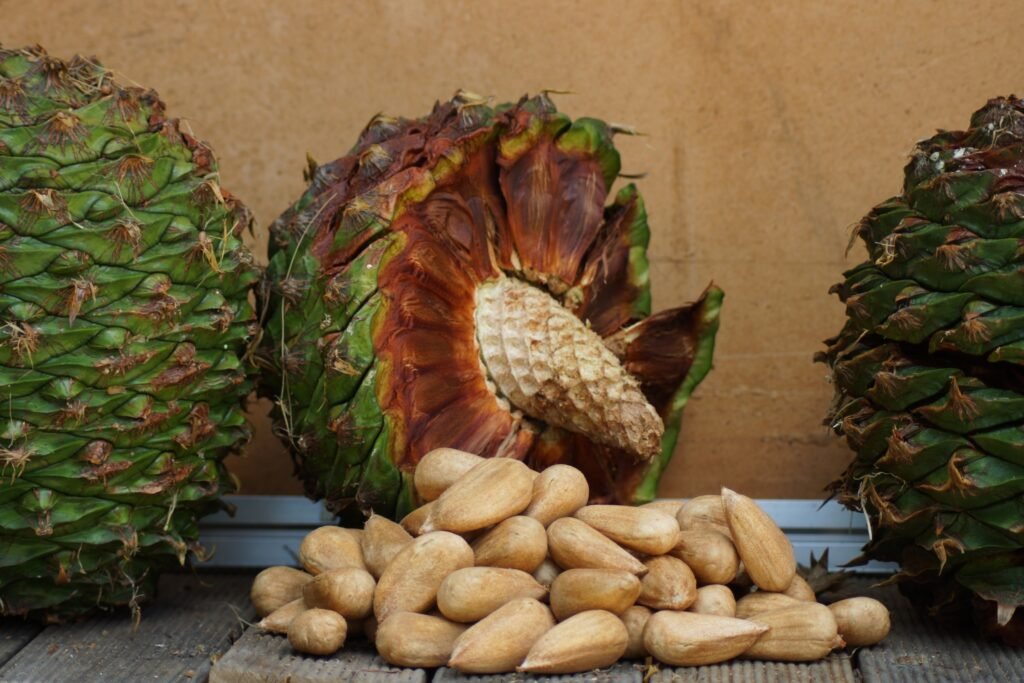
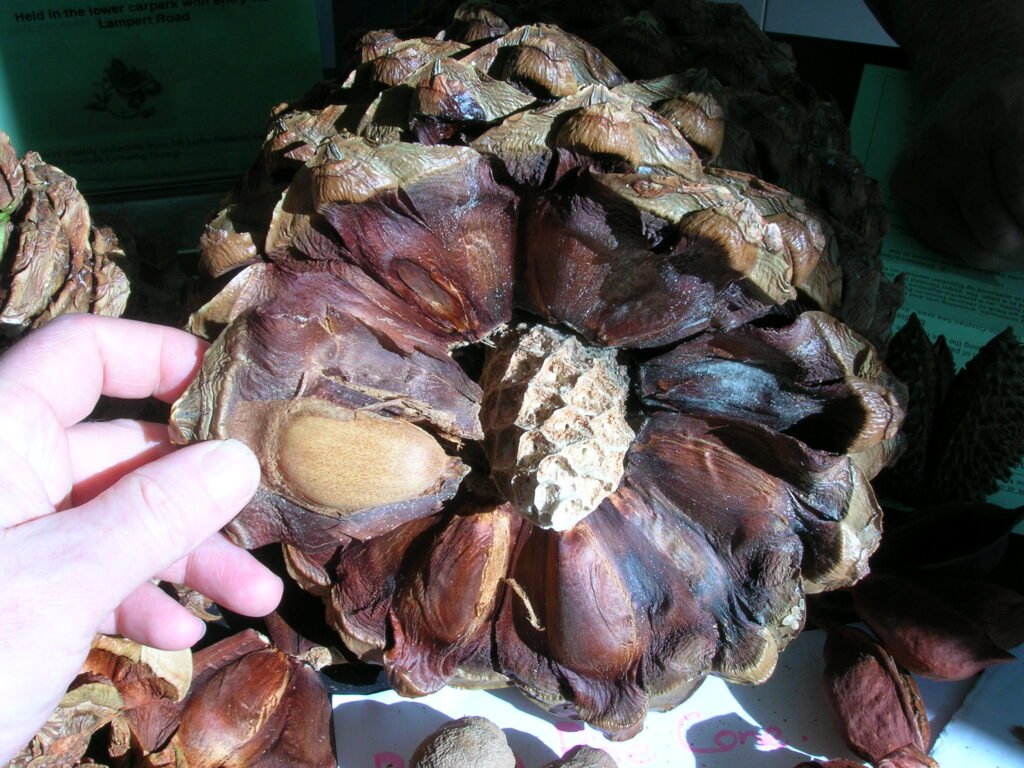
The seeds inside Bunya cones are nutritious, starchy, and versatile.
Nutritional Profile
- High in complex carbohydrates
- Good source of protein
- Rich in minerals such as potassium and magnesium
How to Prepare Bunya Nuts
- Boiled: Soft and potato-like texture
- Roasted: Nutty, chestnut-like flavor
- Ground into flour: Used for bread and baked goods
- Fermented: Traditional preparation method
Culinary Applications
- Soups and stews
- Nut butter alternatives
- Pasta and dumplings
- Gluten-free flour products
Harvesting Bunya Pine Cones
When to Harvest
- Cones mature every 2–3 years
- Natural cone drop occurs in late summer to early autumn
Safety Precautions
Bunya cones can weigh up to 10 kg (22 lbs) and fall without warning.
- Never stand beneath mature trees during cone season
- Collect cones only after they have fallen
Seed Extraction
- Allow cones to naturally break apart
- Remove seeds carefully
- Store seeds short-term only
Pruning & Maintenance
- Minimal pruning required
- Remove dead or damaged branches only
- Avoid shaping or heavy pruning
Bunya Pine naturally develops a strong, symmetrical structure.
Common Problems & Solutions
Root Rot
- Cause: Poor drainage
- Solution: Improve soil structure and drainage
Nutrient Deficiency
- Symptoms: Pale foliage
- Solution: Apply organic compost or balanced fertilizer
Pest & Disease Resistance
Bunya Pine is highly resistant to most pests and diseases when grown in suitable conditions.
Long-Term Care & Growth Expectations
- Slow-growing in early years
- Accelerates after establishment
- Requires minimal intervention once mature
With proper planning, a Bunya Pine becomes a multi-generational legacy tree.
Conclusion
Growing Bunya Pine (Araucaria bidwillii) is a long-term investment in beauty, sustainability, and food security. From its striking ornamental presence to its nutritious edible nuts and cultural heritage, this extraordinary tree offers unmatched value for those with space and patience.
By following correct planting, propagation, and harvesting practices, you can successfully cultivate a Bunya Pine that thrives for centuries while providing ecological and culinary benefits.



&media=https://food-foresting.com/wp-content/uploads/2026/01/796e4b08030022409752ed91a1e36f4282929040.jpg)