
 paulius.mikoliunas1
| Common Name | Japanese Spurge, Japanese pachysandra, Pachysandra |
| Family | Buxaceae |
| USDA hardiness | 4-8 |
| Known Hazards | None known |
| Habitats | Moist deciduous woods in valleys and low mountains to 2000 metres. |
| Range | E. Asia – China, Japan. |
| Edibility Rating |   (2 of 5) (2 of 5) |
| Other Uses |   (3 of 5) (3 of 5) |
| Weed Potential | No |
| Medicinal Rating |  (0 of 5) (0 of 5) |
| Care (info) |      |

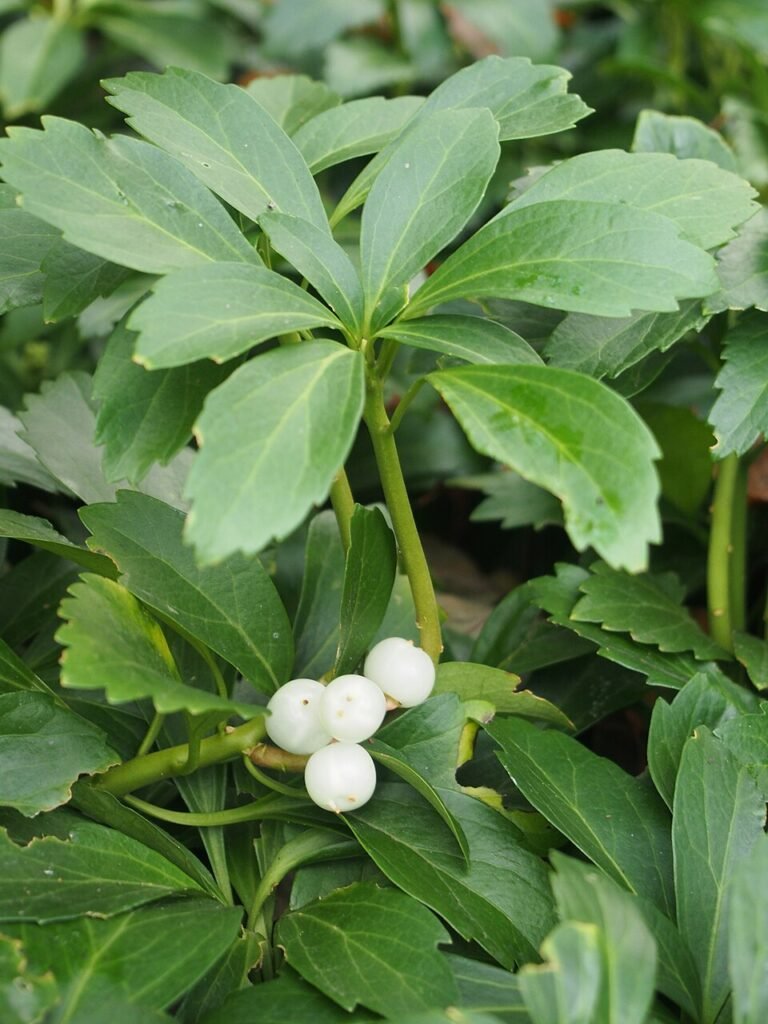
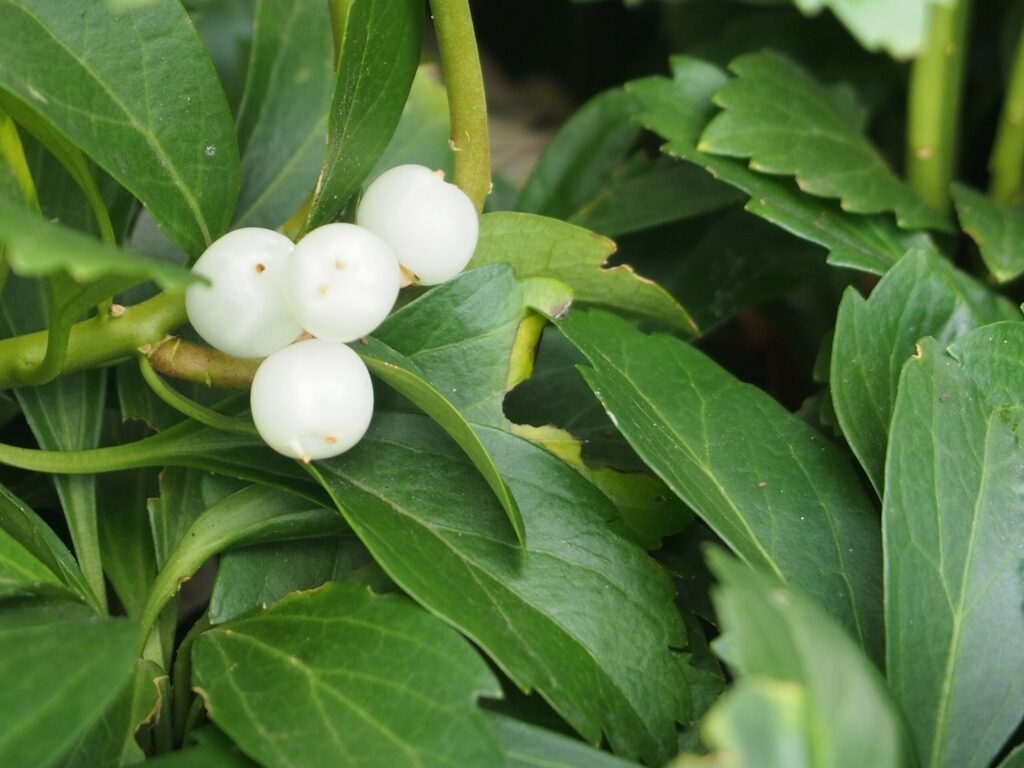

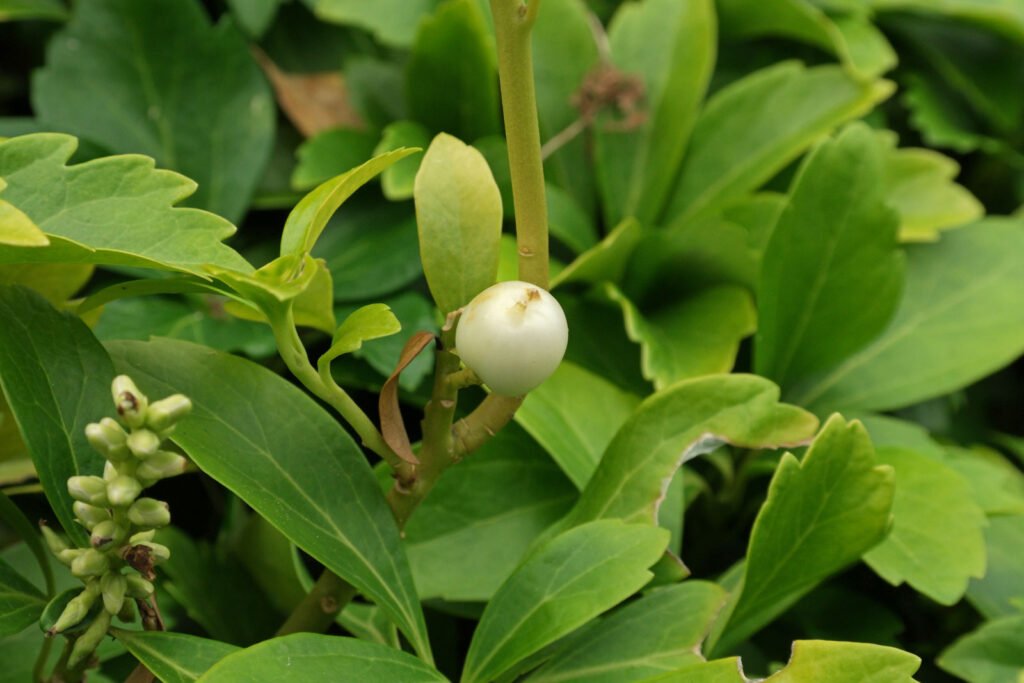


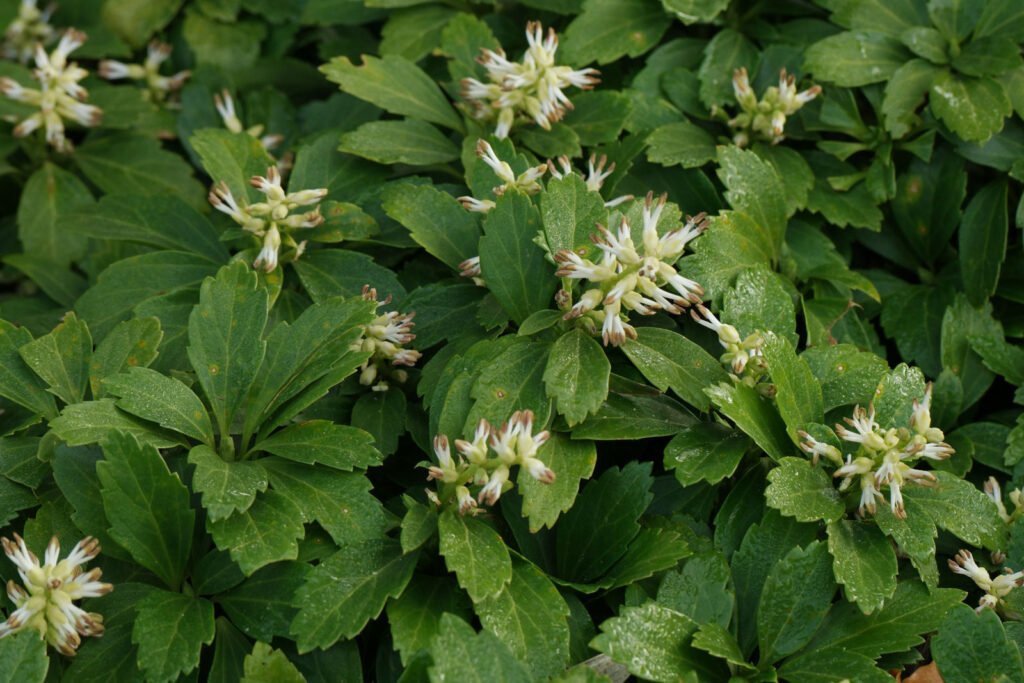


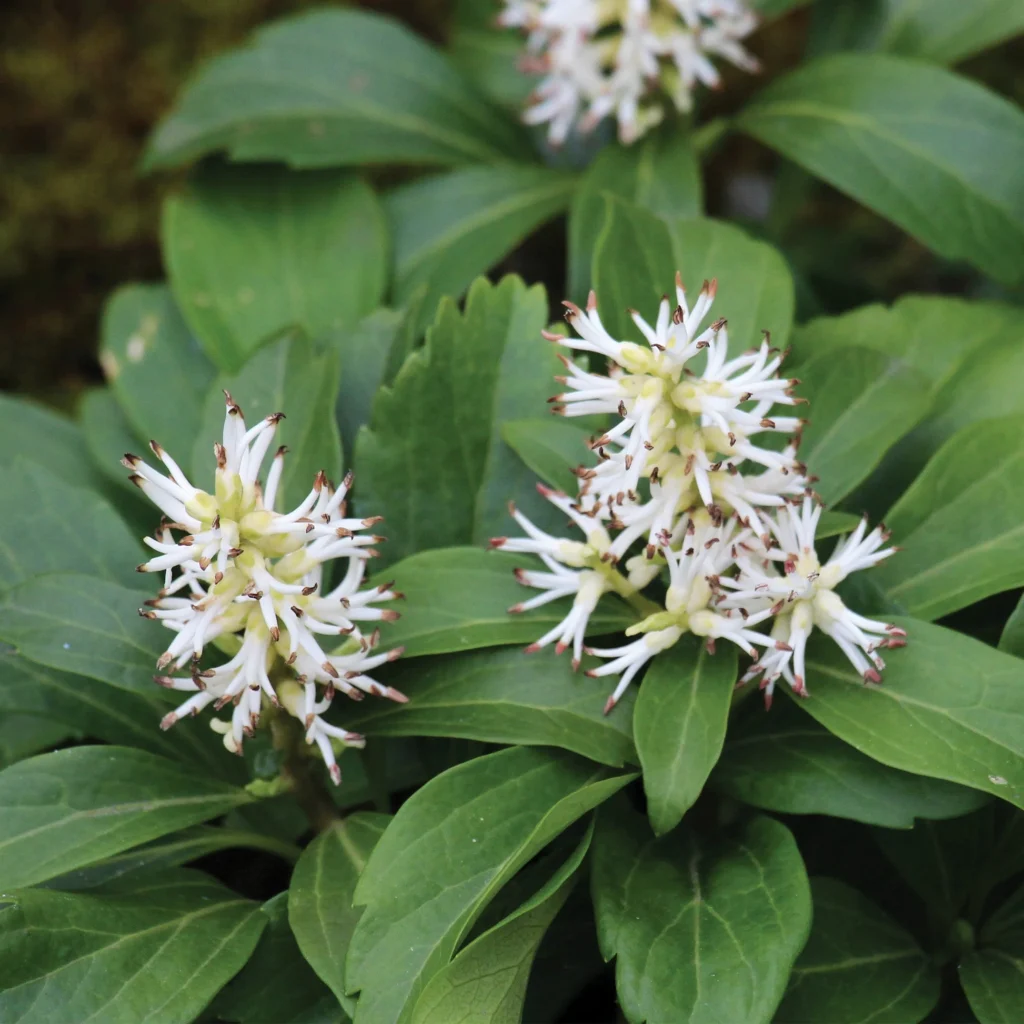
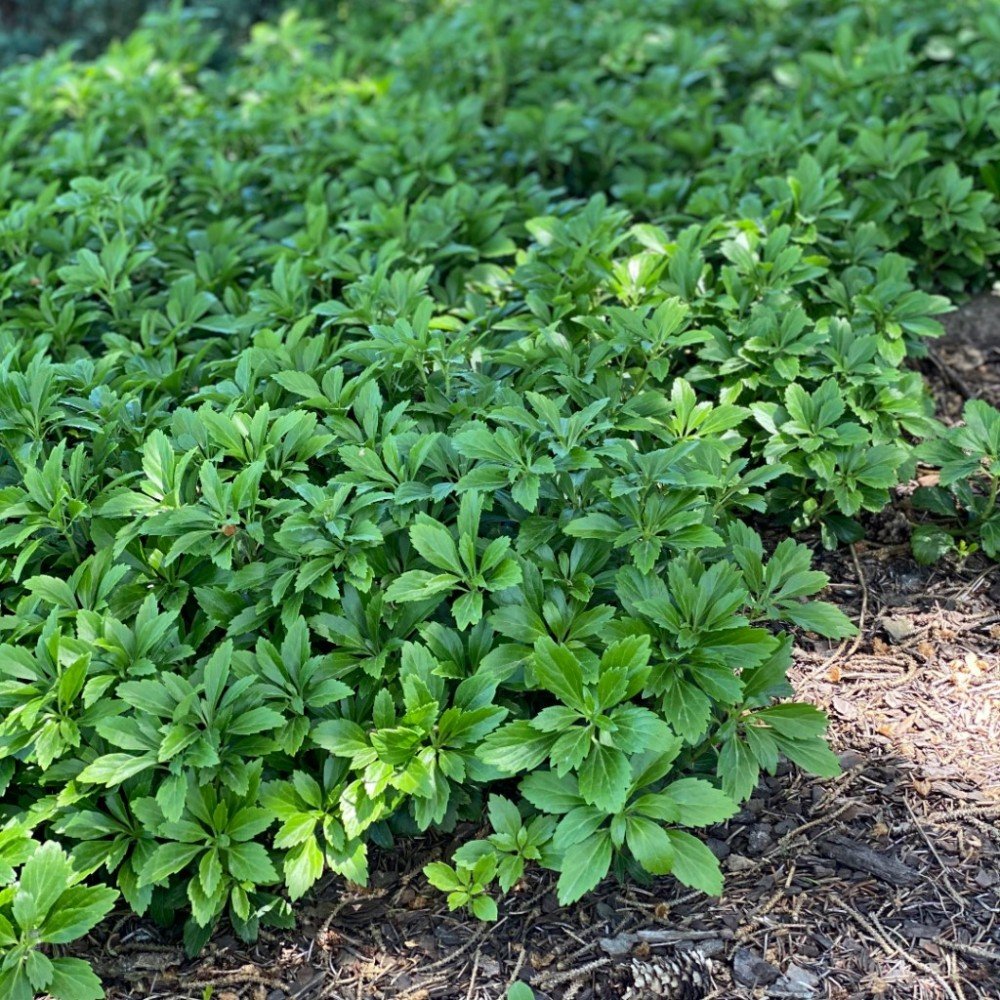
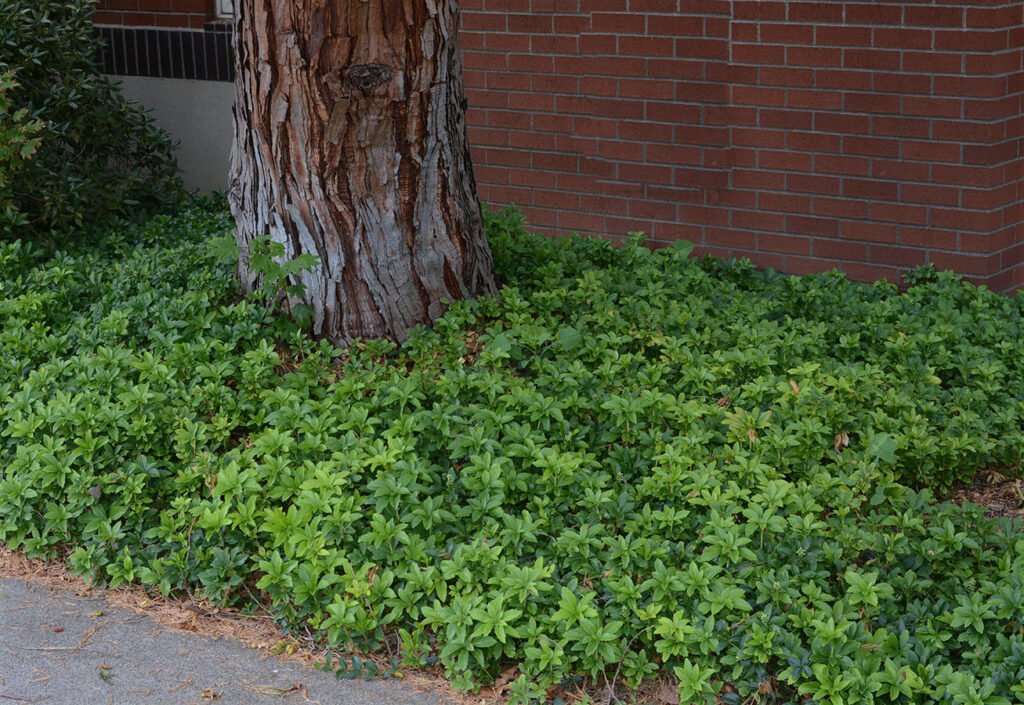

Japanese Spurge (Pachysandra terminalis): Complete Guide to Growing, Propagating & Using This Evergreen Groundcover
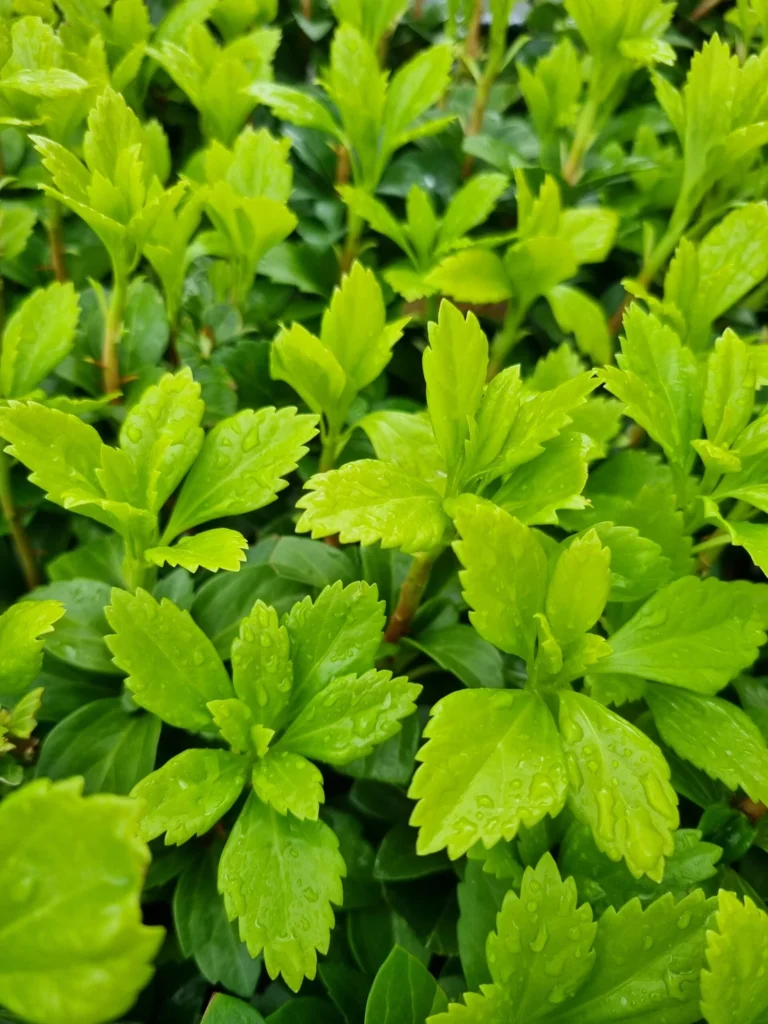
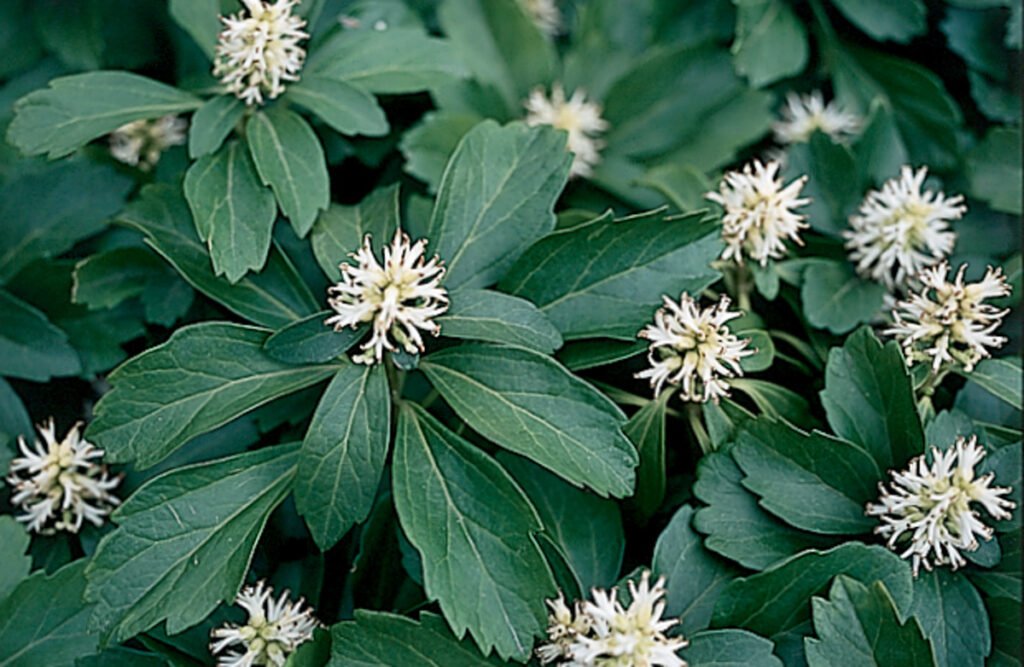
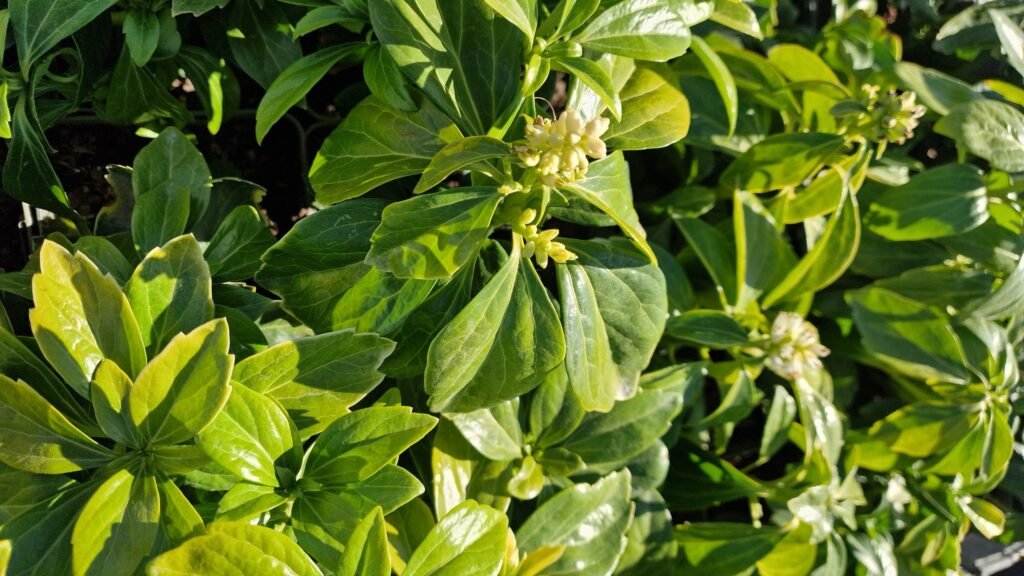
Japanese Spurge, botanically known as Pachysandra terminalis, is a beloved evergreen groundcover prized for its glossy foliage, shade tolerance, and ability to thrive where turf grass fails. Originating from East Asia, this perennial has become a staple in woodland gardens, foundation plantings, and shady landscapes thanks to its adaptability and fast growth.
In this comprehensive guide, we’ll explore how to grow, propagate, choose varieties, use Japanese Spurge in landscapes and food contexts, and even harvest the plant responsibly.
What Makes Japanese Spurge Special?
Japanese Spurge is valued for:
- Evergreen foliage year-round
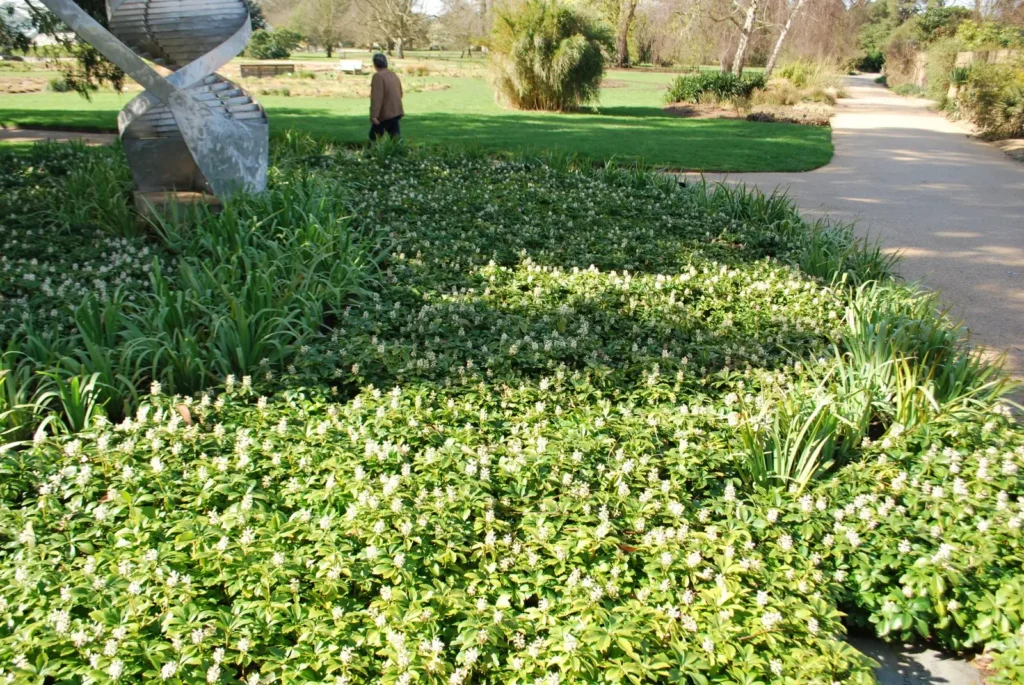
- Dense, uniform groundcover
- Superior shade tolerance
- Low maintenance requirements
- Habitat-protecting benefits (soil erosion control, moisture conservation)
Its fine-textured leaves and spreading habit make it particularly useful under trees or on slopes where other plants struggle.
Ideal Growing Conditions
Climate & Hardiness
- USDA Zones: 4–9
- Prefers temperate climates with cool summers
- Evergreen in most zones
Light Requirements
- Best in partial to full shade
- Can tolerate morning sun, but avoid harsh afternoon exposure
Soil Preferences
- Moist, well-drained soils
- High organic matter
- Neutral to slightly acidic pH
Water & Moisture
- Needs consistent moisture during establishment
- Once mature, moderately drought-tolerant in shade
Spacing & Spread
- Typical spacing: 8–12 inches
- Spreads via underground rhizomes
- Forms a mat 8–12 inches tall
How to Grow Japanese Spurge
Site Preparation
- Remove weeds + debris
- Amend soil with compost or leaf mold
- Loosen soil to allow rhizome spread
Planting
- Best seasons: early spring or fall
- Space plugs or divisions to allow lateral spread
- Water deeply after planting
Maintenance Tips
- Mulch lightly during the first year
- Trim back in late winter to promote fresh growth
- Avoid overly wet, stagnant soils to prevent fungal issues
Propagation Methods
Japanese Spurge is easy to propagate. Three primary techniques:
1. Division (Most Common)
- Conduct in spring or fall
- Uproot healthy clumps
- Separate rooted sections and replant
2. Stem Cuttings
- Use non-flowering shoots
- Root in moist soil mixture
- Maintain humidity until established
3. Rhizome Transplant
- Dig and transfer underground runners
- Quick method for mass plantings
Propagation success rates are high due to the plant’s natural spreading habit.
Popular Varieties & Cultivars
While Pachysandra terminalis is the default species, notable cultivars include:
✔ ‘Green Carpet’
- Dense growth
- Dark green foliage
- Excellent for uniform groundcover applications
✔ ‘Green Sheen’
- Shiny, lacquered leaves
- Popular in formal landscapes
✔ Pachysandra procumbens (Allegheny Spurge)
- Native U.S. alternative
- Attractive mottled foliage
- Semi-evergreen and slower spreading
Comparing Japanese vs. Allegheny Spurge:
| Feature | Japanese | Allegheny |
|---|---|---|
| Spread | Fast | Moderate |
| Evergreen | Yes | Semi-Evergreen |
| Appearance | Glossy | Mottled |
| Preferred Light | Shade | Shade–Part Shade |
Usage Beyond Landscaping
1. Ornamental Groundcover
Primary use—particularly valuable for:
- Woodland gardens
- Tree understories
- Sloping terrain
- Foundation beds
- Shaded pathways
2. Erosion Control
Dense rhizome mats reduce:
- Soil erosion
- Moisture loss
- Weed competition
3. Habitat Enhancement
Provides:
- Overwinter cover for small fauna
- Soil temperature buffering
Food & Edibility Considerations
Unlike many shade perennials used in traditional Japanese gardens, Pachysandra terminalis is not typically consumed as food.
Key points:
- Not known to be edible
- Not used in culinary traditions
- Mild toxicity concerns noted for pets if ingested in large quantities
Safe Plant Alternatives for Edible Gardens
If you want edible shade-loving groundcovers, consider:
- Sweet woodruff (used for beverages & fragrance)
- Creeping mint varieties
- Woodland strawberries
While Japanese Spurge adds ecological and ornamental value, it is best enjoyed as a visual plant, not as a food crop.
Harvesting Japanese Spurge
Harvesting generally refers to collecting:
- Cuttings for propagation
- Foliage for ornamental or craft use
- Rhizomes for division
Optimal timing:
- Spring = fastest rooting
- Fall = minimal stress on parent plant
Avoid over-harvesting to maintain coverage and aesthetics.
Potential Issues & Solutions
Fungal Leaf Blight
- Caused by overly wet or stagnant conditions
- Improve airflow + drainage
Invasiveness Concerns
In ideal conditions, Pachysandra can spread aggressively. Control by:
- Edging boundaries
- Periodic thinning
- Preparing containment beds
Sustainable Landscaping Benefits
Japanese Spurge supports:
- Water conservation
- Lower fertilizer use
- Reduced mowing
- Microhabitat creation
It is a smart plant choice for environmentally conscious gardeners seeking perennial structure.
Final Thoughts
Japanese Spurge (Pachysandra terminalis) remains one of the most effective evergreen groundcovers for shaded landscapes. While not edible, it excels as a low-maintenance, shade-loving, erosion-resistant ornamental that provides multi-season structure and lush coverage.
Whether you’re looking to fill bare spots under mature trees, stabilize sloping areas, or create dense woodland carpets, Japanese Spurge offers beauty, utility, and lasting value.



&media=https://food-foresting.com/wp-content/uploads/2026/01/1_Pachysandra-terminalis.jpg)