
 paulius.mikoliunas1
| Common Name | Chinese Quince |
| Family | Rosaceae |
| USDA hardiness | 4-8 |
| Known Hazards | None known |
| Habitats | Scrub and hedges in W. Hubei[184]. Slopes, forest margins and roadsides at elevations of 900 – 2500 metres. |
| Range | E. Asia – China. |
| Edibility Rating |   (4 of 5) (4 of 5) |
| Other Uses |  (0 of 5) (0 of 5) |
| Weed Potential | No |
| Medicinal Rating |   (2 of 5) (2 of 5) |
| Care (info) |     |
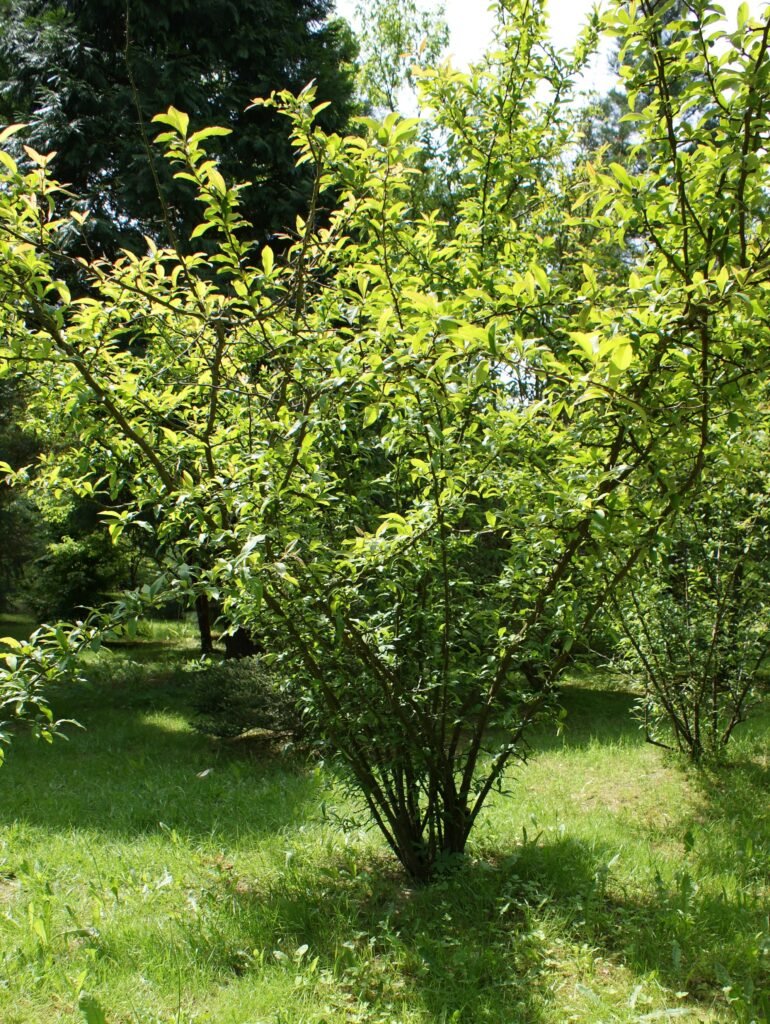
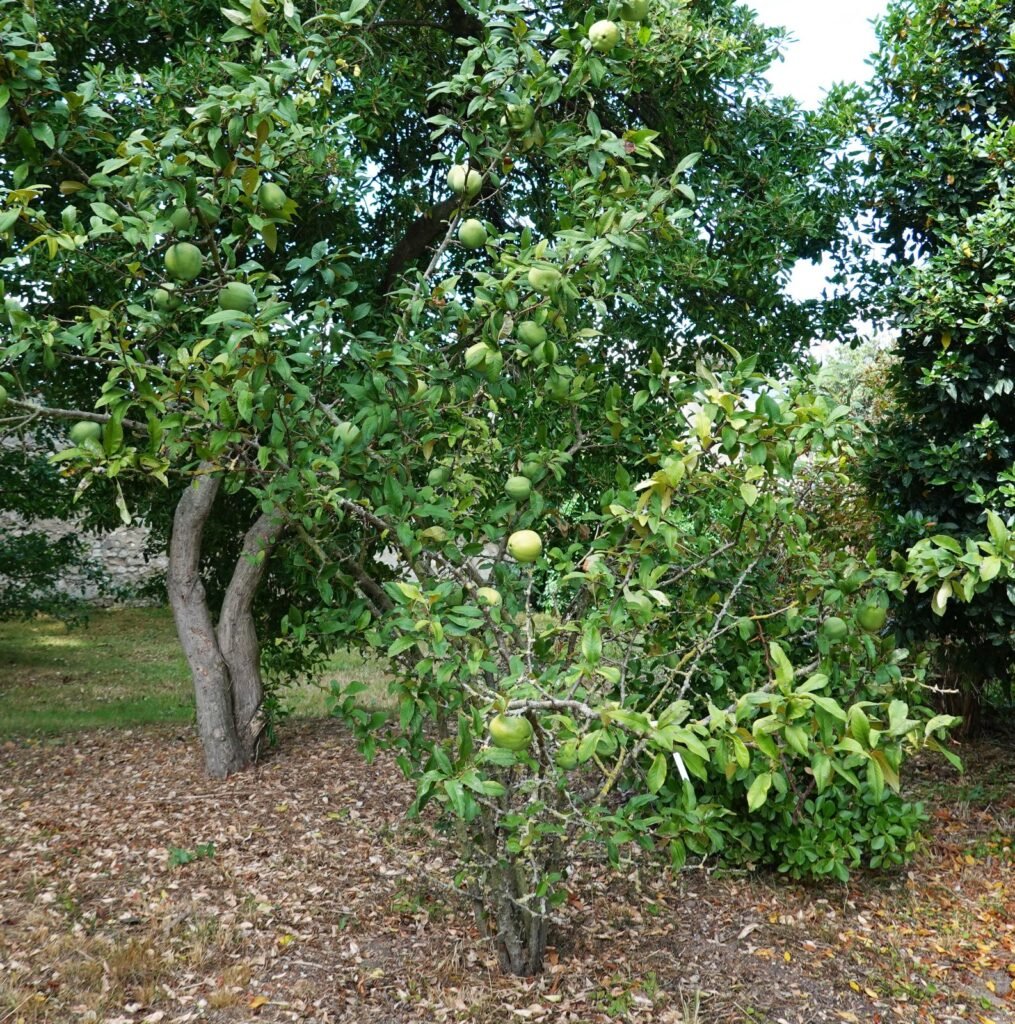
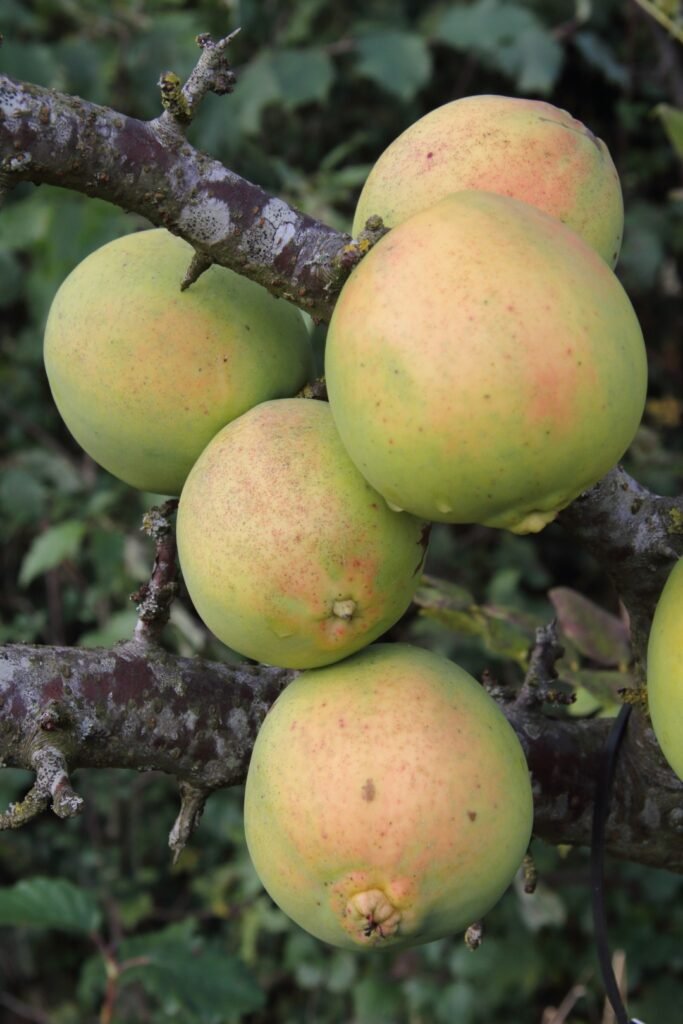
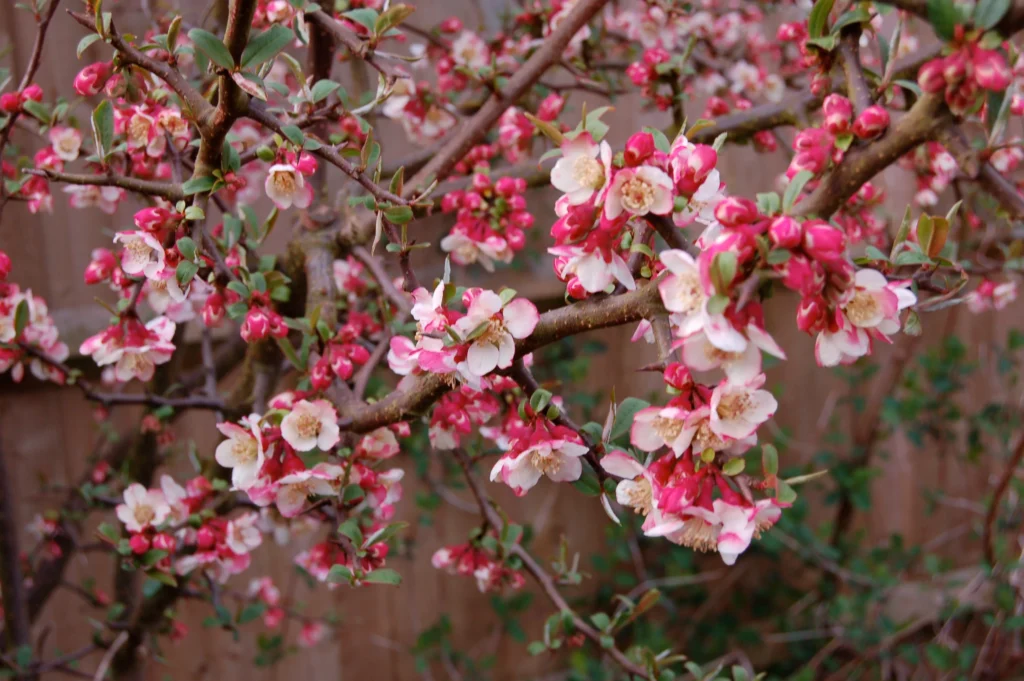
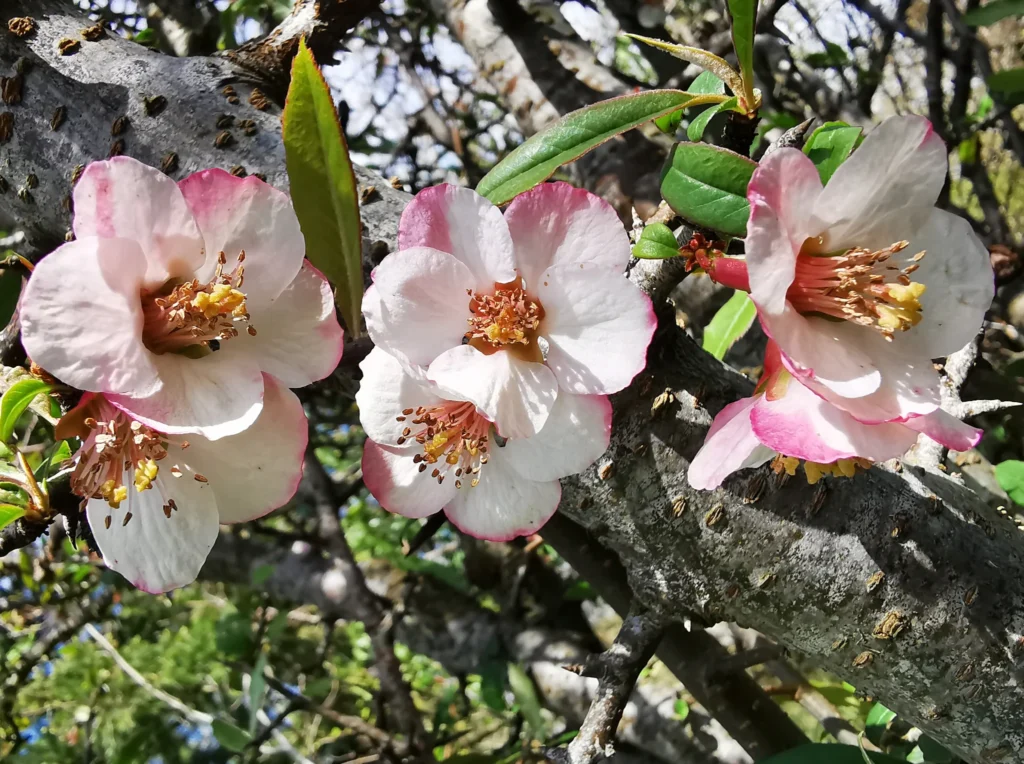
Chinese Quince (Chaenomeles cathayensis): Complete Growing, Care, Propagation & Uses Guide
If you’re searching for a hardy, ornamental fruiting shrub that combines stunning spring blossoms with fragrant, versatile fruit, the Chinese Quince deserves a place in your garden. This lesser-known relative of Japanese quince offers both beauty and utility—perfect for gardeners who want something unique, resilient, and productive.
In this comprehensive guide, you’ll learn everything about growing, propagating, harvesting, and using Chinese quince.
What Is Chinese Quince?
Chinese quince is a deciduous shrub or small tree native to East Asia. It’s known for:
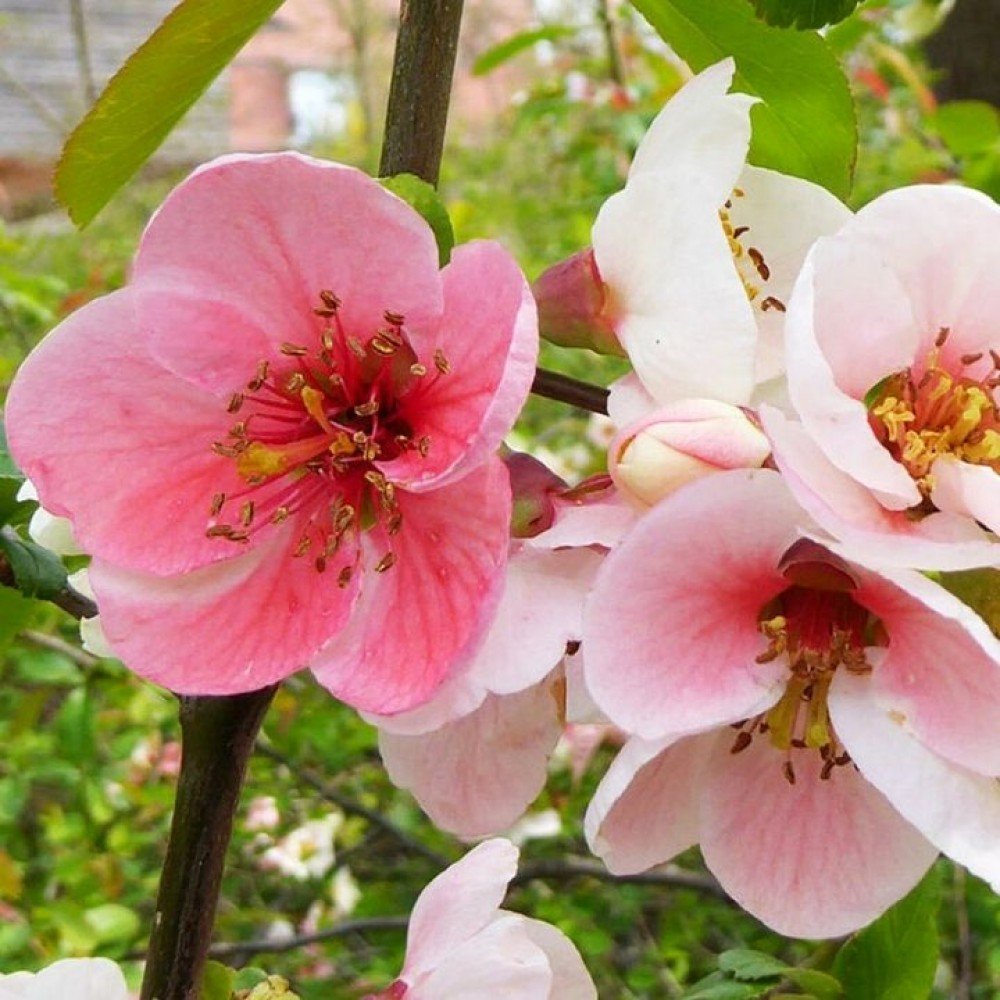
- Showy pink to red spring flowers
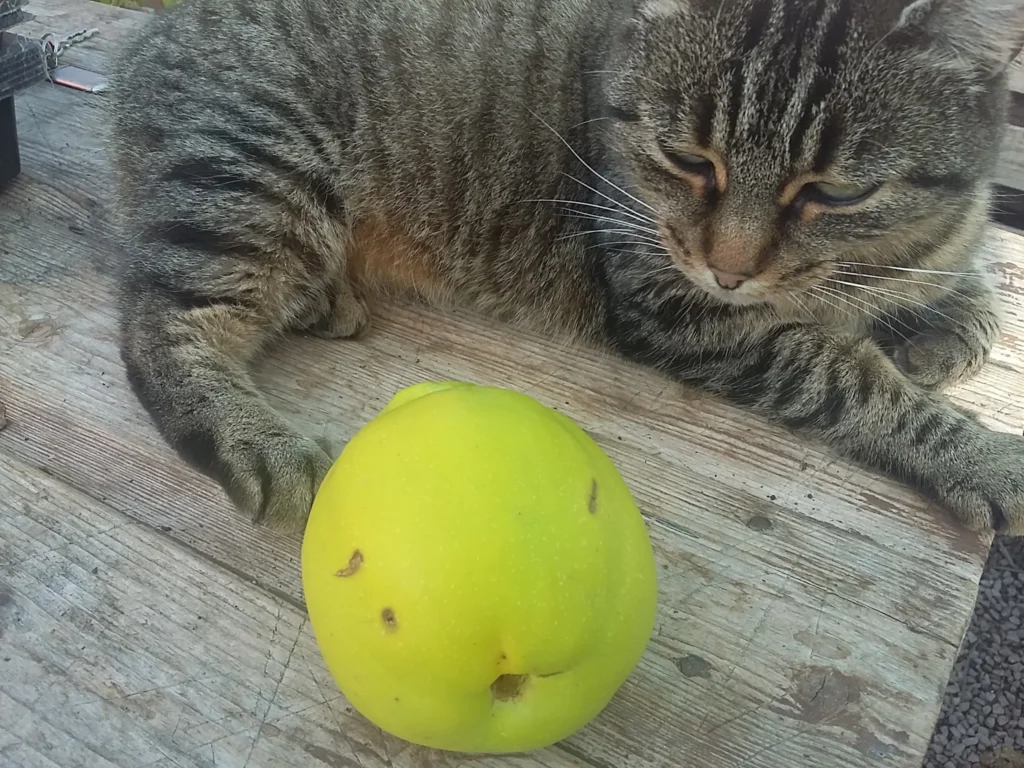
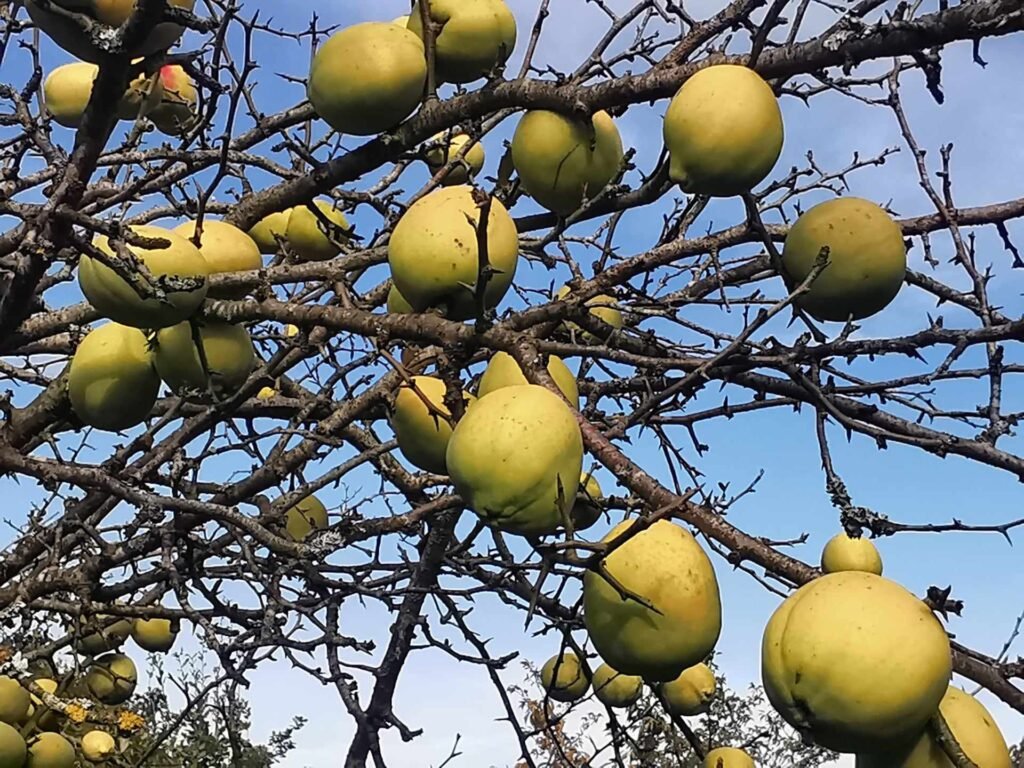
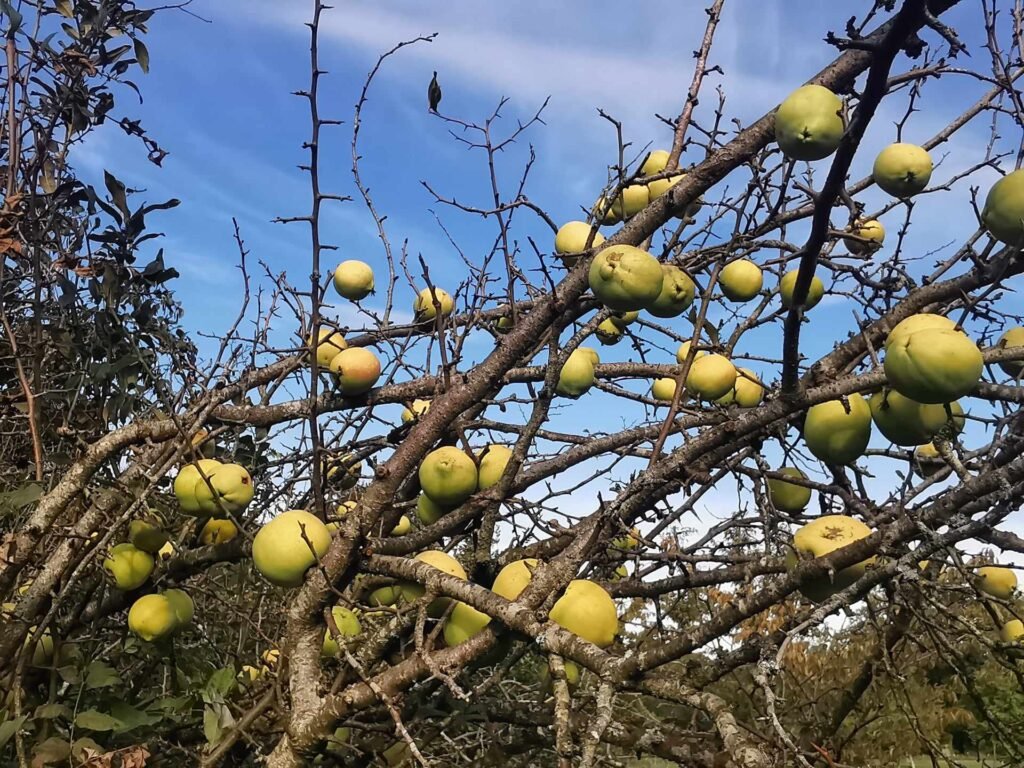
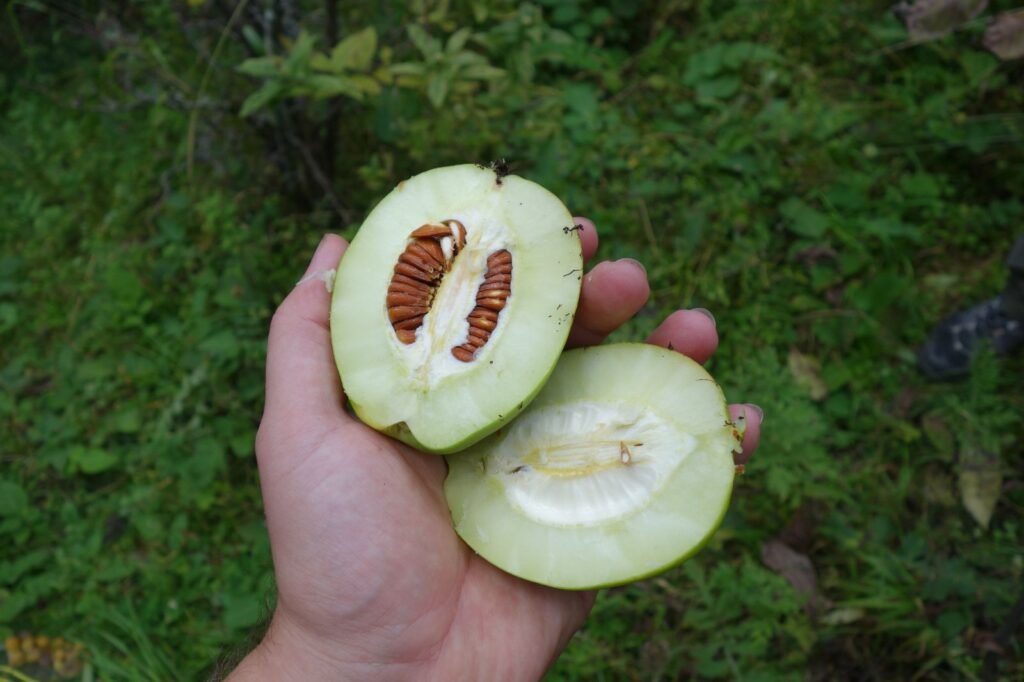
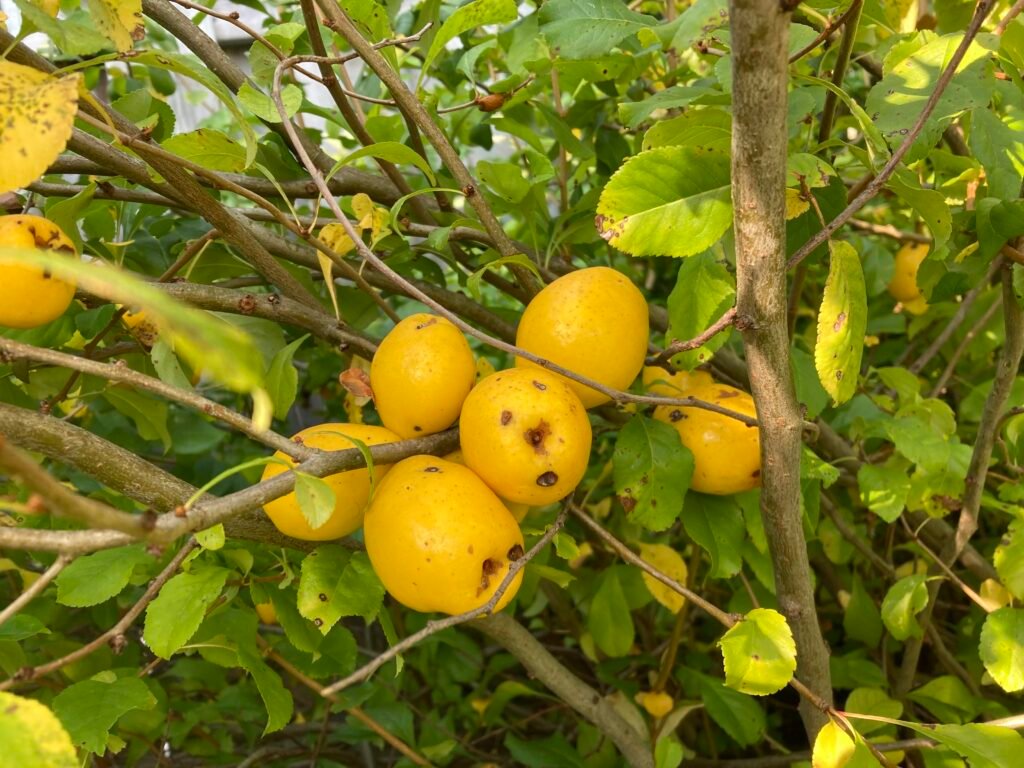
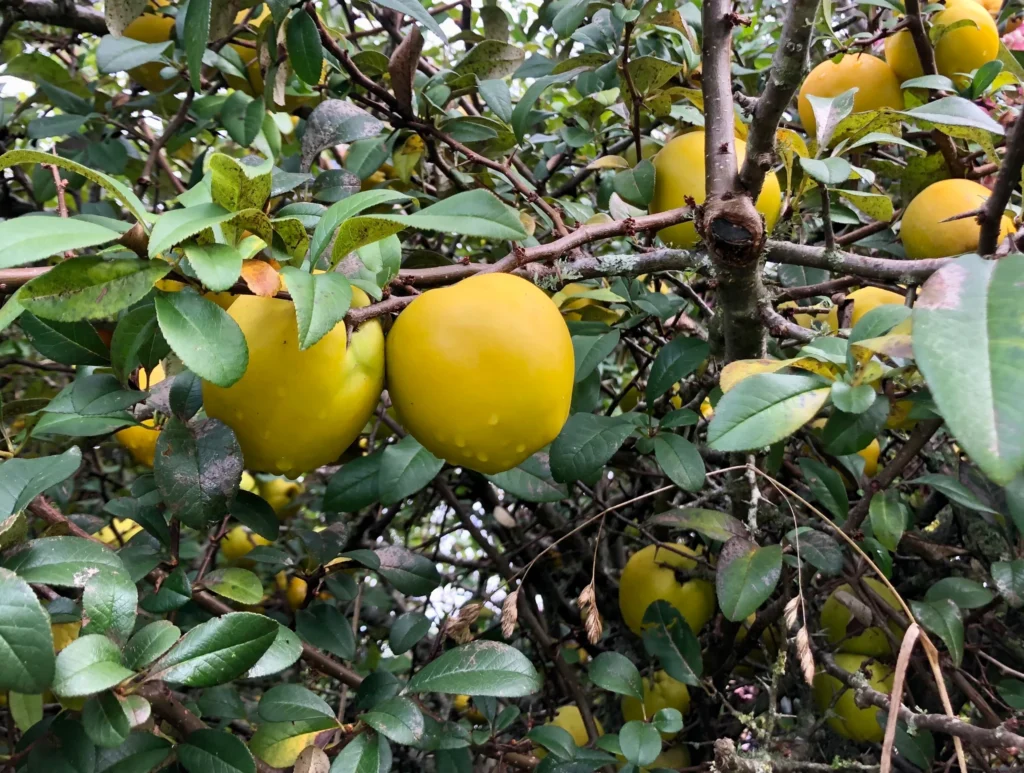
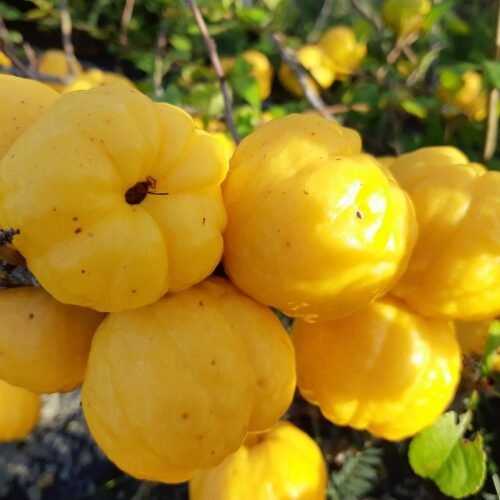
- Large, aromatic yellow fruits
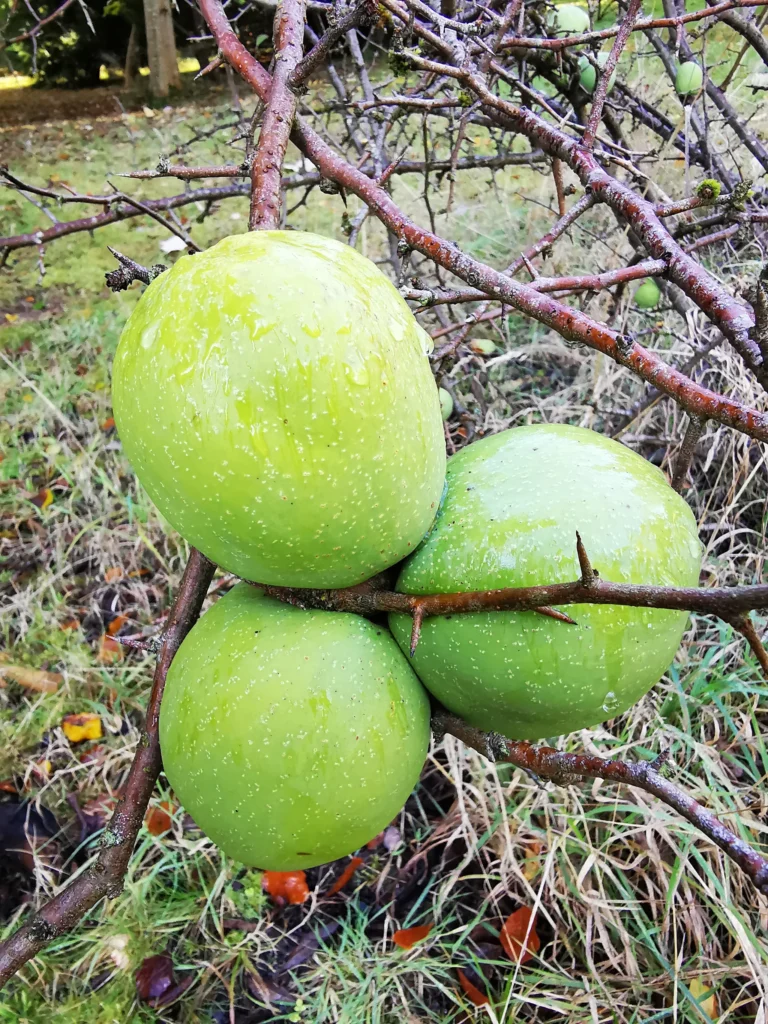
- Thorny branches (great for hedging)
- Exceptional cold and drought tolerance
Unlike the true quince (Cydonia), Chinese quince fruit is typically too hard and astringent to eat raw—but it transforms beautifully when cooked.
How to Grow Chinese Quince
Climate & Hardiness
Chinese quince thrives in temperate climates and is well-suited for regions with cold winters.
- Hardiness zones: 5–9
- Cold tolerance: Very high
- Heat tolerance: Moderate to high
It’s an excellent choice for gardeners in Northern and Eastern Europe, including Lithuania.
Sunlight Requirements
For best flowering and fruiting:
- Full sun (6–8 hours daily) is ideal
- Partial shade is tolerated but reduces fruit yield
Soil Conditions
Chinese quince is adaptable but prefers:
- Well-draining soil
- Slightly acidic to neutral pH (6.0–7.0)
- Moderately fertile ground
Avoid waterlogged soil, as it can cause root rot.
Planting Tips
- Plant in early spring or autumn
- Space shrubs 1.5–3 meters apart
- Dig a hole twice the width of the root ball
- Add compost for better establishment
Water thoroughly after planting and mulch around the base.
Watering & Fertilizing
- Watering: Moderate; drought-tolerant once established
- Fertilizing: Apply balanced fertilizer in early spring
Avoid excessive nitrogen—it promotes leafy growth over fruiting.
Pruning & Maintenance
- Prune after flowering to maintain shape
- Remove dead, damaged, or crossing branches
- Thin older wood to encourage new growth
Because of its thorny structure, it also works well as a natural security hedge.
Chinese Quince Varieties
While not as widely cultivated as Japanese quince, several forms and selections of Chinese quince exist:
1. Standard Wild Type
- Larger growth habit
- Produces sizable, fragrant fruit
2. Ornamental Selections
- Selected for brighter flowers
- Slightly smaller fruit
3. Improved Fruiting Types
- Bred for better fruit size and aroma
- Still primarily used for cooking
How to Propagate Chinese Quince
Chinese quince can be propagated in several ways:
1. Seed Propagation
- Collect seeds from ripe fruit
- Stratify (cold-treat) for 8–12 weeks
- Sow in spring
Note: Seed-grown plants may vary from the parent.
2. Hardwood Cuttings
- Take cuttings in late autumn or winter
- Use 15–20 cm long sections
- Plant in moist, well-draining soil
Rooting may take several months but is reliable.
3. Layering
- Bend a low branch to the ground
- Cover part with soil
- Roots develop over time
This is one of the easiest and most successful methods.
4. Grafting
- Often used in nurseries
- Ensures identical fruit quality
- Typically grafted onto hardy rootstocks
Flowering & Fruiting
- Bloom time: Early to mid-spring
- Fruit development: Summer to autumn
- Harvest time: Late autumn
Flowers appear before or with leaves, creating a striking display.
When and How to Harvest
Signs of Ripeness
- Bright yellow color
- Strong, sweet fragrance
- Firm but mature texture
Harvest Tips
- Use gloves (branches can be thorny)
- Twist fruit gently or use pruning shears
- Avoid dropping fruit—it bruises easily
Properly harvested fruit stores well in cool conditions for several weeks.
Culinary Uses of Chinese Quince
Raw fruit is extremely hard and sour, but cooking unlocks its potential.
Popular Food Uses
1. Jams & Jellies
High in pectin, making it perfect for preserves.
2. Quince Paste
A thick, sliceable paste similar to Spanish membrillo.
3. Syrups & Cordials
Infuse slices in sugar or alcohol for aromatic drinks.
4. Baked Desserts
Add to pies, tarts, and crumbles for a citrus-like flavor.
5. Stewed Fruit
Cook with sugar and spices for a fragrant side dish.
Nutritional & Health Benefits
Chinese quince fruit contains:
- Vitamin C
- Dietary fiber
- Antioxidants
Traditionally, it has been used in herbal remedies for digestion and respiratory health.
Landscape & Decorative Uses
Chinese quince isn’t just about fruit—it’s also a stunning ornamental plant:
- Ideal for hedges and borders
- Excellent as a focal shrub
- Supports pollinators in early spring
Its thorny branches also make it useful for protective hedging.
Common Problems & Solutions
Pests
- Aphids
- Scale insects
Solution: Neem oil or insecticidal soap.
Diseases
- Fire blight (rare but possible)
- Leaf spot
Solution: Prune affected areas and improve air circulation.
Poor Fruiting
- Too much shade
- Over-fertilization
- Lack of pollination
Why Grow Chinese Quince?
Chinese quince offers a rare combination of:
- Ornamental beauty
- Edible, aromatic fruit
- Low maintenance care
- Excellent hardiness
It’s perfect for gardeners who want a unique, multi-purpose plant that stands out in both landscape and kitchen.
Final Thoughts
Growing Chinese Quince is a rewarding experience for both beginner and experienced gardeners. With minimal care, it provides years of vibrant blooms, fragrant harvests, and culinary possibilities.
Whether you’re planting it for beauty, fruit, or both, Chinese quince is a timeless addition to any garden.


&media=https://food-foresting.com/wp-content/uploads/2026/04/IMG_0730_1024x1024@2x.webp)