 paulius.mikoliunas1
| Common Name | Crab Apple, European crab apple |
| Family | Rosaceae |
| USDA hardiness | 4-8 |
| Known Hazards |  All members of this genus contain the toxin hydrogen cyanide in their seeds and possibly also in their leaves, but not in their fruits. Hydrogen cyanide is the substance that gives almonds their characteristic taste but it should only be consumed in very small quantities. Apple seeds do not normally contain very high quantities of hydrogen cyanide but, even so, should not be consumed in very large quantities. In small quantities, hydrogen cyanide has been shown to stimulate respiration and improve digestion, it is also claimed to be of benefit in the treatment of cancer. In excess, however, it can cause respiratory failure and even death. All members of this genus contain the toxin hydrogen cyanide in their seeds and possibly also in their leaves, but not in their fruits. Hydrogen cyanide is the substance that gives almonds their characteristic taste but it should only be consumed in very small quantities. Apple seeds do not normally contain very high quantities of hydrogen cyanide but, even so, should not be consumed in very large quantities. In small quantities, hydrogen cyanide has been shown to stimulate respiration and improve digestion, it is also claimed to be of benefit in the treatment of cancer. In excess, however, it can cause respiratory failure and even death. |
| Habitats | Woods, scrub and hedges, especially in oak woods, on neutral to calcareous soils. |
| Range | Europe, including Britain, from Scandanavia south and east to Spain, Greece and S.W. Asia. |
| Edibility Rating |   (3 of 5) (3 of 5) |
| Other Uses |   (2 of 5) (2 of 5) |
| Weed Potential | No |
| Medicinal Rating |   (2 of 5) (2 of 5) |
| Care (info) |     |
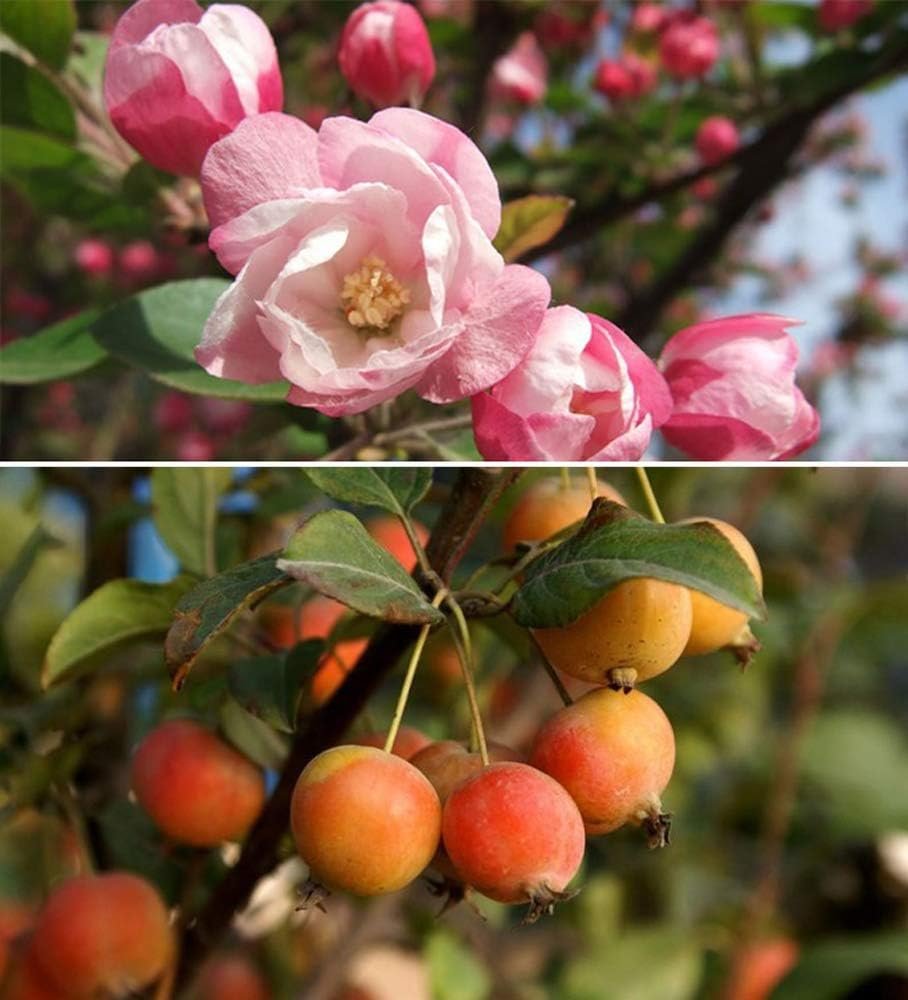
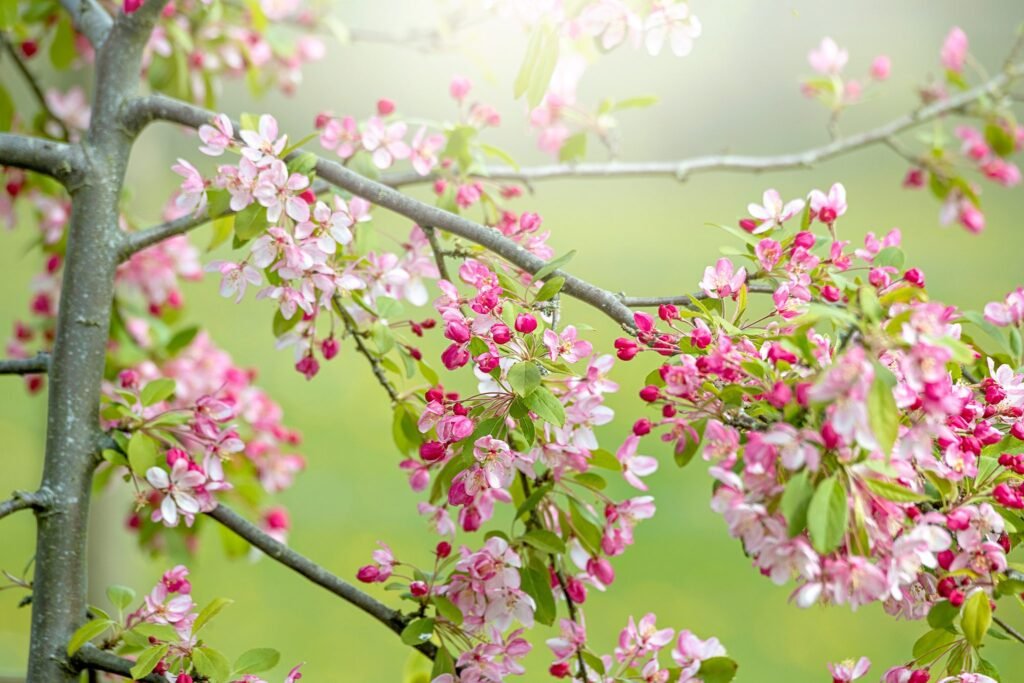
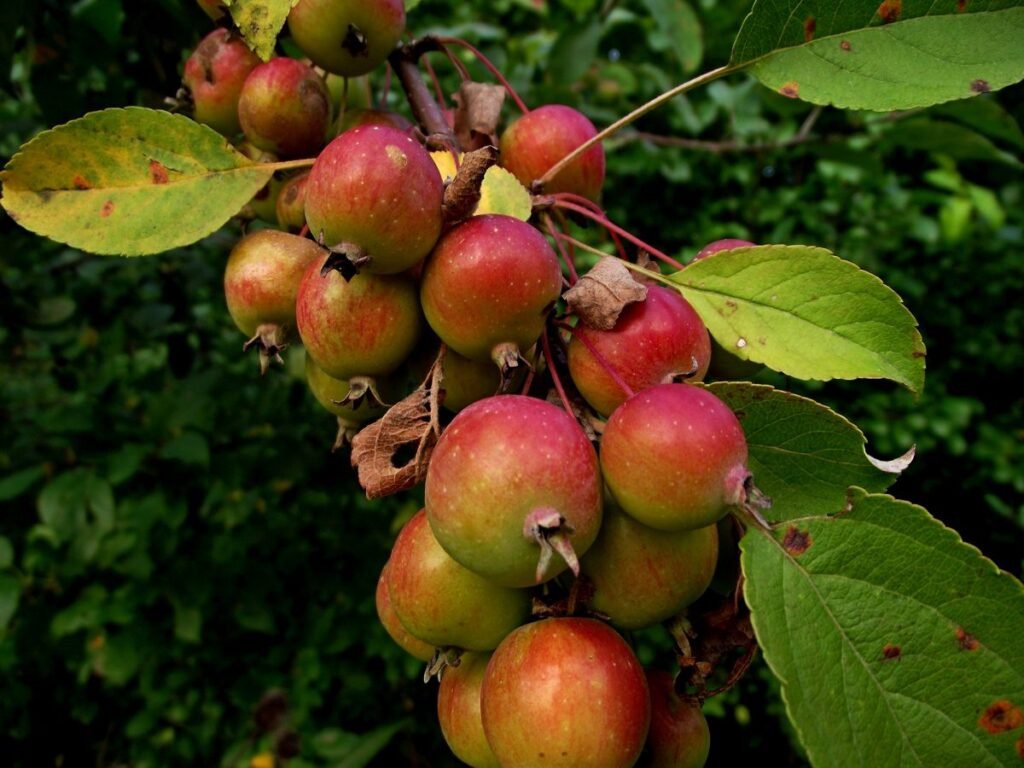
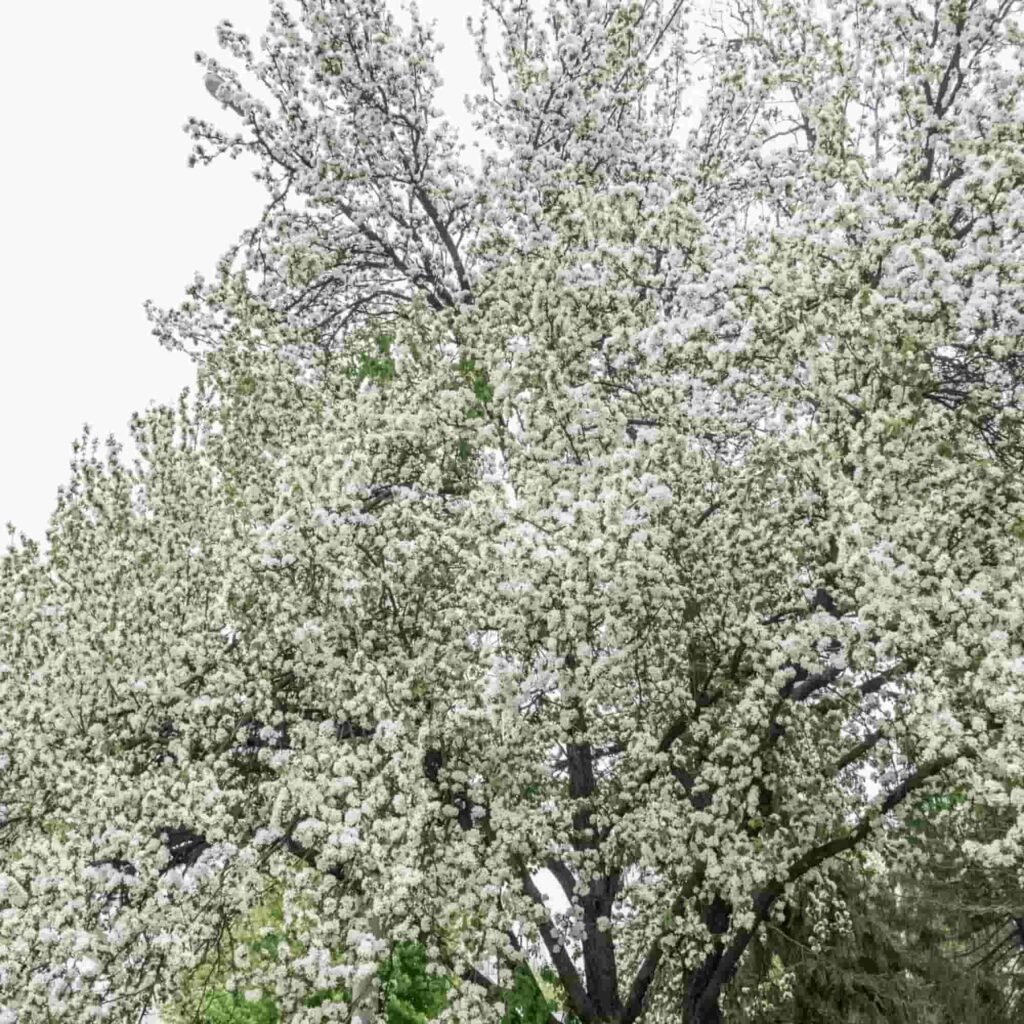
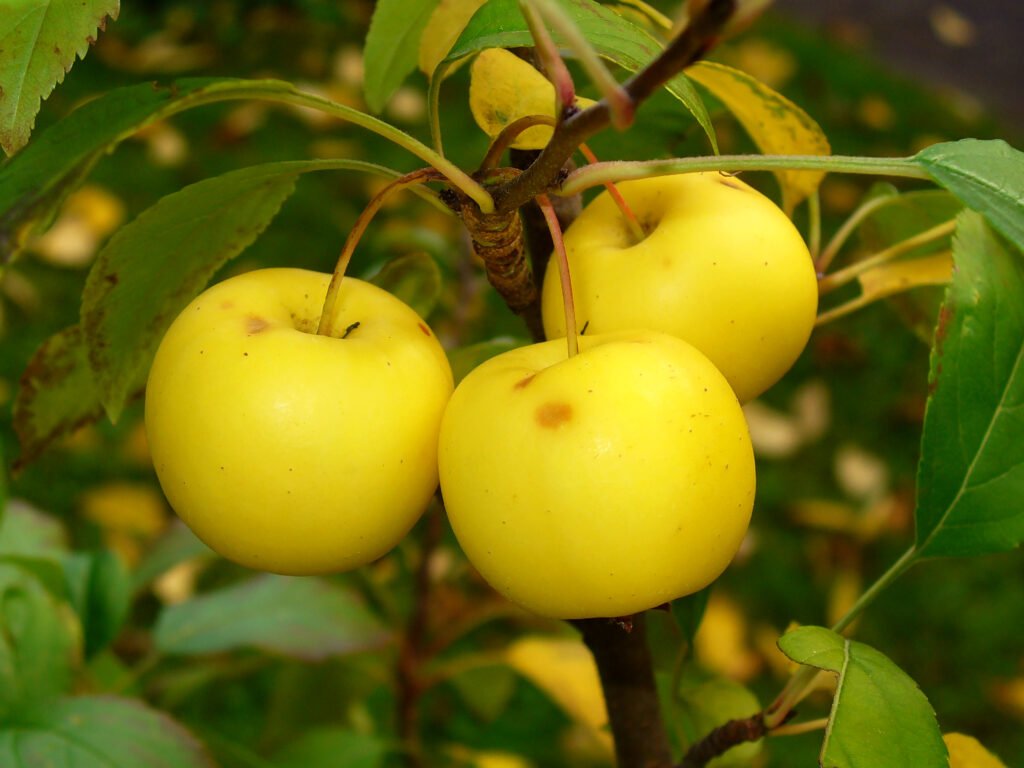
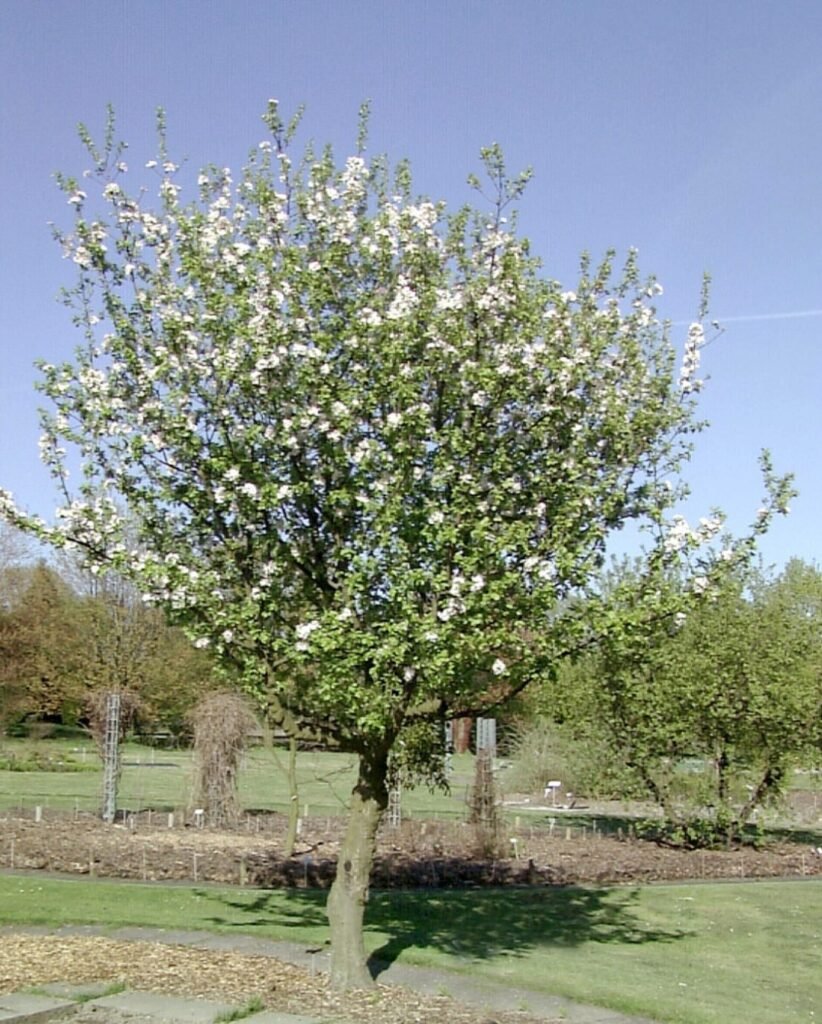
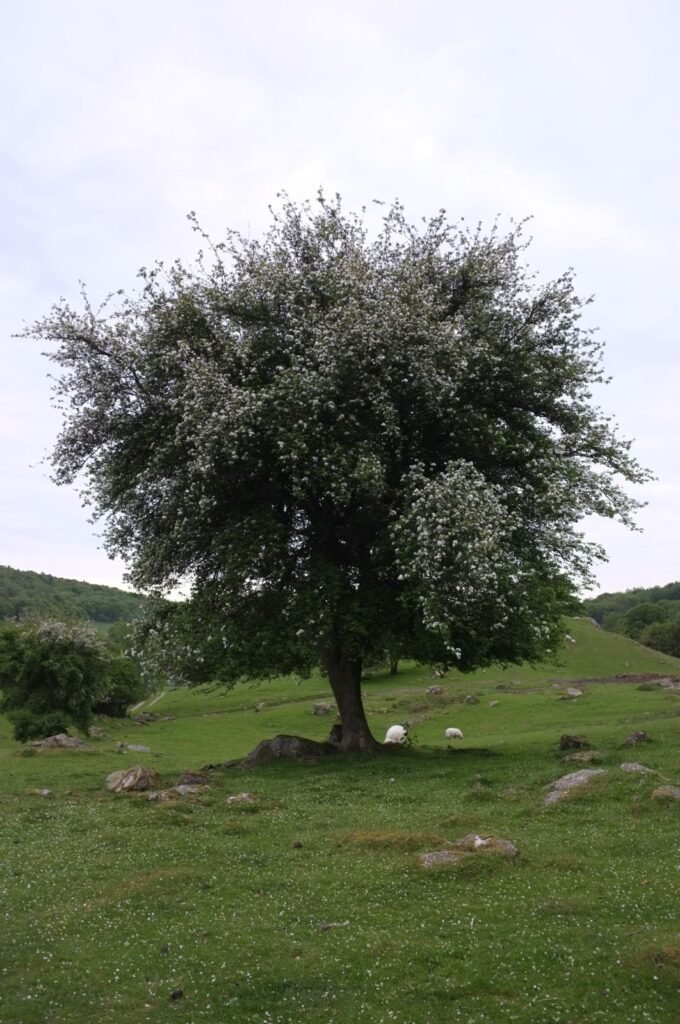
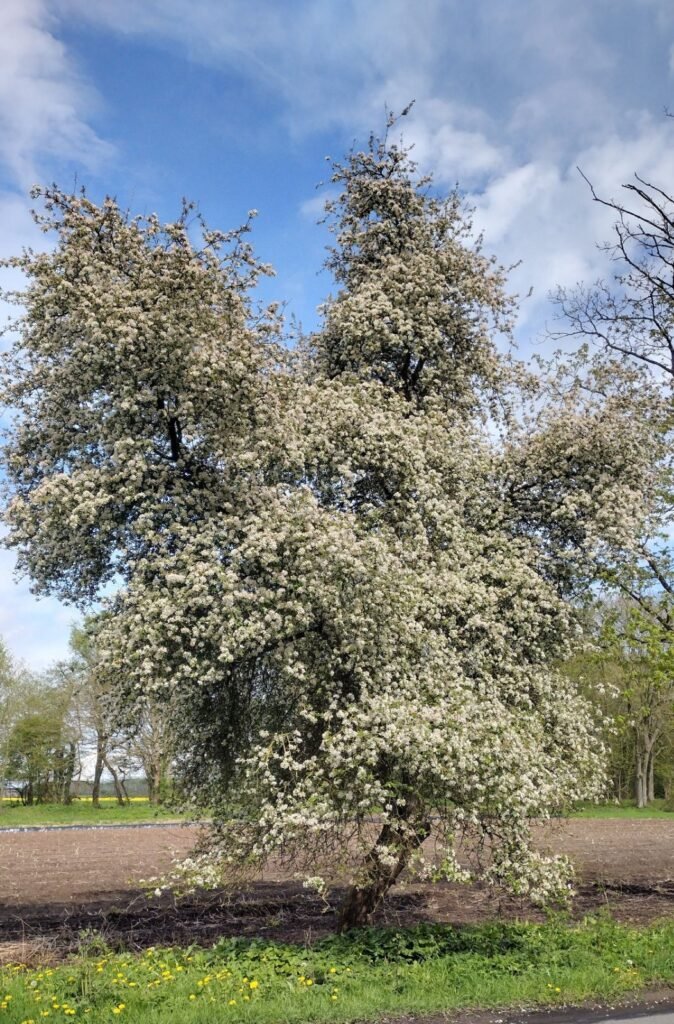
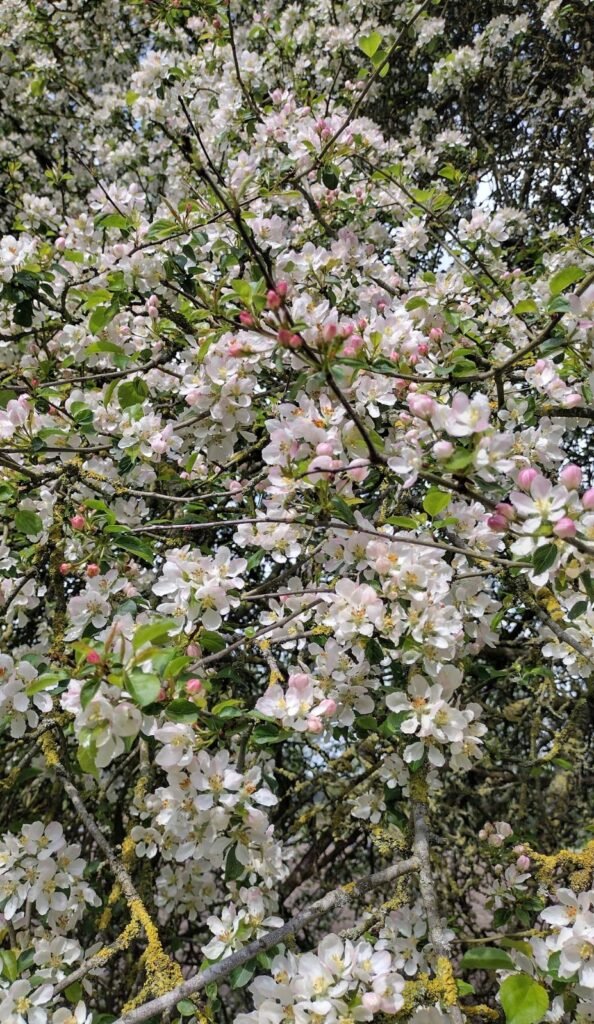
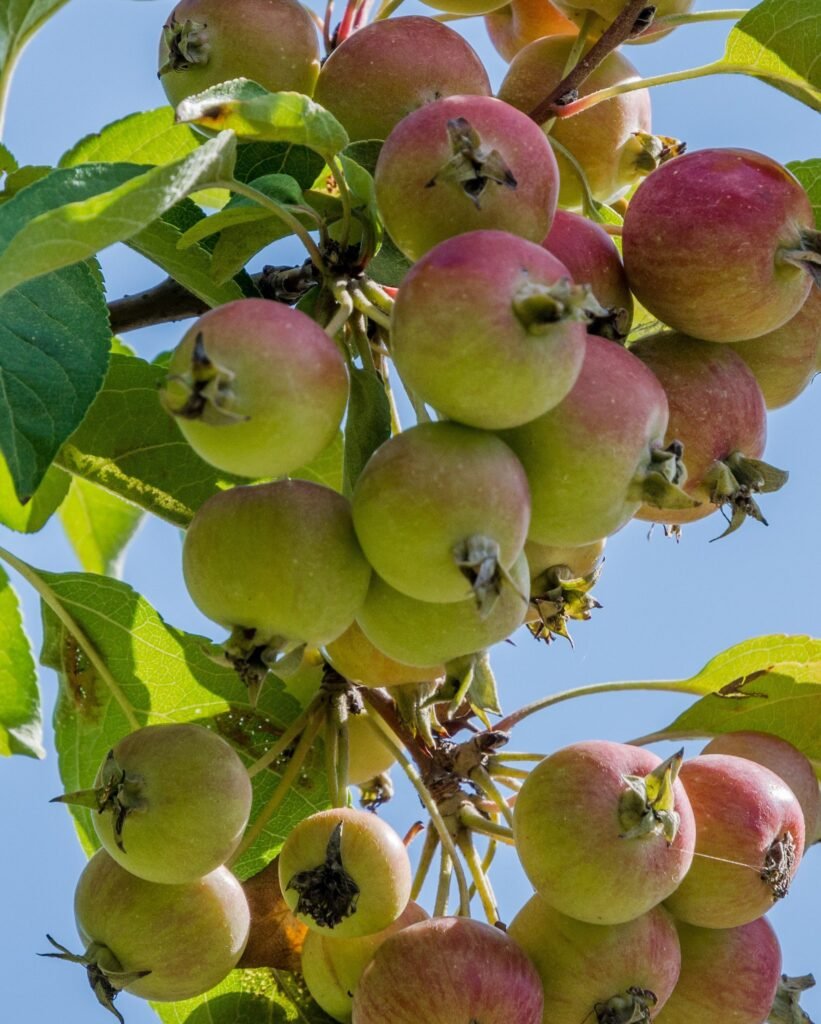
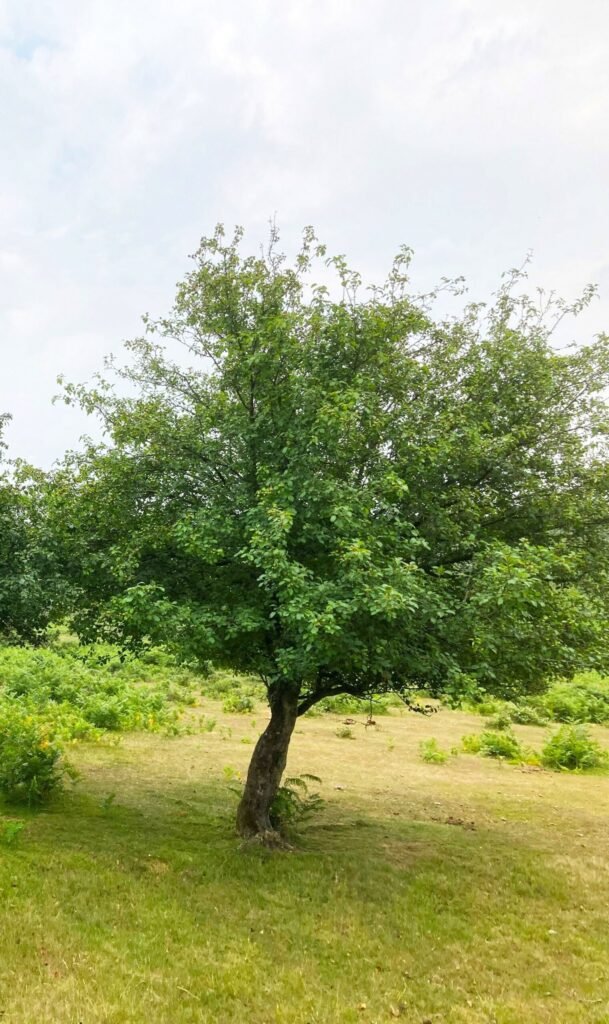
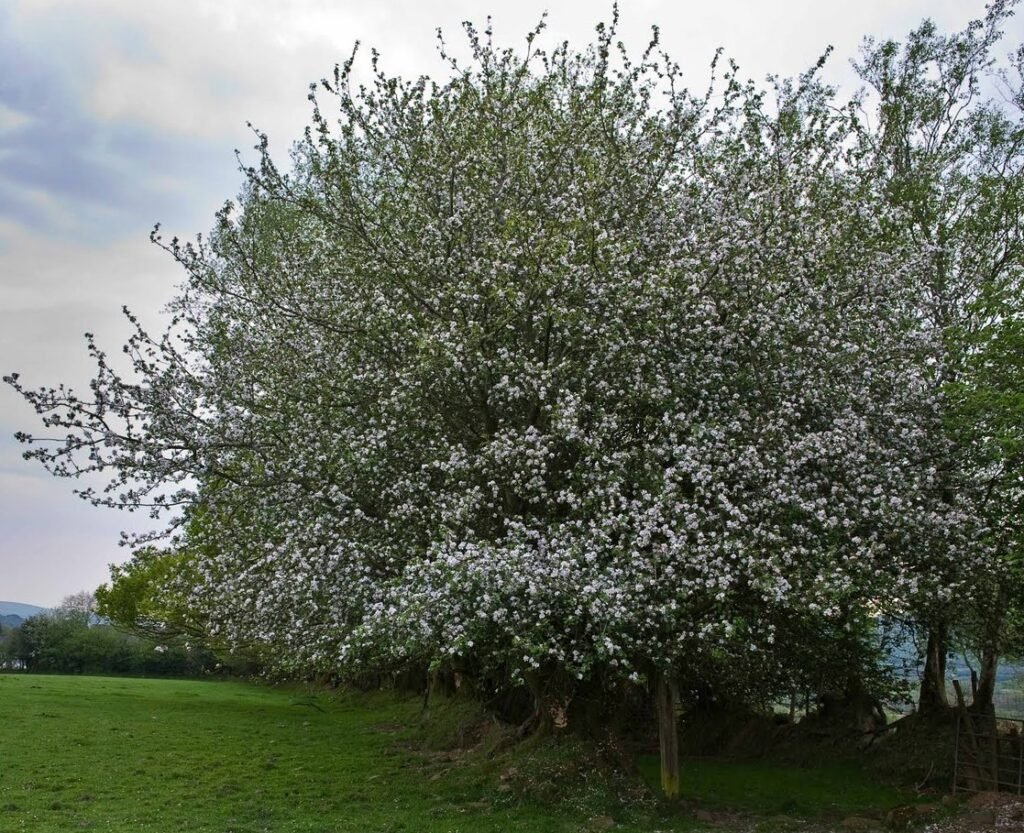
How to Grow, Propagate, Use, and Harvest Crab Apple (Malus sylvestris)
Complete Guide to Varieties, Culinary Uses & Orchard Tips
Crab apple trees (Malus sylvestris) are among the most underrated fruiting trees in the temperate world. Although their fruits are small and tart, crab apples deliver outsized benefits—supporting pollinators, improving orchard yields, offering culinary versatility, and contributing to rustic landscape charm. Whether you’re designing a wildlife-friendly garden or experimenting with old-world preserves, crab apples are a delightful addition.
What Are Crab Apples?
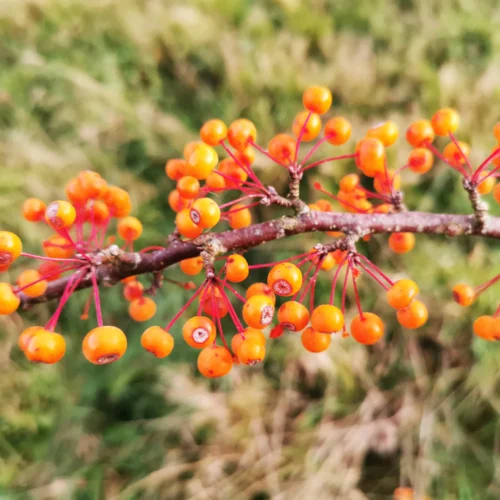
Crab apples are members of the genus Malus, producing miniature apples typically under 2 inches in diameter. While often considered ornamental, the fruits are fully edible when prepared properly. Historically, Malus sylvestris served as a food, medicine, and fermentation fruit throughout Europe.
How to Grow Crab Apple Trees
Ideal Climate & Location
Crab apples thrive in:
- Temperate climates
- Full sun (minimum 6 hours daily)
- Moderately fertile, well-drained soil
They tolerate:
- Frost
- Urban pollution
- Heavy clay (with amendments)
Soil Requirements
Crab apples prefer:
- Slightly acidic to neutral pH (5.5–7.0)
- Good drainage to prevent root rot
Amending with compost improves structure and fertility.
Planting Tips
Best planting time:
- Autumn for bare-root trees
- Spring for container-grown trees
Spacing:
- 3–5 meters between trees depending on cultivar size
Mulch after planting to conserve moisture and stabilize temperature.
Watering & Maintenance
Watering Schedule
- Regular deep watering for the first 1–2 years
- Mature trees tolerate drought but fruit better with consistent moisture
Fertilization
Apply balanced organic fertilizer in spring. Avoid excessive nitrogen, which promotes leafy growth over fruit production.
Pruning
Prune during winter dormancy to:
- Remove crossing or diseased branches
- Encourage airflow (reduces fungal diseases)
- Maintain shape and height
Propagation Methods
Crab apple trees can be propagated through several horticultural techniques:
1. Seed Propagation
- Seeds require stratification (cold treatment)
- Takes several years to reach fruiting maturity
- Seedlings vary genetically
2. Grafting
The most reliable commercial method:
- Scion wood grafted onto hardy rootstocks
- Ensures true-to-type characteristics
- Common rootstocks regulate final tree size
3. Cuttings
Softwood or hardwood cuttings root slowly but can succeed with rooting hormones.
4. Layering
Air or ground layering used for rare cultivars or historical trees.
Popular Crab Apple Varieties
Crab apples come in decorative and culinary forms. Popular cultivars include:
Culinary Types
- Hyslop
- John Downie
- Wickson
Known for strong acidity and high pectin—ideal for preserves.
Ornamental Types
- Golden Hornet
- Evereste
- Red Jade
Selected for flowers, foliage, and fruit display.
Wild Crab Apple (Malus sylvestris)
The ancestral European species, valued for biodiversity and cider blending.
Uses & Food Options for Crab Apples
Though tart when raw, crab apples excel in multiple culinary applications due to their natural acidity and exceptional pectin content.
1. Jellies & Preserves
High pectin yields clear, jewel-toned jellies without added thickeners.
2. Chutneys & Sauces
Acidity pairs well with spices and savory dishes.
3. Pickling
Whole pickled crab apples are a traditional condiment in some cultures.
4. Cider & Fermentation
Crab apples contribute:
- Tannin
- Acidity
- Aroma complexity
to ciders, perries, and meads.
5. Baking & Desserts
Stewed crab apples become soft and flavorful fillings.
6. Herbal & Folk Uses
Historical records mention:
- Digestive tonics
- Vinegars
- Medicinal syrups
Wildlife Benefits
Crab apples attract:
- Bees and pollinators (spring bloom)
- Birds and mammals (autumn fruit)
- Beneficial insects for orchard ecosystems
They also enhance fruit-set in nearby apple cultivars as excellent pollinators.
Harvesting Crab Apples
When to Harvest
Crab apples ripen from late summer through mid-autumn, depending on the variety.
Signs of ripeness:
- Intense color
- Softening texture
- Easy detachment
- Increased aroma
Storage
Fresh crab apples keep well in cool storage for several weeks. Processing extends shelf life significantly.
Common Issues & Pests
Though generally hardy, crab apples may face:
- Apple scab
- Fire blight
- Canker
- Aphids & mites
Good pruning and site selection reduce most problems organically.
Why Grow Crab Apples? (Key Benefits)
✓ Low-maintenance fruiting tree
✓ Boosts biodiversity & pollinator health
✓ Enhances cider and culinary creations
✓ Provides ornamental value year-round
✓ Cold-hardy and adaptable
Final Thoughts
Crab apples are a versatile and rewarding species that bridge ornamental landscaping with edible gardening. From heritage jellies to artisanal ciders and wildlife support, Malus sylvestris continues to earn its place in sustainable gardens and orchards.


&media=https://food-foresting.com/wp-content/uploads/2026/01/crabapple-1200x900-1.jpg)